Until 13 September 2026, the Parisian Palais de Tokyo continues its focus on inclusion, this time turning to the themes of bodily normality and vulnerability as part of the human condition. Through a series of exhibitions united under the title “Normes Corps”, the curators explore the body through concepts of normality, highlighting the ideas of fragility and vulnerability as sources of creativity, as well as conditions for a community-based approach.
Throughout the spaces of Palais de Tokyo, we encounter terms such as ableism, (in)accessibility, disability, crip, and many others, which make us reconsider how we should talk about bodies today. To navigate within this challenging topic, the museum team came up with a glossary and chronology available both online and offline, pursuing its mission of inclusion. The historical overview allows us to learn that since Greco-Roman Antiquity, power targeted children considered to be “deformed,” and up until the 20th century, freak shows were common in Europe and North America. Discriminatory “ugly laws” introduced in the United States made it illegal for people with visible disabilities, diseases, or disfigurements to appear in public spaces. Even though those brutalities seem distant, disability is still far from being represented in institutions all over the world. Today at Palais de Tokyo we can see how contemporary art practices can rethink the concept of bodily normativity and the representation of disabled people.
PAULINE CURNIER JARDIN, VIRAGES VIERGES
The space of Palais de Tokyo does not imply a central core as such, yet public communication has focused heavily on the exhibition by Pauline Curnier Jardin (Marseille, France, 1980). Or perhaps it is the sheer volume of her project that demands attention. Her video work Qu’Un Sang Impur (2019) – a reinterpretation of Jean Genet’s Un chant d’amour about the love between two prisoners – presents us with aging female inmates who, at one point, literally scream out in sexual frustration while simultaneously reclaiming their sexuality and openly giving themselves pleasure. Perhaps one of the most controversial works presented at Palais de Tokyo, it breaks the taboo surrounding the silenced sexuality of aging women – a phenomenon countlessly demonstrated by the fact that many actresses over 50 struggle to find roles. Curated by Daria de Beauvais, the exhibition Virages Vierges delves into the concept of deviation, also through the physical form of deviating from straight lines. At the entrance, we encounter a phantasmagoric cake-like construction made from polyurethane foam and pink curtains with bas-reliefs inspired by the artist’s visit to the National Archaeological Museum of Tarquinia, Italy. Self-referentially, each bas-relief depicts a scene from her video works. The space fluctuates between cake-like naivety and brutality, as seen in the cruel scenes of animal slaughter (Fat to Ashes, 2021) juxtaposed with candles blessed in Catania and reassembled with the Feel Good Cooperative (Les vœux de l’amour fou, 2026). Also together with the Feel Good Cooperative collective, a group of Colombian transgender sex workers and their allies, Pauline Curnier Jardin created the film Le Colonne della Colombo (2026), a video based on the performance of the same name held near the EUR Fermi station in Rome. EUR derives from Esposizione Universale di Roma and represents the legacy of Benito Mussolini’s urban planning. Presented on 12 October, the Columbus Day, the performance-march along Via Cristoforo Colombo – known today as a site of nocturnal prostitution – became a point-blank act representing exploited and non-normative bodies within a setting of fascist architectural remnants. The idea of architectural space as a vessel holding narratives is further developed in Peaux de Dame in the Hot Flashes Forest (2019) – a mysterious forest used as a set for the aforementioned Qu’Un Sang Impur. For Pauline Curnier Jardin, virgins are female bodies trapped between sacralization and stigmatization. The deceitfully naive setting mixed with sacral attributes is a perfect reflection on the sexualized body, on the female body across different eras and ages, as well as on the way these bodies are impacted by urban design and architectural space.
CHERYL MARIE WADE, THE QUEEN-MOTHER OF GNARLY
In 1993, disability activist and poet Cheryl Marie Wade (1948-2013) came up with Crip Culture Identity Rap, thus reappropriating the slur “cripple” to denounce the stigma surrounding the disabled community. The crip poet traces the history of exclusion back to the Nazis declaring mentally and physically ill people “defective.” She traces back the names of ancestors: activists fighting for equal rights in the disabled community, or as she put it, “cripple freedom fighters” (Disability Culture Rap, The Ragged Edge, 1992): Ed Roberts, the Independent Living Movement, Wry Crips Disabled Women’s Theater. Ed Roberts, the first wheelchair user to attend the University of California, Berkeley, was one of the first activists to assert his right to equal education within the walls of the University. Thus formed the community of disabled artists in Berkeley, California, in the late 1980s, of which Cheryl Marie Wade, known as the “Queen Mother of Gnarly,” was a part. There, at Berkeley, she met the group “Wry Crips,” a women’s disability group. In the early 2000s, director and disability activist Diane Maroger met Cheryl Marie Wade while working on documentaries which have unfortunately never been published. This series of archives served as a starting point for the exhibition Cheryl Marie Wade, The Queen-Mother of Gnarly, curated by Lucie Camous with Étienne Chosson and conceived as a post-production room. Here, archival documents coexist with works by contemporary artists – one way or another interconnected with the poet’s legacy.
JOSEPH GRIGELY, THIS IS WHERE WE ARE
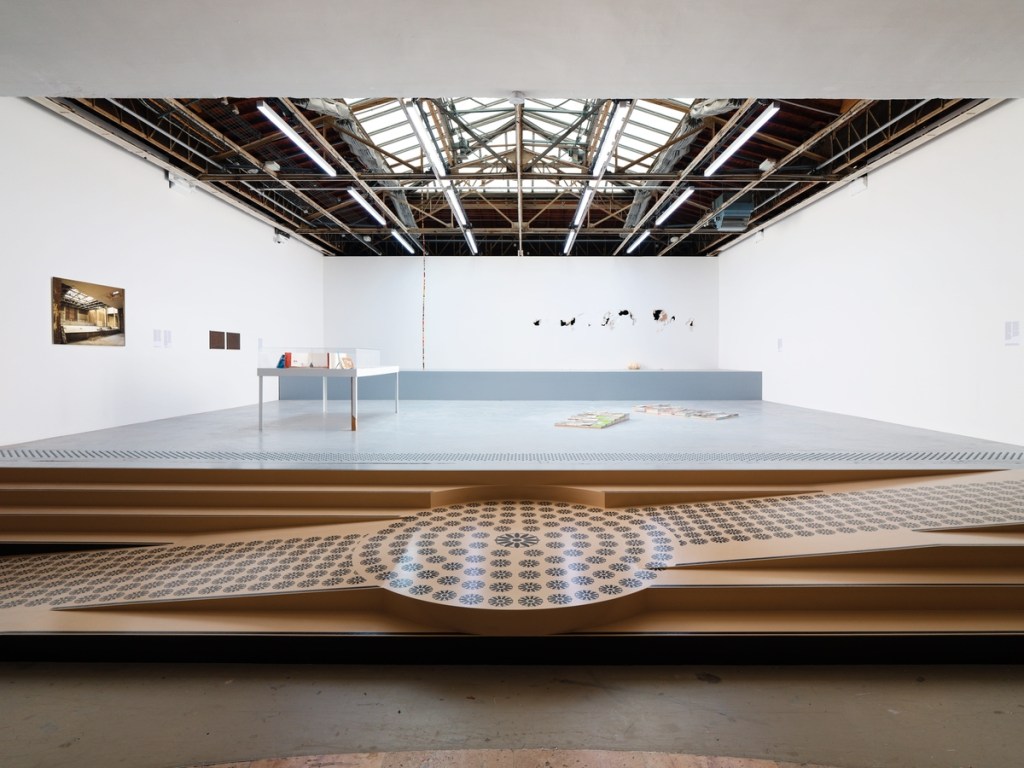
Among them is Joseph Grigely (Longmeadow, US, 1956) and his work Songs Without Words (Fiona Apple) (2020), in which the deaf artist tried to convey a feeling of a world without sound. His solo exhibition This Is Where We Are is located in the adjacent space, considered to be difficult to access for visitors with reduced mobility. Grigely conceived a site-specific installation, Between the Walls and Me (2023) – a ramp and a pedestal forming a structure called a “stramp” (a portmanteau of stairs and ramp), developed together with the team at Palais de Tokyo. It is one of the so-called “access prostheses,” a way for the artist to introduce the audience to the experiences of a disabled person through artistic mediums. This is perhaps particularly relevant in Paris, a city where transport infrastructure still leaves much to be desired for disabled people. Another project developed with the museum is Words Worth Their Worth in Bronze (2026), a section of a contract cast in bronze, according to which both parties will ensure that the exhibition is accessible by adapting the space, as well as providing online access. Thus, Grigely exposes the hidden structures of the curatorial and production process. Architecture itself in Grigely’s practice functions as a body, which strikes us all the more when we see a plaster cast of the artist’s head embedded into an exhibition wall – a metaphor for banging one’s head against a wall in an attempt to create conditions for living and working as a disabled artist, also emphasized by the work What the Stress Amounts To (2023), a tower of wine labels serving as an allegory of increased alcohol consumption among disabled people as a coping mechanism.
NEÏLA CZERMAK ICHTI, RAZA ODIADA NUNCA MUERE
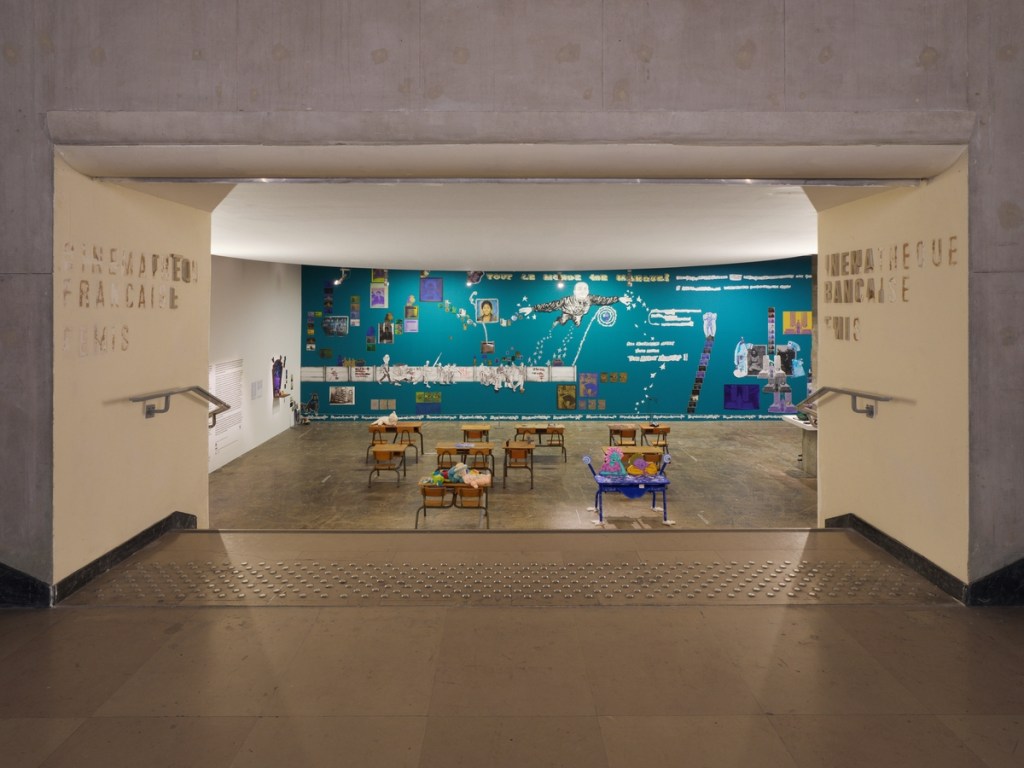
Another space presents the project by Neïla Czermak Ichti (Bondy, France, 1996), Raza Odiada nunca muere [A Hated Race Never Dies], which initially seems disconnected from the concept of the seasonal exhibition program. We enter a creepy classroom with empty desks; the turquoise wall contains archival documents, photographs, and posters – a sort of family tree divided into a Czermak half and an Ichti half. The reverence for the Czermak part is seen at the entrance with wooden figures of kids at desks – an homage to the artist’s father, Polô Czermak, whose works are also part of the project. Painted collages celebrate the artist’s life in various cities, including a view from an apartment on Rue du Faubourg Poissonnière, once home to a Jewish community before the city’s gentrification. Works on the left side of the wall, in turn, celebrate the Ichti branch of the family, which once settled in the Bondy Nord district. During the 1980s, the district suffered an anti-Arab revolt, as well as a heroin epidemic among the working class. Navigating between two stories of the family, Neïla Czermak Ichti presents a migrant body, a racialized body, a discriminated body. In a Foucauldian universe, the school classroom is one of the first places where a person encounters themselves as a normalized body subjected to discipline through partitioning, assigned seating at a desk, and body control via spatial allocation. Thus, it is a place where docile bodies are created. As the artist said herself, Neïla Czermak Ichti failed to be a good pupil, but nonetheless managed to invert the dominant discourse through sharing her personal stories. Her method is hoarding and accumulation, which lets these stories endure in time via the physical imprint. The Normes Corps season continues on the first floor with works by Jesse Darling, Benoît Piéron, and Cathy de Monchaux. Each of them presents a constellation of works reflecting upon a political body.
JESSE DARLING, THE AMBASSADORS
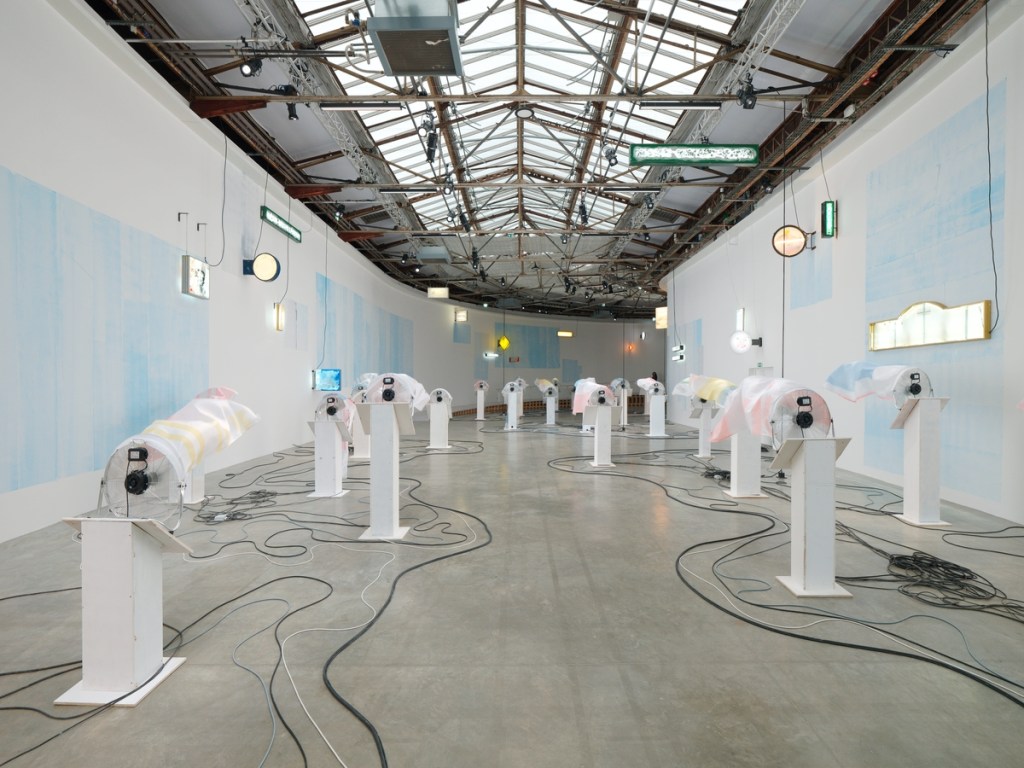
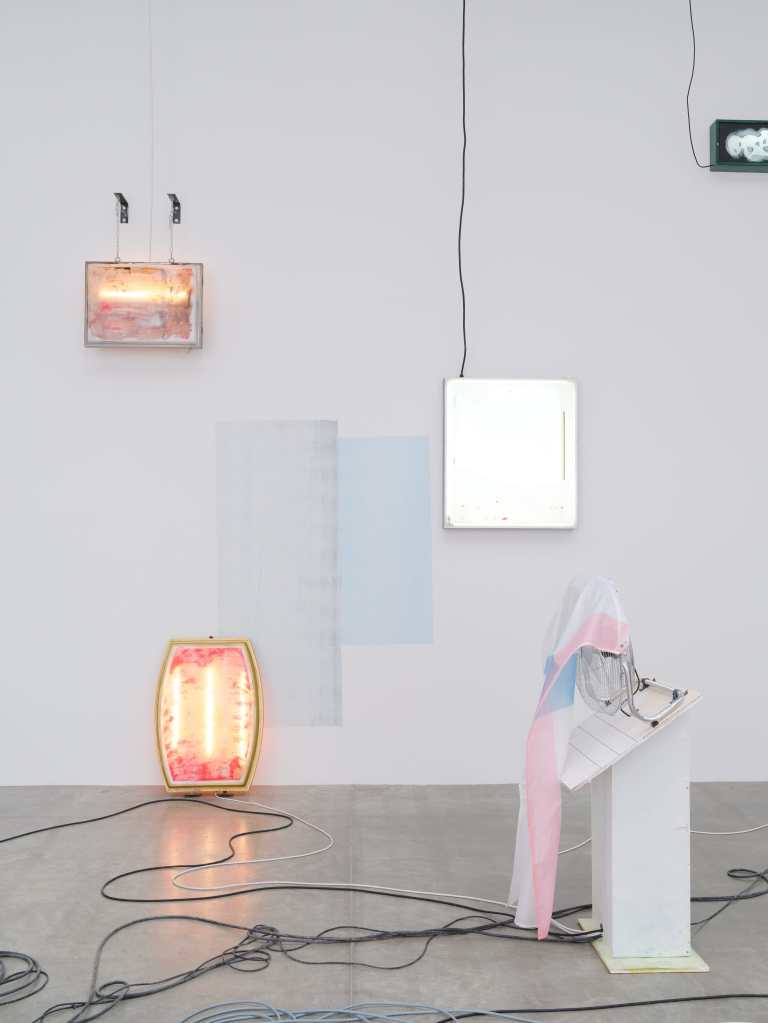
Jesse Darling (Oxford, UK, 1980) presents the site-specific installation The Ambassadors, curated by Guillaume Désanges – a set of fans covered with colorless flags on lecterns, surrounded by posters and advertising signs. The title references Hans Holbein the Younger’s work, thus referring to the concept of Vanitas. Two years ago, the artist approached the idea of the futility of life during their project VANITAS in the framework of the Art Basel Paris Public Program at the Petit Palais. Here, instead of turning to the still life genre, Jesse Darling chooses to speak through everyday objects, as futile as wilting flowers might seem. The fans on the lecterns represent the NATO and G7 politicians, whose words often dissolve into empty air. Darling turns the space into a post-capitalist utopia that failed to lead to a better world, where bodies are simultaneously the cause and the result of systems of control and surveillance.
BENOÎT PIÉRON, VERNIS À OMBRES
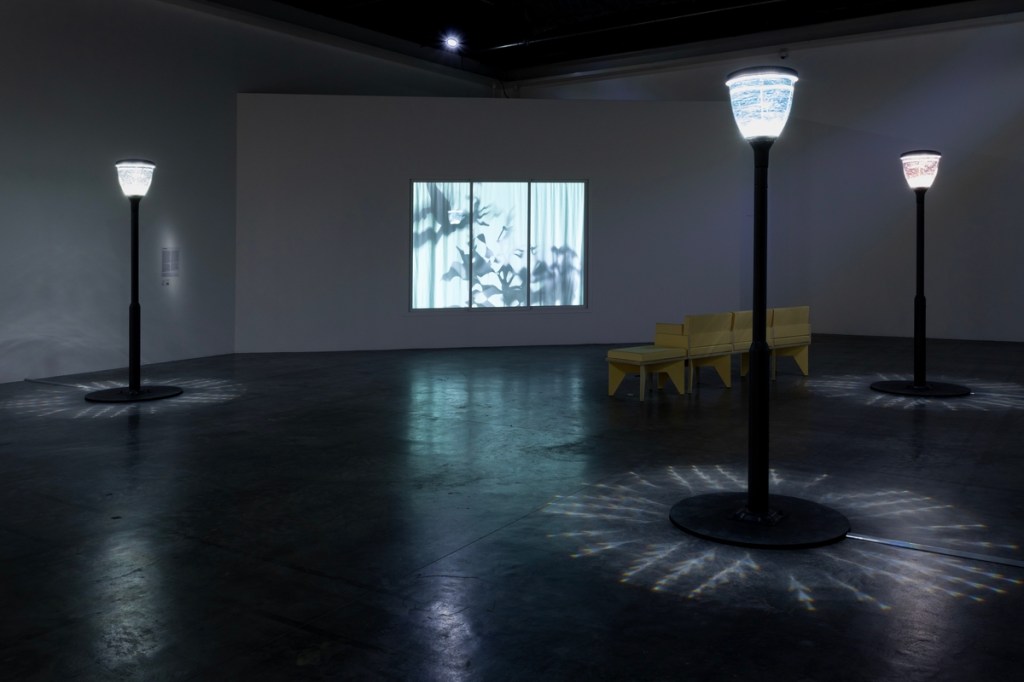
In the next gallery, Benoît Piéron (Ivry-sur-Seine, France, 1983) presents his project Vernis à Ombres, curated by Salomé Burstein and Guillaume Désanges. The glass window screen with a couch, La Fenêtre (2026), suggesting a voyeuristic pleasure, is indeed “an abstract porn crip* film,” blending whimsical forms and figures. Here, Piéron, an intersex person, presents a scenography that defies any definition; it is a fluid space where everything is not what it seems to be – like his (dis)functional Les Lampadaires (2026), street lights filled with glitter. The idea is further developed with the slightly visible Fluide correcteur (2026), a fresco featuring the word Intersexe written with Tipp-Ex, both an instrument of erasure and a diverting tool kids use at school.
CATHY DE MONCHAUX, STUDIO, WOUNDS AND BATTLES, DESIRE IS THE REITERATION OF HOPE
The Normes Corps season also features the first institutional exhibition of British artist Cathy de Monchaux (London, UK, 1960) in France, titled Studio, Wounds And Battles, Desire Is The Reiteration of Hope, curated by Hugo Vitrani. The exhibition includes archives, sculptures, and installations created by her from 1984 to today. Her works are strikingly corporeal, emphasized through the use of materials like glass, paper, metal, fur, and leather. Her practice is deeply physical: de Monchaux works both manually with simple materials and through laser cutting. Here, the exhibition itself, the studio, is the artist’s body, which, as we can see from the title, transforms through wounds and battles with materials. The way the space functions as an artist’s studio is particularly emphasized by a site-specific installation, in a way recalling Neïla Czermak Ichti’s hoarding wall. Small-scale sculptures, countless objects, notes, drawings, and a sudden photo of her cat Leonard populate the wall. “Showing, not telling,” says one of the notes. It is indeed the artist’s method. De Monchaux doesn’t impose any meanings on us. However, the absence of a clear statement sets this project apart from the others, which are more politically charged, defying any idea of normes corps.
THE CURATORIAL APPROACH
What makes the framework of the seasonal exhibitions so compelling is its capacity to offer a spectrum of expressions and methodologies in tackling a challenging theme. Without falling into didacticism or preachiness, the curatorial team has opened up a space dedicated not to superficial declarations or political gestures, but to deep reflection and shared experience. Each of the exhibitions leaves room for interpretation, each shaped by a different curatorial approach: from the whimsical theatricality of Pauline Curnier Jardin, to the archival frameworks of Joseph Grigely and works associated with Cheryl Marie Wade, to the autobiographical approach of Neïla Czermak Ichti, to the intimate exploration of intersex identity by Benoit Pieron, to the monographic immersion in Cathy de Monchaux’s practice The body is not emphasized directly – it can be the body of the artist, the body of the community, the body as an allegory or the body as an object of inquiry. The exhibition season carries a polyphonic tone precisely because it does not attempt to reconcile all of these. Instead, it embraces a participatory approach, reflecting the institution’s commitment to giving the community a voice ‒ notably through a dynamic public program of workshops and master classes dedicated to exploring themes such as the relationship between human and non-human, the investigation of sonority, and more. There is no intention to impose a single voice here, as ultimately, a dogmatic rejection of the norm risks producing a new fictitious superstructure of “a-normality” ‒ which, in turn, is just another category of exclusion.
Luiza Gareeva
3 April – 13 September 2026
Normes Corps
curated by Daria de Beauvais, Lucie Camous, Étienne Chosson, Hugo Vitrani, Salomé Burstein, Guillaume Désanges
Palais de Tokyo
13, Avenue du Président Wilson, PARIS
https://palaisdetokyo.com/en
Neïla Czermak Ichti, Raza Odiada Nunca Muere, exhibition view. Crédit photo: Aurélien Mole 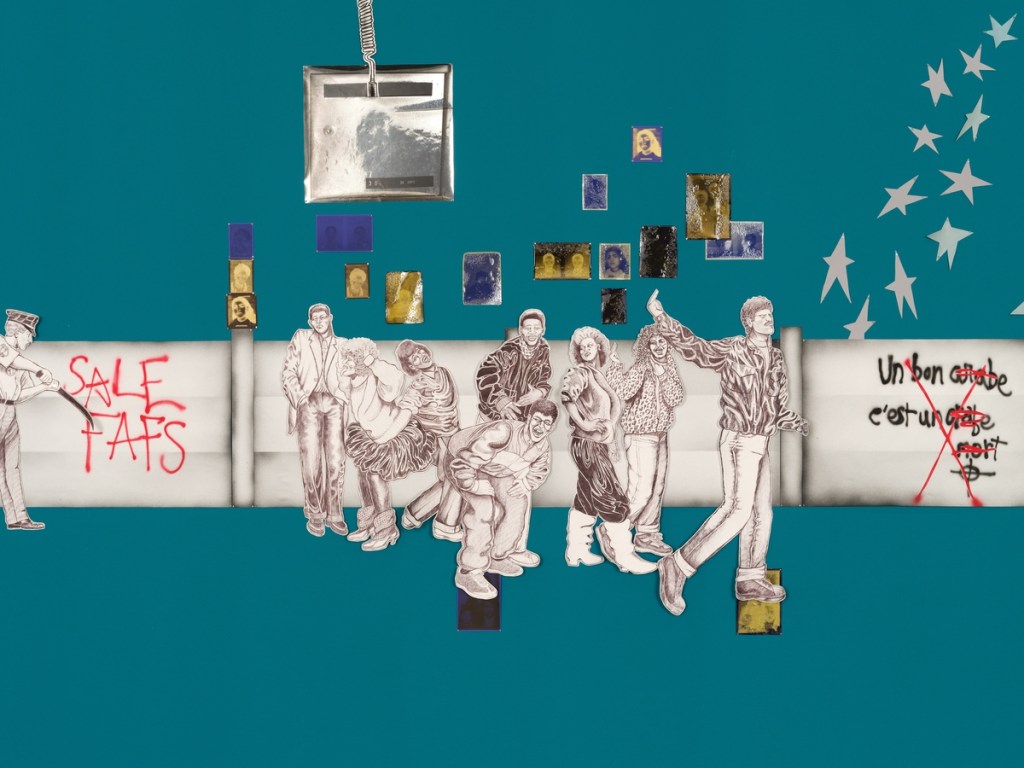
Neïla Czermak Ichti, Raza Odiada Nunca Muere, exhibition view. Crédit photo: Aurélien Mole Benoît Piéron, view of the exhibition, Shadow Polish, Palais de Tokyo, 2026. Photo credit: Laurent Edeline. Courtesy of the Gallery Sultana (Paris) 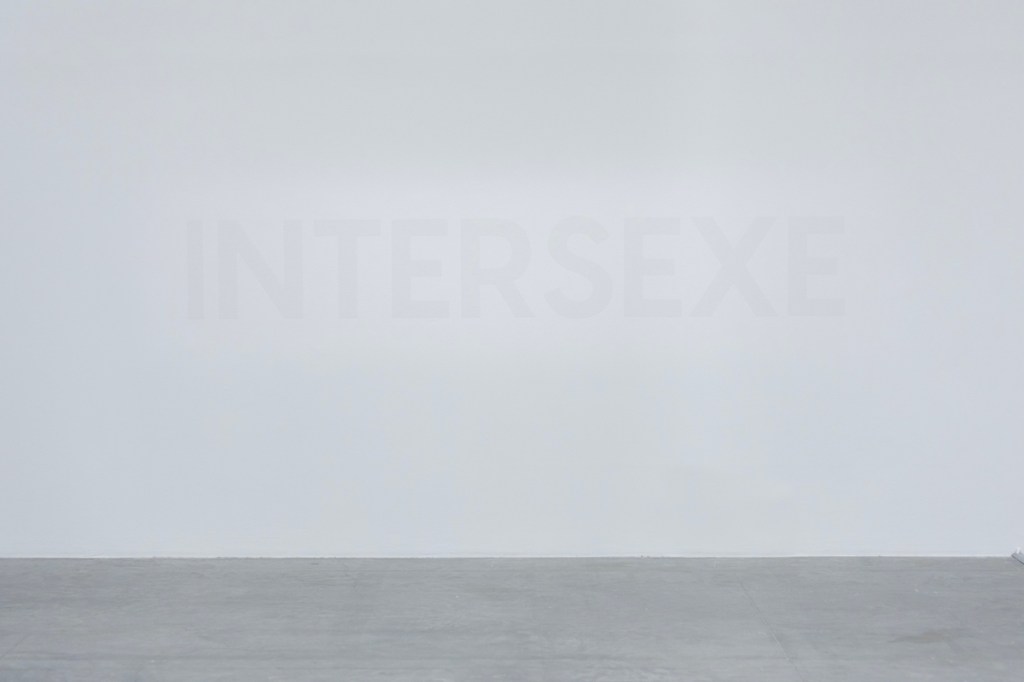
Benoît Piéron, view of the exhibition, Shadow Polish, Palais de Tokyo, 2026. Photo credit: Laurent Edeline. Courtesy of the Gallery Sultana (Paris) Jesse Darling, view of the exhibition, The Ambassadors, Palais de Tokyo, 2026. Photo credit: Aurélien Mole. Courtesy of the artist and the Galerie Sultana (Paris) Jesse Darling, view of the exhibition, The Ambassadors, Palais de Tokyo, 2026. Photo credit: Aurélien Mole. Courtesy of the artist and the Galerie Sultana (Paris) Joseph Grigely, view of the exhibition, This Is Where We Are, Palais de Tokyo, 2026. Photo credit: Aurélien Mole. Courtesy of the artist & Air de Paris (Romainville, Grand Paris) 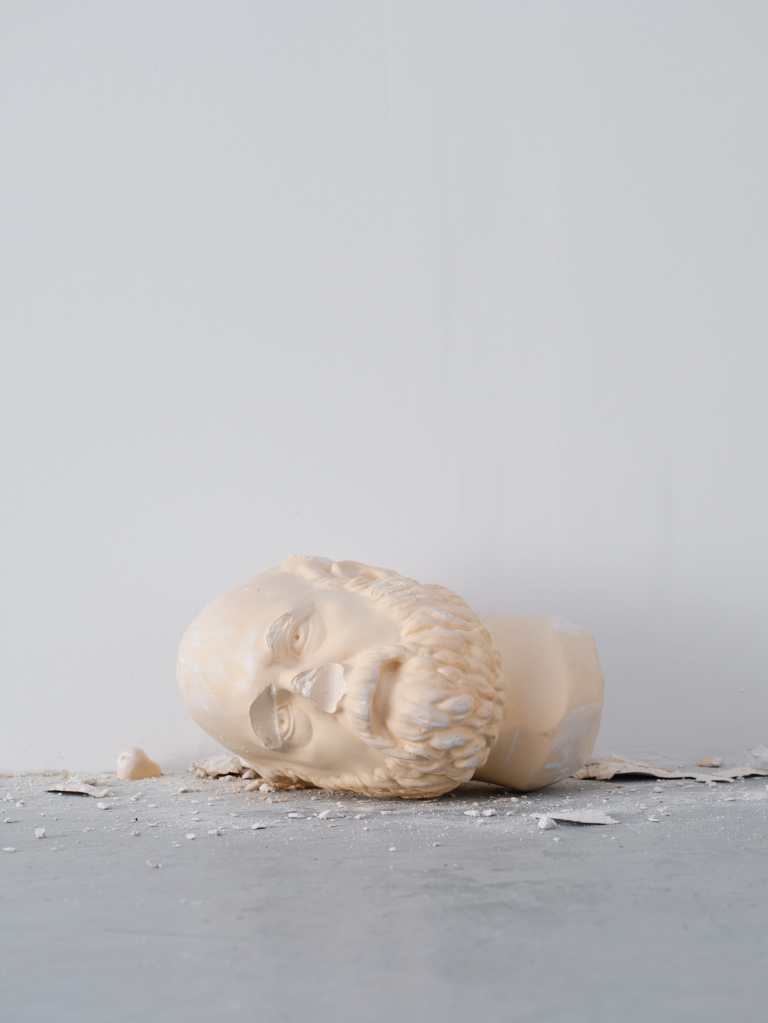
Joseph Grigely, view of the exhibition, This Is Where We Are, Palais de Tokyo, 2026. Photo credit: Aurélien Mole. Courtesy of the artist & Air de Paris (Romainville, Grand Paris)

