Opened just over a year ago at its Venetian headquarters, the Nicoletta Fiorucci Foundation has inaugurated its second exhibition. Curated by Polly Staple, “5 Works” by Lydia Ourahmane will be on view until 22 November 2026, presenting to the public the connections and works that emerged from the artist’s four-month residency in Venice.
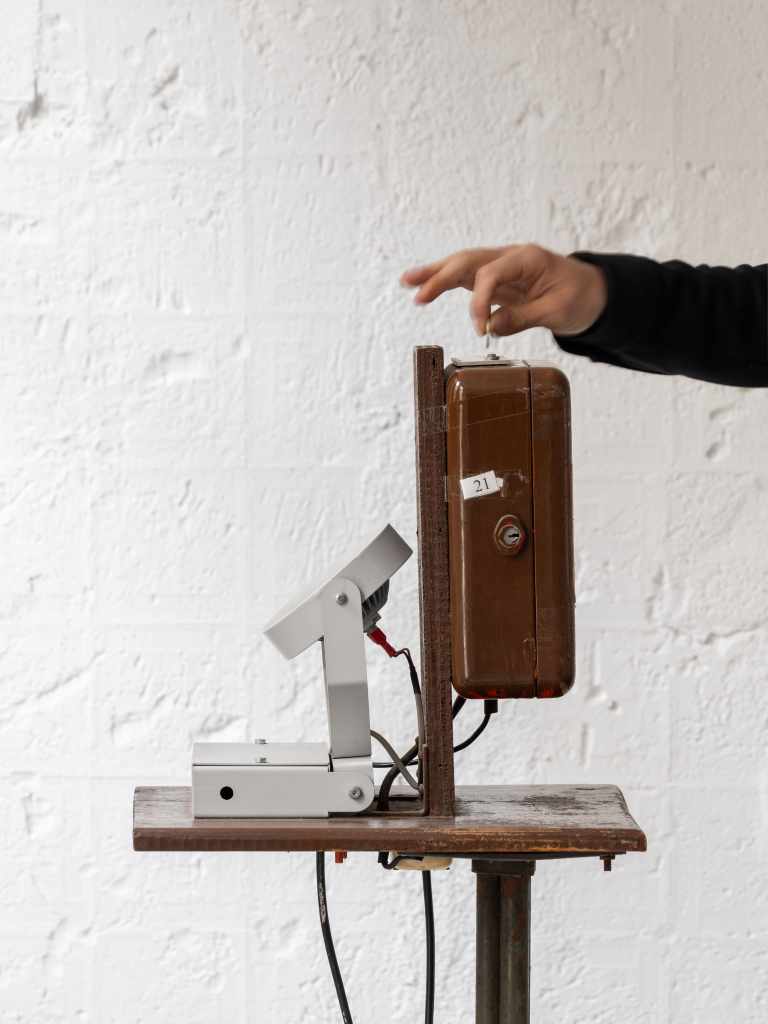
A donation-activated light, a pier, hundreds of bed linens, a pot of simmering broth. These are just some of the works that, despite their apparent heterogeneity, inhabit the spaces of the Nicoletta Fiorucci Foundation, giving shape to an exhibition that deeply embodies the institution’s ethos. Open to the experimentation of interdisciplinary artistic practices and committed to supporting projects rooted in local and community contexts, the foundation presents the works of Lydia Ourahmane (Saïda, 1992), linked together by a thread that only appears disconnected at first glance. The works are, in fact, rooted in a process of exploration that has developed through the artist’s ongoing dialogue with Venice and the dynamics at play within the city, transforming her residency into an experience of listening to and engaging with the local community. Taking as its starting point an exploration of various forms of belonging, the exhibition opens with Offerta luce 1€, a donation box commonly found in the city’s churches, designed to illuminate the artworks in exchange for donations. Originally from the Church of San Giovanni Crisostomo ‒ where it once illuminated a painting by Giovanni Bellini ‒, the box is intrinsically bound to the memory of one of the leading figures of the Venetian Renaissance, blending seamlessly into the city’s historical and artistic fabric. While retaining its original function, the work enters the exhibition through an act of resignification: positioned in front of a window, it no longer serves to illuminate an image but instead becomes itself illuminated by the light coming from the courtyard outside. The act of making a donation is thus transformed into a moment of participation, activating a shared sense of presence that connects the object ‒ and with it the network of memories and interactions it holds ‒ with the visitor standing before it.
LYDIA OURAHMANE’S EXHIBITION IN VENICE
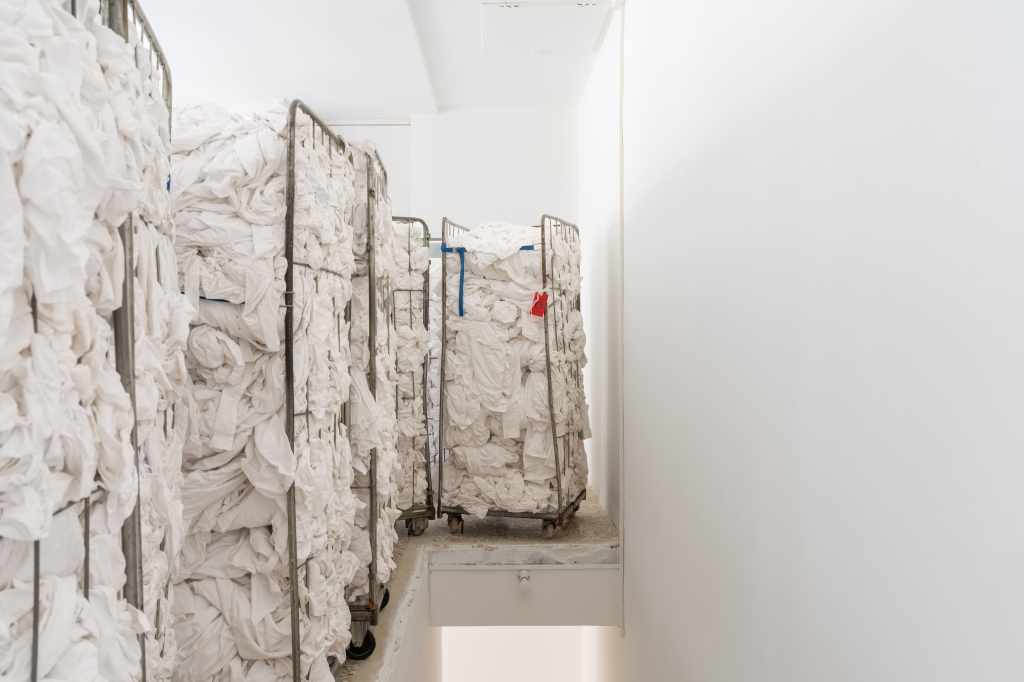
If the exhibition begins with a functional device for viewing transformed into the very object of attention, the following room introduces a further shift. A ten-metre pier extends into the room, presenting itself to the public as a still, monumental presence, suspended in time and unexpected in space. Rising from the floor as though already anchored to the Lagoon seabed, the work is positioned to be viewed from below, offering a perspective on its existence that differs markedly from its usual mode of encounter. Whilst, on the one hand, the pier is revealed in the exhibition as an essential element of the lagoon landscape – one that is often overlooked in the course of everyday life – on the other hand, it is becoming increasingly clear that its presence in this context is not intended to be confined solely to the exhibition space. Created by the artist in collaboration with the Venetian association Poveglia per Tutti, the work is the result of a process of listening and collaborative design, calling for the restoration of the island of Poveglia as a public space accessible to the whole Venetian community. Titled 45.3820696, 12.3294242, the work thus takes its name from the geographical coordinates of the site where, once the exhibition has ended, the pier will be permanently installed, becoming a lasting contribution to the lagoon ecosystem, The coordinates 45.3820696, 12.3294242 therefore indicate the geographical coordinates of the point to which, once the exhibition has ended, the jetty will be moved and permanently installed, becoming a lasting contribution to the lagoon’s ecosystem, to which it will return in full use. Leaving behind the suspended atmosphere of the ground floor, the exhibition continues on the second floor, where it seems to delve deeper into the invisible infrastructures that inhabit and regulate the dynamics of the city. Four works coexist within the space and, although distributed across four separate rooms, their presence immediately appears intertwined through a network of references and sensory contaminations. Just beyond the staircase, visitors find themselves surrounded by thirteen cages filled with sheets that make up 1.3 tons of decommissioned bed linen from 200 Venetian hotels. As the title suggests, the focal point of the work is the pile of linen that the artist recovered from an industrial laundry serving most of the city’s accommodation facilities. A material that has been used and is now discarded becomes, here, a tangible testament to Venetian overtourism: over a tone of sheets, tablecloths and towels, in fact, represents the waste produced – in just two months – by the ceaseless cycle of washing, wear and replacement imposed by the constant demand for clean linen from accommodation providers. In this way, the work offers the viewer a moment of awareness regarding the impact of a phenomenon that often remains invisible, whilst at the same time shedding light on the existence of a recurring pattern of gestures and manual labour that underpins the entire system of flows passing through the city. Adjacent to this work, whose meaning emerges through accumulation, there is instead an empty room, its walls embedded with the negatives of a mould used for bronze sculptures. Angel is the title of the work, the only one not made in Venice. Coming from a foundry in Naples, the selected fragments are those that, when assembled, form an angelic figure, and are used here by Ourahmane to reflect on emptiness as a generative potential for presence. Becoming intertwined with the architecture that houses the foundation, they become part of its structure while simultaneously reactivating the Christian memory of the building, which once housed a monastery. Connecting these two rooms, and functioning as both a threshold and a space of transition, is a colourful beaded curtain. Evoking a recurring element of the Mediterranean domestic imaginary, the work is itself the result of a collective making process that the artist developed together with some of the women from the Giudecca Women’s Prison, from whom the work takes its title. Constituting a device of separation and encounter, Manuela, Margherita, Mariana, Monia and Patrizia thus becomes a metaphor for the relationships that permeate the entire exhibition project. As the visitor moves through the spaces of the second floor, a pleasant and intense smell of broth accompanies them towards the final room, where a pot filled with vegetables is left to simmer on a small gas stove. Drawing on a memory from her childhood, Ourahmane transforms a personal recollection into a shared sensory experience, evoking through smell a familiar dimension that brings together her individual experience and a collective one. As the final stage of the exhibition route, the lower floor presents the developed photographs from the ten rolls of film used by the artist to document her time in Venice, tracing the work carried out throughout the residency period. Conceived as an act of generosity aimed at offering the public a deeper visual context, the photographs document the places that formed the backdrop to the making of each work, reconstructing the relational and narrative threads that underpin the entire project: from the interiors of San Giovanni Crisostomo and the industrial laundry in Mirano, to glimpses of Giudecca, where the artist lived during her stay, and finally to views of Poveglia and the site of the pier’s future landing.
THE EXHIBITION’S CURATORIAL APPROACH
Through a curatorial approach that gives the works ample room to breathe, the exhibition enables each piece to fully develop its own tensions, gradually revealing worlds hidden beneath the city’s surface. Despite their formal diversity, the works depict the various nuances of their connection with Venice, and reinforce one another by virtue of a shared condition of existence. Proceeding through progressive revelations of meaning, the exhibition abandons a linear narrative in favour of a sequence of situations, each adding a further piece to the construction of a unified whole. A web of correspondences that runs throughout the exhibition contributes to this overall coherence: thresholds, olfactory perceptions, and above all light, which ‒ activated by the visitor’s donation at the beginning of the exhibition ‒ does not remain confined to the artist’s first intervention, but for a few minutes spreads through the exhibition spaces via a series of LEDs, linking all the works as parts of a single system. With 5 Works, Lydia Ourahmane thus weaves a system of relationships unfolding across the two floors of the Nicoletta Fiorucci Foundation, transforming the network of informal economies and hidden infrastructures that escape the dominant representation of a resilient and monumental Venice into a shared experience, while returning to the public the city’s layered texture of memories and shared forms of belonging.
Alessia Leoni
5 May ‒ 22 November 2026
5 Works
curated by Polly Staple
Nicoletta Fiorucci Foundation
Dorsoduro, 2829, Venezia
https://nf.foundation
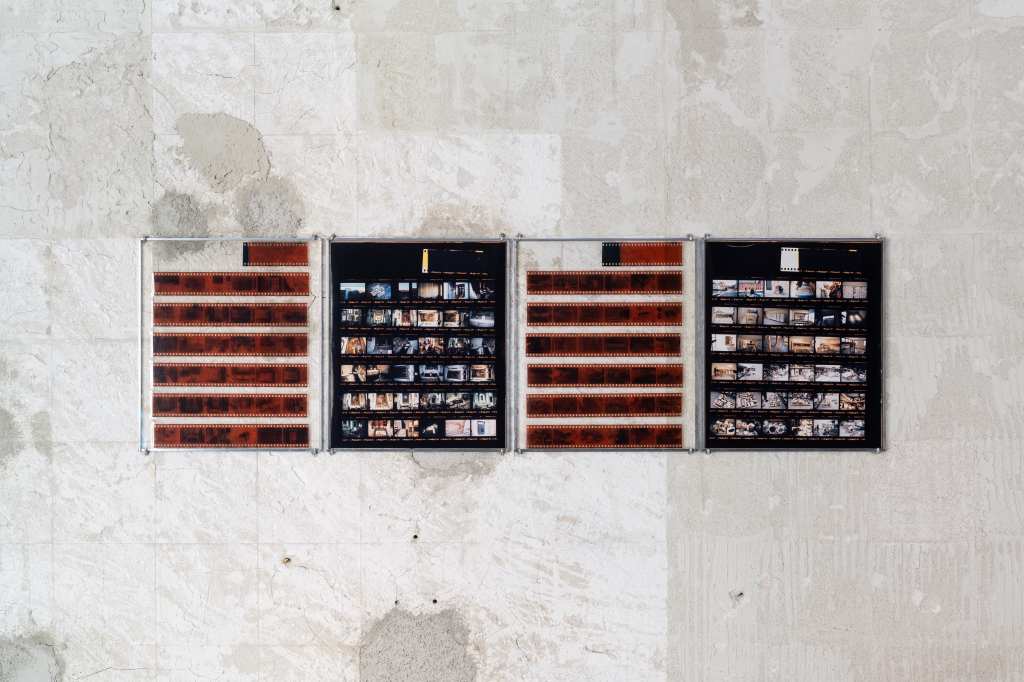
324 Photos (Giudecca, Dorsoduro, Poveglia, Cannaregio, Napoli, Mirano, Murano), 2026. Detail. Courtesy of the artist and the Nicoletta Fiorucci Foundation. Photo_ Marco Cappelletti, Marco Cappelletti Studio 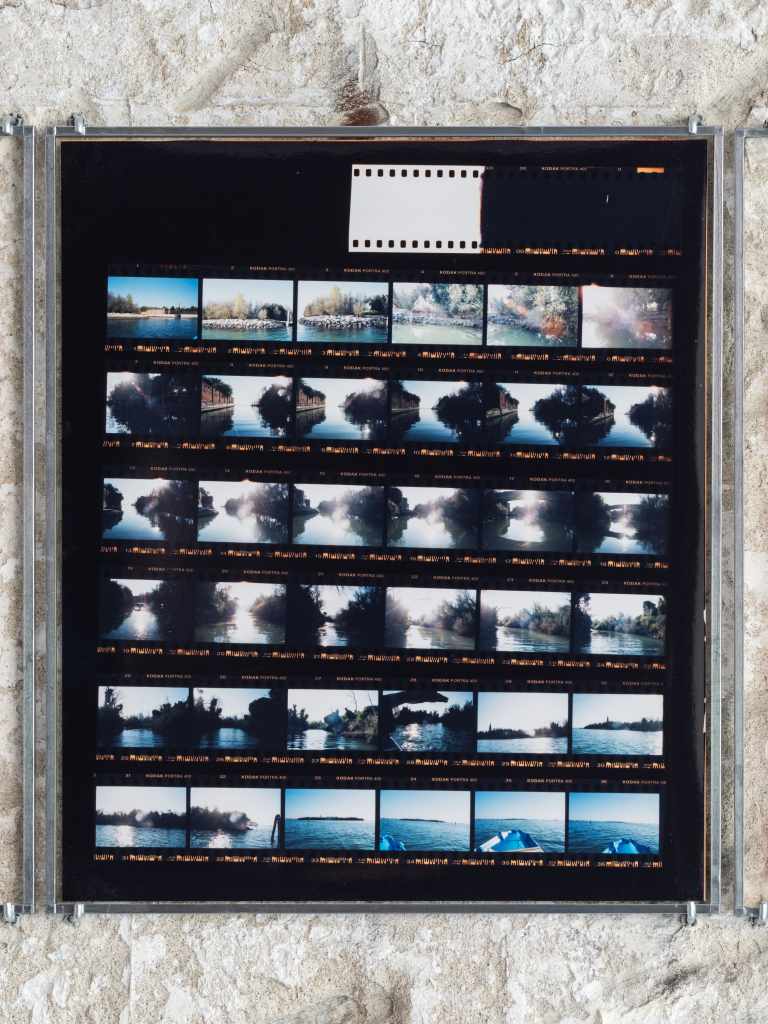
324 Photos (Giudecca, Dorsoduro, Poveglia, Cannaregio, Napoli, Mirano, Murano), 2026. Detail. Courtesy of the artist and the Nicoletta Fiorucci Foundation. Photo Marco Cappelletti, Marco Cappelletti Studio 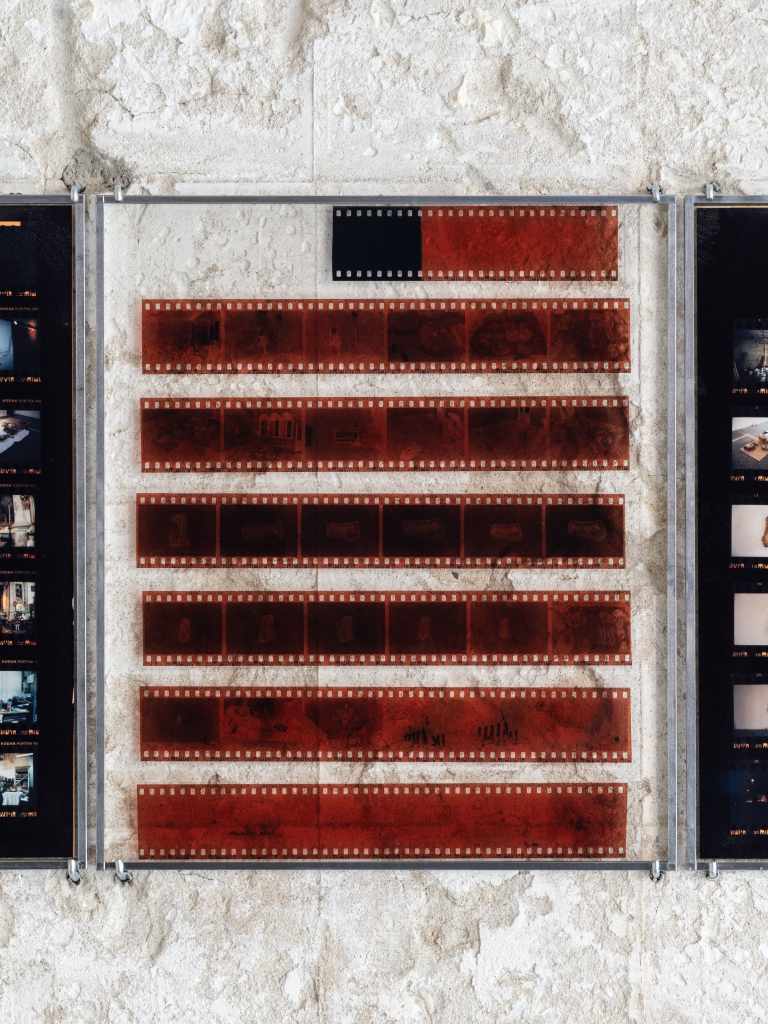
324 Photos (Giudecca, Dorsoduro, Poveglia, Cannaregio, Napoli, Mirano, Murano), 2026. Detail. Courtesy of the artist and the Nicoletta Fiorucci Foundation. Photo Marco Cappelletti, Marco Cappelletti Studio 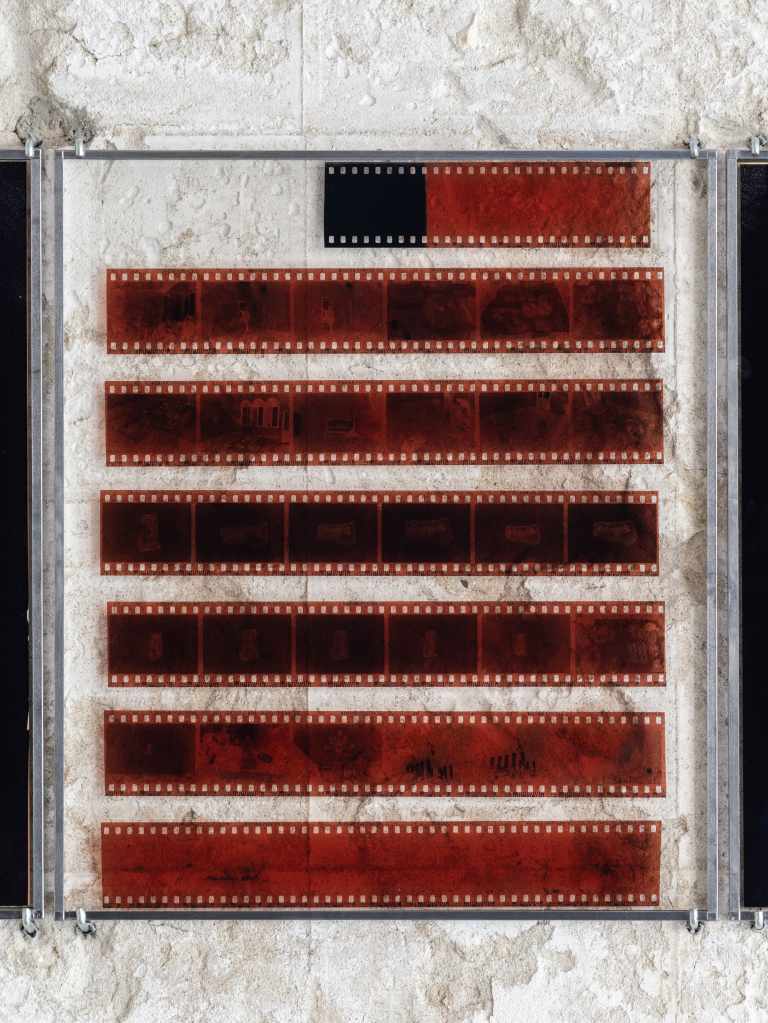
324 Photos (Giudecca, Dorsoduro, Poveglia, Cannaregio, Napoli, Mirano, Murano), 2026. Detail. Courtesy of the artist and the Nicoletta Fiorucci Foundation. Photo Marco Cappelletti, Marco Cappelletti Studio 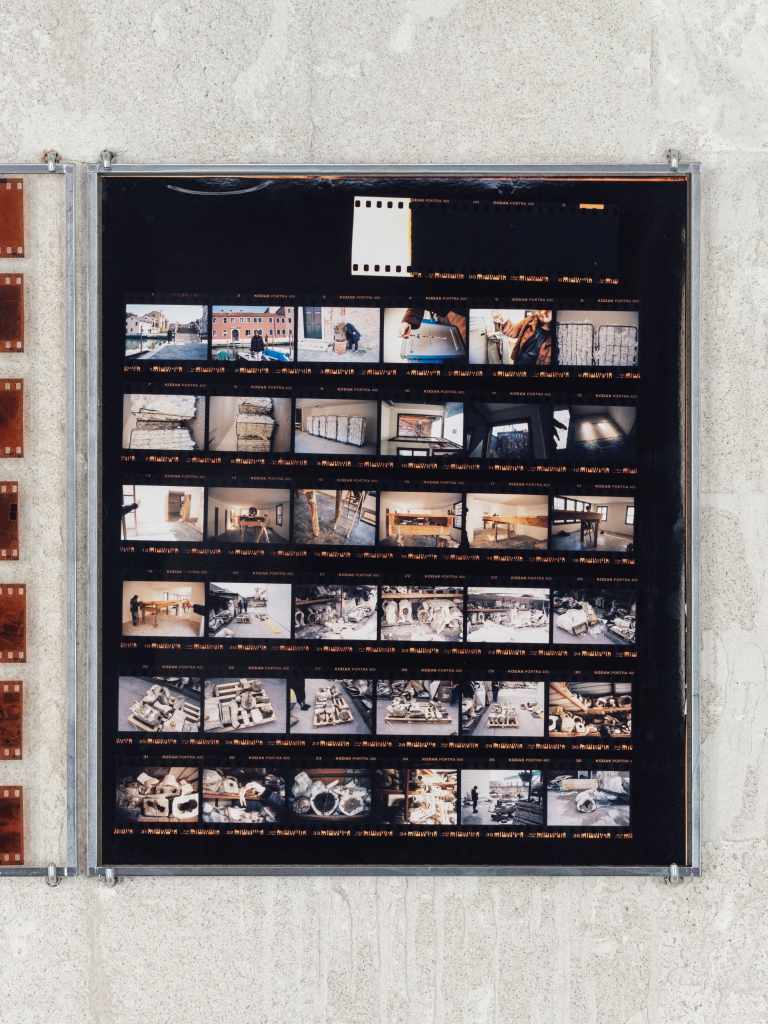
324 Photos (Giudecca, Dorsoduro, Poveglia, Cannaregio, Napoli, Mirano, Murano), 2026. Detail. Courtesy of the artist and the Nicoletta Fiorucci Foundation. Photo Marco Cappelletti, Marco Cappelletti Studio 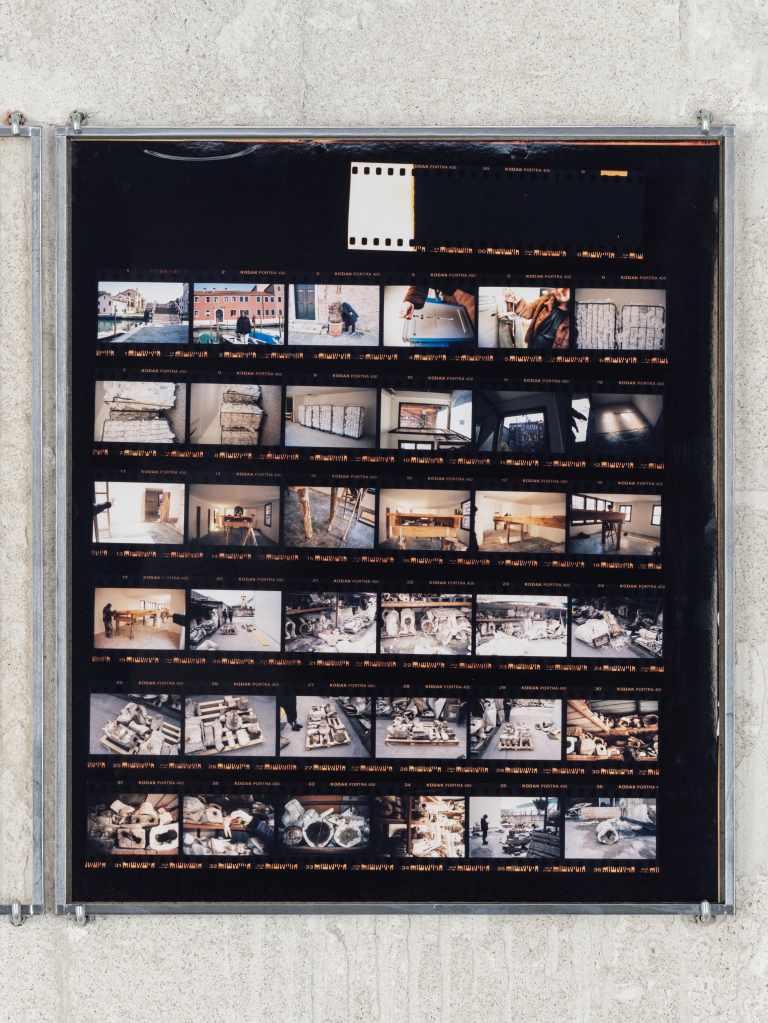
324 Photos (Giudecca, Dorsoduro, Poveglia, Cannaregio, Napoli, Mirano, Murano), 2026. Detail. Courtesy of the artist and the Nicoletta Fiorucci Foundation. Photo Marco Cappelletti, Marco Cappelletti Studio 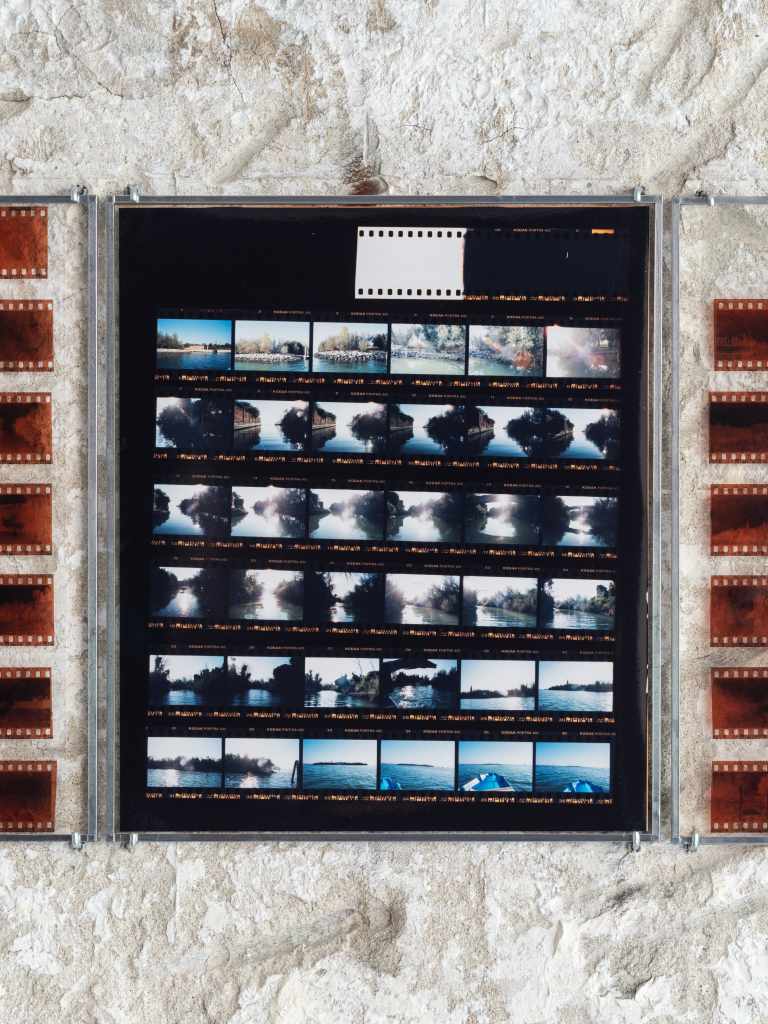
324 Photos (Giudecca, Dorsoduro, Poveglia, Cannaregio, Napoli, Mirano, Murano), 2026. Detail. Courtesy of the artist and the Nicoletta Fiorucci Foundation. Photo Marco Cappelletti, Marco Cappelletti Studio 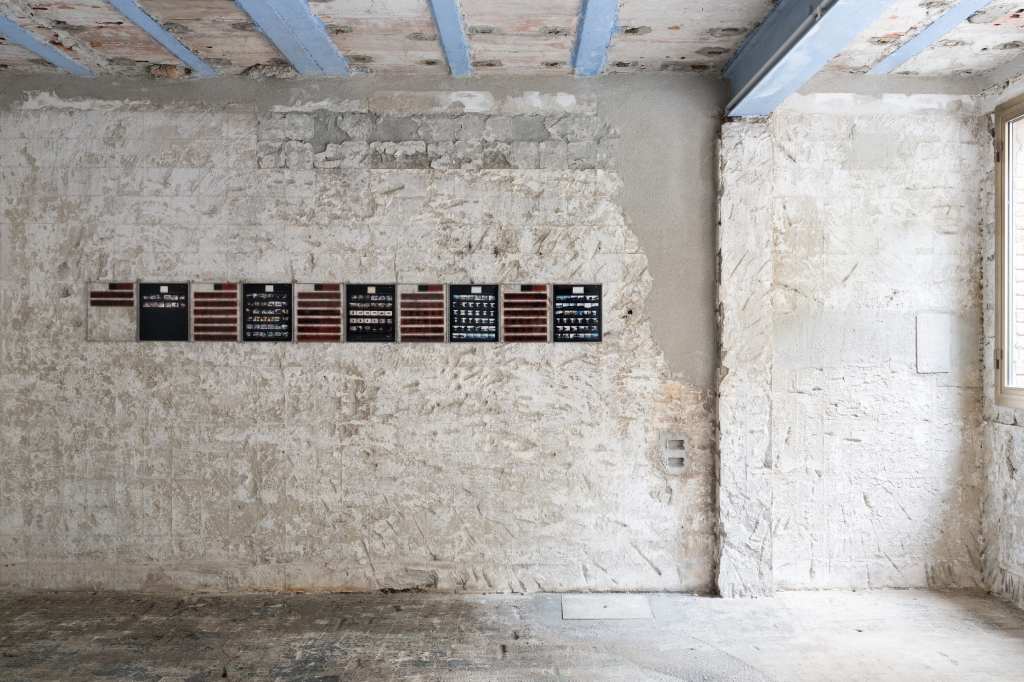
324 Photos (Giudecca, Dorsoduro, Poveglia, Cannaregio, Napoli, Mirano, Murano), 2026. Detail. Courtesy of the artist and the Nicoletta Fiorucci Foundation. Photo Marco Cappelletti, Marco Cappelletti Studio 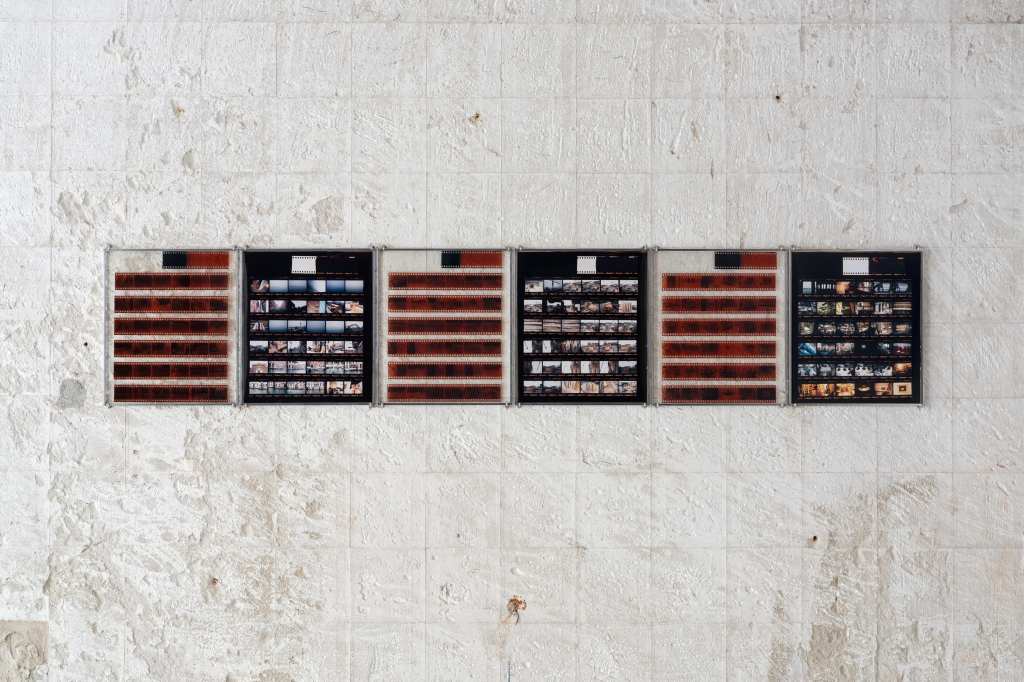
324 Photos (Giudecca, Dorsoduro, Poveglia, Cannaregio, Napoli, Mirano, Murano), 2026. Detail. Courtesy of the artist and the Nicoletta Fiorucci Foundation. Photo Marco Cappelletti, Marco Cappelletti Studio 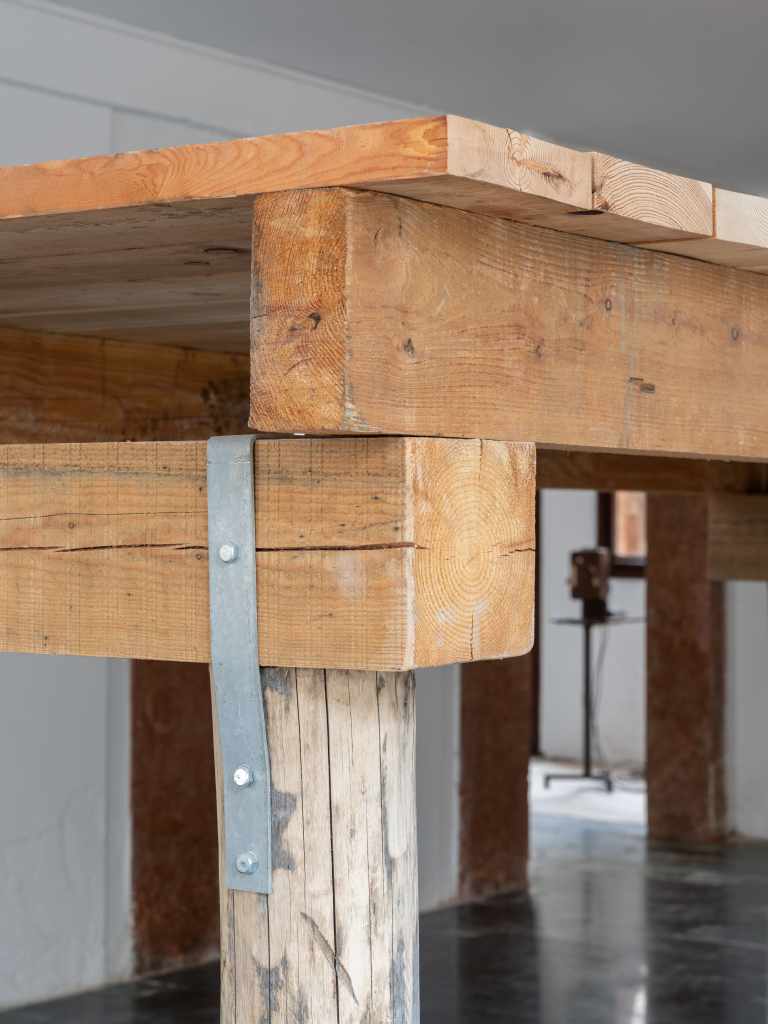
Lydia Ourahmane, (45.3820696, 12.3294242), 2026. Detail. Courtesy of the artist and the Nicoletta Fiorucci Foundation. Photo Marco Cappelletti, Marco Cappelletti Studio 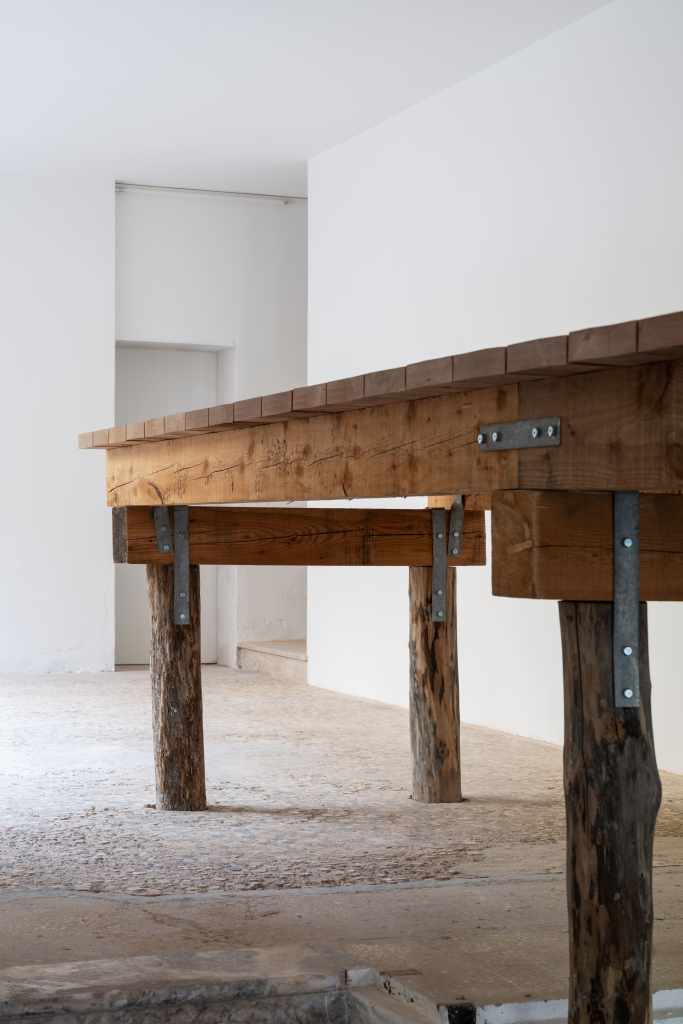
Lydia Ourahmane, (45.3820696, 12.3294242), 2026. Detail. Courtesy of the artist and the Nicoletta Fiorucci Foundation. Photo Marco Cappelletti, Marco Cappelletti Studio 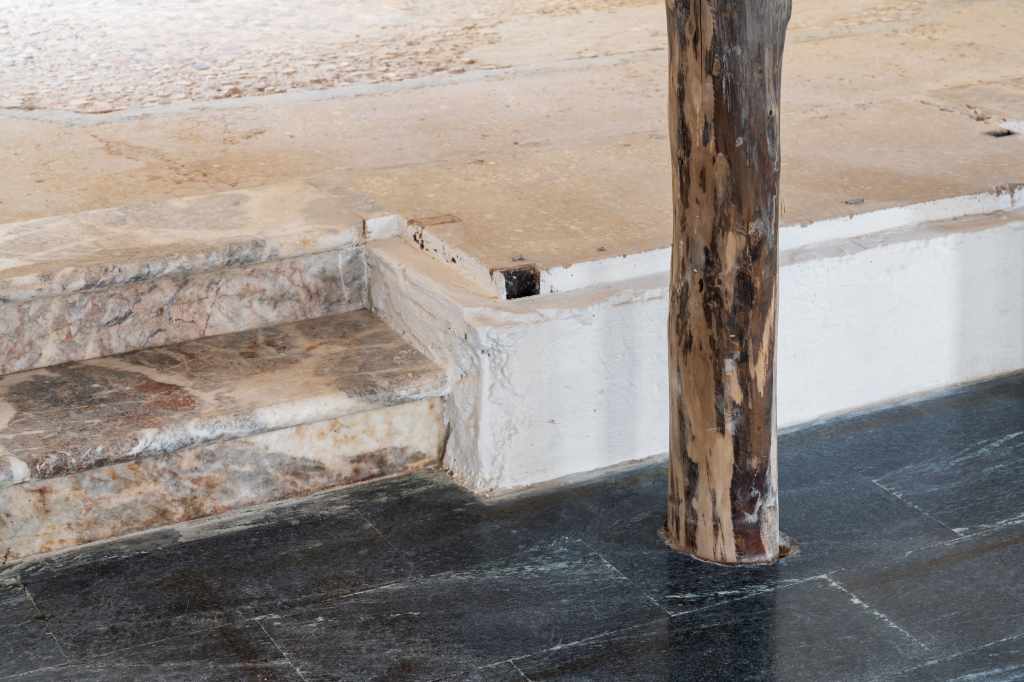
Lydia Ourahmane, (45.3820696, 12.3294242), 2026. Detail. Courtesy of the artist and the Nicoletta Fiorucci Foundation. Photo Marco Cappelletti, Marco Cappelletti Studio 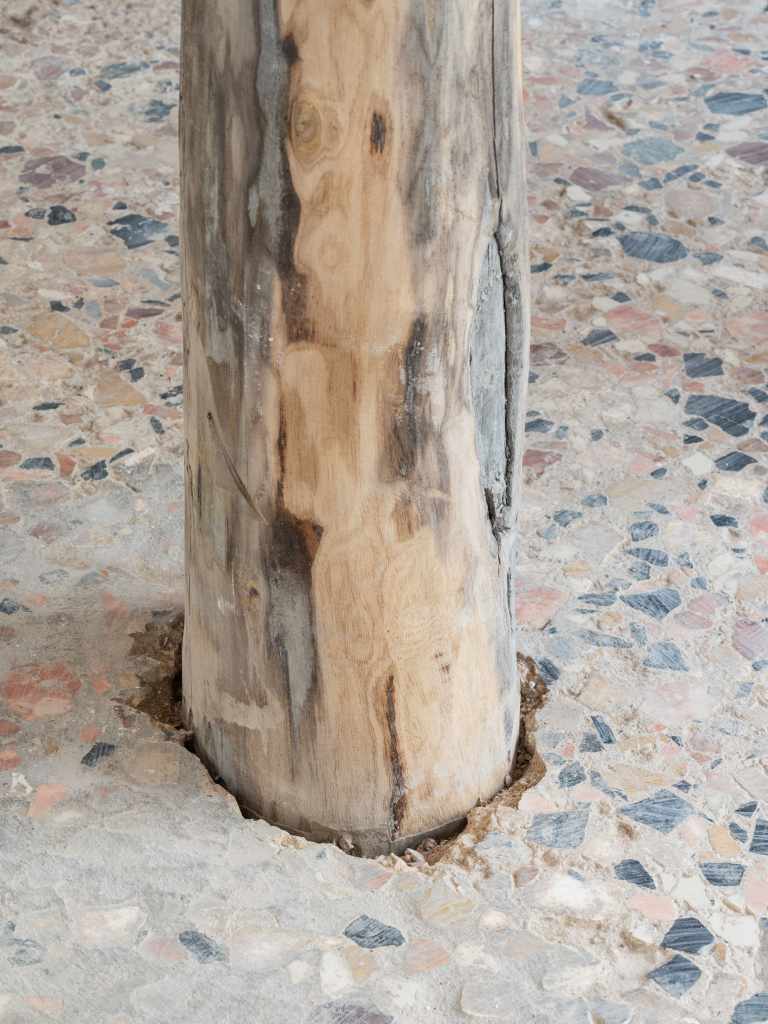
Lydia Ourahmane, (45.3820696, 12.3294242), 2026. Detail. Courtesy of the artist and the Nicoletta Fiorucci Foundation. Photo Marco Cappelletti, Marco Cappelletti Studio 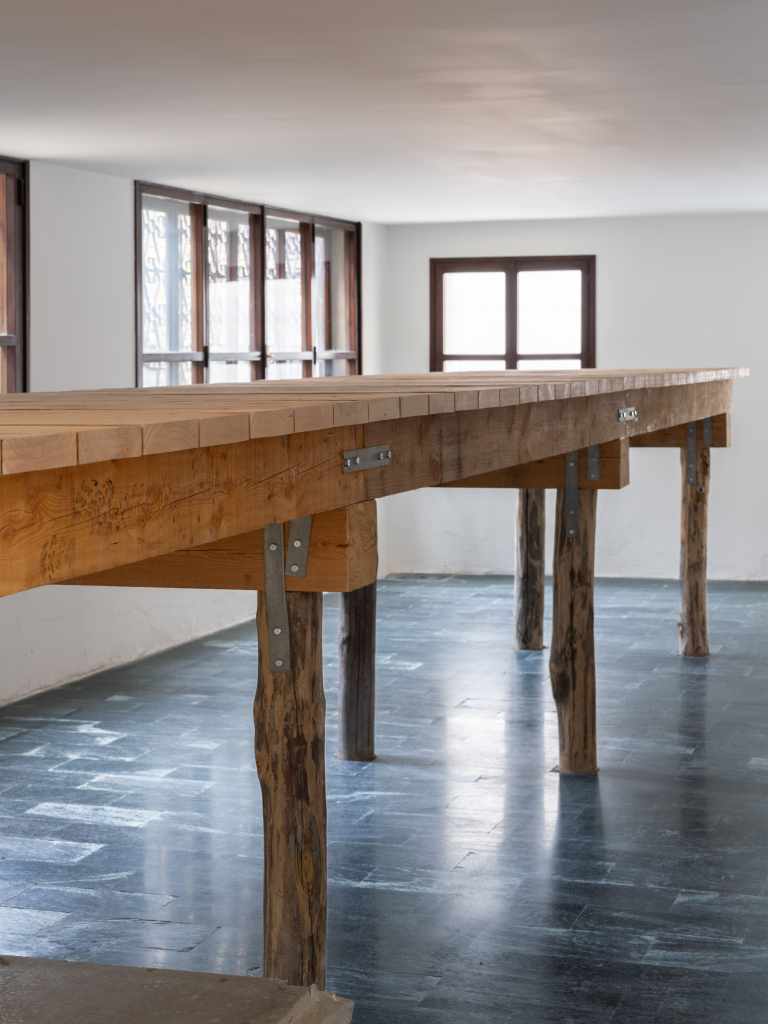
Lydia Ourahmane, (45.3820696, 12.3294242), 2026. Detail. Courtesy of the artist and the Nicoletta Fiorucci Foundation. Photo Marco Cappelletti, Marco Cappelletti Studio 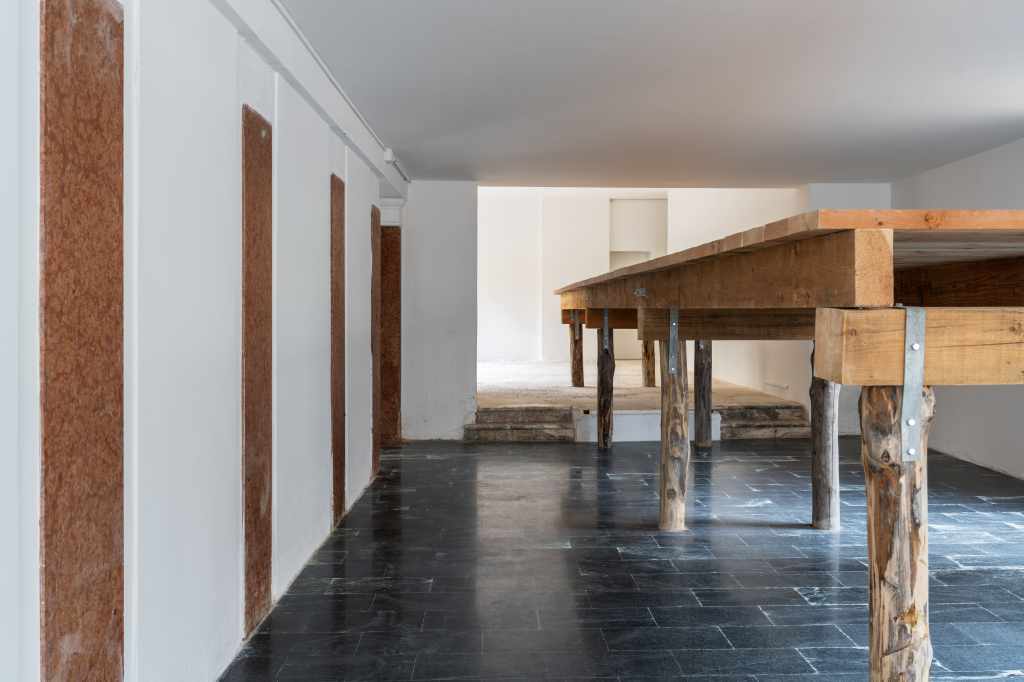
Lydia Ourahmane, (45.3820696, 12.3294242), 2026. Detail. Courtesy of the artist and the Nicoletta Fiorucci Foundation. Photo Marco Cappelletti, Marco Cappelletti Studio 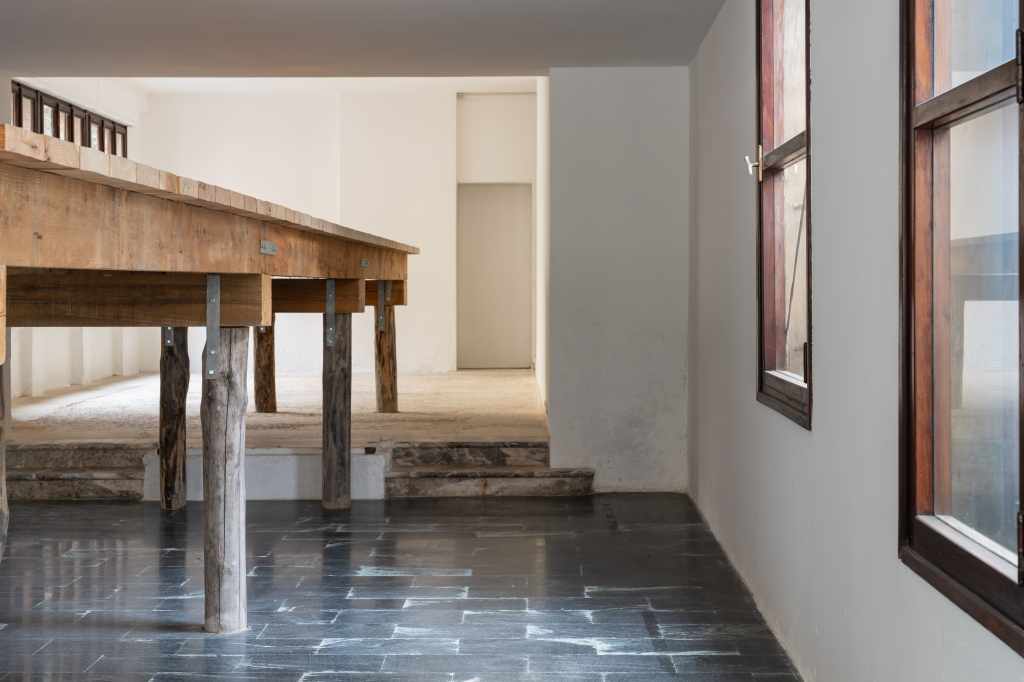
Lydia Ourahmane, (45.3820696, 12.3294242), 2026. Detail. Courtesy of the artist and the Nicoletta Fiorucci Foundation. Photo Marco Cappelletti, Marco Cappelletti Studio Lydia Ourahmane, 1.3 tons of decommissioned bed linen from 200 Venetian hotels, 2026. Detail. Courtesy of the artist and the Nicoletta Fiorucci Foundation. Photo Marco Cappelletti, Marco Cappelletti Studio 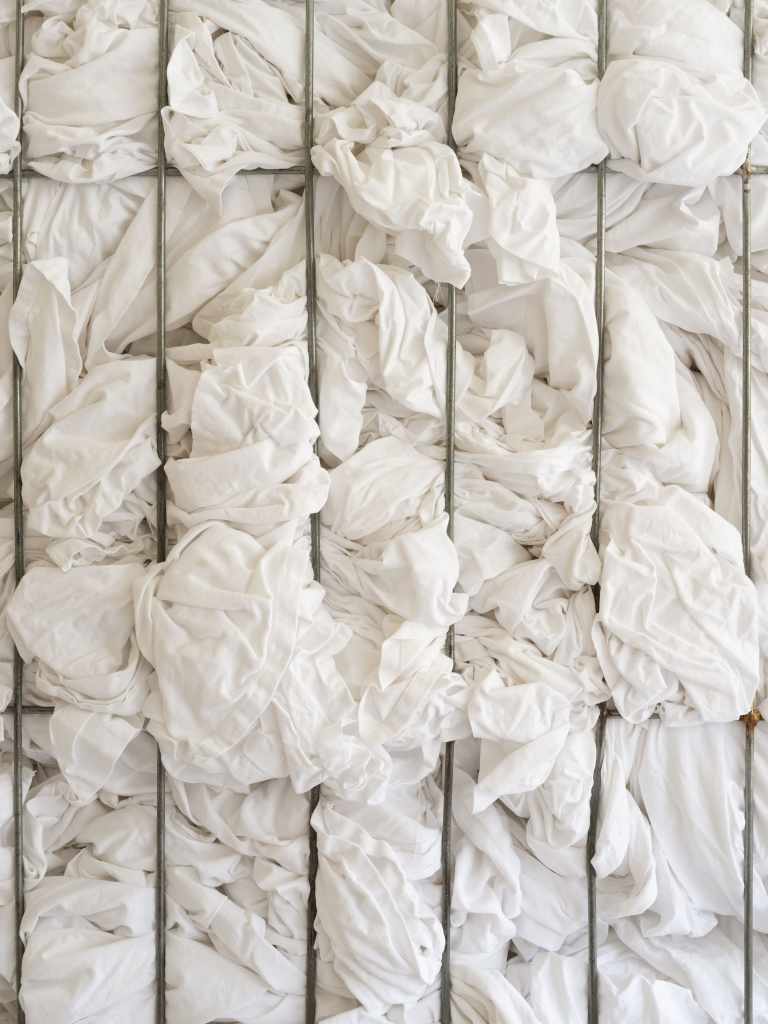
Lydia Ourahmane, 1.3 tons of decommissioned bed linen from 200 Venetian hotels, 2026. Detail. Courtesy of the artist and the Nicoletta Fiorucci Foundation. Photo Marco Cappelletti, Marco Cappelletti Studio 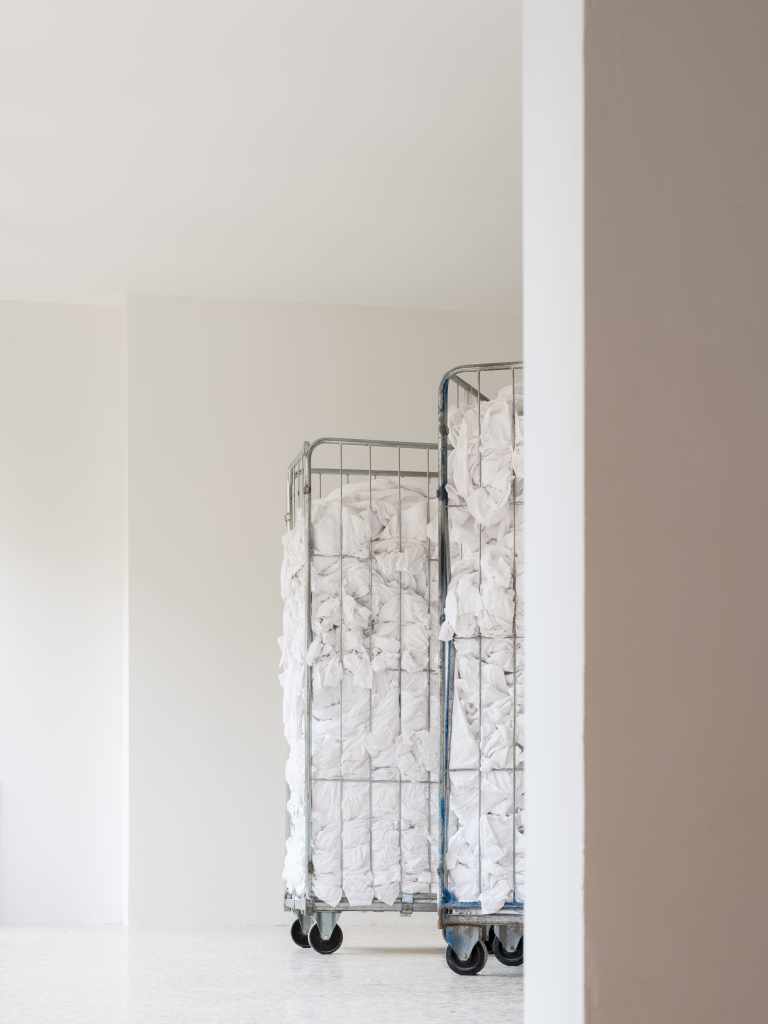
Lydia Ourahmane, 1.3 tons of decommissioned bed linen from 200 Venetian hotels, 2026. Detail. Courtesy of the artist and the Nicoletta Fiorucci Foundation. Photo Marco Cappelletti, Marco Cappelletti Studio 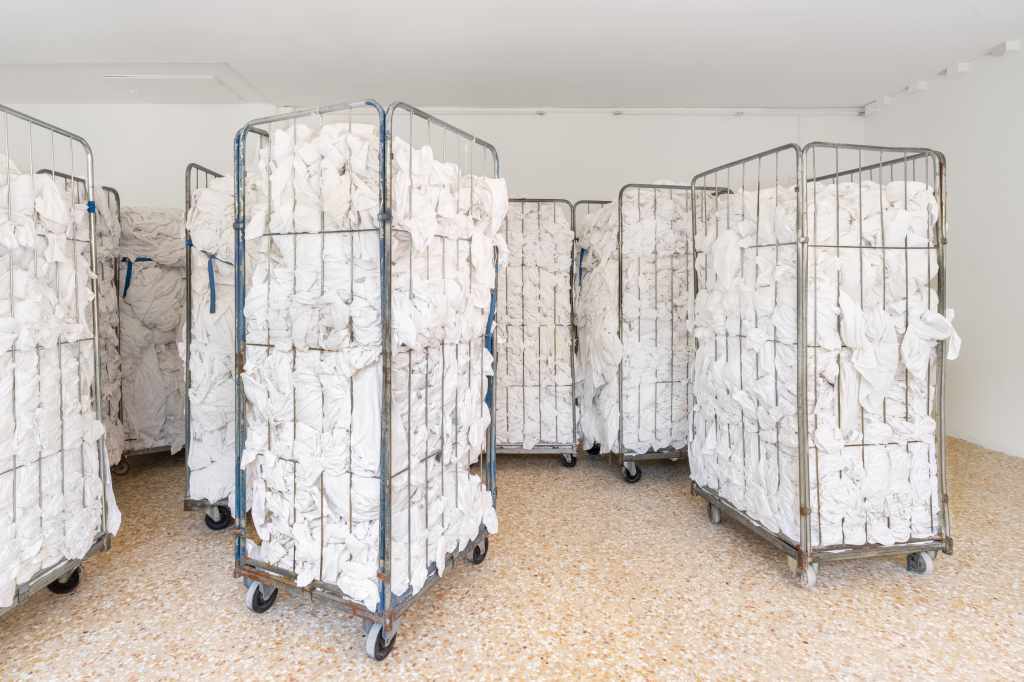
Lydia Ourahmane, 1.3 tons of decommissioned bed linen from 200 Venetian hotels, 2026. Detail. Courtesy of the artist and the Nicoletta Fiorucci Foundation. Photo Marco Cappelletti, Marco Cappelletti Studio 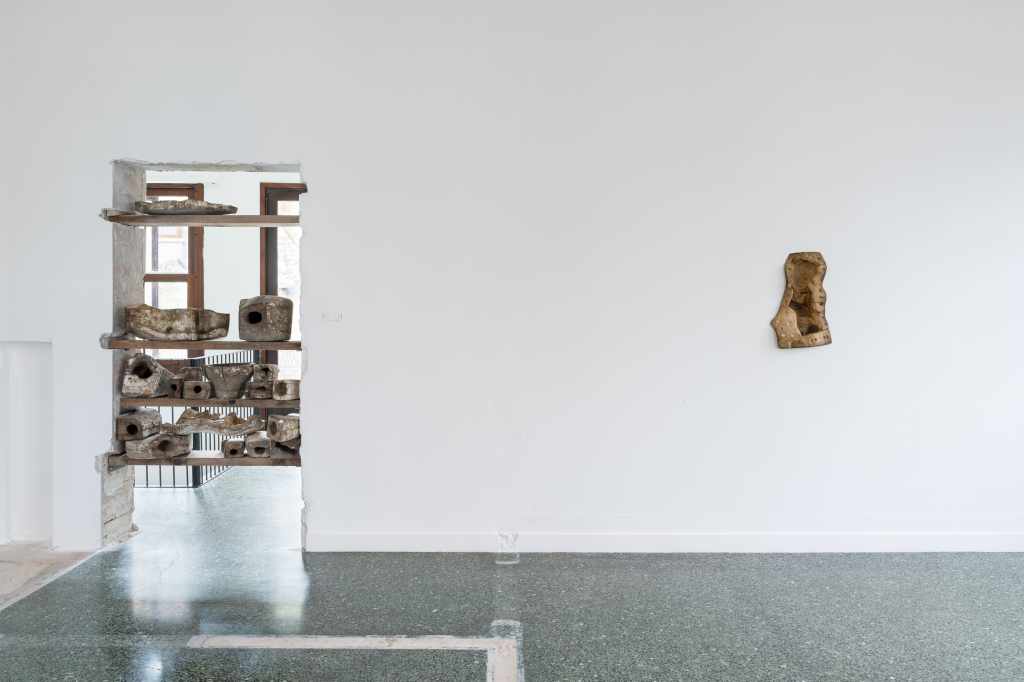
Lydia Ourahmane, 5 Works, Nicoletta Fiorucci Foundation, Venice, 2026. Installation view. Courtesy of the artist and the Nicoletta Fiorucci Foundation. Photo Marco Cappelletti, Marco Cappelletti Studio 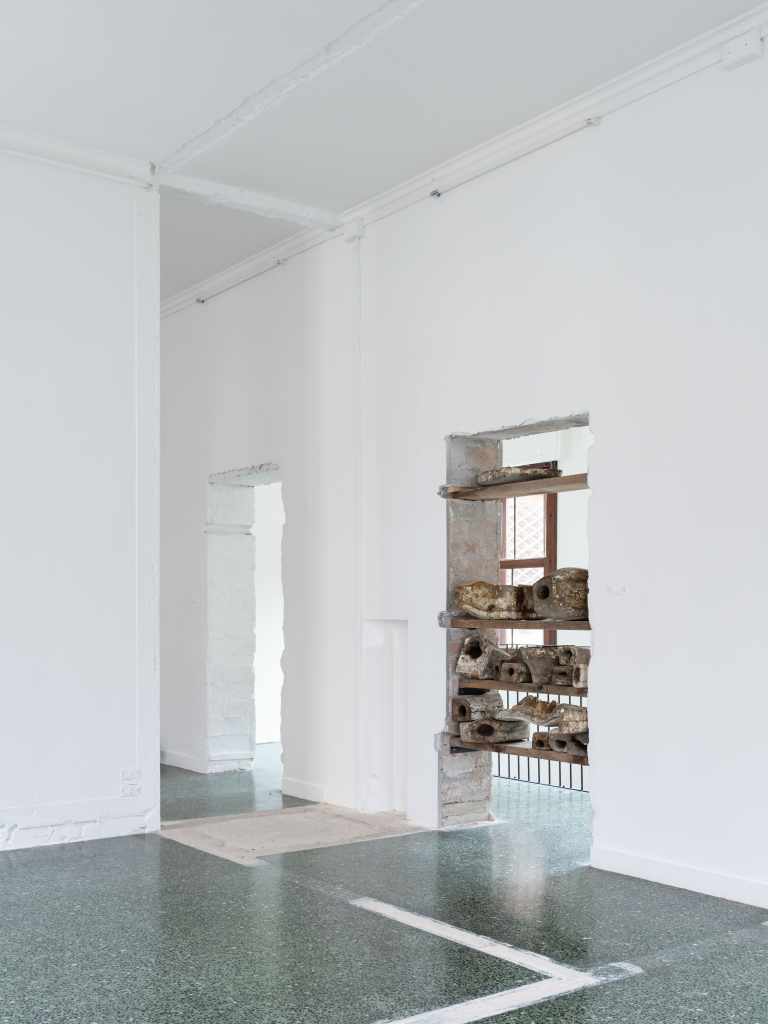
Lydia Ourahmane, 5 Works, Nicoletta Fiorucci Foundation, Venice, 2026. Installation view. Courtesy of the artist and the Nicoletta Fiorucci Foundation. Photo Marco Cappelletti, Marco Cappelletti Studio 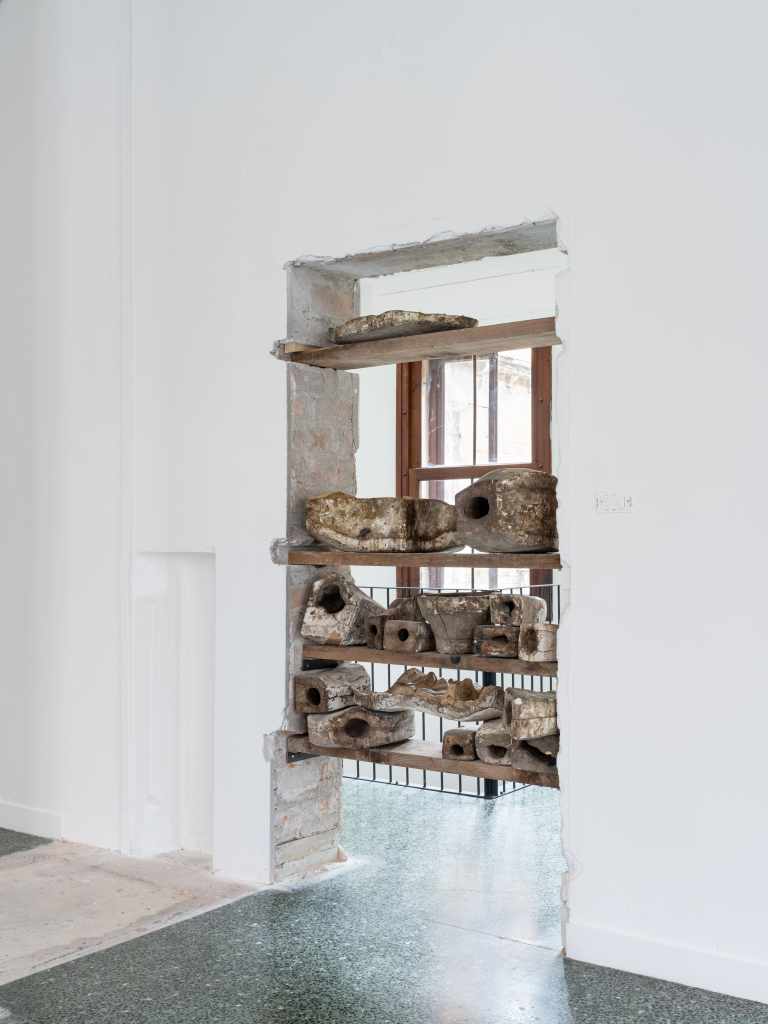
Lydia Ourahmane, 5 Works, Nicoletta Fiorucci Foundation, Venice, 2026. Installation view. Courtesy of the artist and the Nicoletta Fiorucci Foundation. Photo Marco Cappelletti, Marco Cappelletti Studio 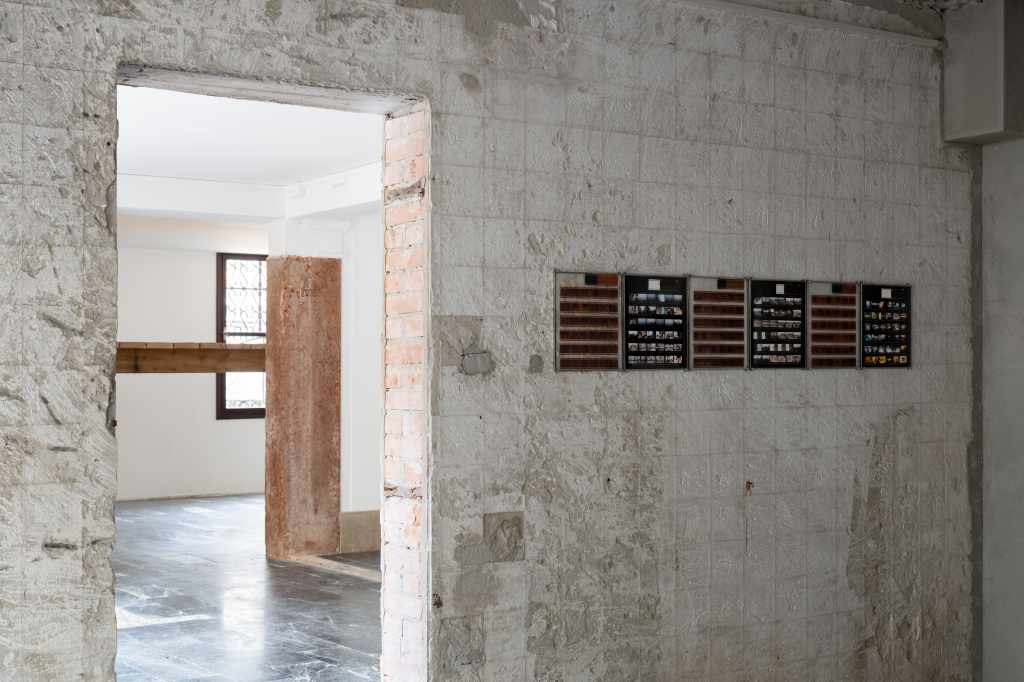
Lydia Ourahmane, 5 Works, Nicoletta Fiorucci Foundation, Venice, 2026. Installation view. Courtesy of the artist and the Nicoletta Fiorucci Foundation. Photo Marco Cappelletti, Marco Cappelletti Studio 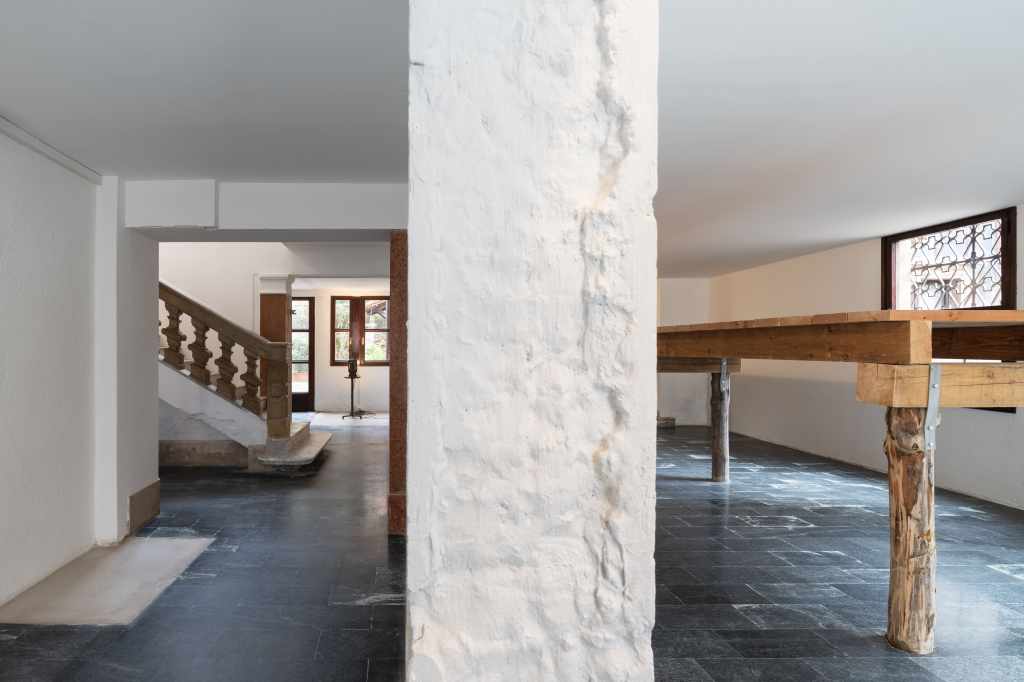
Lydia Ourahmane, 5 Works, Nicoletta Fiorucci Foundation, Venice, 2026. Installation view. Courtesy of the artist and the Nicoletta Fiorucci Foundation. Photo Marco Cappelletti, Marco Cappelletti Studio 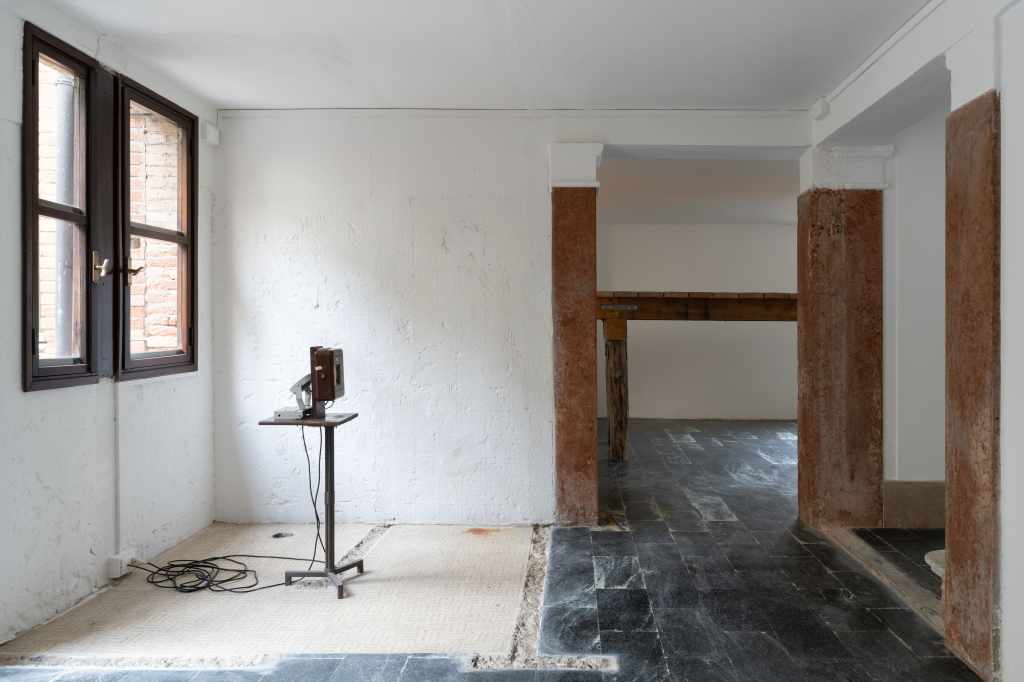
Lydia Ourahmane, 5 Works, Nicoletta Fiorucci Foundation, Venice, 2026. Installation view. Courtesy of the artist and the Nicoletta Fiorucci Foundation. Photo Marco Cappelletti, Marco Cappelletti Studio 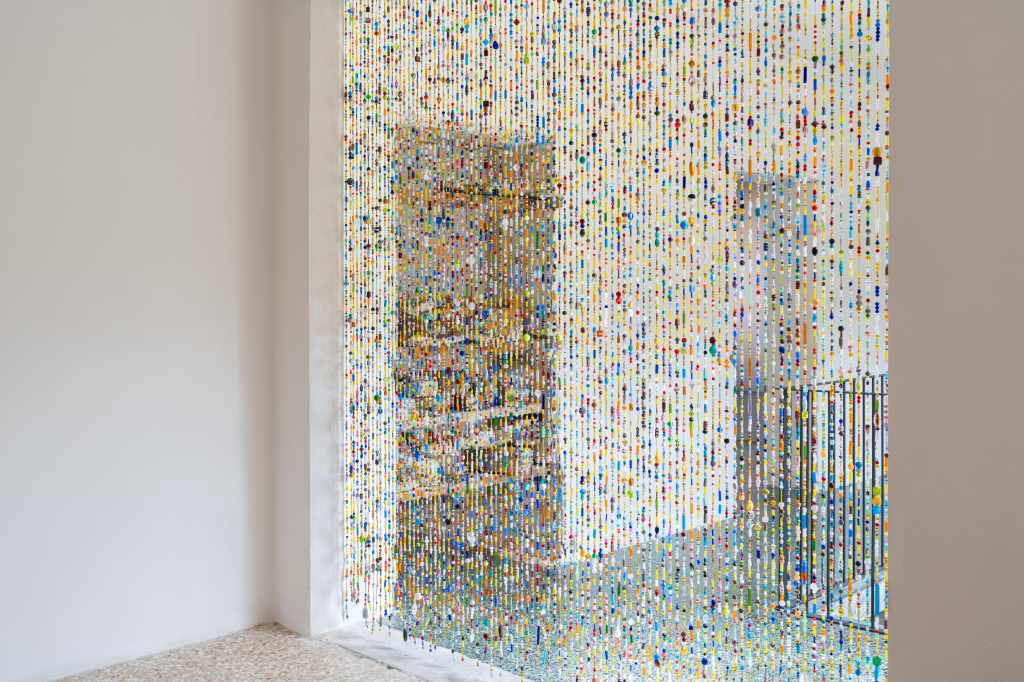
Lydia Ourahmane, 5 Works, Nicoletta Fiorucci Foundation, Venice, 2026. Installation view. Courtesy of the artist and the Nicoletta Fiorucci Foundation. Photo Marco Cappelletti, Marco Cappelletti Studio 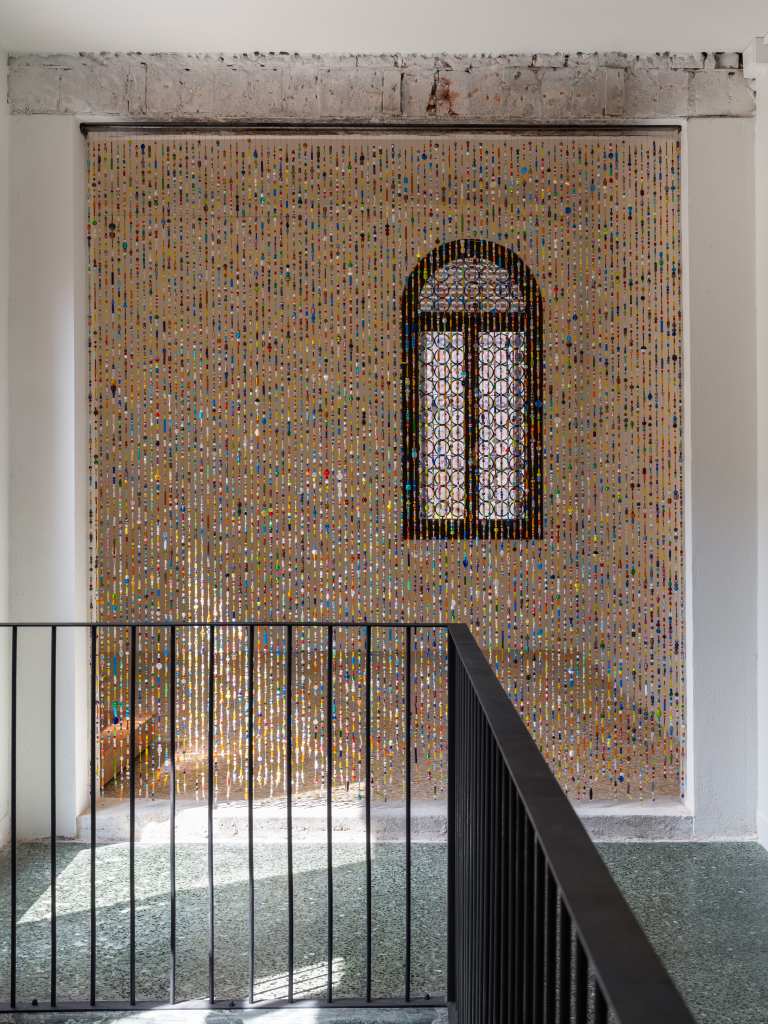
Lydia Ourahmane, 5 Works, Nicoletta Fiorucci Foundation, Venice, 2026. Installation view. Courtesy of the artist and the Nicoletta Fiorucci Foundation. Photo Marco Cappelletti, Marco Cappelletti Studio 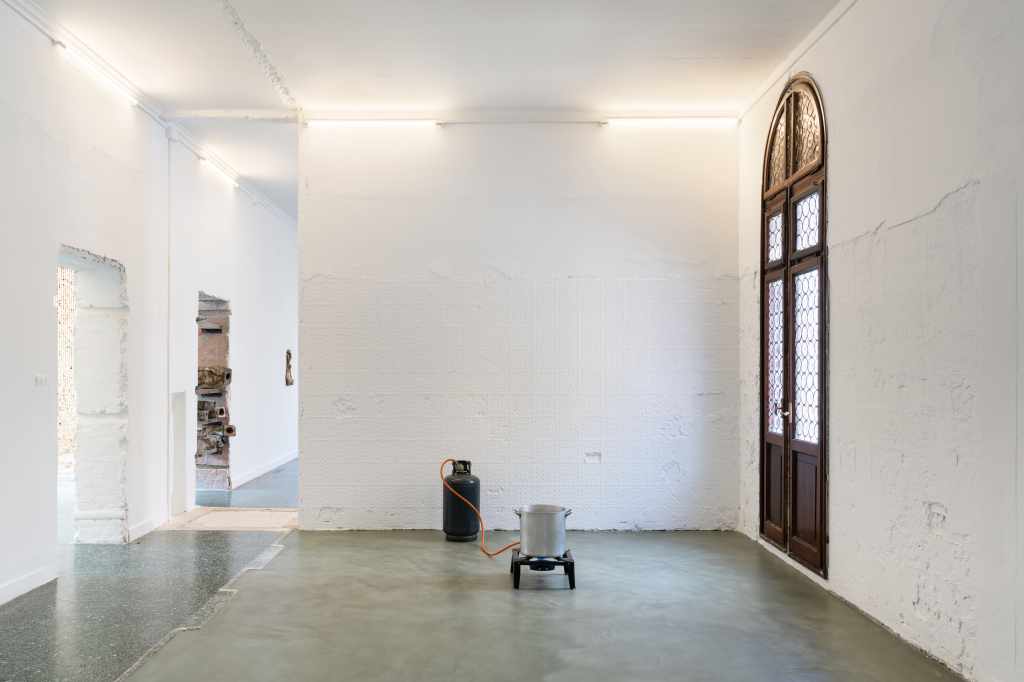
Lydia Ourahmane, 5 Works, Nicoletta Fiorucci Foundation, Venice, 2026. Installation view. Courtesy of the artist and the Nicoletta Fiorucci Foundation. Photo Marco Cappelletti, Marco Cappelletti Studio 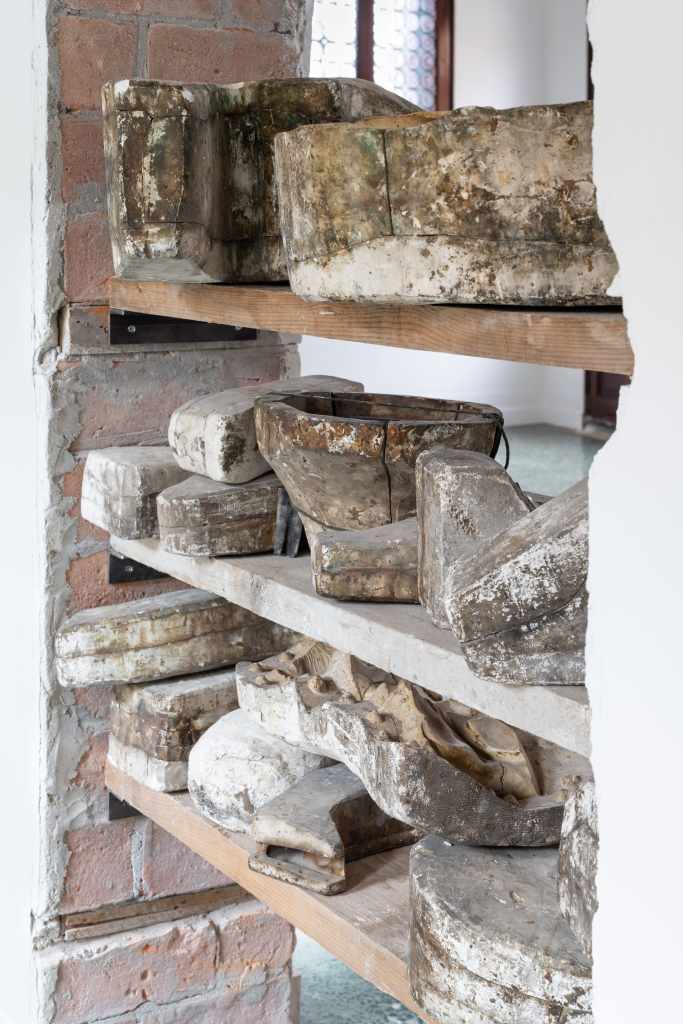
Lydia Ourahmane, 5 Works, Nicoletta Fiorucci Foundation, Venice, 2026. Installation view. Courtesy of the artist and the Nicoletta Fiorucci Foundation. Photo Marco Cappelletti, Marco Cappelletti Studio 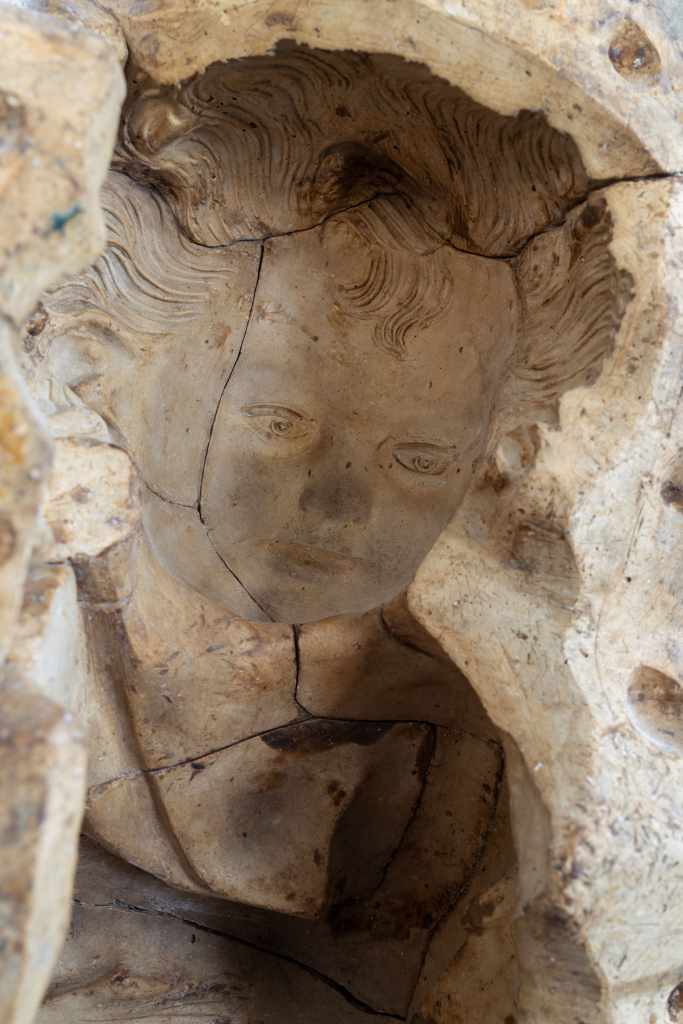
Lydia Ourahmane, Angel, 2026. Detail. Courtesy of the artist and the Nicoletta Fiorucci Foundation. Photo Marco Cappelletti, Marco Cappelletti Studio 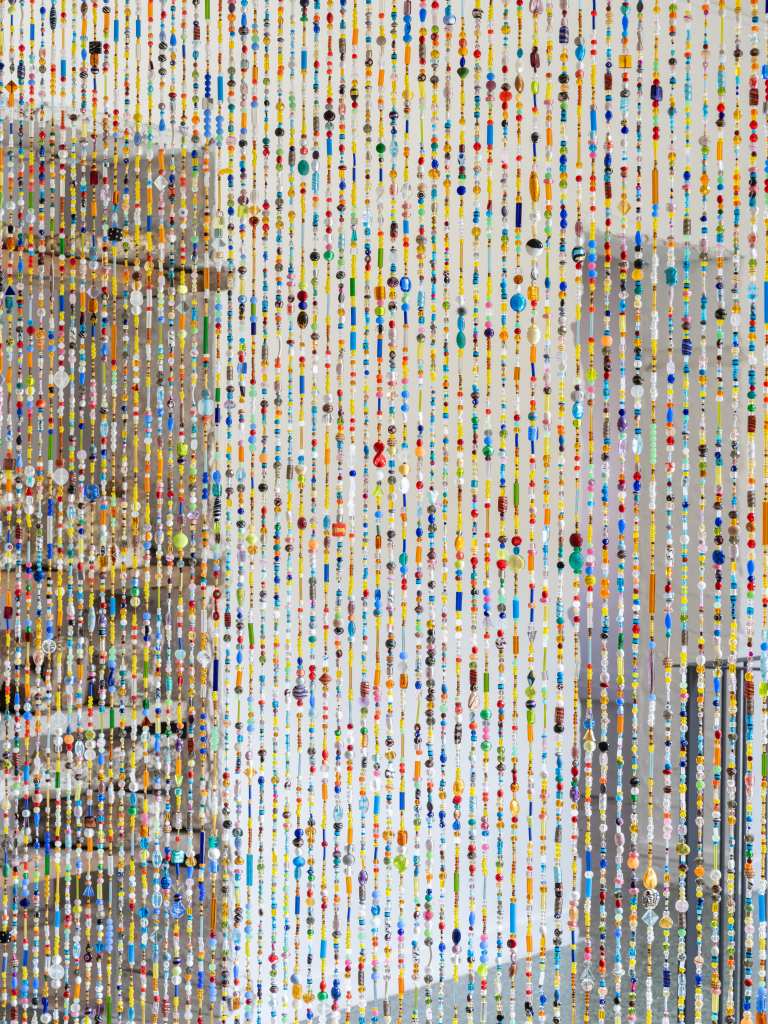
Lydia Ourahmane, Manuela, Margherita, Mariana, Monia, Patrizia, 2026. Detail. Courtesy of the artist and the Nicoletta Fiorucci Foundation. Photo Marco Cappelletti, Marco Cappelletti Studio 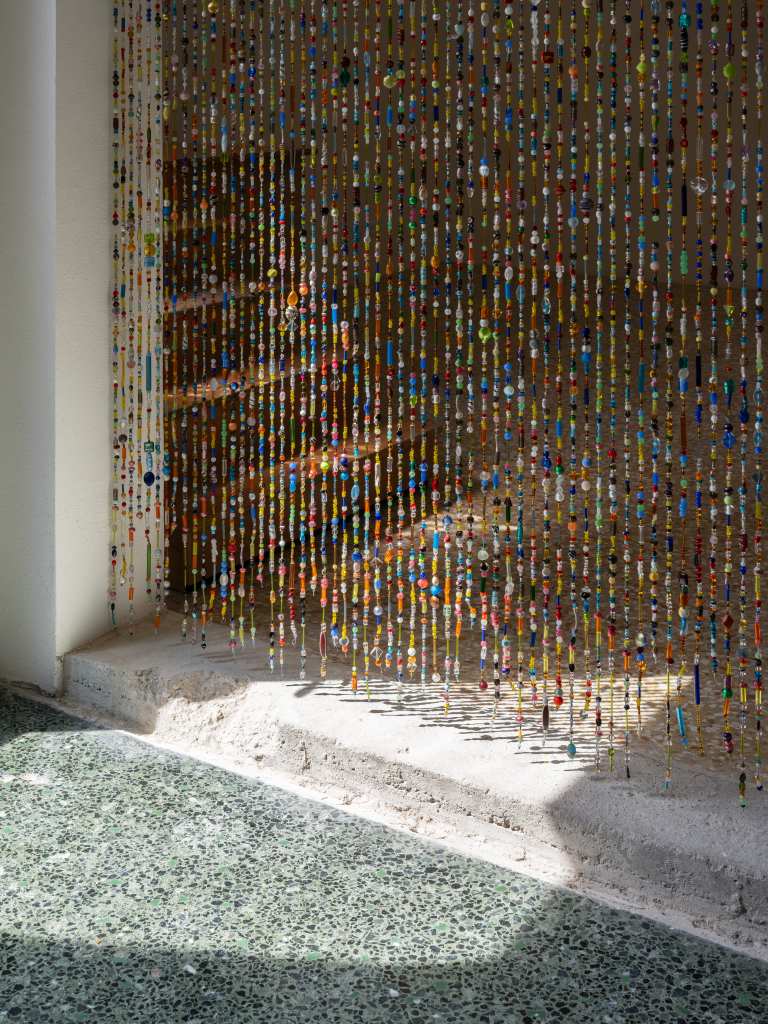
Lydia Ourahmane, Manuela, Margherita, Mariana, Monia, Patrizia, 2026. Detail. Courtesy of the artist and the Nicoletta Fiorucci Foundation. Photo Marco Cappelletti, Marco Cappelletti Studio 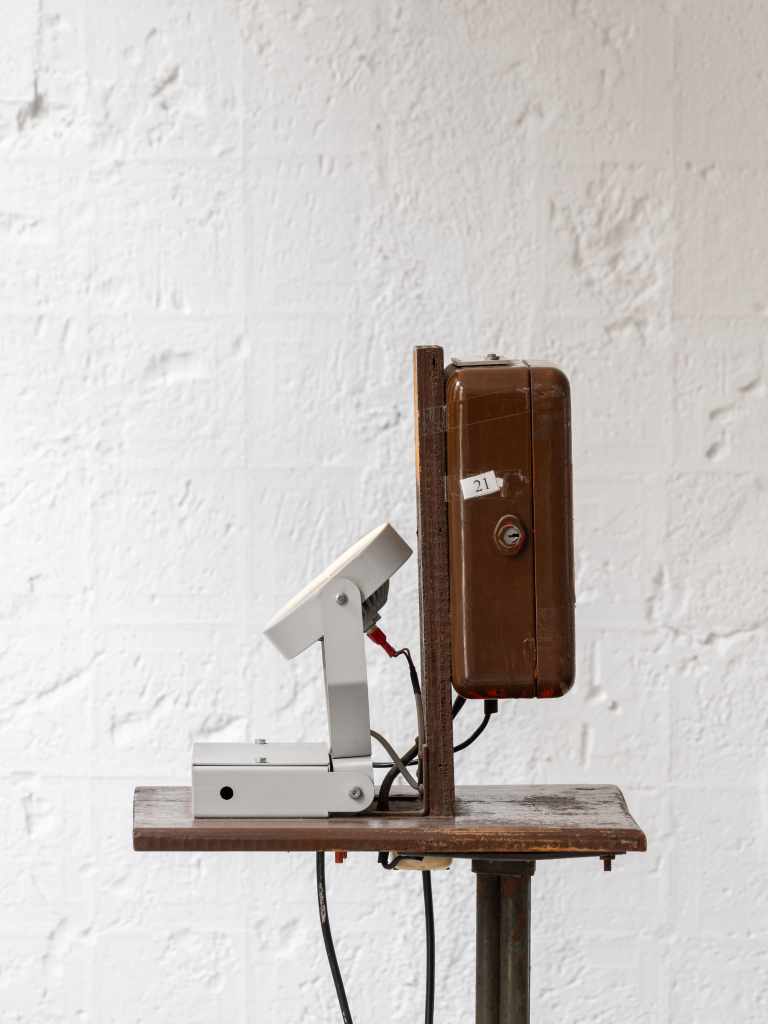
Lydia Ourahmane, Offerta Luce €1, 2026. Detail. Courtesy of the artist and the Nicoletta Fiorucci Foundation. Photo Marco Cappelletti, Marco Cappelletti Studio Lydia Ourahmane, Offerta Luce €1, 2026. Detail. Courtesy of the artist and the Nicoletta Fiorucci Foundation. Photo Marco Cappelletti, Marco Cappelletti Studio 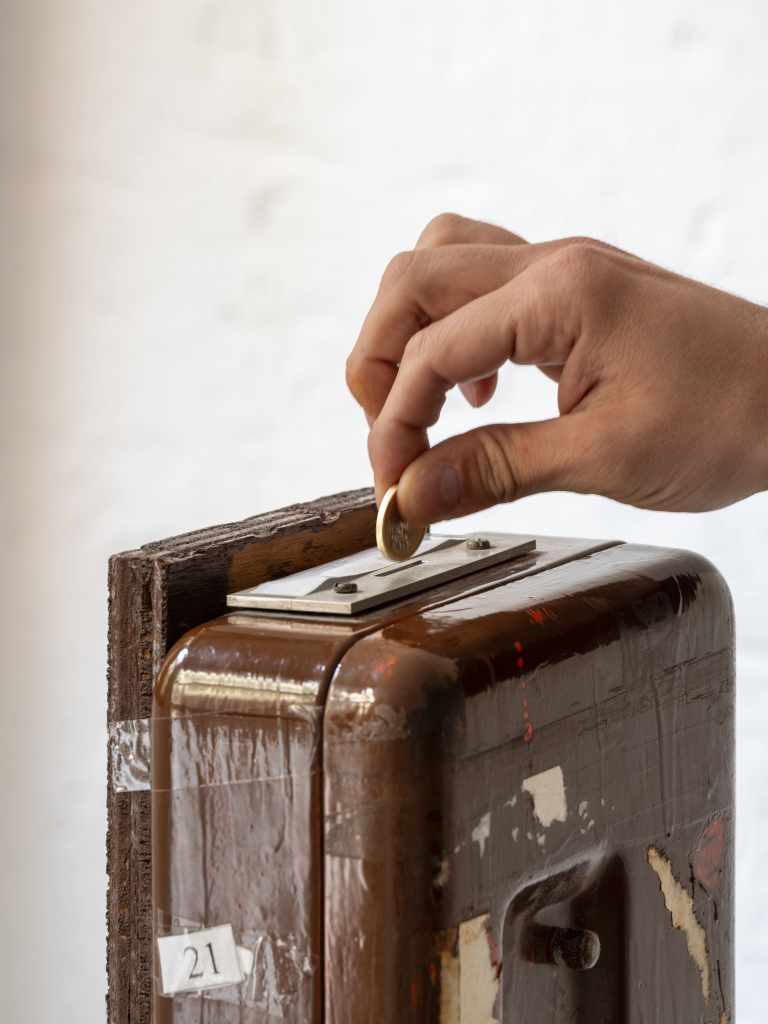
Lydia Ourahmane, Offerta Luce €1, 2026. Detail. Courtesy of the artist and the Nicoletta Fiorucci Foundation. Photo Marco Cappelletti, Marco Cappelletti Studio 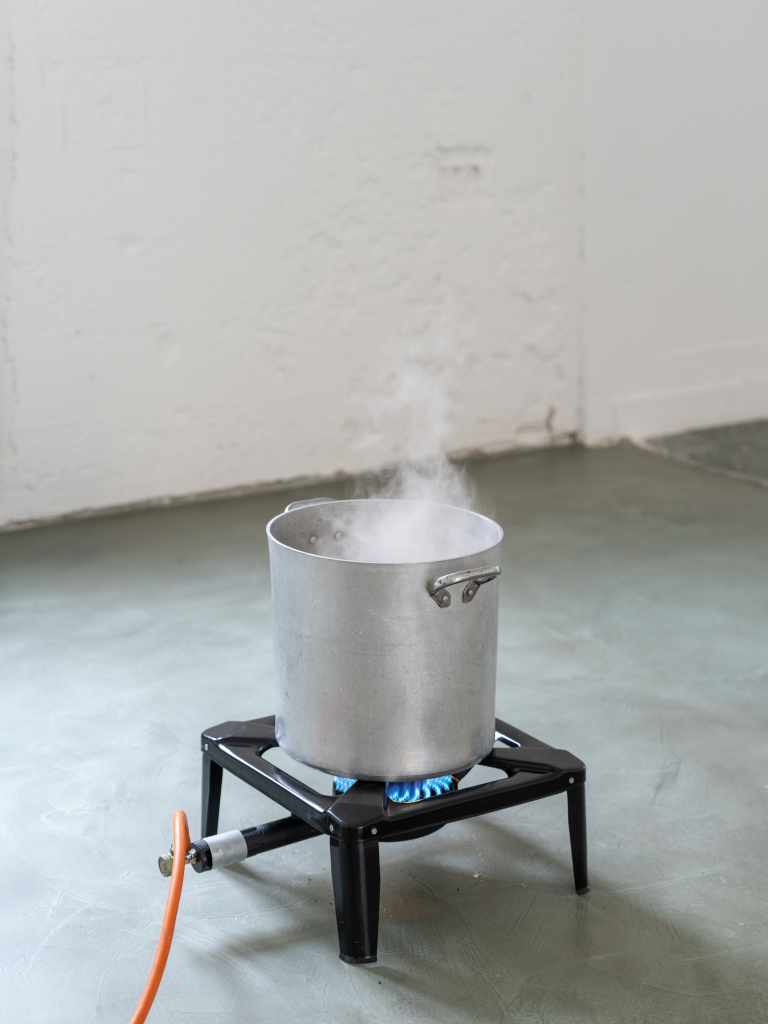
Lydia Ourahmane, Rock Soup, 2026. Detail. Courtesy of the artist and the Nicoletta Fiorucci Foundation. Photo Marco Cappelletti, Marco Cappelletti Studio 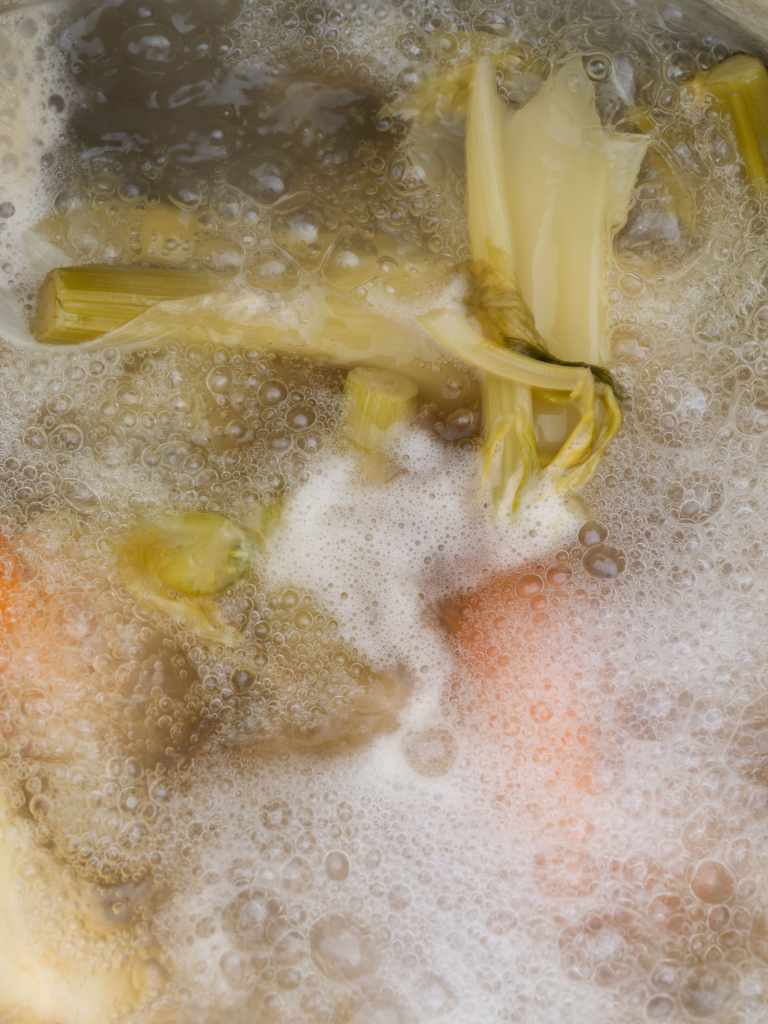
Lydia Ourahmane, Rock Soup, 2026. Detail. Courtesy of the artist and the Nicoletta Fiorucci Foundation. Photo Marco Cappelletti, Marco Cappelletti Studio 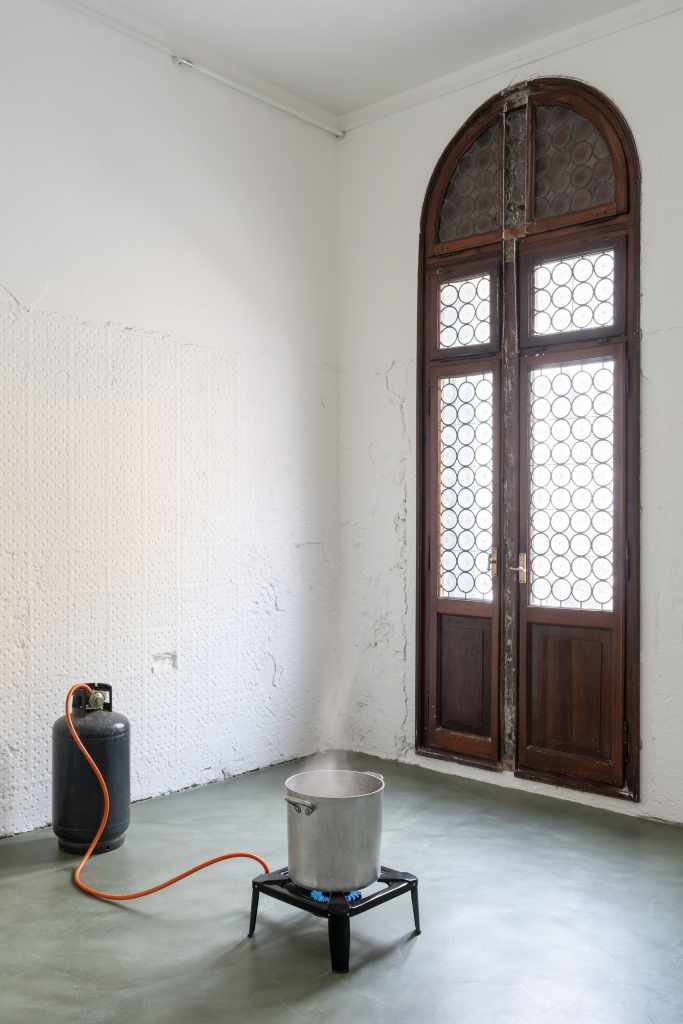
Lydia Ourahmane, Rock Soup, 2026. Detail. Courtesy of the artist and the Nicoletta Fiorucci Foundation. Photo Marco Cappelletti, Marco Cappelletti Studio 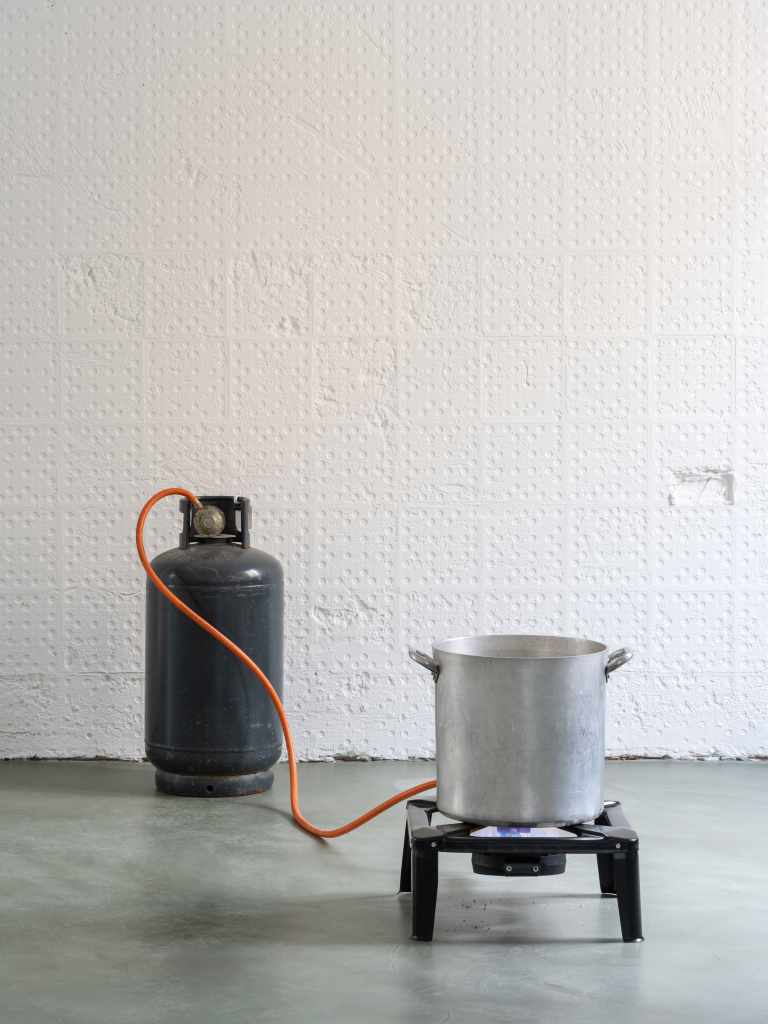
Lydia Ourahmane, Rock Soup, 2026. Detail. Courtesy of the artist and the Nicoletta Fiorucci Foundation. Photo Marco Cappelletti, Marco Cappelletti Studio
 c plus c