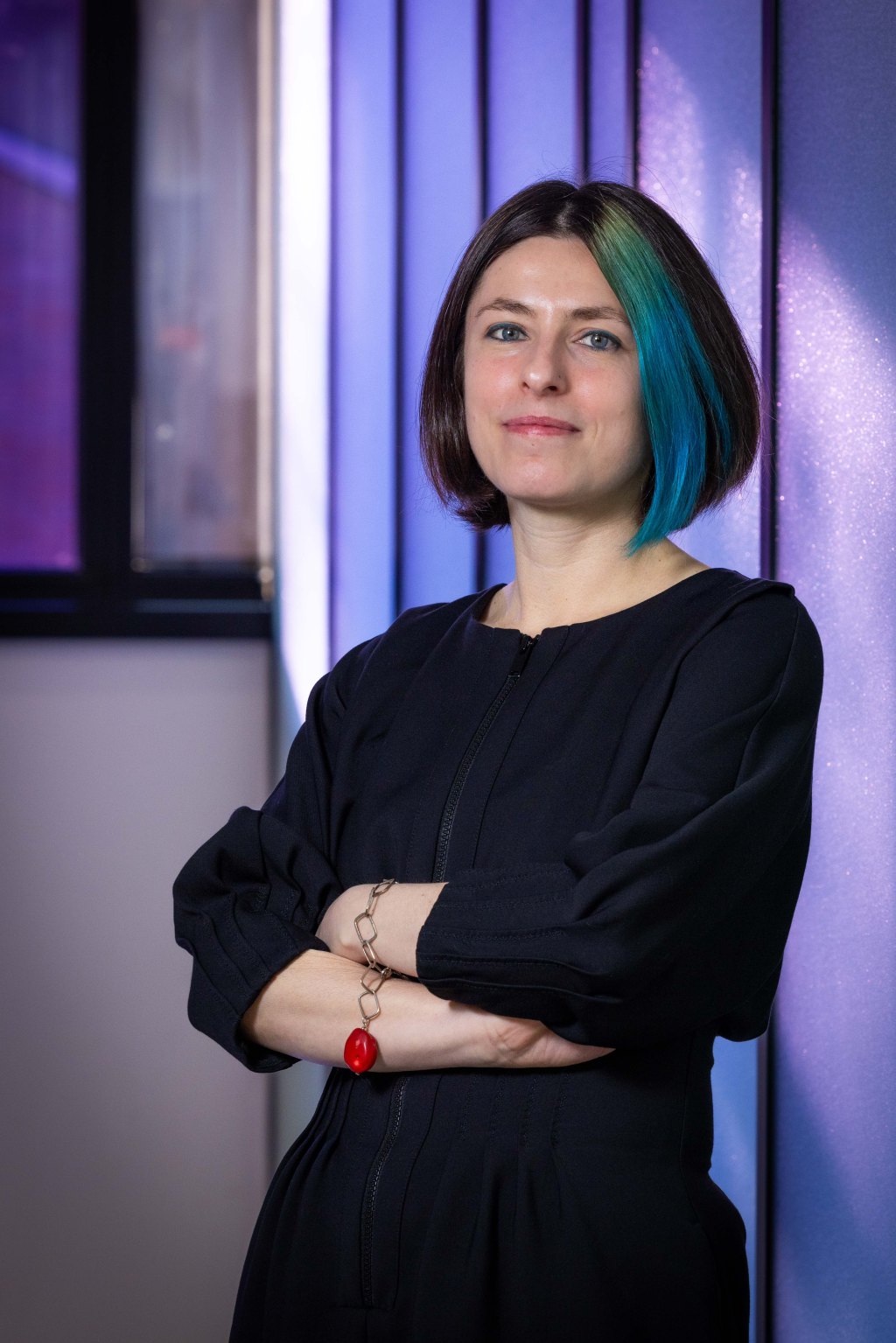
Sara Piccinini, director of Collezione Maramotti, whose history is closely intertwined with that of the Max Mara fashion house, reflects on curatorial practice as a process of growth grounded in a participatory, shared and collective creative vision.
After nearly twenty years at Collezione Maramotti in Reggio Emilia, director Sara Piccinini discusses her curatorial vision: collective, distributed and participatory. Beginning with the Rehang project and moving to the Max Mara Art Prize for Women, Piccinini traces the history of the Collection while also looking ahead to upcoming projects and collaborations. In today’s climate of “turbo-uncertainty,” she hopes for a future filled with “unprecedented worlds” and encourages emerging curators to look beyond the “highly volatile surface of digital life.”
It has been almost five years since you were appointed director of Collezione Maramotti, after having already held a variety of roles and responsibilities within the institution. Considering your background in communication studies, semiotics and arts marketing, how have you transformed those formative experiences into your creative vision?
What has helped me cultivate a vision that is consistent with the institution I direct has, above all, been my professional journey within the Collection, which began in 2007. Knowing it thoroughly, with all of its distinctive characteristics, has been ‒ and continues to be ‒ essential. Of course, a background in communication has also proved useful, with a view to sharing our artistic heritage with the public through constantly evolving methods, in keeping with the philosophy that underpins this particular organisation.
Semiotics, in a way, informs how I look at the world ‒ and at art. The “opera aperta”, the layering of meaning, symbols, complex sign systems, recurring motifs, the centrality of context, and close attention to iconography are all concepts and elements that I instinctively apply to those fascinating (visual) texts that works of art represent.
More recently, these references have also surfaced quite directly in my conversations with Alain Urrutia, the artist currently preparing his exhibition at the Collection for this autumn. Alain is almost obsessively concerned with representation, images, memory and Warburgian Pathosformeln: the conditions have emerged for a perfect storm of semantic interconnections.
Since 2019, through the Rehang project, you have periodically and continuously reinstalled the Collection, integrating both new acquisitions and site-specific commissions. What are the defining features and goals of this “work in progress” curatorial approach?
With Rehang, we reinstalled ten of the forty galleries that make up the permanent display, without altering its more historical core, which includes key works of Italian, European and American art from the 1950s through the 1990s. The project stemmed from our desire to make the Collection’s ongoing evolution visible, giving tangible and lasting form to its most recent growth.
We chose to do this by reinstalling ‒ with the artists’ own involvement ‒ ten temporary exhibition projects from the Collection’s first decade of opening to the public. This has been made possible by the fact that, from every temporary exhibition we present, a significant group of works enters the Collection, effectively merging exhibition-making with collecting. As you walk through the Rehang galleries – the final ones on the tour – you can see how the Collection is evolving today: the principles that the second and current generation of the Maramotti family has chosen to follow, building on their father’s collection ‒ a strong commitment to painting as a language and a desire to identify moments of innovation in artistic practice ‒ as well as an openness to new forms of expression and a structured approach to supporting artistic production.
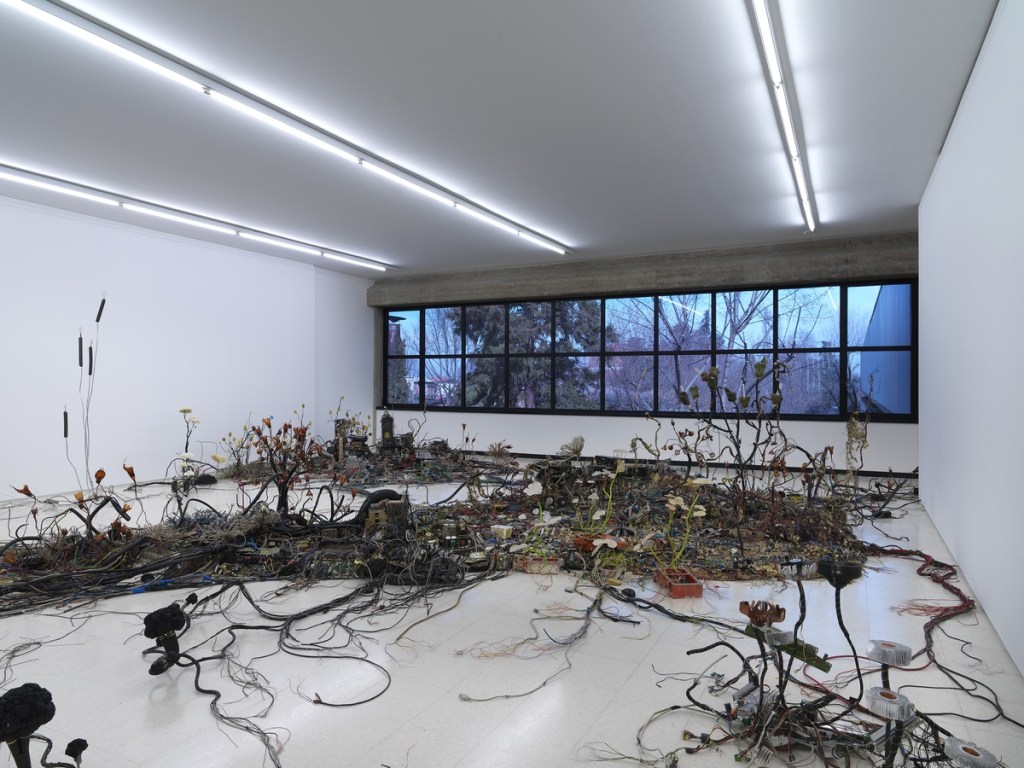
COLLEZIONE MARAMOTTI IN REGGIO EMILIA
Giving prominence to each artist’s individual voice and to the way each engages with space is a key aspect of curatorial practice. How would you define your curatorial approach within the Collection?
One of the distinctive features of the Collection is that it has neither an in-house curatorial department nor external curators entrusted with developing its exhibition projects. Responsibilities that would normally fall to a curator are, in our case, shared among different participants. The balance is deliberately and consciously weighted towards the artists themselves, who remain at the centre of every stage of the process, working alongside the collectors, myself and the entire Collection team.
Indeed, the majority of our exhibition programme consists of inviting emerging and mid-career artists to conceive and produce a new body of work ‒ an ambitious, wide-ranging project designed to mark a significant step forward in their artistic practice.
For this reason, I believe it is essential that artists experience the place first-hand and gain a direct understanding of the Collection, its history, its identity and the context in which it operates. Depending on the project, this exploration may extend beyond the Collection itself to include the city of Reggio Emilia or other places across Italy. We give artists the freedom ‒ which also entails a corresponding sense of responsibility ‒ to reflect not only on the project’s concept but also on how they wish their work to be presented. As these are new and challenging projects, they require an unhurried approach – a valuable asset, all the more so today, which can mean several months or years of work.
More broadly, in relation to what might be described as a collective and shared practice of care, our projects emerge from encounters with artworks and artists, often unplanned, and are sustained by human relationships, exchanges of ideas, shared experiences and anecdotes that, in the end, also find their way into the exhibition in different forms ‒ and frequently continue well beyond its duration.
Collezione Maramotti is housed in a former industrial building connected to the Max Mara brand and its longstanding relationship with art and the territory. How does this corporate heritage influence curatorial and directorial choices?
At the heart of both spheres is the Maramotti family, the same family that began the art collection and founded Max Mara; however, the programming, directorial, and acquisition choices for the Collection are entirely personal and independent of corporate logic. Max Mara has its own autonomous history of collaborations and intersections with the art world dating back to the 1990s, running parallel to the collecting path of Achille Maramotti ‒ and today, of his children. That said, there are certain specific projects for which the Collection collaborates with the company, foremost among them the Max Mara Art Prize for Women, established in 2005 to support and promote the talent of emerging women artists ‒ and in this sense reflecting the values of a brand founded with the aim of contributing to women’s emancipation in the postwar period.
In 2022, the artist Eva Jospin created Microclima, a large site-specific work conceived for the Max Mara flagship store in Milan. The boundary between artistic practice, branding, communication strategy, and cultural marketing is increasingly blurred. As a communicator, curator, and ‒ at the time ‒ newly appointed director, what role did you play in bringing to life a project in which art engages with the public within a commercial space?
This project is part of what I mentioned earlier regarding the points of contact between Max Mara and the art world. When, in 2019, the company decided to make the most of an unused space within the Milan flagship store ‒ the large terrace overlooking Piazza del Liberty ‒ and dedicate it to a permanent artistic intervention, the Collection was asked to coordinate the artist selection process and, together with the technical teams, to support the practical realization of the project. As this was a major and complex project, it was decided to organise a competition, with guidelines drawn up to be shared with three artists invited to take part. All the projects submitted were highly impressive, but it was quite clear straight away that Eva Jospin’s fascinating proposal – the construction of a winter garden enclosing a majestic yet delicate rock landscape made of cardboard – was the most ambitious, stimulating and consistent with the idea of “permanent ephemerality”, of a connection with the outdoors and environmental changeability, which we were keen to highlight. For some time after the presentation of Microclima, mediators were present in the “greenhouse” ‒ students from the Brera Academy who could explain the work ‒ and the entire store staff was also trained in this regard. I consider it a special project: It certainly offers added value for the shop’s customers, but as it is also accessible from outside, it has become a feature that defines and enriches the experience of this public space in a key part of the city.
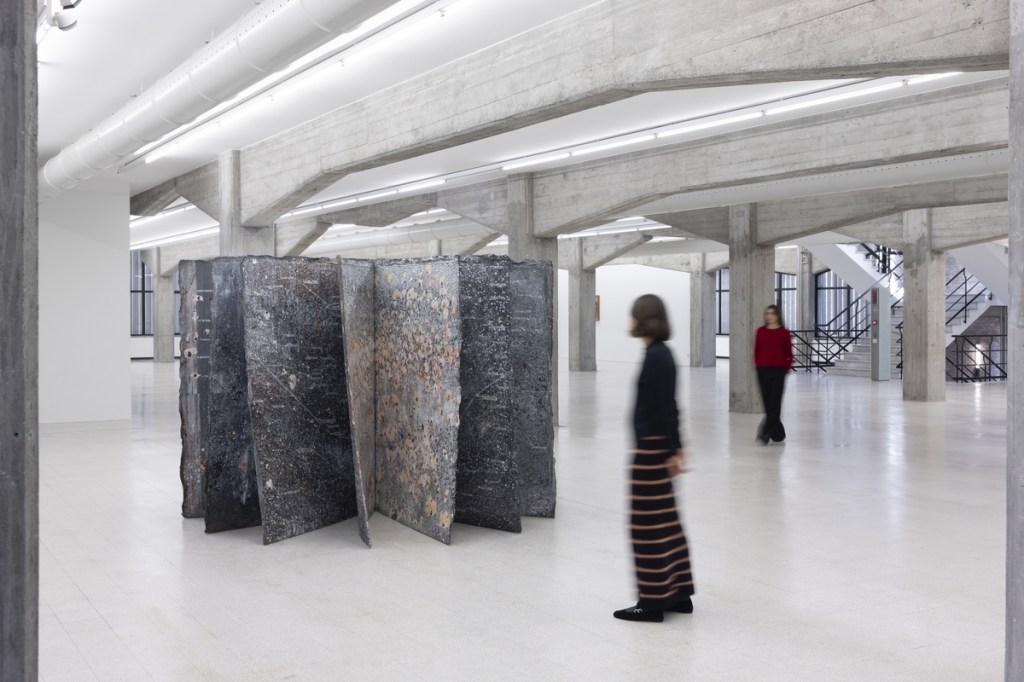
THE MAX MARA ART PRIZE FOR WOMEN
Now in its tenth edition, the Max Mara Art Prize for Women is opening up to new horizons. This year, the spotlight is on Dian Suci and the Museum MACAN in Jakarta, but in future the venues and partners will vary from year to year. What are the reasons behind this decision?
After twenty years of a magnificent collaboration with the Whitechapel Gallery, and a consequent focus on the British art scene, it seemed appropriate to rethink the Prize’s geographical trajectory in order to preserve, in a world that has changed so drastically, the values on which it was originally founded: supporting women artists ‒ and since 2019, artists who identify as female ‒ at a crucial stage in their careers, offering them the opportunity to undertake a long-term residency in Italy, a two-part exhibition, and the time, space and resources to develop and showcase their art. We can say that the Max Mara Art Prize for Women in the UK has, in a sense, fulfilled its mission, serving as a springboard for artists who are now very well established, from Laure Prouvost to Emma Talbot.
Embarking on a nomadic journey, which will see us change country and partner institution with each edition, will enable us to have a greater impact, to broaden perspectives and to build bridges with emerging and vibrant art scenes, where the opportunities offered by the Prize are even more vital.
How will the collaboration with Cecilia Alemani, the newly appointed curator of the Max Mara Art Prize for Women, be structured?
Cecilia Alemani, director and chief curator of High Line Art in New York, is the Prize’s wonderful new curator and the president of the jury ‒ composed entirely of women and renewed for each edition. It is her responsibility to identify and propose the countries and institutions with which to collaborate; to form, coordinate, and preside over the jury; to verify that the nominated artists meet the Prize’s requirements; and, of course, to select the winner. Cecilia will then oversee the progress of the residency and the final exhibition, and is the Prize’s main spokesperson. With her incredible experience and the open-minded, feminine vision she embodied in the Venice Biennale she curated in 2022, she is the perfect person to guide us through this new phase.
You have spent almost twenty years at Collezione Maramotti: you have grown alongside the institution as it itself has grown and continues to grow. How do you imagine your path in the years ahead?
I tend to live in the present, or at most in the near future – a tendency probably fuelled by the turbo-uncertainty in which we live. I see myself continuing in my current role, in a state of constant questioning and with all its margins for evolution. What I would like, in a more extended future, is to look back and be able to glimpse the imprint of something that has settled along the way: a contribution to artistic freedom and the generation of meaning, the trace of imaginative detours, and the outline of unprecedented worlds built on the horizon.
Together with Collezione Maramotti, you have built a thoughtful and enduring curatorial project. What advice would you give to young curators grappling with an era marked by precarity and increasingly rapid rhythms?
I would suggest that they truly commit themselves, find conceptual and emotional anchors they can stand by, and go deep ‒ researching beyond the highly volatile surface of digital life.
Vittoria Colagiovanni
The text has been translated in English using AI
Sara Piccinini. Photo Bruno Cattani Photography 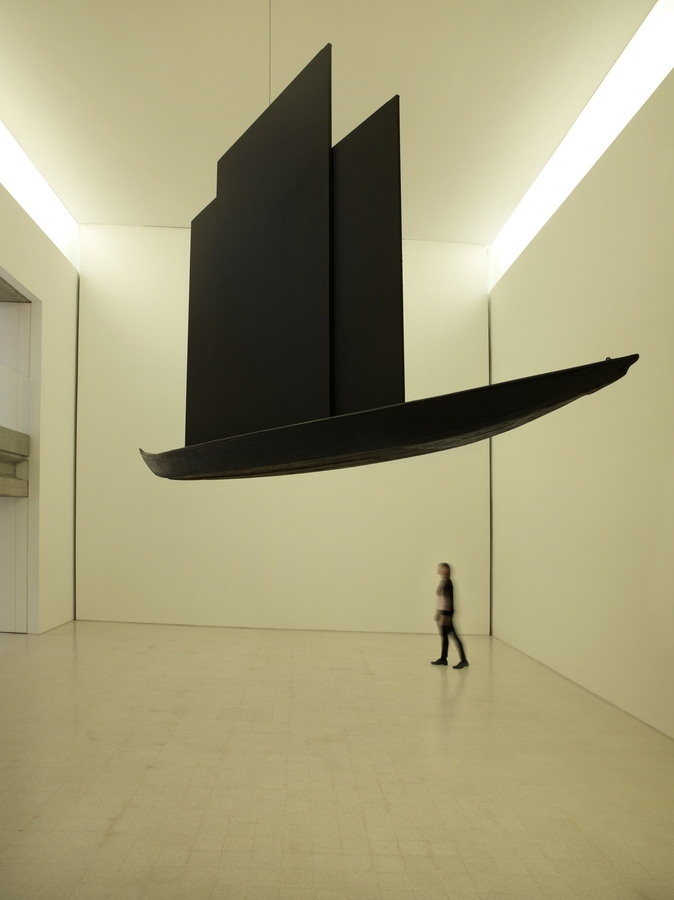
Collezione Maramotti, Exhibition view, artwork by © Claudio Parmiggiani. Photo Dario Lasagni. Courtesy Collezione Maramotti, Reggio Emilia 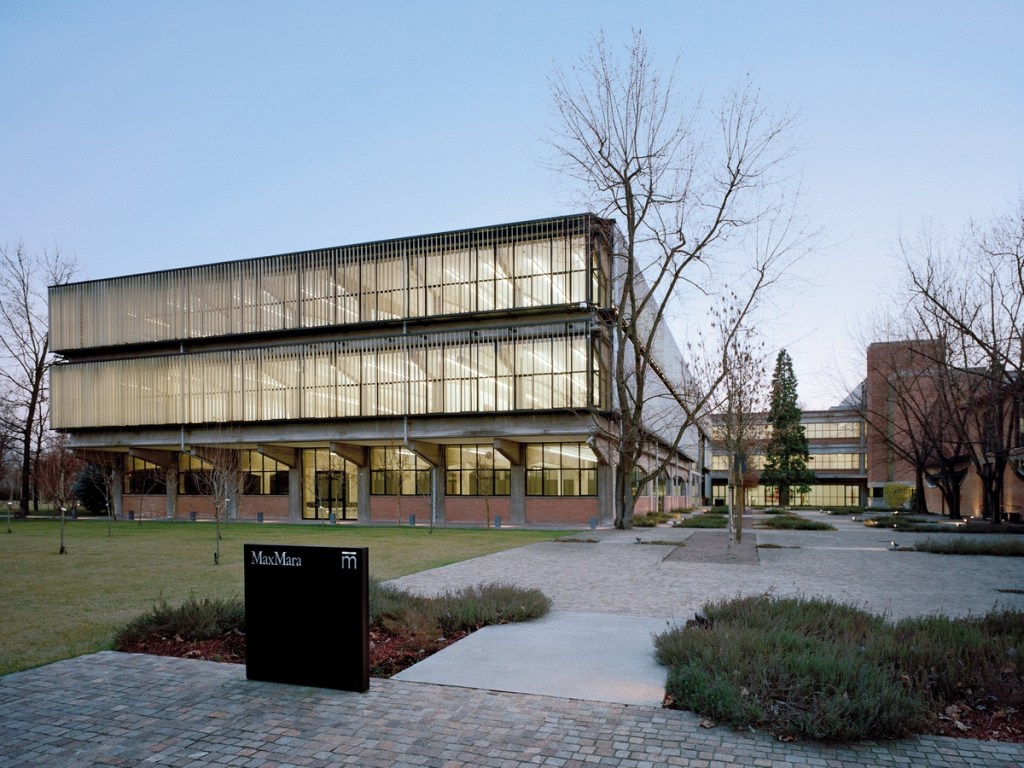
Collezione Maramotti, North entrance. Ph.oto Claudia Marini. Courtesy Collezione Maramotti, Reggio Emilia 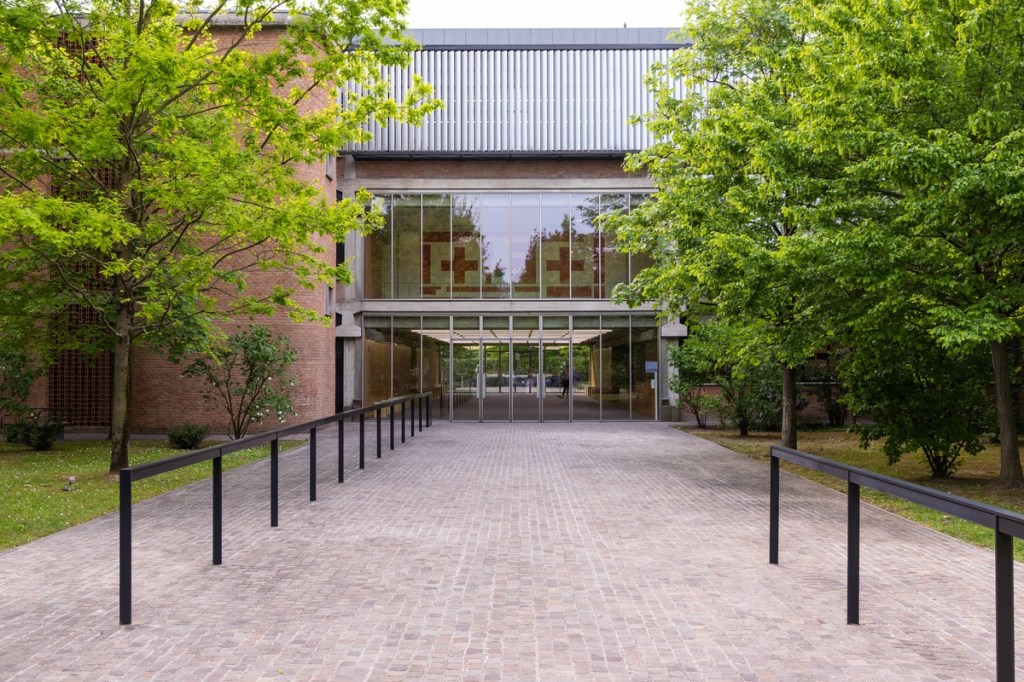
Collezione Maramotti, East entrance. Photo Bruno Cattani. Courtesy Collezione Maramotti, Reggio Emilia 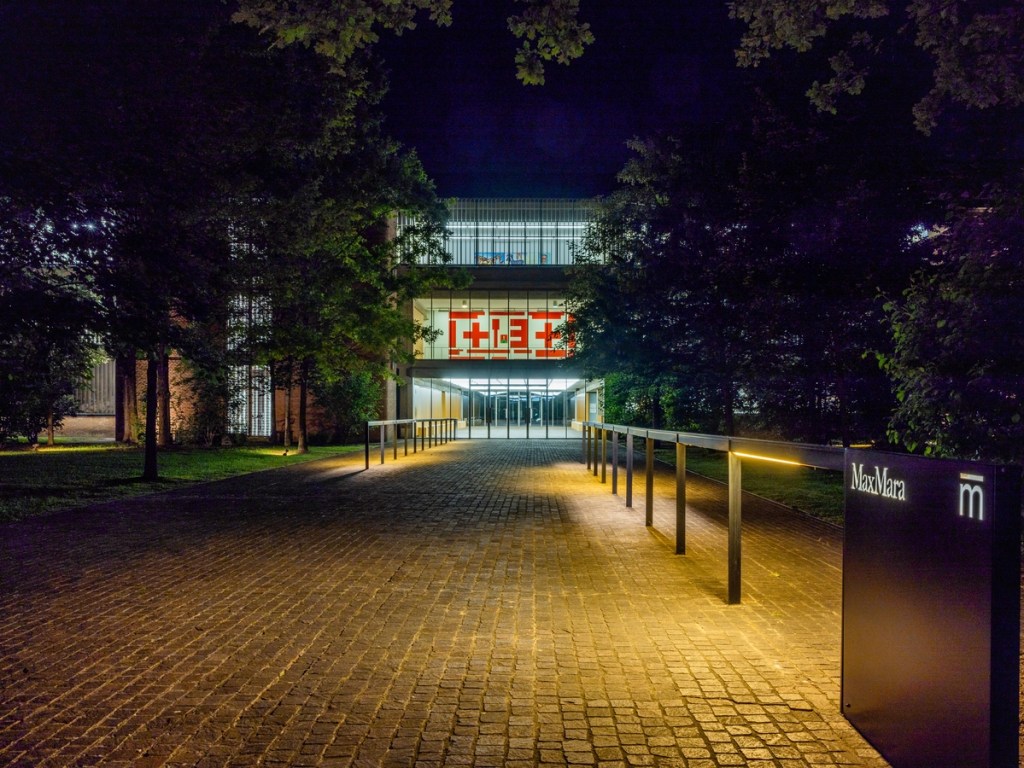
Collezione Maramotti, East entrance – by night. Photo Bruno Cattani. Courtesy Collezione Maramotti, Reggio Emilia 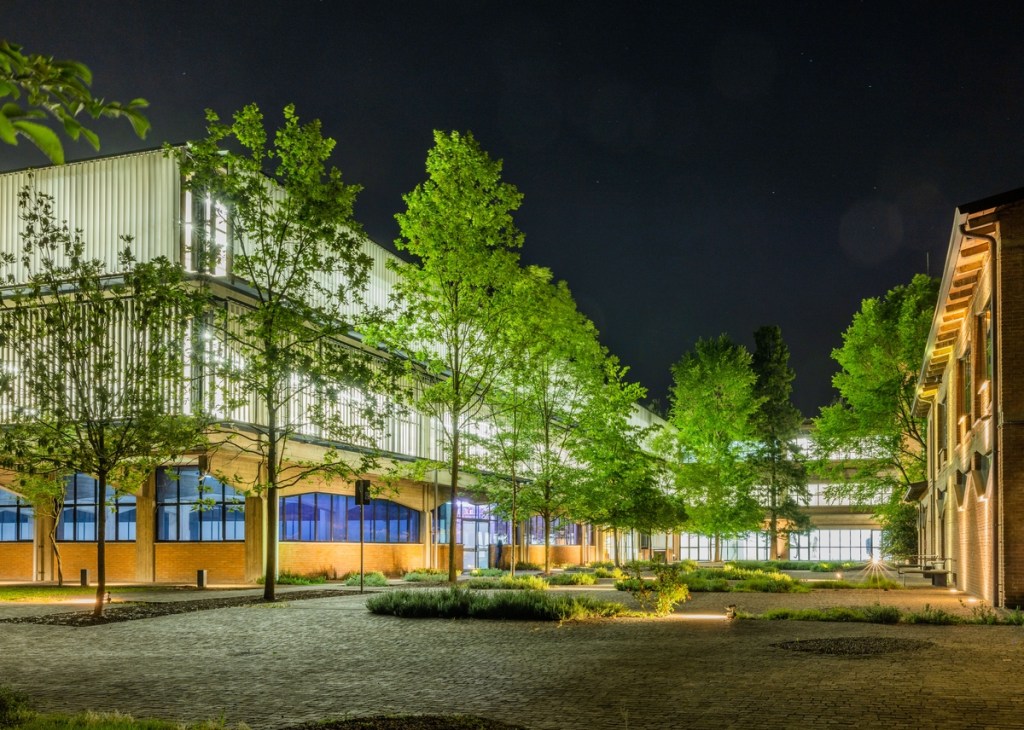
Collezione Maramotti, Courtyard and project space Pattern Room – by night. Photo Bruno Cattani. Courtesy Collezione Maramotti, Reggio Emilia 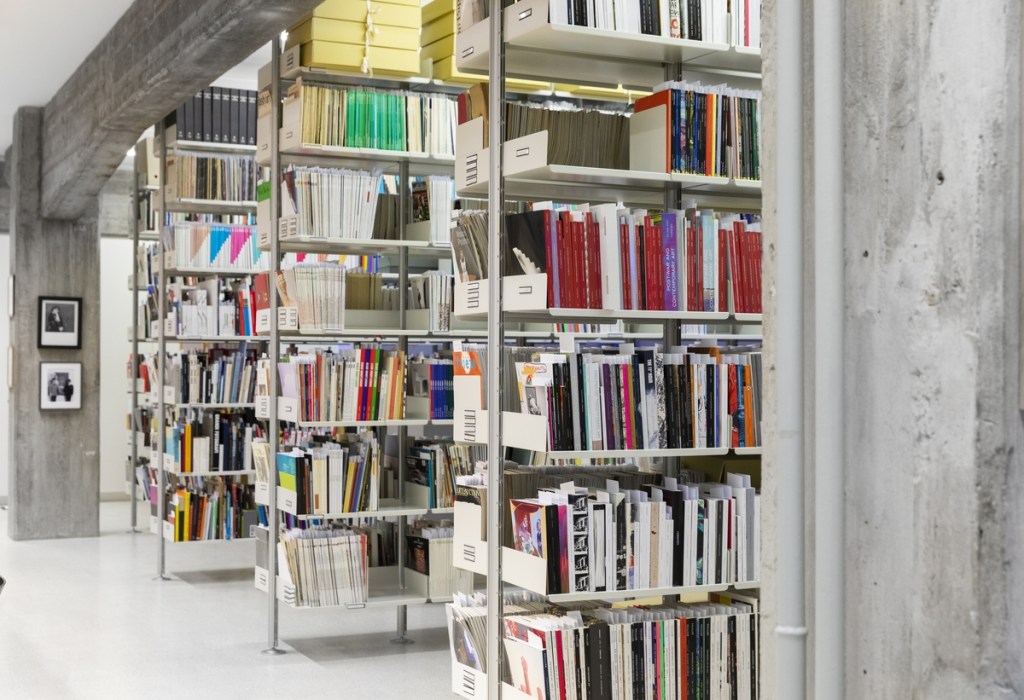
Collezione Maramotti, Library and Archive. Photo Bruno Cattani. Courtesy Collezione Maramotti, Reggio Emilia 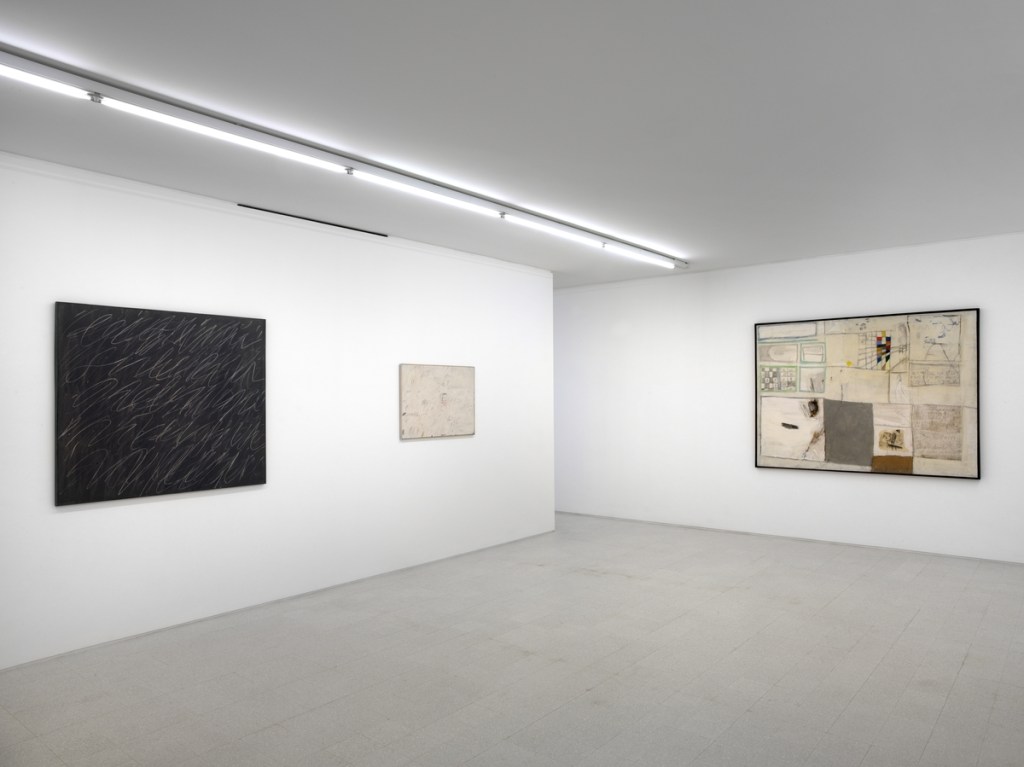
Collezione Maramotti, Exhibition view, artworks by © Cy Twombly Foundation, © Gastone Novelli. Photo Dario Lasagni. Courtesy Collezione Maramotti, Reggio Emilia 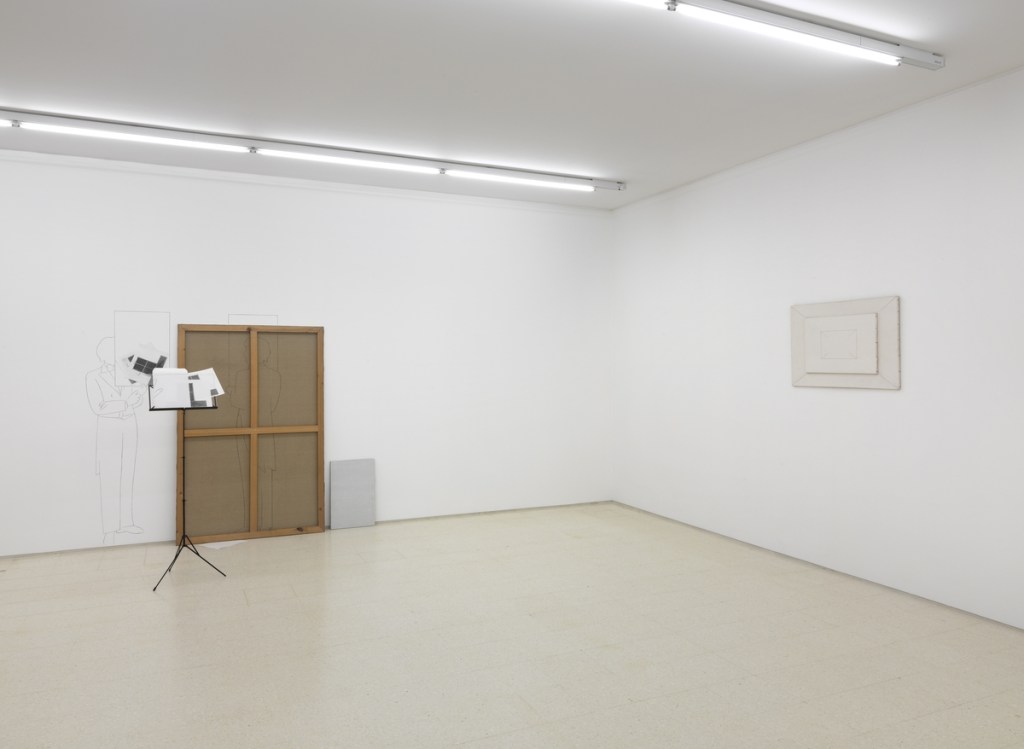
Collezione Maramotti, Exhibition view, artworks by © Giulio Paolini. Photo Dario Lasagni. Courtesy Collezione Maramotti, Reggio Emilia 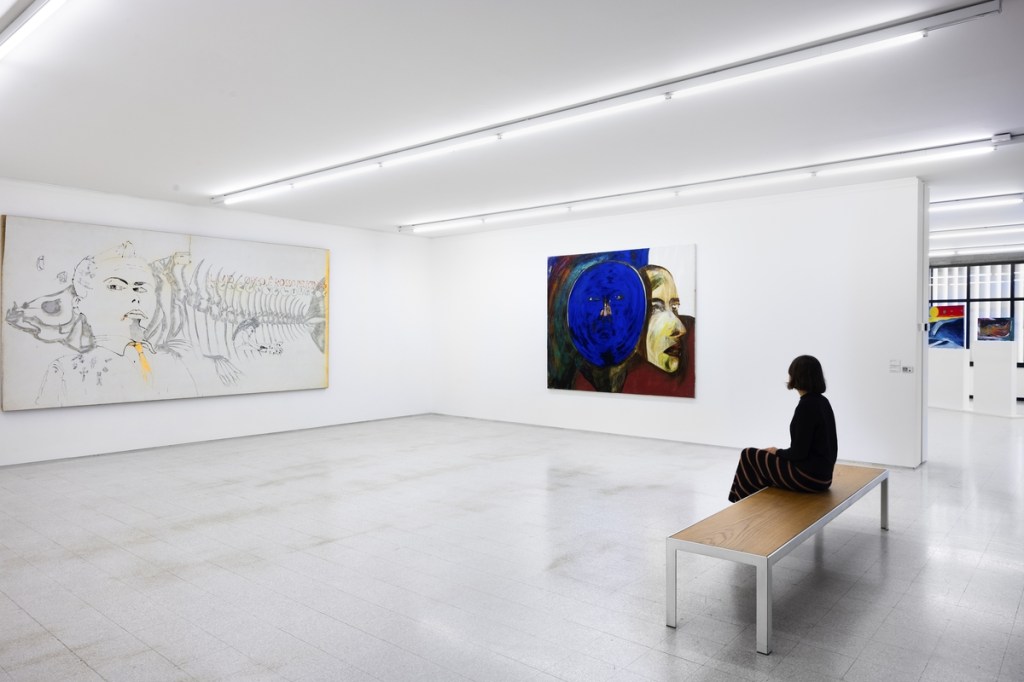
Collezione Maramotti, Exhibition view, artworks by © Francesco Clemente, © Nicola De Maria. Photo Bruno Cattani. Courtesy Collezione Maramotti, Reggio Emilia 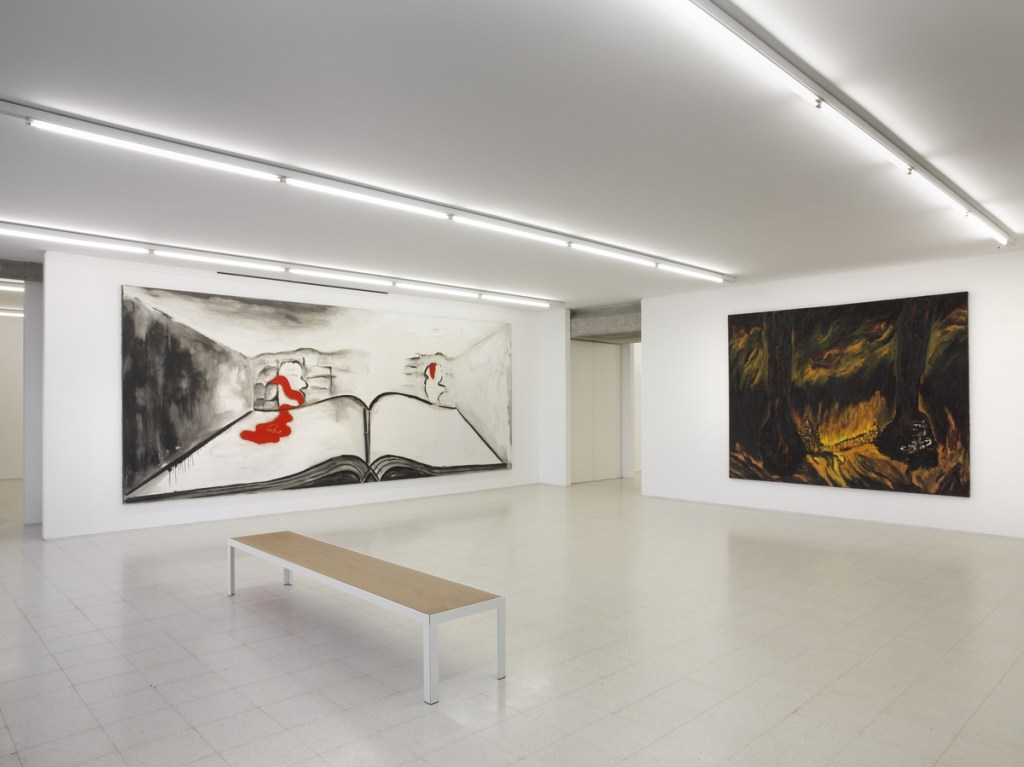
Collezione Maramotti, Exhibition view, artworks by © Enzo Cucchi. Photo Dario Lasagni. Courtesy Collezione Maramotti, Reggio Emilia 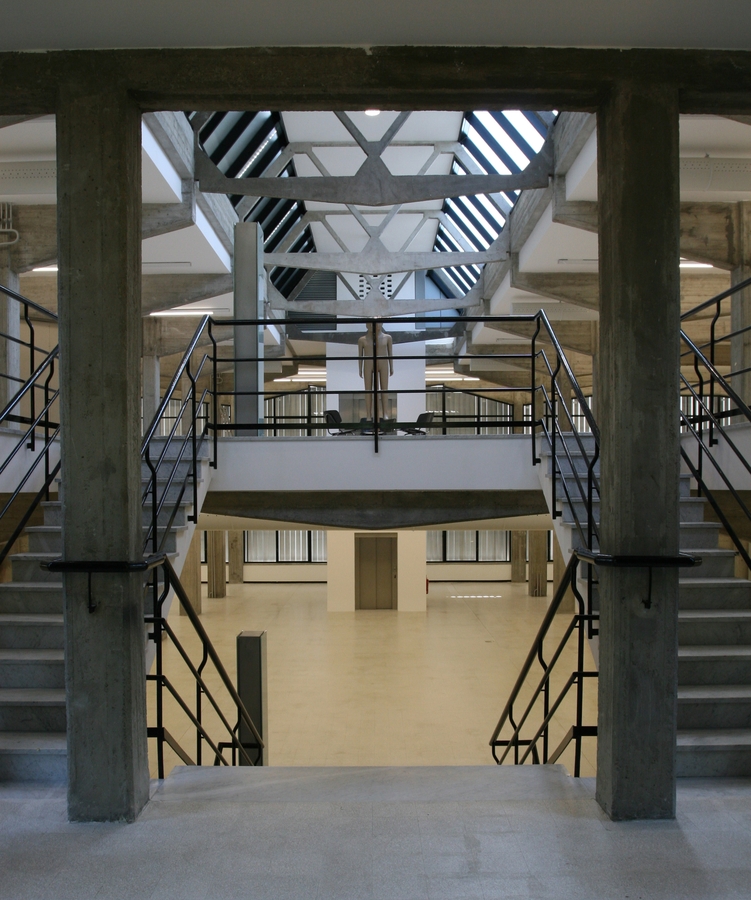
Collezione Maramotti, Interior view, artwork by © Mark Manders. Photo Cesare Di Liborio. Courtesy Collezione Maramotti, Reggio Emilia Collezione Maramotti, Exhibition view, artwork by © Anselm Kiefer. Photo Bruno Cattani. Courtesy Collezione Maramotti, Reggio Emilia 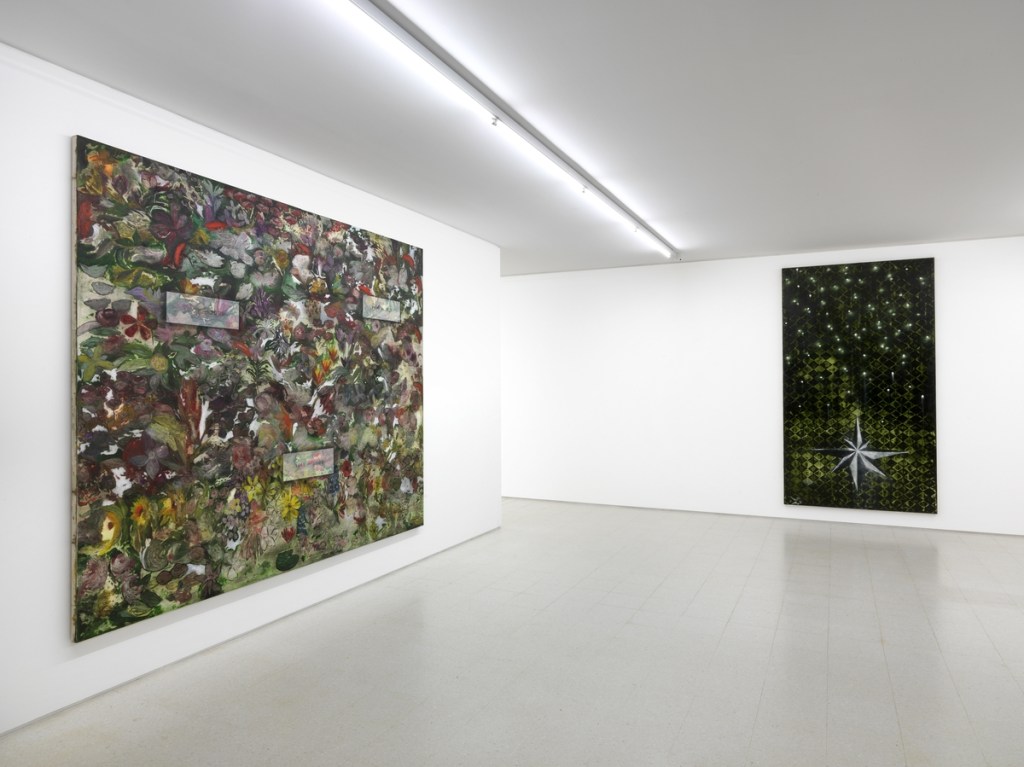
Collezione Maramotti, Exhibition view, artworks by © Ross Bleckner. Photo Dario Lasagni. Courtesy Collezione Maramotti, Reggio Emilia 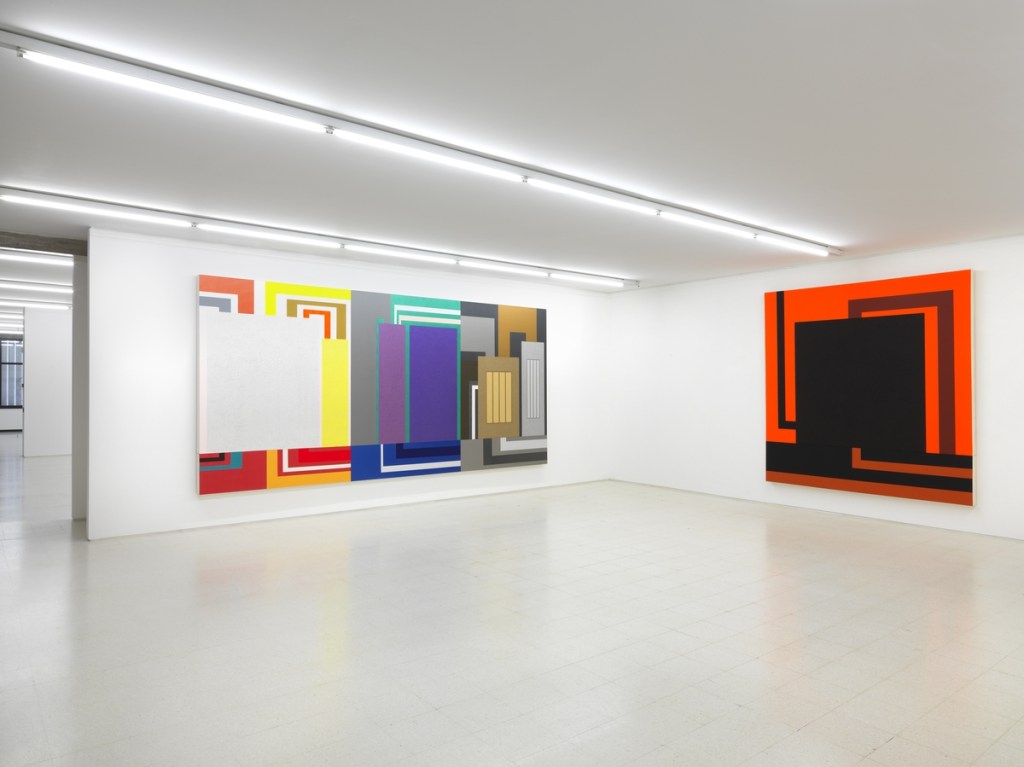
Collezione Maramotti, Exhibition view, artworks by © Peter Halley. Photo Dario Lasagni. Courtesy Collezione Maramotti, Reggio Emilia Collezione Maramotti, Exhibition view, artworks by © Krištof Kintera. Photo Dario Lasagni. Courtesy Collezione Maramotti, Reggio Emilia 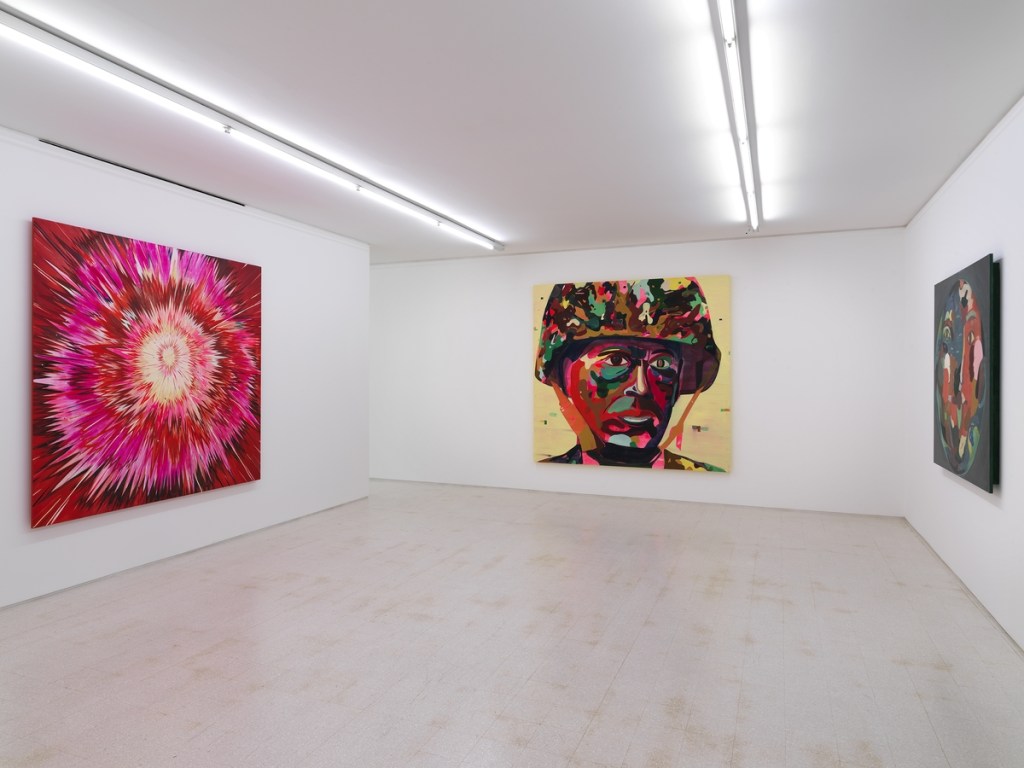
Collezione Maramotti, Exhibition view, artworks by © Jules De Balincourt. Photo Dario Lasagni. Courtesy Collezione Maramotti, Reggio Emilia 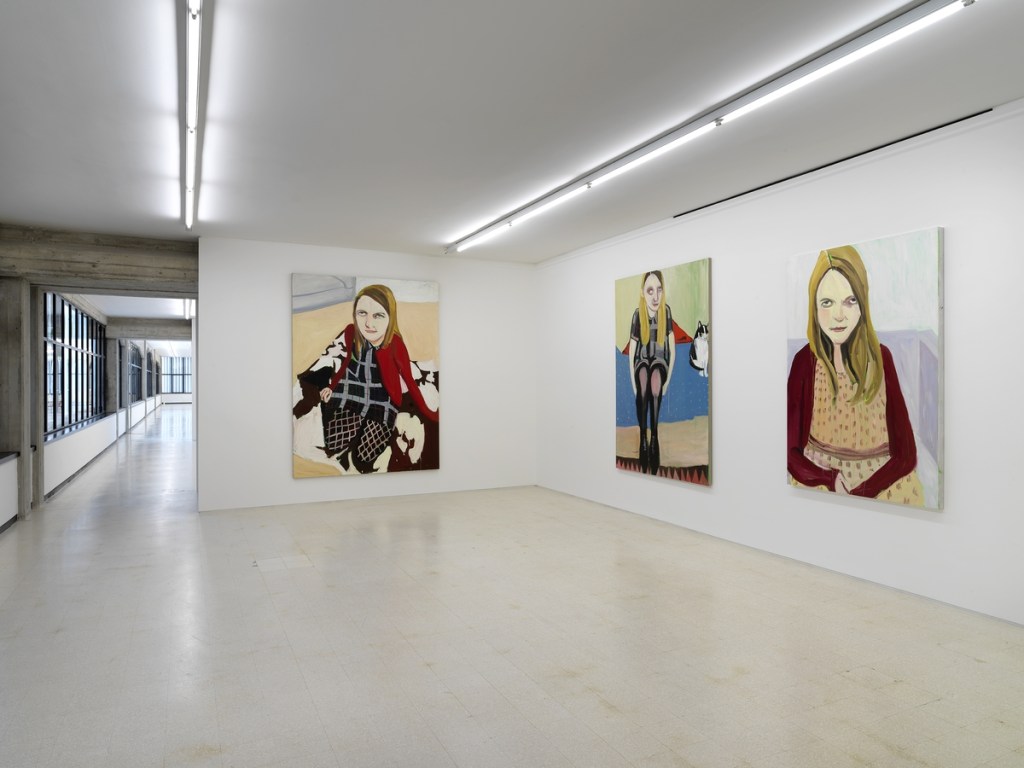
Collezione Maramotti, Exhibition view, artworks by © Chantal Joffe. Photo Dario Lasagni. Courtesy Collezione Maramotti, Reggio Emilia 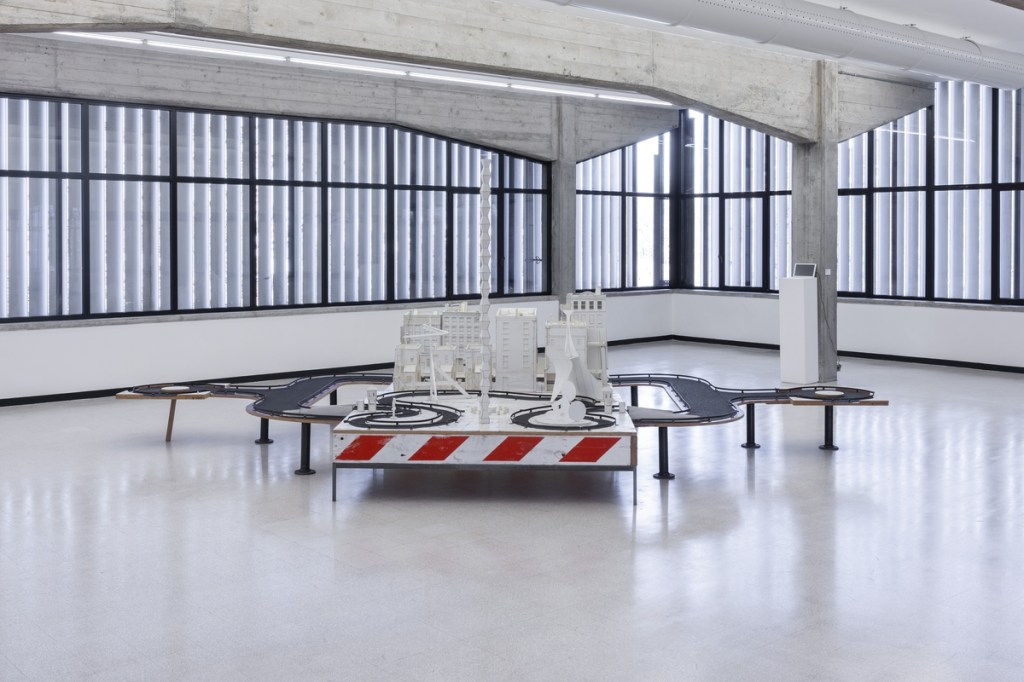
Collezione Maramotti, Exhibition view, artworks by © Tom Sachs. Photo Bruno Cattani. Courtesy Collezione Maramotti, Reggio Emilia