The Bahamas Pavilion, curated by Krista Thompson, presents a posthumous dialogue between Lavar Munroe and John Beadle about the memory of the African diaspora and colonial violence. The San Trovaso Art Space is transformed into a commemorative and ceremonial environment, in which Junkanoo, a historic Bahamian procession, emerges as the central theme.
For the second time, after a thirteen-year absence, the Bahamas are returning to participate at the Venice Biennale International Art Exhibition with the project In Another Man’s Yard: John Beadle, Lavar Munroe, and the spirit of (posthumous) collaboration, presented at San Trovaso Art Space and based on the collaboration between two artists, John Beadle and Lavar Munroe, the first of whom passed away in 2024. The thread linking the two is their shared sensitivity to what is undervalued and discarded, both in the art world and in society: marginalized figures, migrants, and farm workers. These aspects, together with the historical and commemorative significance of the African diaspora, cultural reclamation, and the practice of posthumous collaboration, evoke the theme chosen by curator Koyo Kouoh for the 2026 Art Biennale, In Minor Keys. The pavilion is curated by Krista Thompson, an art historian and independent curator whose research focuses on modern and contemporary art and the visual culture of the African and Caribbean diaspora. Through her practice, Thompson brings attention to the “minor notes” of society and the art world—to what is hidden, undervalued, and marginalized—claiming a central role for Bahamian artistic tradition within the global discourse of contemporary art. It is within this context that the pavilion’s central theme emerges: posthumous collaboration — a practice Munroe developed beginning in 2016, following his father’s passing, as a way to create a dialogue with absent figures and revive unfinished projects. This logic — from the margins to the center, from the undervalued to the reclaimed — is not merely a theoretical statement: it literally structures the spatial sequence of the pavilion, which moves from colonial violence to collective ritual, and from ritual to private loss.
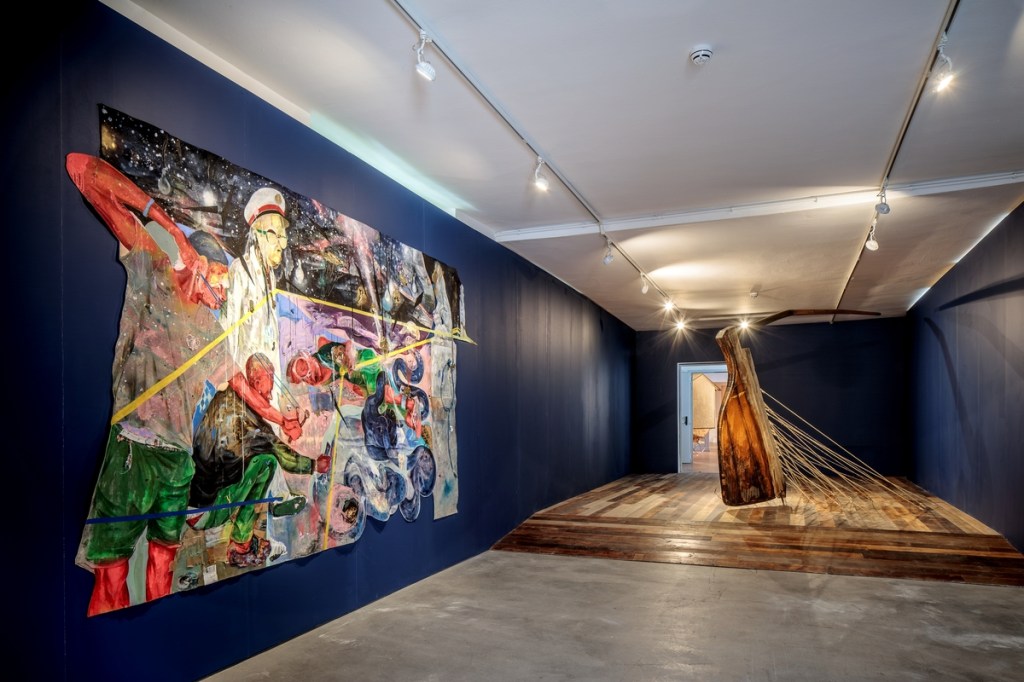
THE BAHAMAS PAVILION AT THE 2026 VENICE BIENNALE
The exhibition begins with a work by Beadle dedicated to the island’s colonial history, followed by a site-specific installation centered on machetes — a symbol of violence and the colonial past — which gives the entire pavilion its title. The highlight of the exhibition, however, is the immersive work dedicated to Junkanoo, the masked procession that the descendants of enslaved Bahamians have organized since the Christmas season, transforming humble materials and found objects into costumes and ephemeral sculptures. Both a festive and a protest tradition — initially a form of cultural expression under colonial rule — Junkanoo also serves as a memorial in contexts of collective mourning. The same principle guides the site-specific installation created by Munroe in Venice, which repurposes discarded and everyday materials—including the packaging used to transport the artworks — in keeping with a practice common to both artists, alongside traditional costumes and elements salvaged from Beadle’s studio, such as a boat used by Haitian migrants. By virtue of this dual nature, Junkanoo thus becomes the structural principle of the pavilion, in relation to those “minor notes” that Thompson associates with Bahamian culture. On the upper level, the space dedicated to Munroe’s travels shifts the commemorative register from the collective to the personal, exploring the artist’s relationship with other peoples and cultures. Here, the posthumous collaboration takes on an intimate quality: in the eleven panels through which Munroe pays tribute to Beadle, the works traverse diasporic cosmogonies and the relationship with the sea and rain, returning once again to Junkanoo—the true thread that binds the entire project in its many forms, from historical violence to collective ritual to private grief.
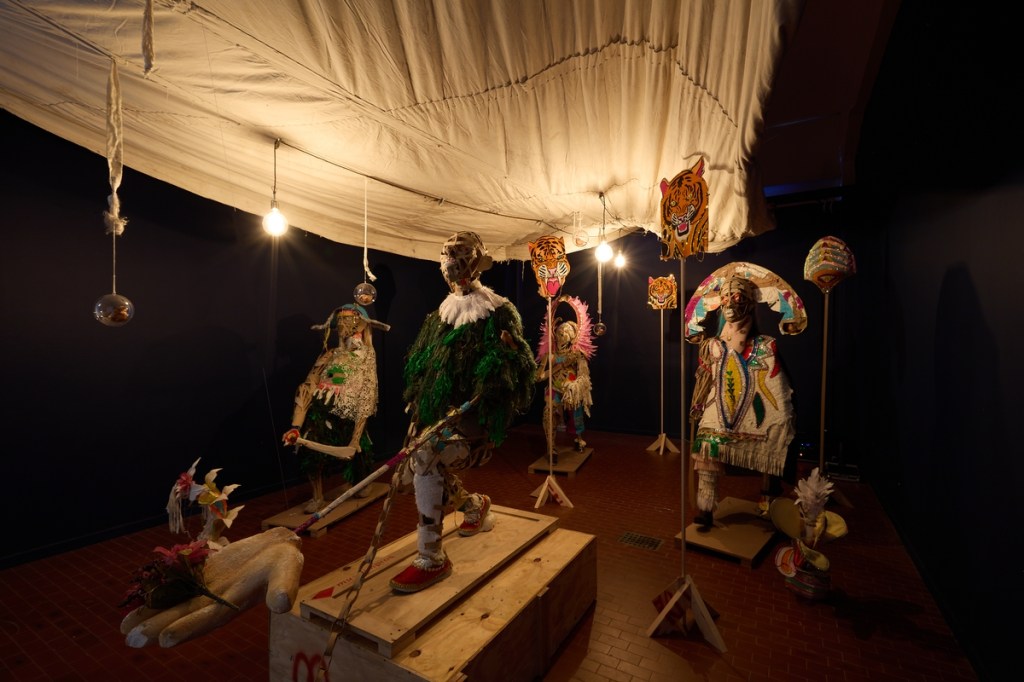
THE DIALOGUE BETWEEN JOHN BEADLE AND LAVAR MUNROE
The exhibition design is deliberately minimalist: the decision was made to eliminate any superfluous scenographic elements in order to place the works at the center. In keeping with this choice, the colors of the space are limited to a few neutral tones: on one hand, the monochromatic compositions of Beadle’s reliefs; on the other, the vibrant colors of Munroe’s monumental sculptures — life-size horses and dogs made from strips of discarded Junkanoo costumes — and the works directly related to the procession. In keeping with practices that source raw materials from discarded items, cardboard, unusable oars, and tarps from Haitian boats abandoned on the shores of the Bahamas are all reused. Considerable attention has been paid to the role of light, since it is precisely through the shadows it creates that the works are amplified, allowing Beadle’s two-dimensional cardboard reliefs and Munroe’s monumental forms to gain a sculptural depth and reinforcing the ritual and commemorative atmosphere of the entire pavilion. At the same time, the light restores visual dignity to those materials that were originally considered peripheral. This creates an intimate environment, a space for reflection — shaped as much by the colors as by the lighting — that coherently connects to the Biennale’s theme, allowing a more nuanced interpretation of Bahamian history to emerge through the materials themselves, even before the narrative.
Sara Collivasone
9 maggio – 22 novembre 2026
In Another man’s yard: John Beadle, Lavar Munroe, and the spirit of (posthumous) collaboration
curated by Krista Thompson
San Trovaso Art Space
Fondamenta Nani, Dorsoduro 947 ‒ Venezia
https://www.bahamasvenicebiennale.org/
The text has been translated in English using AI
Installation image. The Bahamas Pavilion, In Another Man’s Yard John Beadle, Lavar Munroe, and the Spirit of (Posthumous) Collaboration. Works pictured by Lavar Munroe and John Beadle. Photo Francesco Allegretto 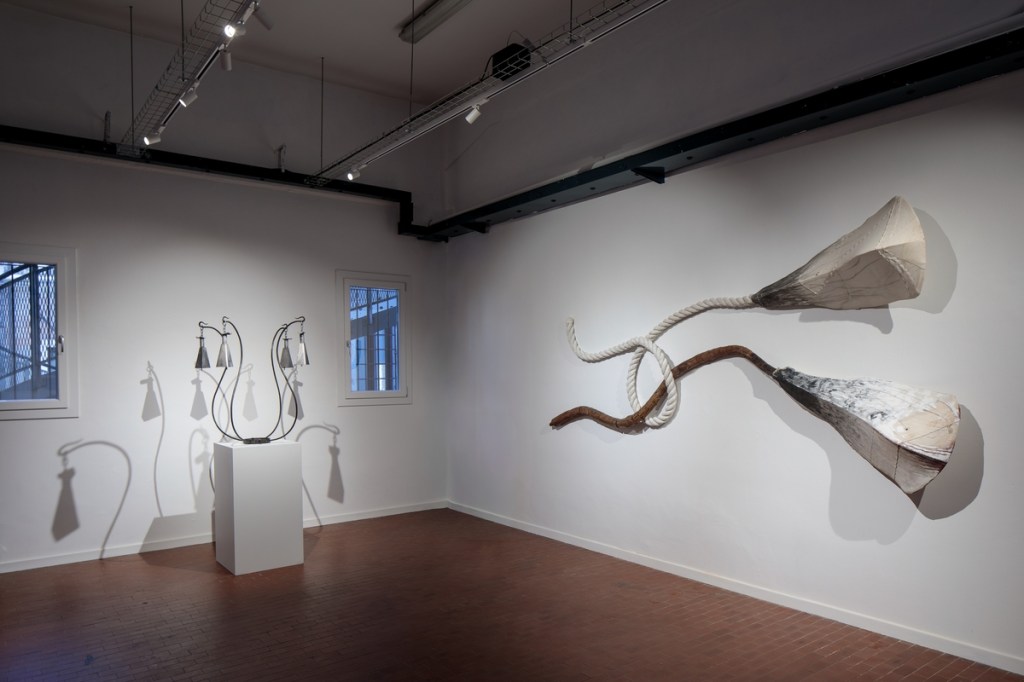
Installation image. The Bahamas Pavilion, In Another Man’s Yard John Beadle, Lavar Munroe, and the Spirit of (Posthumous) Collaboration. Works pictured by John Beadle. Photo Francesco Allegretto 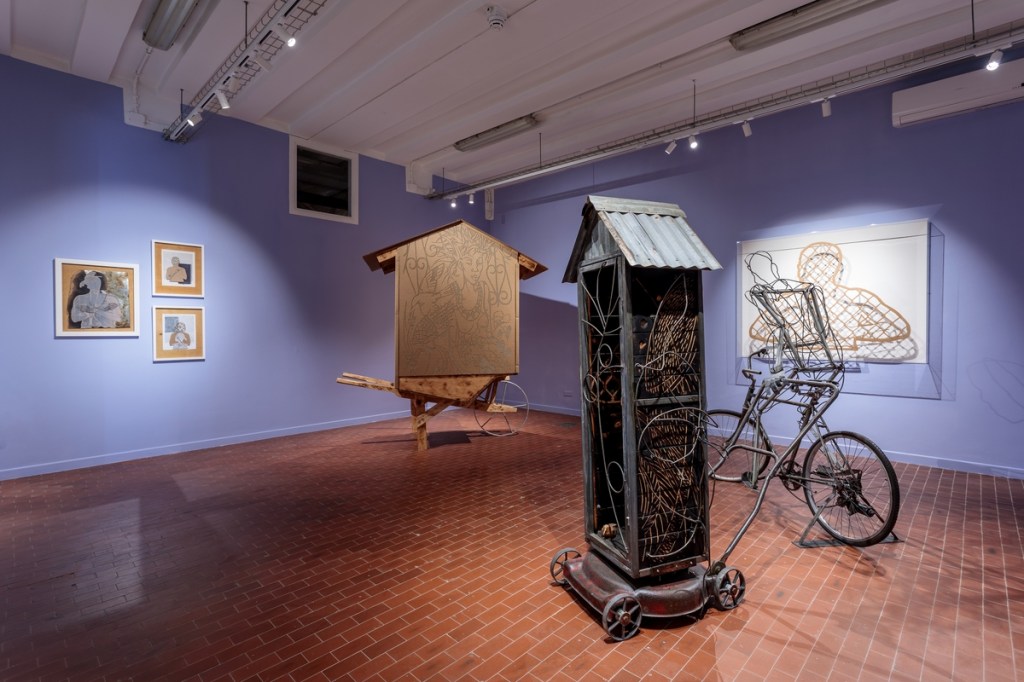
Installation image. The Bahamas Pavilion, In Another Man’s Yard John Beadle, Lavar Munroe, and the Spirit of (Posthumous) Collaboration. Works pictured by John Beadle. Photo Francesco Allegretto 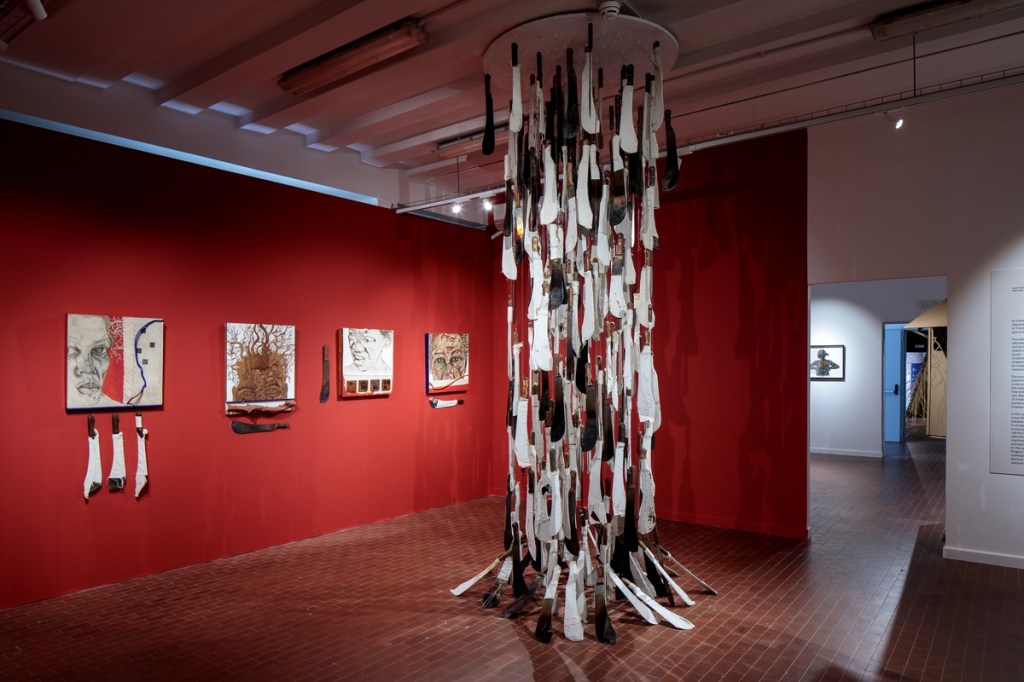
Installation image. The Bahamas Pavilion, In Another Man’s Yard John Beadle, Lavar Munroe, and the Spirit of (Posthumous) Collaboration. Works pictured by John Beadle. Photo Francesco Allegretto 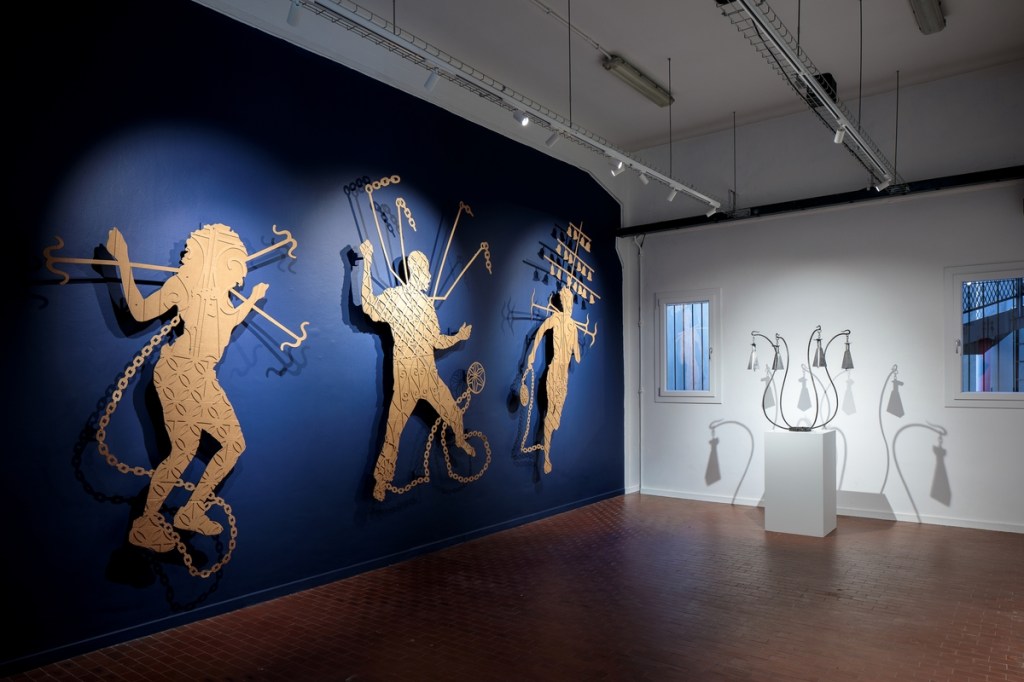
Installation image. The Bahamas Pavilion, In Another Man’s Yard John Beadle, Lavar Munroe, and the Spirit of (Posthumous) Collaboration. Works pictured by John Beadle. Photo Francesco Allegretto 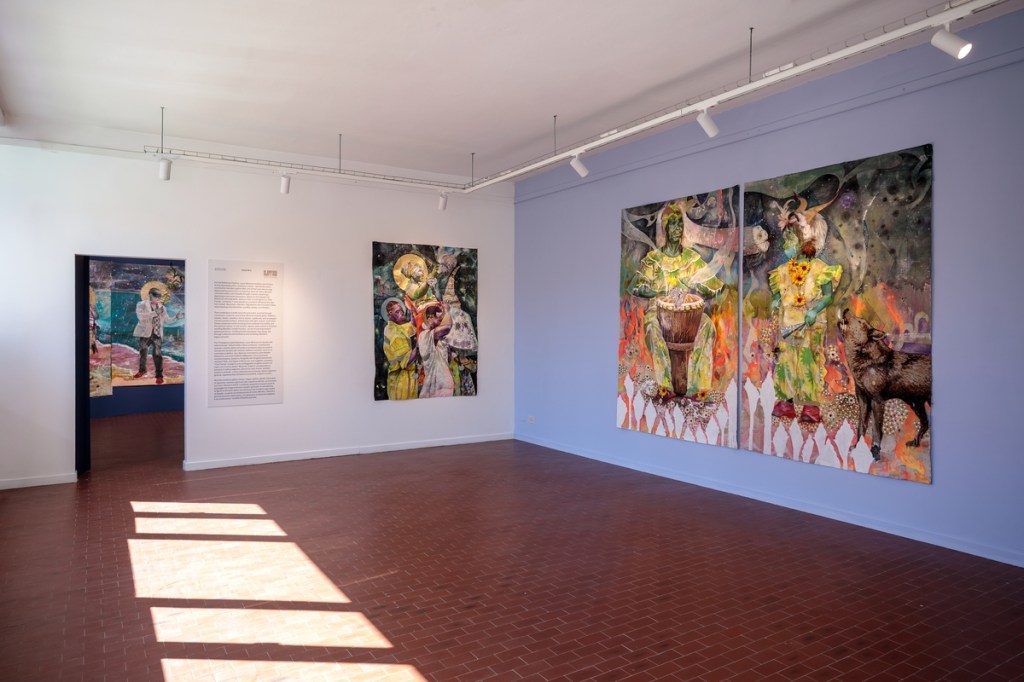
Installation image. The Bahamas Pavilion, In Another Man’s Yard John Beadle, Lavar Munroe, and the Spirit of (Posthumous) Collaboration. Works pictured by Lavar Munroe. Photo Francesco Allegretto 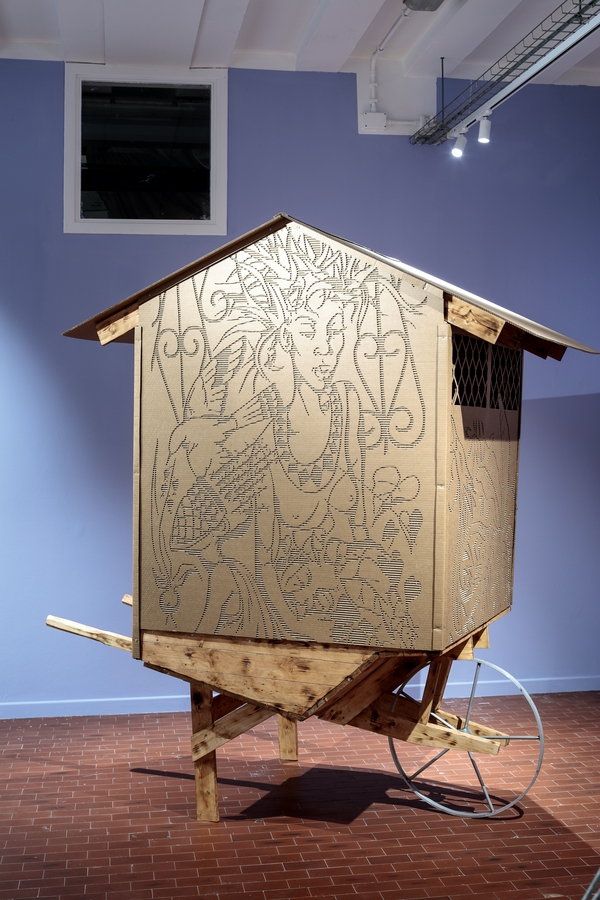
John Beadle, Mobile Housing Scheme, 2012, Wood, cardboard, metal, Dimensions variable. © Estate of John Beadle. Refabrication with the support of Tyler School of Art and Architecture, by Amanda Crain-Freeland and John Cox. Photo Francesco Allegretto 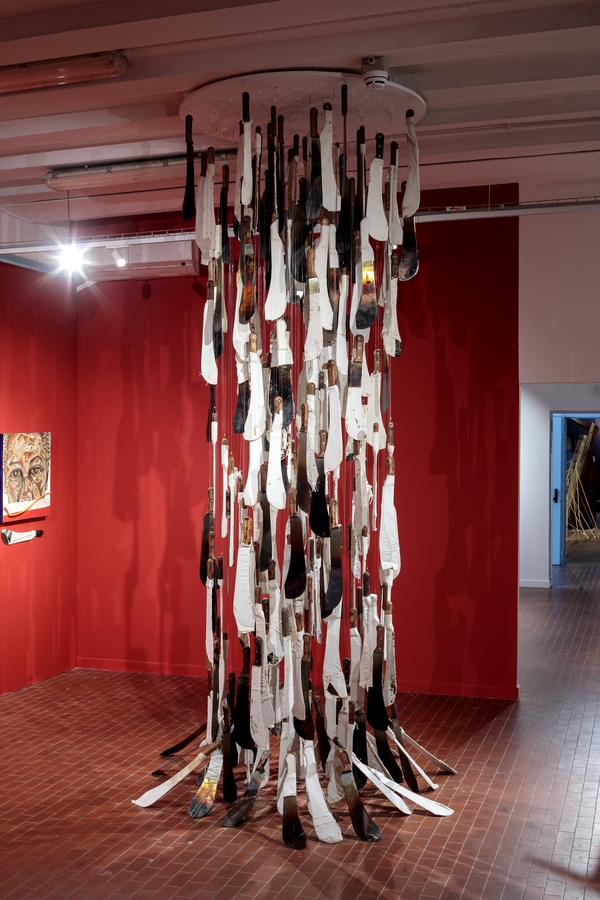
John Beadle, In Another Man’s Yard, 2006, Metal, canvas, wood, fishing line, Dimensions variable. Courtesy National Art Gallery of The Bahamas. Photo Francesco Allegretto 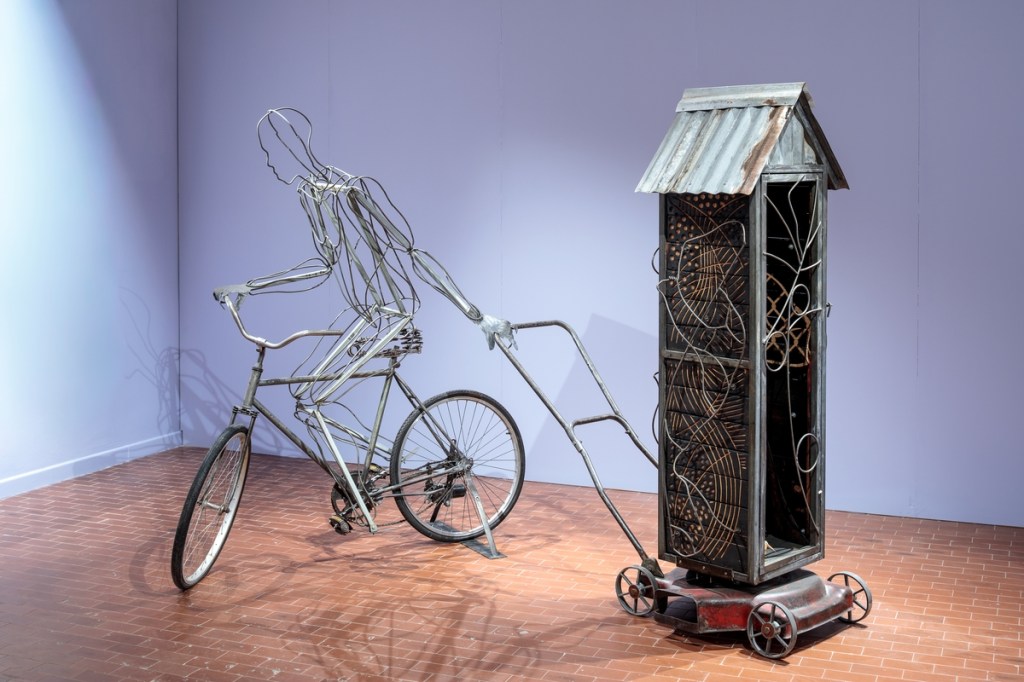
John Beadle, One Thousand Small Mercies, 2016, Wood, cardboard, metal, objects, 72 x 24 x 182 in. Courtesy National Art Gallery of The Bahamas. Photo Francesco Allegretto 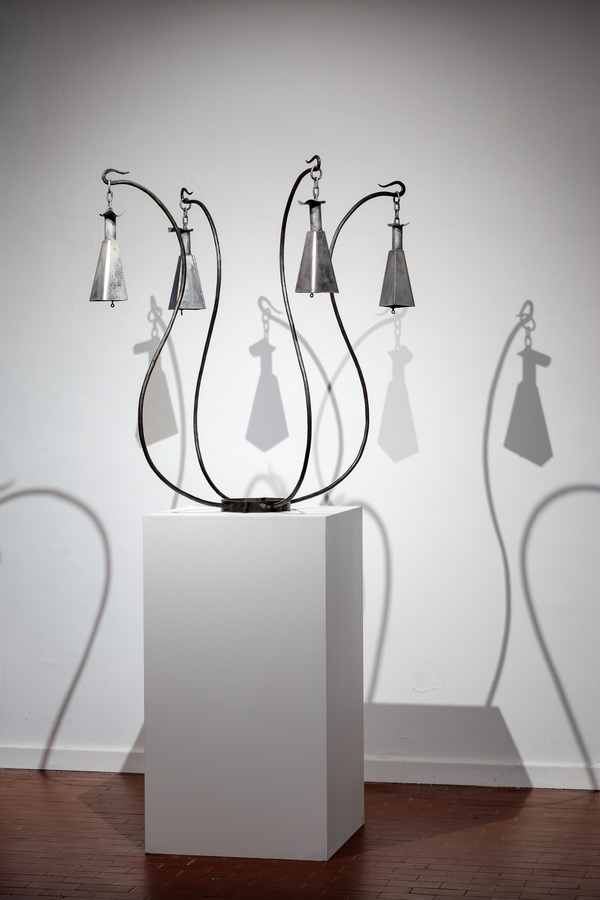
John Beadle, Still Ringing, 2016, Cowbells, metal, sound, Dimensions variable. © Estate of John Beadle, with the kind support of Andrew Huston and Michel Courtemere. Photo Francesco Allegretto 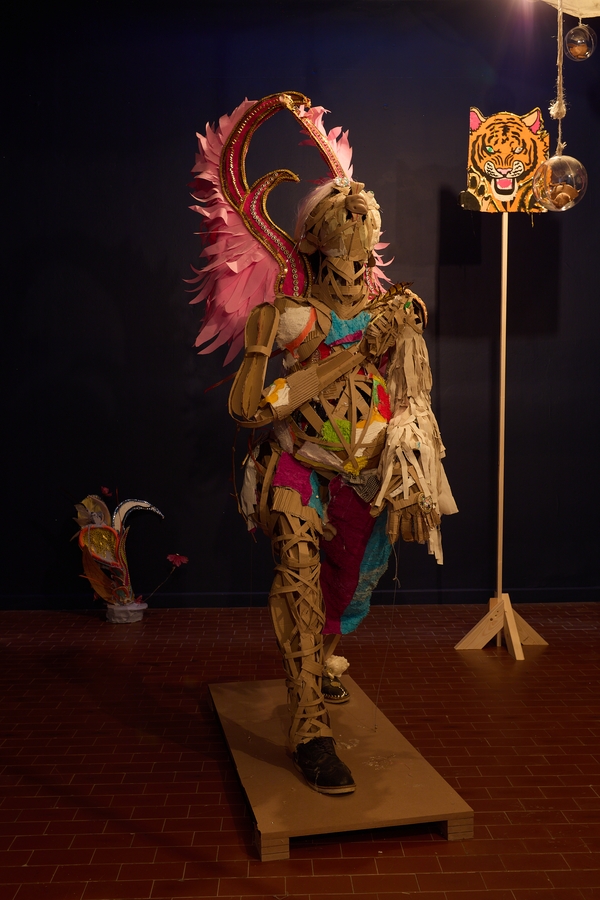
Lavar Munroe (and John Beadle), However Long the Night, the Dawn Will Break, 2026, Site-specific installation. Salvaged Junkanoo costumes, used Bahamian newspapers and mixed media, items from John Beadle’s studio. Dimensions variable. Courtesy the artist, the Estate of John Beadle and The Bahamas Pavilion, with the kind support of VIA Art Fund. Photo Larkin Durey 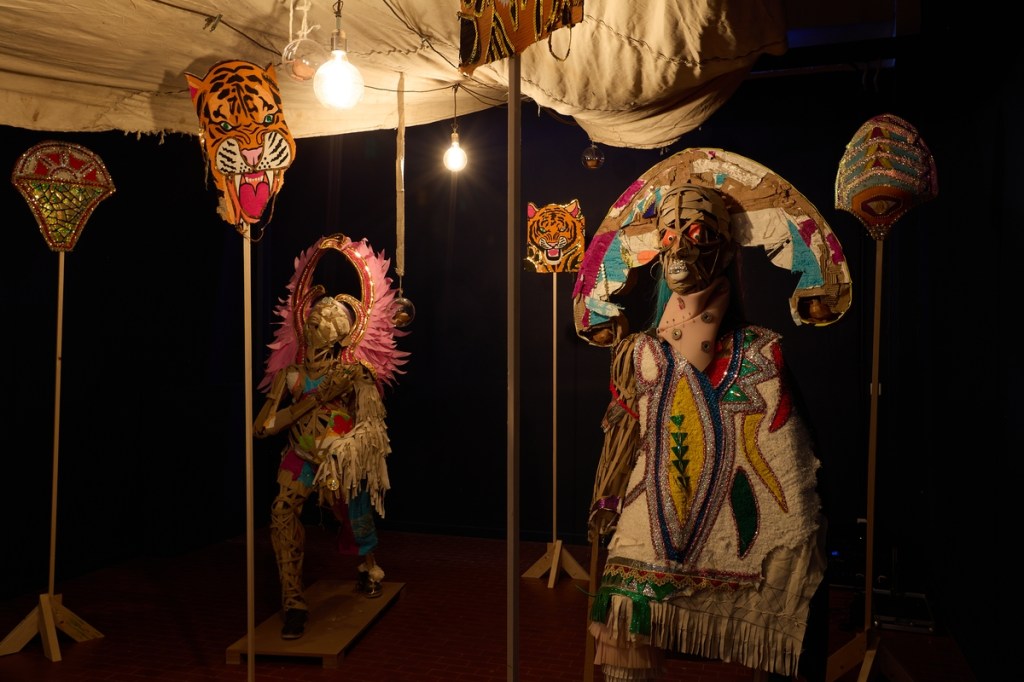
Lavar Munroe (and John Beadle), However Long the Night, the Dawn Will Break, 2026, Site-specific installation. Salvaged Junkanoo costumes, used Bahamian newspapers and mixed media, items from John Beadle’s studio. Dimensions variable. Courtesy the artist, the Estate of John Beadle and The Bahamas Pavilion, with the kind support of VIA Art Fund, Photo Larkin Durey Lavar Munroe (and John Beadle), However Long the Night, the Dawn Will Break, 2026, Site-specific installation. Salvaged Junkanoo costumes, used Bahamian newspapers and mixed media, items from John Beadle’s studio. Dimensions variable. Courtesy the artist, the Estate of John Beadle and The Bahamas Pavilion, with the kind support of VIA Art Fund. Photo Larkin Durey 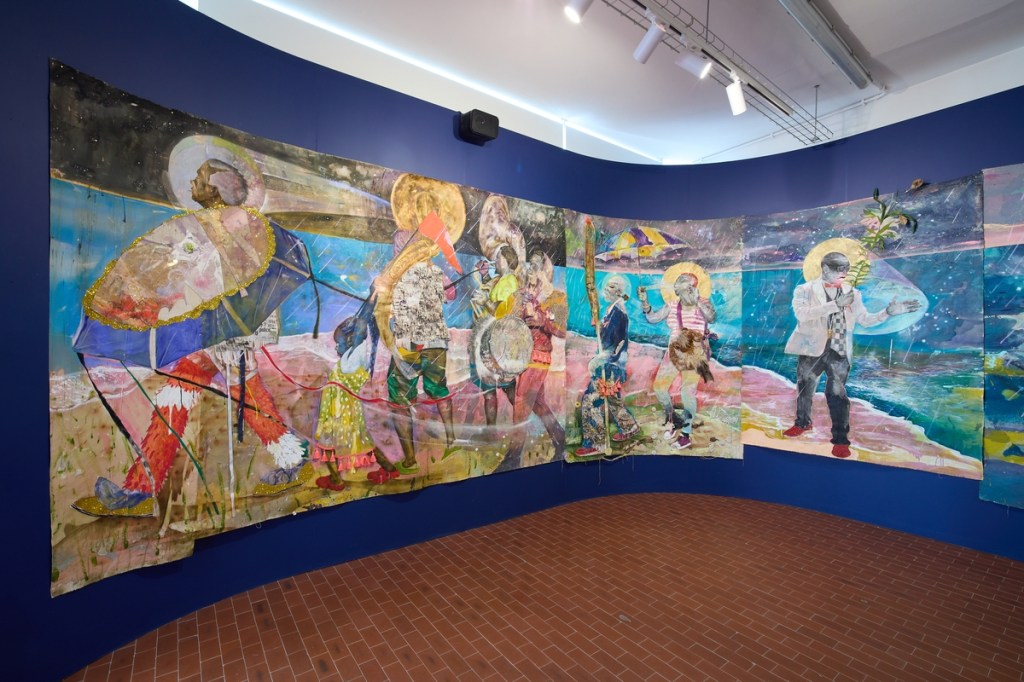
Lavar Munroe, No Matter How Dreary and Gray, We People of Flesh and Blood Would Rather Live Here, Than in Another Man’s Yard (Bridge Over Troubled Water), 2026. Acrylic, spray paint, latex house paint, airbrush, mixed media. Dimensions variable. Courtesy the artist, The Bahamas Pavilion, Larkin Durey, Monique Meloche. Photo Larkin Durey 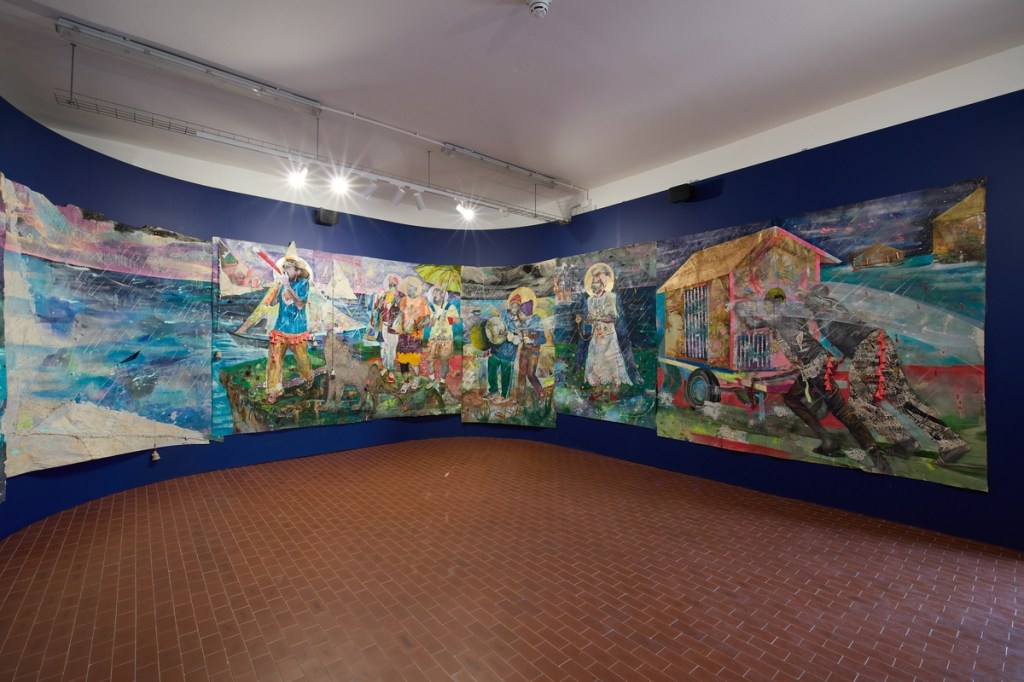
Lavar Munroe, No Matter How Dreary and Gray, We People of Flesh and Blood Would Rather Live Here, Than in Another Man’s Yard (Bridge Over Troubled Water), 2026. Acrylic, spray paint, latex house paint, airbrush, mixed media. Dimensions variable. Courtesy the artist, The Bahamas Pavilion, Larkin Durey, Monique Meloche. Photo Larkin Durey 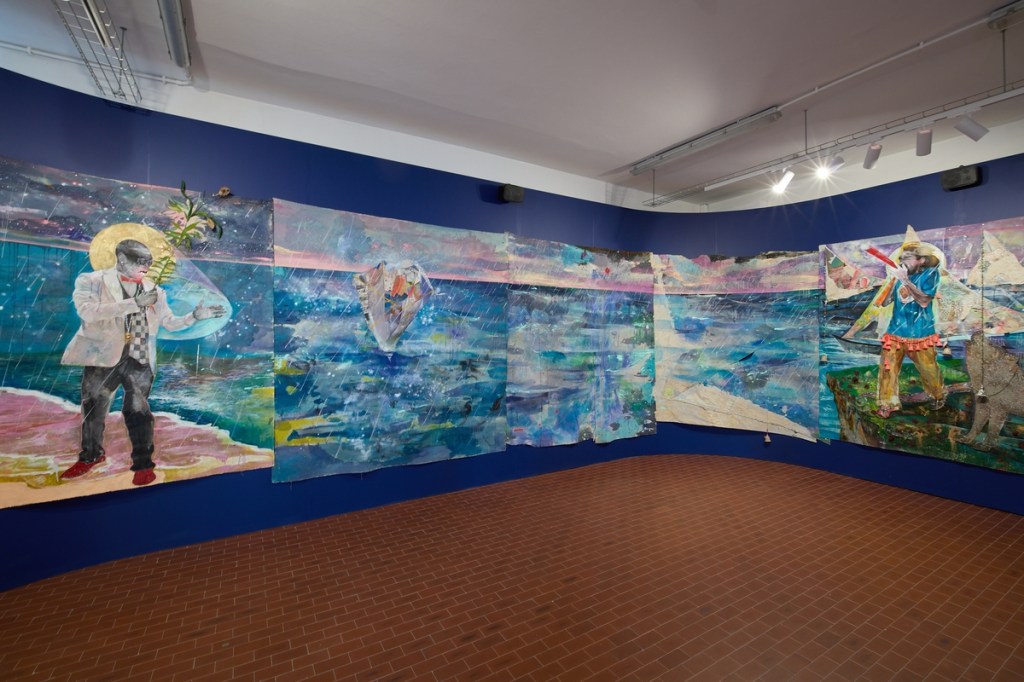
Lavar Munroe, No Matter How Dreary and Gray, We People of Flesh and Blood Would Rather Live Here, Than in Another Man’s Yard (Bridge Over Troubled Water), 2026. Acrylic, spray paint, latex house paint, airbrush, mixed media. Dimensions variable. Courtesy the artist, The Bahamas Pavilion, Larkin Durey, Monique Meloche. Photo Larkin Durey

