From her reflections on supporting artists’ rights, to her engagement with radical figures such as Lee Lozano, Lucrezia Calabrò Visconti’s perspective places at its center questions of social justice, precarity, accessibility, and critical integrity, highlighting how curatorship today is inevitably intertwined with the cultural, economic, and ideological tensions that run through the present.
Curator and writer, Lucrezia Calabrò Visconti (Desenzano del Garda, 1990) is currently Head Curator at the Istituto Svizzero in Italy, where she curates the artistic program of the Rome, Milan, and Palermo venues. She previously served as Chief Curator at Pinacoteca Agnelli in Turin, contributing to the redefinition of its mission in conjunction with its reopening in 2022. She curated exhibitions and institutional programs in Italy and abroad, working with artists such as Pauline Boudry and Renate Lorenz, Dominique Gonzalez-Foerster, Sylvie Fleury, Mark Leckey, Nan Goldin and Nina Beier, among others. Throughout her career, she has also curated the New Entries section of Artissima (2018-2019) and the main exhibition of the 6th International Biennale for Young Art in Moscow (2018). She has worked at the Fondazione Sandretto Re Rebaudengo as curator and head of the Young Curators Residency Programme, a research residency for international curators selected from leading curatorial schools worldwide. She co-founded CLOG Projects, an independent space oriented toward research and experimentation, and she is the co-founder and vice-president of AWI Art Workers Italia, the first association created to advocate for and support art workers in Italy. By moving between independent practices and institutional contexts, her experience allows for an internal interrogation of the contradictions and possibilities of the contemporary art system.
In his 2006 essay Notes from the Field: Early Globalism, Museum Residencies and Artists as Mediators, artist Ernesto Pujol wrote: “This is the age of the curator: everybody wants to be a curator”. Do you believe this reflection is still valid today?
I doubt that curating is as widely desirable today. Twenty years ago, it possessed an aura tied to the promise of an independent and radical vision, accompanied by a healthy dose of prestige and (cultural) power. And this narrative was partially true, at least for a while. Let’s consider the history of major international exhibitions and the role they played in shaping a global cultural and political discourse, or the artistic direction of research-driven institutions that served as international benchmarks for many years. These models are now in a deep crisis. For instance, documenta has carried out a progressive decentralization of curatorial power through collective or shared curating, instituted mechanisms of preventive censorship, and chosen not to defend the artistic or curatorial vision when under attack, thereby abdicating its role as a guarantor. On the other hand, artistic directorships are often short-term appointments, a condition that makes it difficult to trigger structural institutional transformations, while decision-making is increasingly centralized in the hands of boards of directors and administrative figures created ad hoc. The curatorial vision or the artistic direction are almost seen as a nuisance to the ordinary running of the institution’s business. And it must be said that this is not entirely incorrect either, because within the curatorial figure coexist both belonging to and misalignment with the institution, and that is precisely where its importance lies: it is a fundamental role of negotiation within the structures on which the production of contemporary art is built. This makes the profession look far less like the glamorous intellectual role once associated with curating in Pujol’s time, and more like a comb that constantly catches everyone else’s knots.
THE CURATORIAL PRACTICE ACCORDING TO LUCREZIA CALABRÒ VISCONTI
Today, there are numerous training programs dedicated to curating. You participated in the De Appel Curatorial Programme in Amsterdam, in CAMPO at the Fondazione Sandretto Re Rebaudengo in Turin, and in the CCC ‒ Critical Curatorial Cybermedia Master at HEAD in Geneva. What role do you attribute to these courses in the training of a curator? Is curating truly a practice that can be taught?
Curating can and must be taught, especially in a field like ours where improvisation ‒ both in the sense of adapting to ever-changing dynamics and in the sense of pretending to be something you are not ‒ is so common. Romanticizing the curator as a sort of agent who operates by infused knowledge ultimately risks endorsing forms of approximation and incompetence. Of course, there is originality of thought, inspiration, and vision, but just like in all “creative” jobs, these traits must be trained and substantiated. Curating is now a discipline with its own reference literature, case studies to look to, specific skills to acquire, and a precise language to use, refine, and transform. It is a complex job with a rather serious responsibility, given that exhibitions and public programs are the primary way art is historicized, and considering that the organisations we work for are reaching an ever-wider audience. So, curatorial programs are very welcome, as they help to build a solid theoretical foundation and contribute to creating communities ‒ even if the technical, administrative, and political skills of the job are often acquired on the field. The real problem with these programs is that many of them (I am thinking of those in the UK or US especially, but also of private universities in Italy) are extremely expensive, and thus inaccessible to most people. This is detrimental both to the profession’s credibility and to the general trend towards elitism in the sector that we are currently witnessing. Fortunately, there are still opportunities to train without getting into debt, but the lack of accessibility is certainly an issue we need to address.
What skills do you consider fundamental for anyone wanting to embark on a curatorial career today? What advice would you give to an emerging curator?
There are many important skills required in this job, but one that perhaps takes a back seat during training is an understanding of one’s role as a cultural, political and social agent. To expand on what I said in my first answer, here is a specific example: let’s think about how the tragic absence of curator Koyo Kouoh at this Venice Biennale contributed to its crisis, leaving a lack of an authoritative reference point to protect the project’s vision, demand integrity from the institution, and guarantee awareness of the political role that the Biennale has always had. I wonder to what extent what happened ‒ the resignation of the jury, the first major coordinated strike of pavilions and artists since 1968, their refusal to submit to the so-called “Audience’s Golden Lion” ‒ would have been different if Kouoh had been present. This is just the most striking example that comes to mind today, but curating is inevitably intertwined with very different goals and agendas, and it often takes on the burden of understanding how, under given conditions, to build a conscious, urgent, and critical discourse. I would suggest to an emerging curator to carefully evaluate whether this side of the job interests them or not, because the risk is ending up enduring it instead of directing it.
Art Workers Italia (AWI), of which you are a co-founder and vice president, was created to give recognition and protection to cultural work. Six years after the launch of AWI, do you believe that working in the arts is more legitimized today compared to the past?
Yes and no. I believe that, within the sector in Italy, awareness and recognition of work in the contemporary art world have improved, partly thanks to the tools we have developed and the awareness-raising work we have carried out with Art Workers Italia. For instance, no institution today would even think of inviting an artist without paying them, whereas that was the norm until a few years ago. Due to guidelines, minimum fee charts, support groups, templates of contracts, vademecums, sector surveys, educational meetings in schools, letters to the Ministry, letters to institutions, demonstrations, petitions, manifestos, work on calls for proposals, local, national and international working groups, and so on and so forth, I believe we are in a healthier place than we were when we started. That being said, globally, working conditions ‒ especially in the cultural sphere ‒ are increasingly precarious, and politics seems more and more disconnected from the dynamics of our work and its importance. Meanwhile, the genocide in Palestine and the connivance or helplessness of a large part of cultural institutions in the face of the catastrophic global political situation has shifted our attention toward emergencies other than just the issue of labor protection. This year, the new board of Art Workers Italia will be voted in, and I believe it is an important moment to look at the goals achieved and understand what the new ones should be, and what alliances and struggles to engage in within the changed political and social context we find ourselves in.
LUCREZIA CALABRÒ VISCONTI AND THE ART SYSTEM
In Qual è il tuo vero lavoro? (What is your real job?), a text published for Diario italiano (Fondazione Imago Mundi), you highlighted how, in the art system, the need to combine various jobs is increasingly widespread. Has this condition changed in recent years, or has it simply become normalized? What difficulties did you personally have to face?
That text dates back to 2021, when I was asked to write a statement to accompany a survey of Italian art. I decided to draw attention to the working conditions of artists, and especially the fact that, for a lot of people, their artistic practice was secondary to other jobs (79% according to the sector survey we conducted with AWI in the same year). My point was that this was a structural issue with significant consequences, such as less ambitious projects, poorer media, intermittent activities, and difficulties travelling abroad, and that it should therefore be taken into account in the artistic and aesthetic analysis of the works. I fear that the data, although the situation has improved from several points of view, would not look too different today. Regarding the difficulties I had to face, I believe they are the same as everyone who does not come from a privileged background (there are more of us than it seems). Becoming economically independent as quickly as possible was essential for me, and the reason I got interested in curating was that it seemed like a more solid job than others to achieve that goal ‒ while being able to work within the cultural field, which I knew was what I wanted to do. Needless to say, it was not that simple. For many years, I accompanied the projects I did as an independent curator with two or three parallel jobs (various assistant roles, project management, coordination, publishing, journalism, teaching, sometimes ghost-curating and ghost-writing). I was lucky because these were all para-curatorial activities, and in the end, even now that I hold institutional positions, I continue to write and teach (the type of security that working for an institution gives you is almost always temporary anyway, so it is hard for me to imagine leaving the rest of the things I do).
Contemporary art fairs like Artissima, where you curated the New Entries section in 2018 and 2019, act as platforms that accelerate visibility and the circulation of value. What room is there today to maintain a critical distance or introduce forms of resistance without being immediately absorbed by the logic of the system?
I believe that fairs, especially their “emerging” sections, are not a real threat to the integrity of artists’ work – certainly not Italian fairs, which operate on a reduced scale and influence. If the biggest problem facing Italian art were that its massive commercial success were jeopardising artists’ autonomy, that would be a wonderful problem to have! Besides, fairs with a strong curatorial direction, such as Artissima, often succeed primarily at the level of institutional circulation, thanks to the curatorial juries participating in the fair, museum acquisitions, and the museum directors and curators who attend. The fair structure should therefore be understood in continuity with the rest of the sector. In fact, I believe one of the key issues is precisely dismantling the idea – still very much alive – that the economic health of the system can rest exclusively on the buying and selling of works by private collectors, when so few artists manage to sustain themselves solely through the sale of their work. Take, for instance, the 5% VAT rate on artworks, introduced last year after a long period of lobbying. It is an important achievement, which closes the gap that existed between Italy and other European countries and provides relief to galleries that are themselves in serious difficulty (as the worrying number of closures and bankruptcies in recent years makes clear). Yet this measure has often been described as one that was implemented in order to support artists. This is misleading, because even in the best-case scenario, where it might generate a virtuous cycle that ends up actually supporting some artists, it essentially delegates to the collector the power to support (or not) the weakest actors in the sector, through a trickle-down mechanism. And this is without even considering that Italian artists represented by a gallery in Italy make up a minimal percentage of the total. I don’t want to be misunderstood: it’s great that this measure exists, it will certainly give some breathing room to the economies revolving around collecting, and will reach some artists too ‒ but it cannot substitute for a serious, structural project in support of artists. What is needed are direct forms of support, inclusive and sustained forms of redistribution, and above all, funding that does not depend on the interests or tastes of individuals. There are many case studies abroad worth looking to for examples, but I won’t go into them here otherwise this will turn into an essay.
Is the concept of the “emerging” artist still useful, or does it risk being a category functional to market dynamics? How much space really exists for non-aligned practices within an art fair?
The concept of “emerging” is not only used in a commercial context, but also in an institutional one, and especially in the design of policies and forms of support (often calls for funding, residencies, and training opportunities have an age limit). It is a principle that considers a person’s professional growth as progressive and linear, based on the assumption that after a certain age there is not gonna be any need for support Yet, in the precarious field of contemporary art, there is an ever-widening gap between a person’s anagraphical age and the circumstances in which they find themselves. In Switzerland, for example, the attempt often being made is to find other formulas, such as “within X years from the end of training”. Personally, I wouldn’t disdain ‒ especially in the case of financial support ‒ a more realistic reasoning based on the type of production and the income the artist can derive from it (do they make hundreds of canvases a year and have a gallery, or do they make immaterial, non-sellable site-specific work?), the context in which they operate (in a city or a peripheral context, how many other forms of support are available to them), and, quite simply, the real condition of financial security a person is in. But I realize that this position is too socialist for many of the committees and juries I find myself working in (the filter of social justice is often not considered very sexy). In the commercial sphere, the concept of “emerging” has a different meaning, as it is used in terms of investment, perception of how much the work should cost, and the stability or instability of the artist’s practice. I believe the answer is not to eliminate the category entirely, but rather to ensure that the artist’s path is protected despite the category ‒ which perhaps brings us back to what you mean by “forms of resistance”: through the gallery’s choice of presenting a consistent form of the work (without asking the artist to distort it to make it more market-friendly); maintaining an appropriate valuation of the work (no fire sales, no secondary market flipping); controlling where the work ends up (a reliable and prestigious private collection, a museum collection); modulating the pace of the artist’s career growth; properly contracting the production of works, and so on. The space for “non-aligned” practices, on the other hand, depends a lot on the vision of the fair’s direction and the selection committee in encouraging them or not, and primarily on the risk the gallery wants to take regarding its target collectors. At the root of it all should be an education towards collecting experimental and radical work, and consequently, an education in contemporary art and a critical gaze that starts in schools, but here we risk getting a bit far from your point…
ITALY AND SWITZERLAND: A COMPARISON
You mentioned how the Swiss system differs in the way it supports cultural production. With regard to your work at the Istituto Svizzero, how do these differences manifest themselves compared to the Italian context, particularly in terms of working conditions for artists?
The system of support for cultural production in Switzerland is structural and widespread: public support operates at national (federal), regional (cantonal) and municipal levels, with various types of funding – ranging from project-based grants to annual grants for artists, to funding for the production of new works or for their circulation and distribution (dissemination), as well as for residencies, research and publications. Private support is much more common and, above all, is largely formalized through procedures that make it more transparent, straightforward and inclusive than is the case in Italy. You have a project, you apply for funding, a committee assesses the project, you receive the funds. Full stop. The Italian system is often personalized, more akin to a vision of charity or patronage (but without the long-standing culture of philanthropy that exists in the United States, for example, so it’s still a bit skewed). Working conditions are very different as a result, although they are by no means resolved (there are problems inherent in the way artistic work operates which, even in Switzerland, make it precarious for the artists). In relation to my work at the Istituto Svizzero, this means developing a program based on a healthier environment, where artists can devote themselves to their work with greater peace of mind and independence, and can afford to take more risks in their research; it is also more international, as Switzerland is attractive to people from abroad; and, fundamentally, it is underpinned by the confidence that comes from institutions genuinely valuing culture and the contemporary arts.
Your curatorial practice often interacts with radical figures, as in the case of Lee Lozano at the Pinacoteca Agnelli in Turin and the Pinault Collection in Paris. How did you manage the tension between the need to historicize such an iconoclastic artist and the risk of “institutionalizing” an artistic gesture that wanted to escape the system?
In the context of the exhibition, the way I decided to account for Lozano’s ambivalent position regarding the structures of the contemporary art system was to frame the narrative of her practice starting from General Strike Piece, her first strike against art, in 1969. The “piece” ‒which is a handwritten sheet later reproduced in several copies, in which Lozano declares that from that moment on she will no longer participate in “art ceremonies” to dedicate herself solely to a form of “private and public revolution” ‒ was located at the entrance of the exhibitions both in Turin and Paris, and gave them their title, Strike. The idea was for it to establish a fundamental premise but also a methodological principle through which to view the exhibition. Another choice was to give space (in the booklet in Turin and physically in Paris) to her written conceptual production, which I believe does justice to her thought more than any form of mediation – yet, in any case, I am sure some open contradictions certainly remained. After the 2023 and 2024 exhibitions, I had the opportunity to continue working on her by writing the book Lee Lozano. In the studio, and at that point, the questions multiplied on how to respect her thought ‒ starting from the fact that from 1972 she stopped speaking to women, so I asked myself many times how she would take my writing about her. Regarding the institutionalization of a gesture that wanted to escape the system, however, I feel rather at peace, because the alternative was not leaving a radical work in a radical context, but leaving a radical work on the walls of the homes of a large number of collectors who purchased it. Temporarily removing the works from these private homes to exhibit them in spaces open to the public, and by doing so including them into a more coherent narrative of the artist’s work and giving them the chance to continue shocking and radicalizing other people, would, in my opinion, have made Lozano less angry than leaving them sitting around on livingrooms’ walls.
How does the desire to reclaim a critical and political discourse through art manifest itself in practice? What does it mean for you to take a stand as a curator?
I believe that every person carries a political posture, which manifests itself in the choices they make, the way they interact with people, and their contribution and adherence to certain lifestyles rather than others. Working in a field where what you do has a public resonance amplifies your responsibility toward that political posture, as simple as that. For me, it has always been very natural to bring and support critical positions regarding what I feel does not work in the world ‒ positions influenced by transfeminism, the defense of social justice, a critical discourse on contemporary forms of colonialism and imperialism, and the hegemonic forms of capitalism. This does not mean I am only interested in militant research; these are positions that can be expressed in a myriad of different ways, and I have also worked on projects that look at entirely different things, but it is true that there is tendentially a certain political undercurrent in what I do. That said, “taking a stand” lies in what we as curators decide to program, but it also and foremost lies in the way we work and act in the world.
Have you ever felt radically changed after working with an artist? Is there a specific encounter or relationship that acted as a turning point, marking a before and after in your career?
Sometimes, when I talk about my work, especially to a class of curatorial students, I start from a concept that has always been very close to my heart, which is that of metanoia. It is a term that Armen Avanessian and Anke Hennig borrow from the mystical sphere to apply it to reading: metanoia describes a profound and irreversible change in a person’s way of thinking, which can occur, for example, through reading a book. I have always recognized myself in this definition, thinking about how there have been many encounters that have marked me, both with people and also with books, artworks, and exhibitions that radically changed my view of the reality around me. And every time I build a project, or write a text, I have the hope that it could be a metanoic experience for someone else in turn, marking a before and after in their vision of things. There are really many metanoic encounters I could list in my journey. Perhaps the most recent is with the work of Ida Applebroog, on whom I am writing an essay for Fruitmarket in Edinburgh. What stays with me most from her reflection, I think, is the analysis of the relationship between feminism and humor (often absent at the time she was writing, in the 1970s), and the way this tension emerges in her work in an absolutely dark, hilarious, and perverse way.
Paola Caudullo
https://www.istitutosvizzero.it
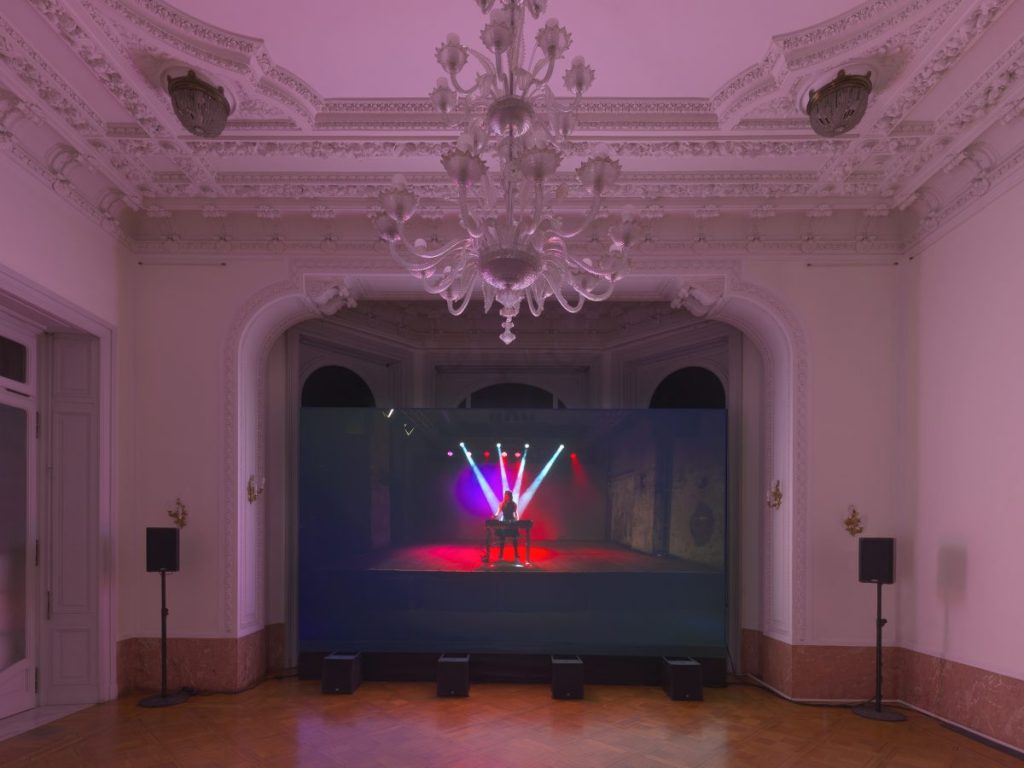
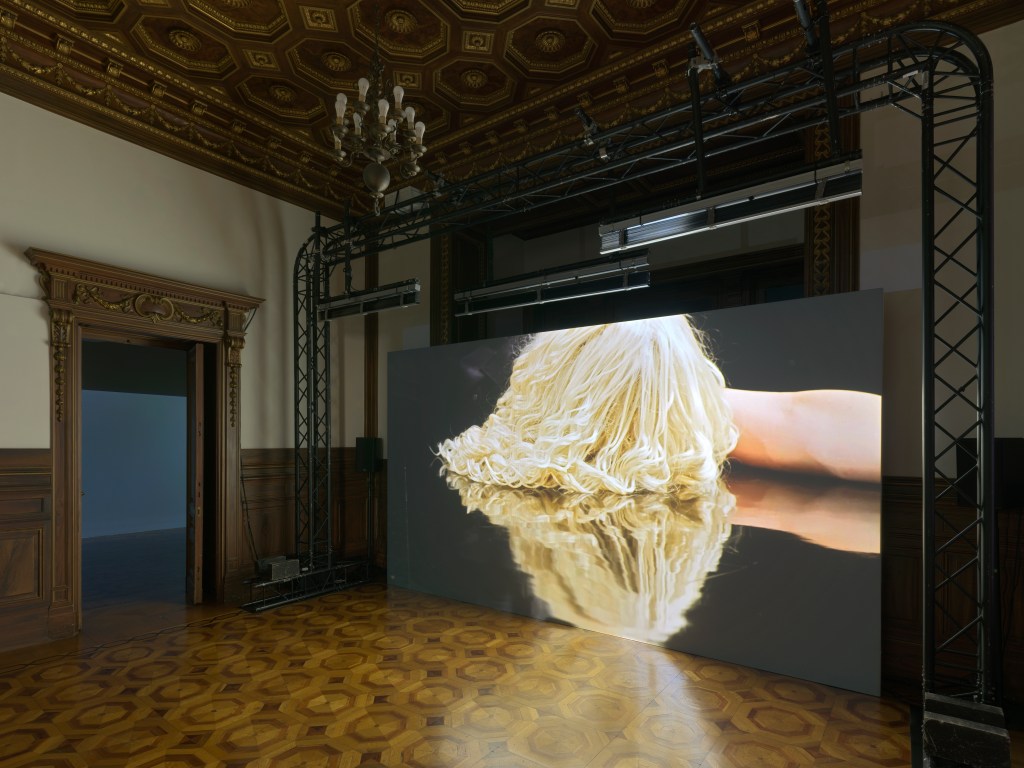
Pauline Boudry / Renate Lorenz, how we always survived, Installation view, Istituto Svizzero, Rome, 2025. Photo Annik Wetter 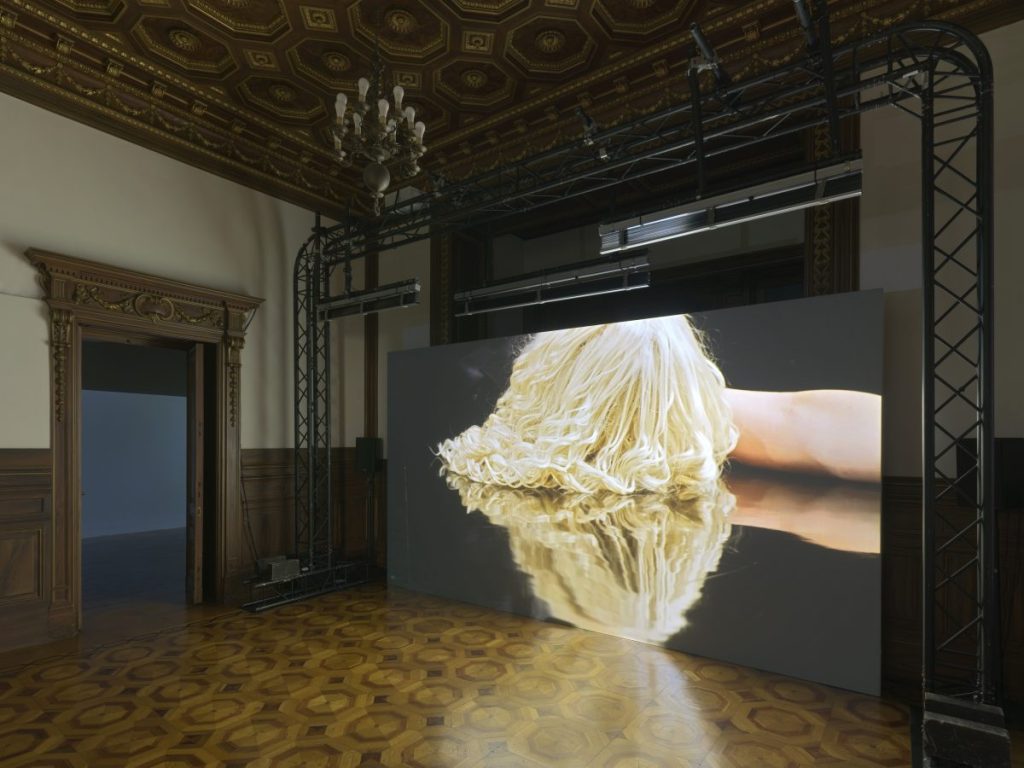
Pauline Boudry / Renate Lorenz, how we always survived, Installation view, Istituto Svizzero, Rome, 2025. Photo Annik Wetter 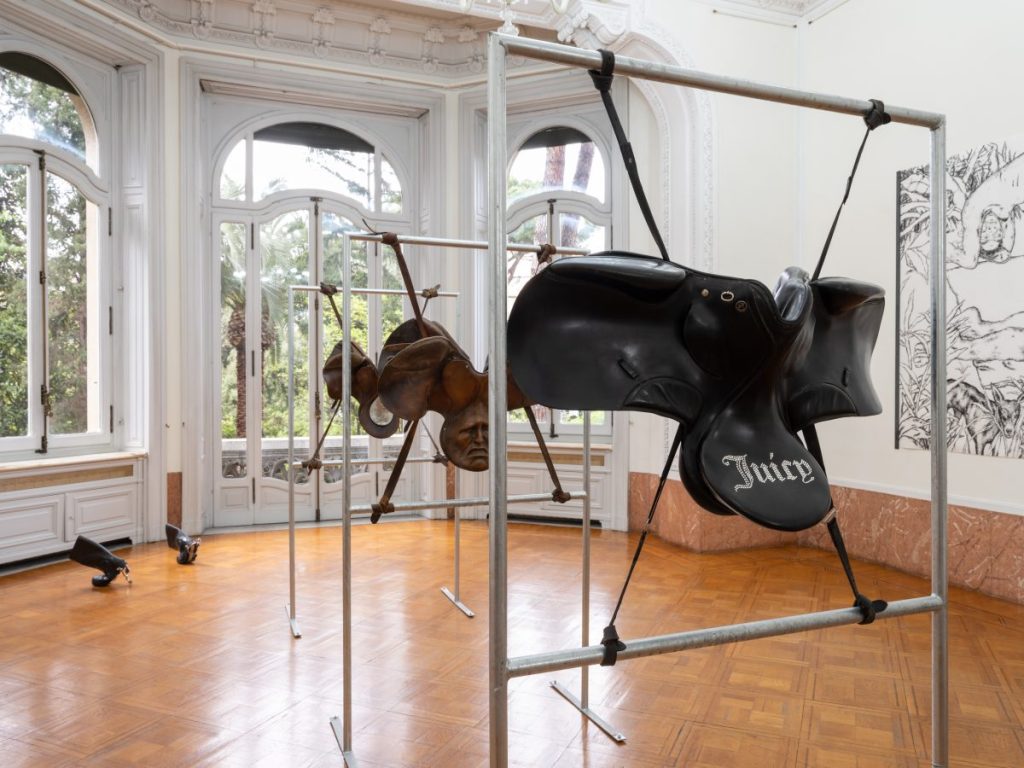
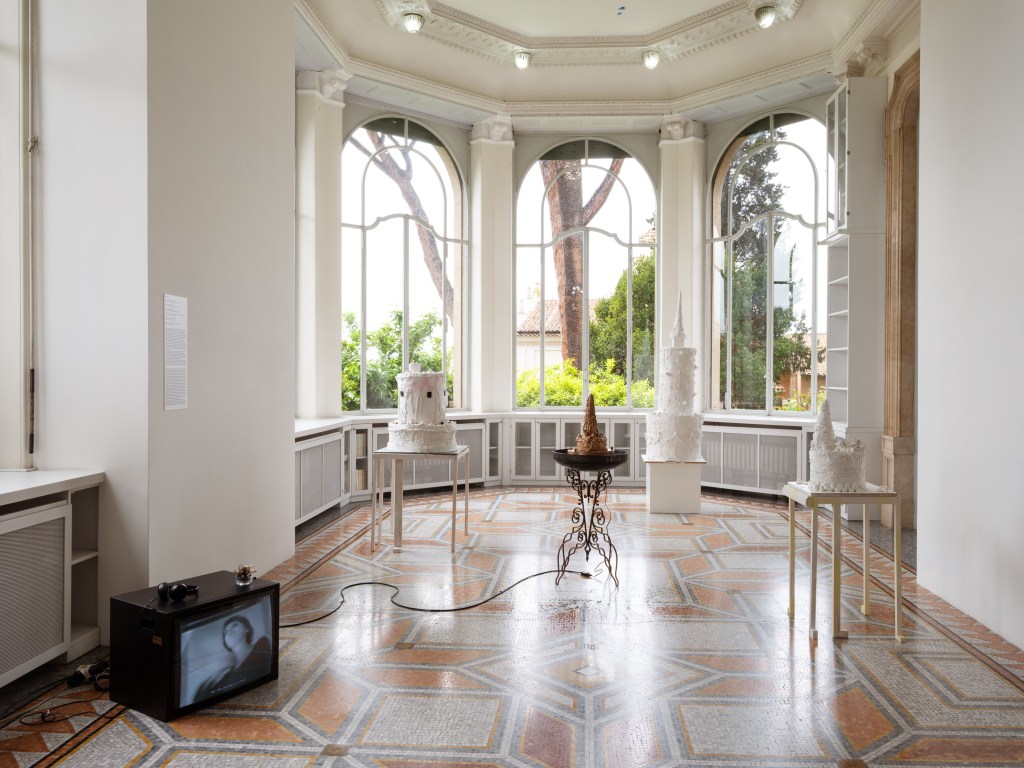
Oderbolz and Milva Stutz in Con lo zucchero in bocca, Installation view, Istituto Svizzero, Rome, 2025. Photo Daniele Molajoli 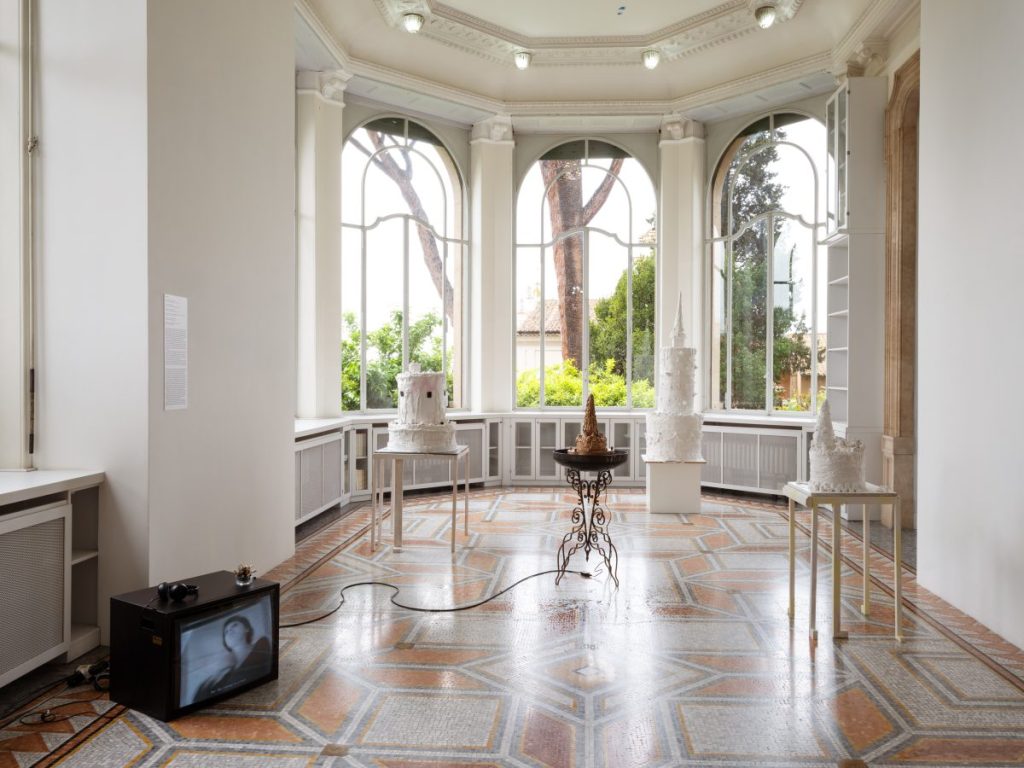
Gina Fischli and Gianfranco Baruchello in Con lo zucchero in bocca, Installation view, Istituto Svizzero, Rome, 2025. Photo Daniele Molajoli 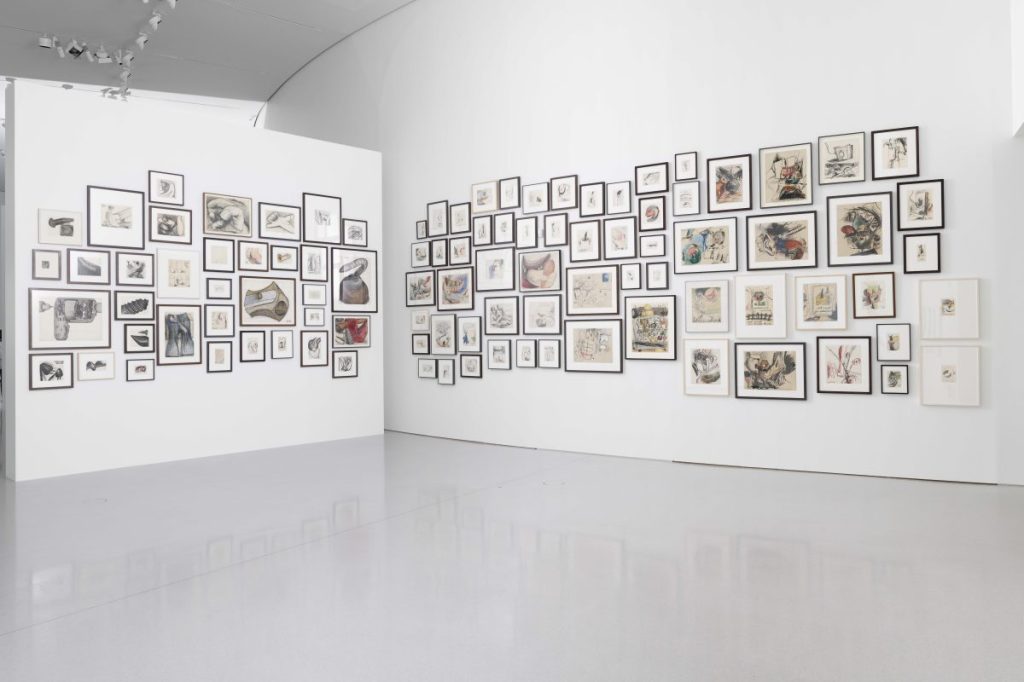
Lee Lozano, Strike, Installation view, La Bourse ‒ Pinault Collection, Paris, 2023. Photo Aurélien Mole / Pinault Collection 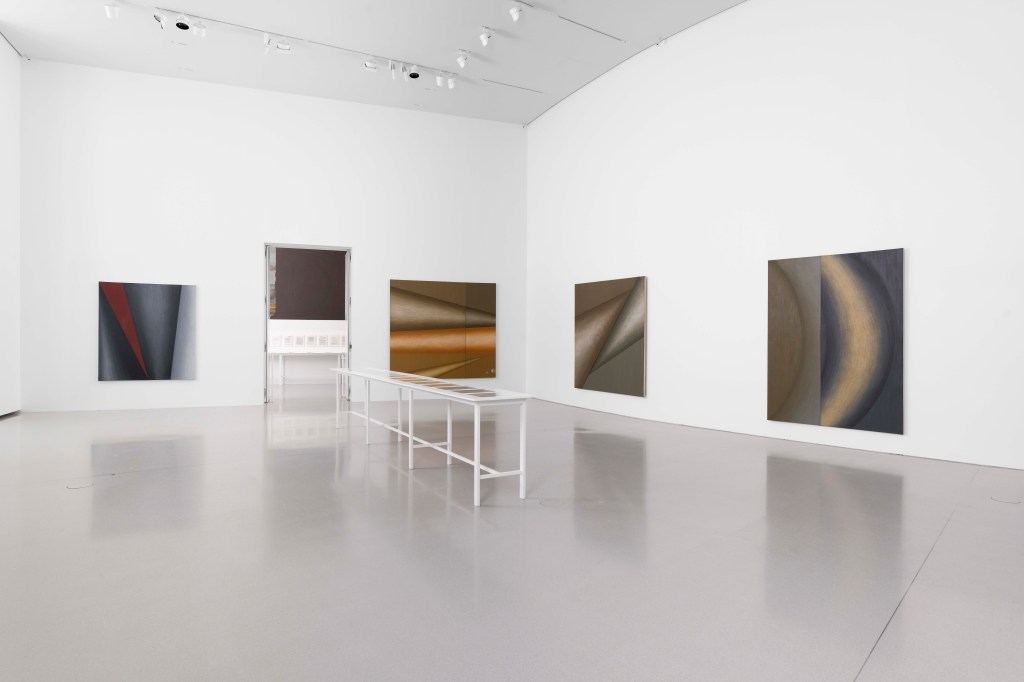
Lee Lozano, Strike, Installation view, La Bourse ‒ Pinault Collection, Paris, 2023. Photo Aurélien Mole / Pinault Collection 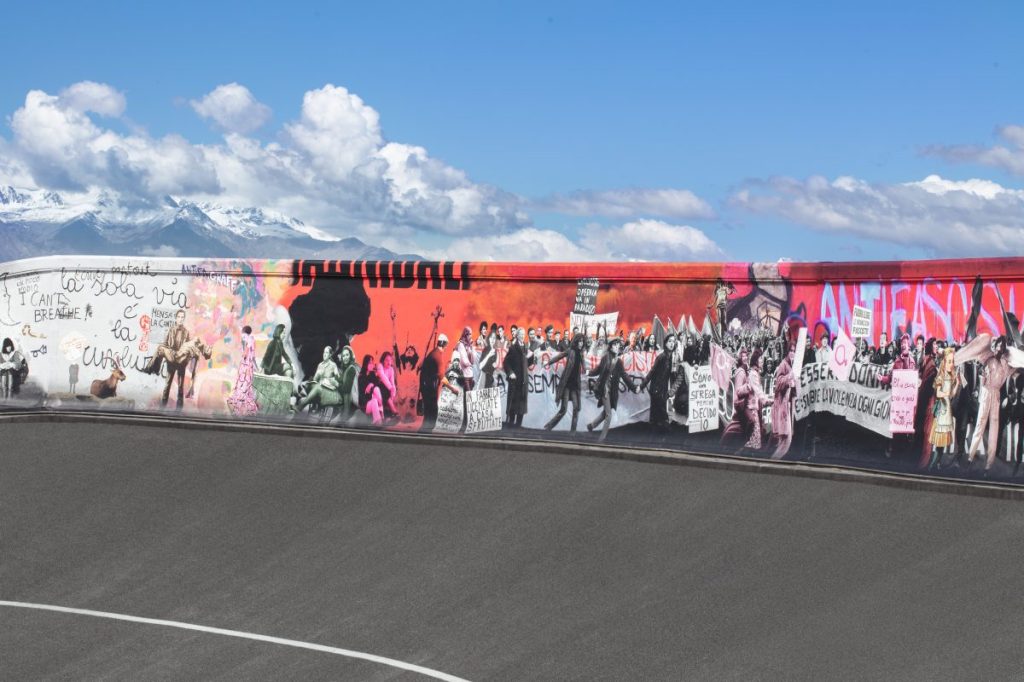
Gonzalez-Foerster, Installation view, PISTARAMA, Pinacoteca Agnelli, Turin, 2024. Photo Sebastiano Pellion di Persano 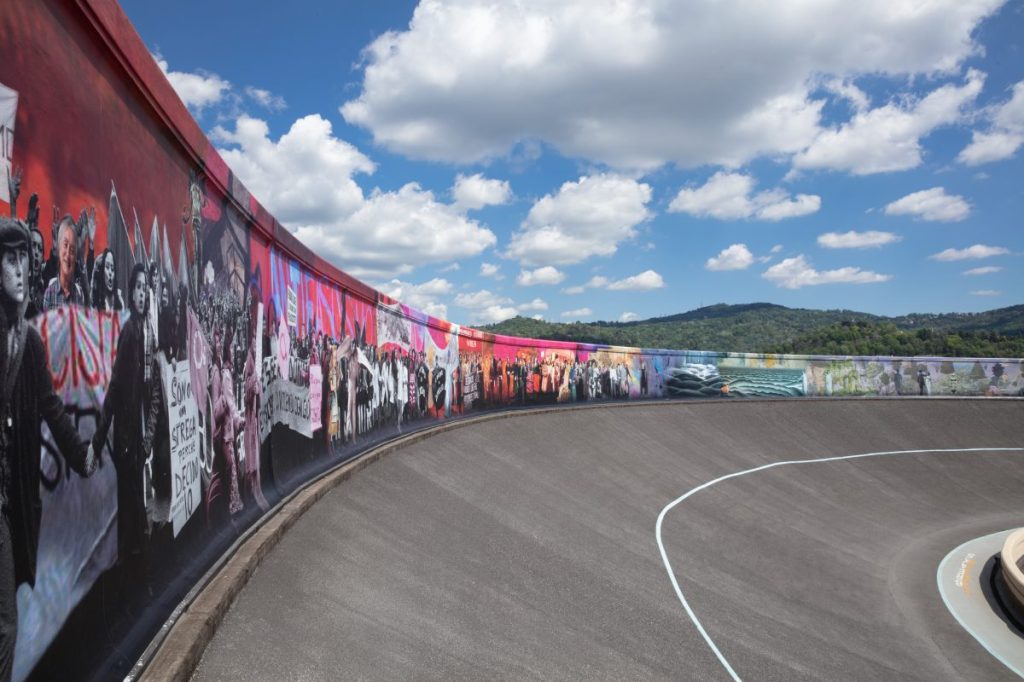
Gonzalez-Foerster, Installation view, PISTARAMA, Pinacoteca Agnelli, Turin, 2024. Photo Sebastiano Pellion di Persano 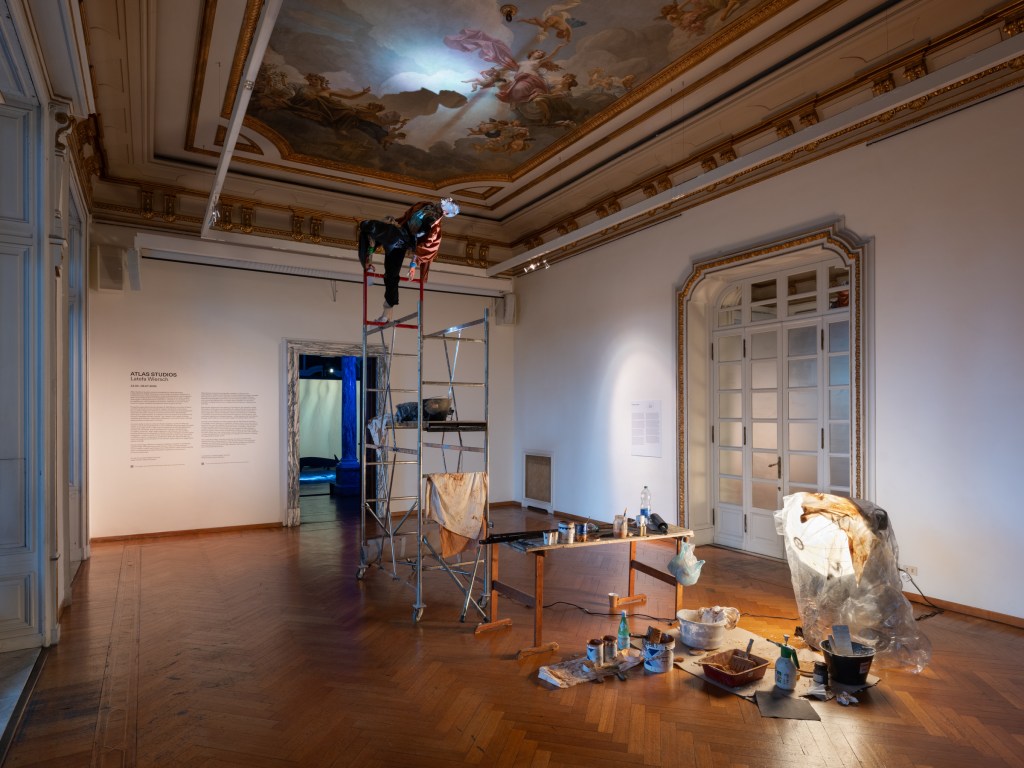
Latefa Wiersch, ATLAS STUDIOS, Installation view, Istituto Svizzero, Rome, 2026. Photo Daniele Molajoli 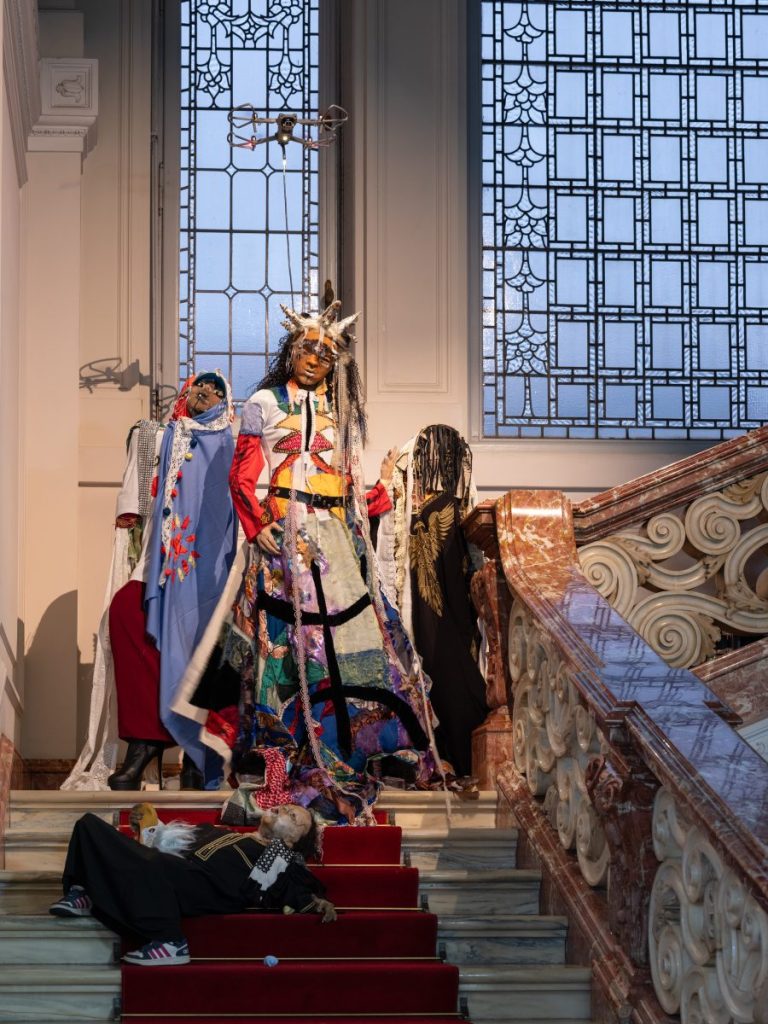
Latefa Wiersch, ATLAS STUDIOS, Installation view, Istituto Svizzero, Rome, 2026. Photo Daniele Molajoli 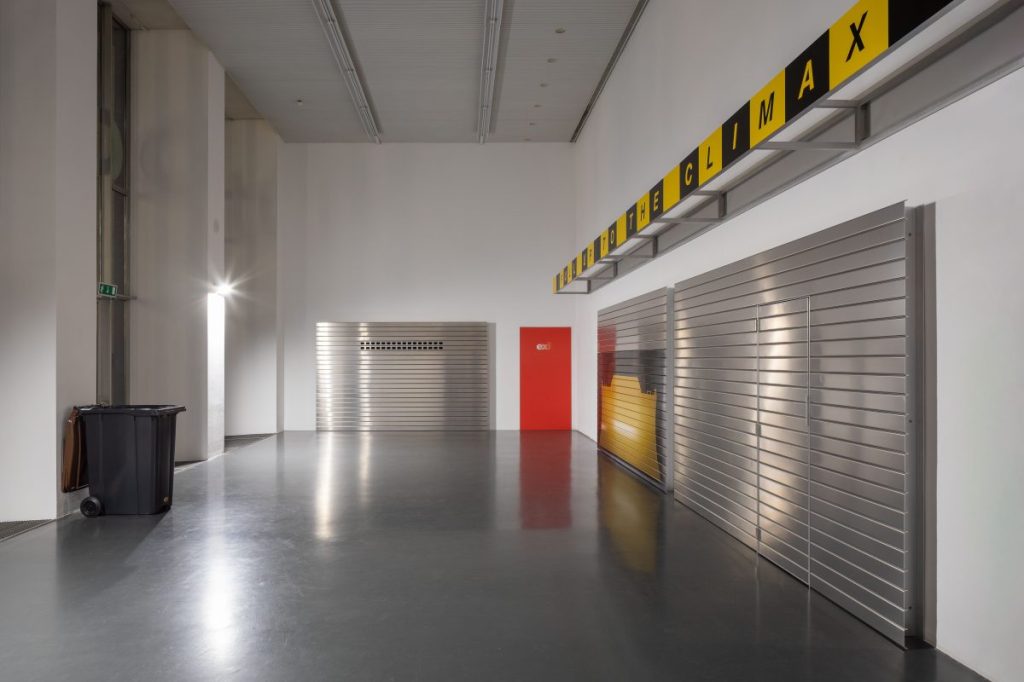
Gabriele Garavaglia & Miriam Laura Leonardi, Deadline With The World, Installation view, Istituto Svizzero, Milan, 2025. Photo Giulio Böem 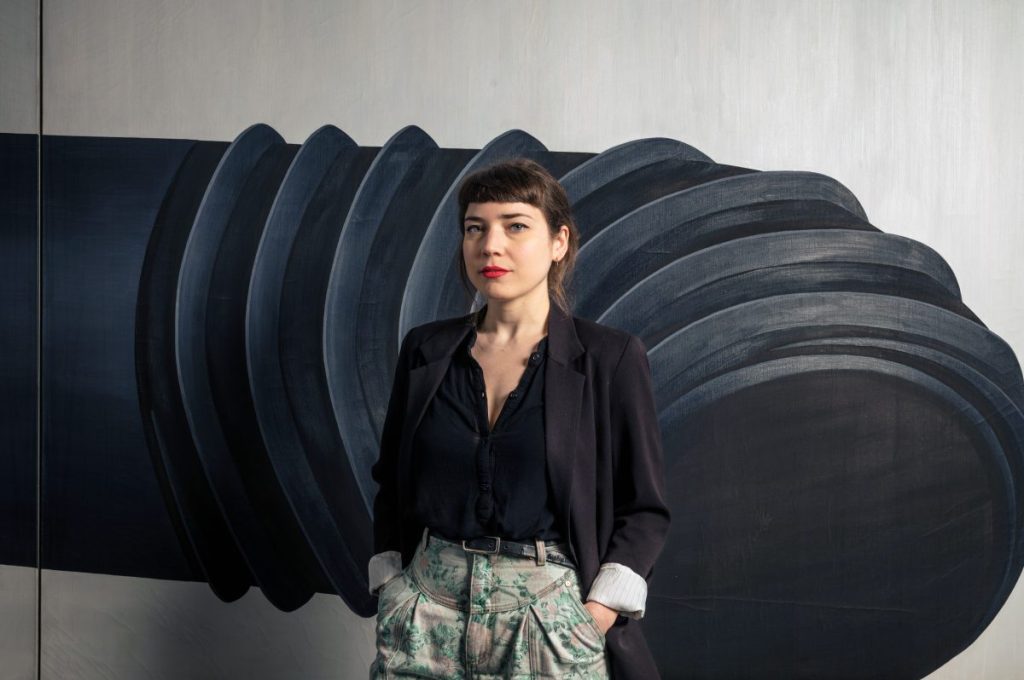
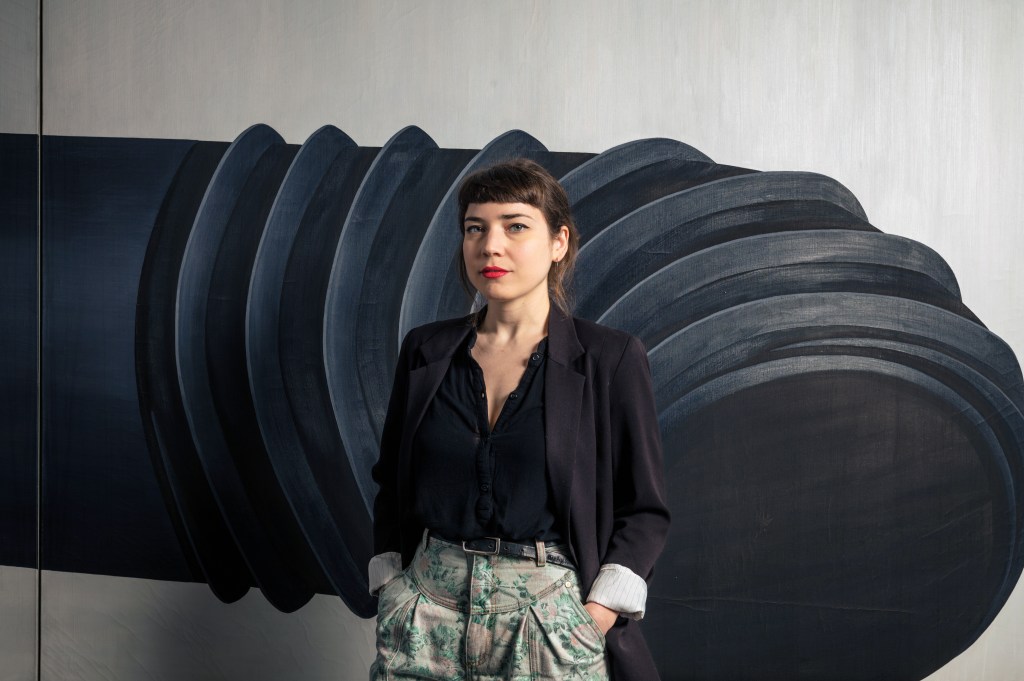
Lucrezia Calabrò Visconti. Photo Federico Masini per Evergreen Design House

