What does it mean to curate without a collection or a strict theoretical framework? As curator of Casino Luxembourg, Stilbé Schroeder’s practice is rooted in intuition, daring, and learning by doing.
Curator of the Luxembourg Pavilion at the 2026 Venice Art Biennale, Stilbé Schroeder (Luxembourg, 1985) shared with us some reflections on how to approach institutional freedom and how to engage with site-specific works capable of transforming a space. She also explained what it means to bring to light raw and uncomfortable truths – the central theme of La Merde, the exhibition displayed in the pavilion, which features the work of Aline Bouvy.
You studied graphic design and typography; how did you get into curatorship? Does your field of study impact your curatorial work in any way?
Before arriving at Art school in Brussels, I had studied at the University of Applied Arts in Strasbourg, mostly a mix of quite conventional art history and some practice, nothing really related to curatorial work other than having to arrange your own practical exercises. It is in Brussels that I was truly intellectually stimulated, again, not exactly in curatorial terms, but through refreshing and thought-provoking theory classes ranging from philosophy to semiology, from non-European art history to psychoanalysis. I remember a teacher dividing us into small groups and having us choose a contemporary dance performance to attend, then bring it back to class to review in front of our classmates. And there was so much more going on around the school and the cultural agenda compared to the very small country I’m from and the city I lived in before. I took dance classes, went out a lot, and met many people. It opened my synapses.
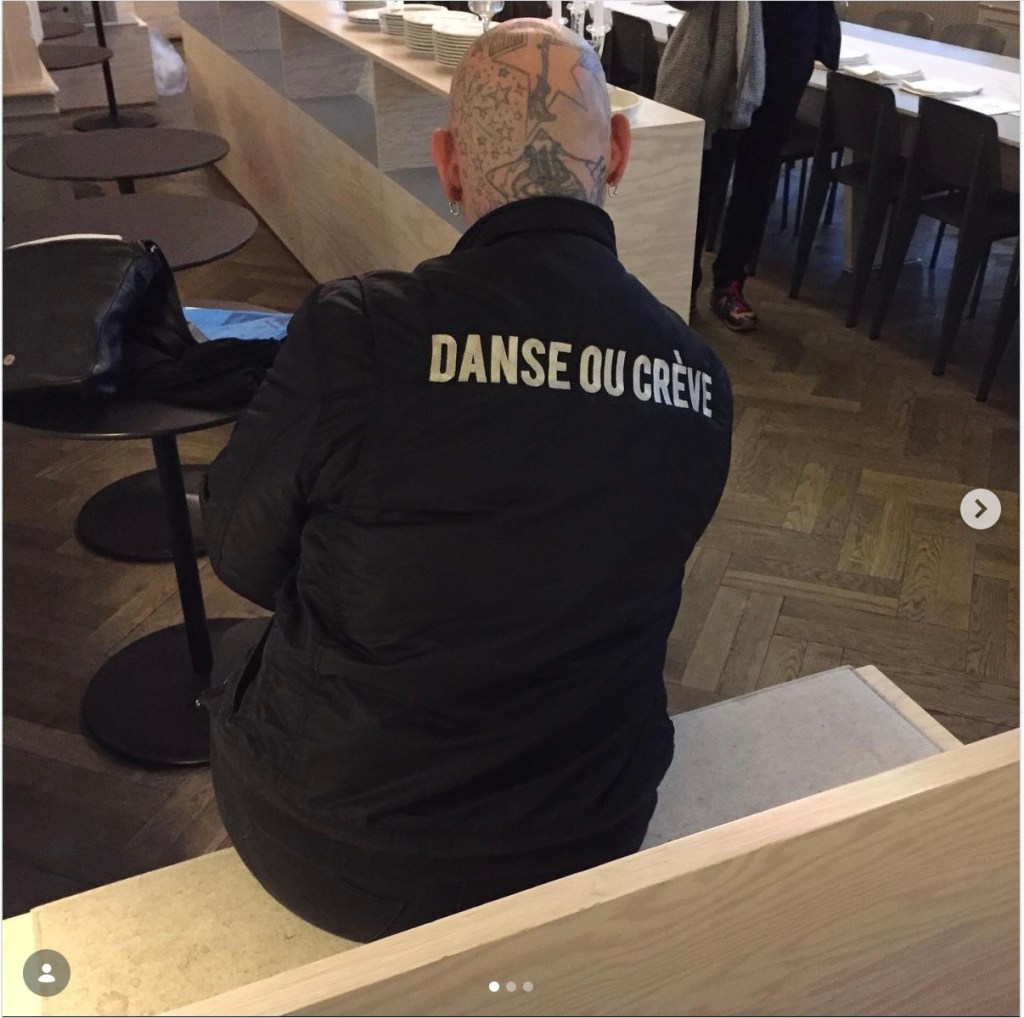
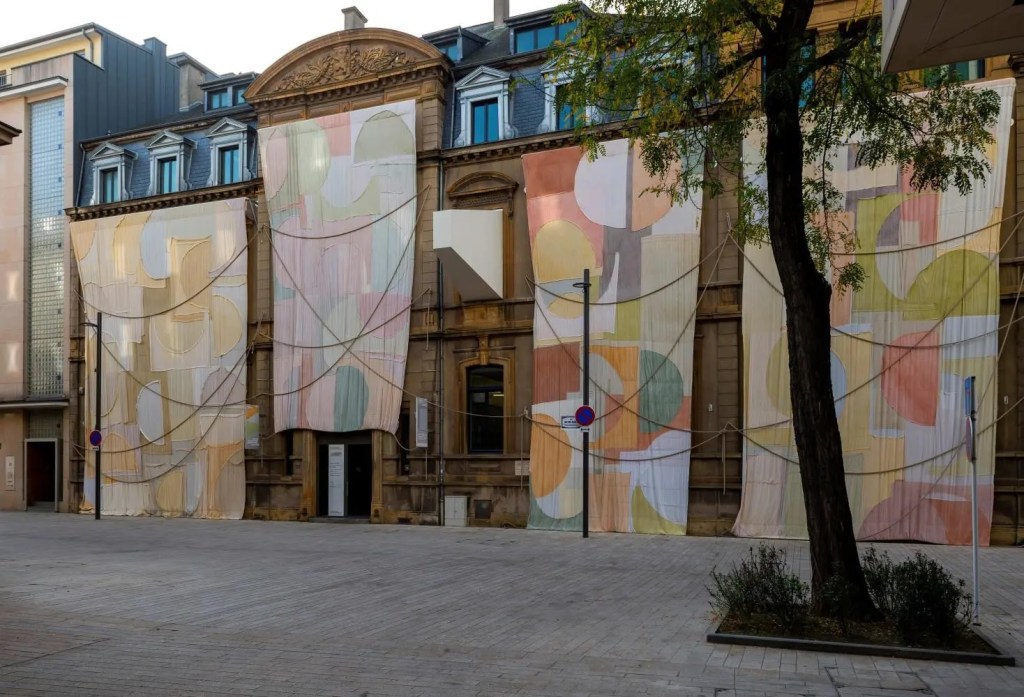
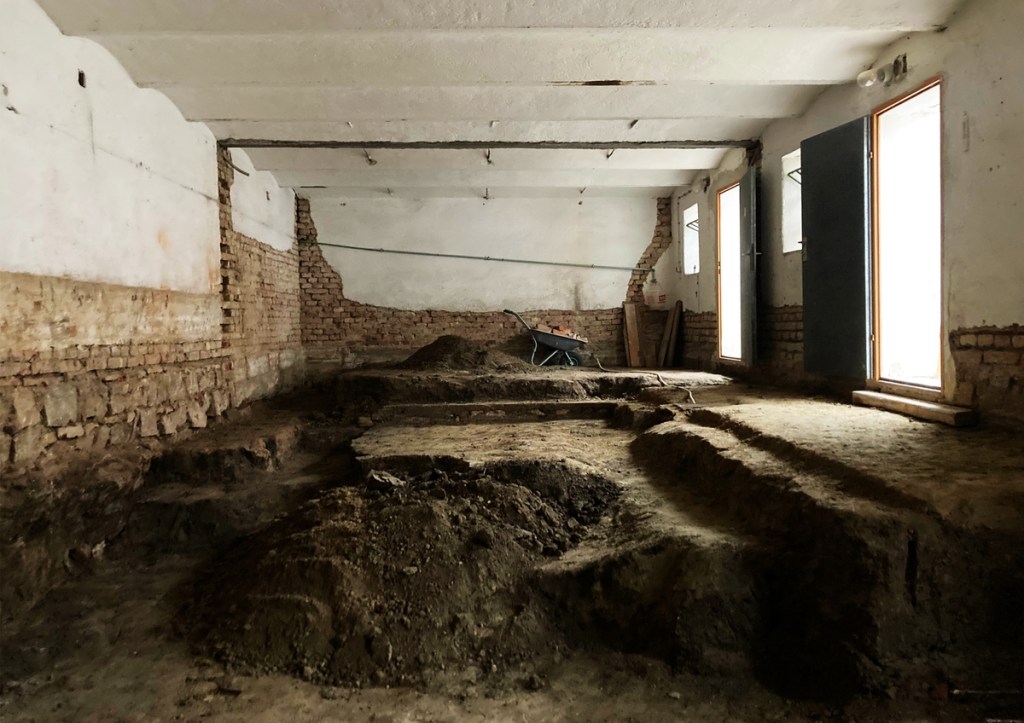
As Head of Exhibitions and Curator at Casino Luxembourg, you have curated exhibitions by artists such as Adrien Vescovi, Tessa Perutz, Aline Bouvy, and Bianca Bondi. Many of these projects involved site-specific, space-transforming interventions: a façade completely covered, lavender spread across the floor, a mirrored wall bisecting a gallery, or a disused basement reactivated as part of the exhibition. While such gestures may appear to be driven solely by the artist, they also inevitably emerge through a dialogue with the institution and its curatorial framework. In your practice, where do you draw the line between the artist’s role and the curator’s role? Is there a clear distinction, or is that boundary inherently collaborative and fluid?
This is a very eloquent résumé of my curatorial history in the institution, where I grew into a so-called curator. It took ten years to feel at ease with this title. It felt, and still feels, like coming with a social class and cultural background, an agenda, and nowadays, a training. I started off as an exhibition coordinator. In 2017, I was appointed assistant curator for the Luxembourgish Pavilion at the Biennale for the first time. The following year, I made my first invitations to artists (friends) to show their work at Casino. I put it that way because this is how I learned to operate at Casino, where I trained and still train, learning by doing and watching others. We are a center for contemporary art focused on production and solo representations. Artists get approached without too many preconceived ideas. For myself, it is extremely intuitive; earlier on, maybe too much so, clearly lacking boundaries and an intellectual framework for understanding how to navigate the attached emotions and the commitment to accompany an artist in shaping the work into an exhibition. This is an ongoing process, and I still do not have a theoretical foundation. I guess what I’m doing is wanting the art in the institution to be as lived an experience as possible, as this is what art means to me.
CURATORSHIP ACCORDING TO STILBÉ SCHROEDER
What qualities do you value most in artists you choose to work with?
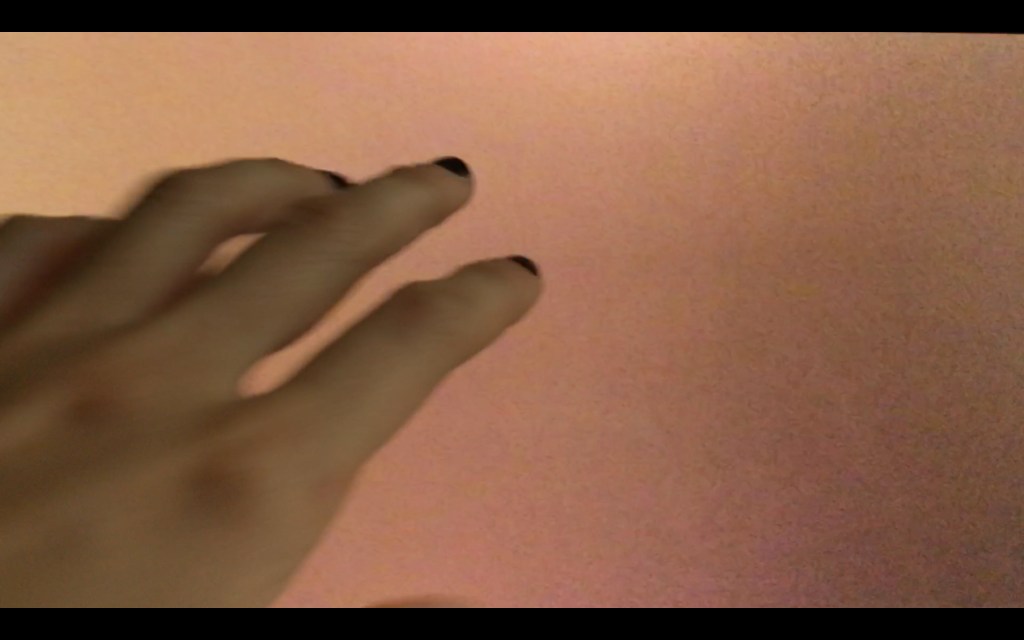
All the artists I have worked with (I would like to add Philomène Hoël, Judith Deschamps, Sophie Jung and Eva l’Hoest) have shown they value my way of working, which has been a constant encouragement. We dare.
Throughout your career, you have worked closely with other curators, including Vincent Crapon, Kevin Muhlen, and Charles Rouleau. Collaboration seems to be a recurring aspect of your practice. Is collaboration something you actively seek out as a curatorial approach? What does work with another curator make possible that might not emerge in a more individual mode of curating?
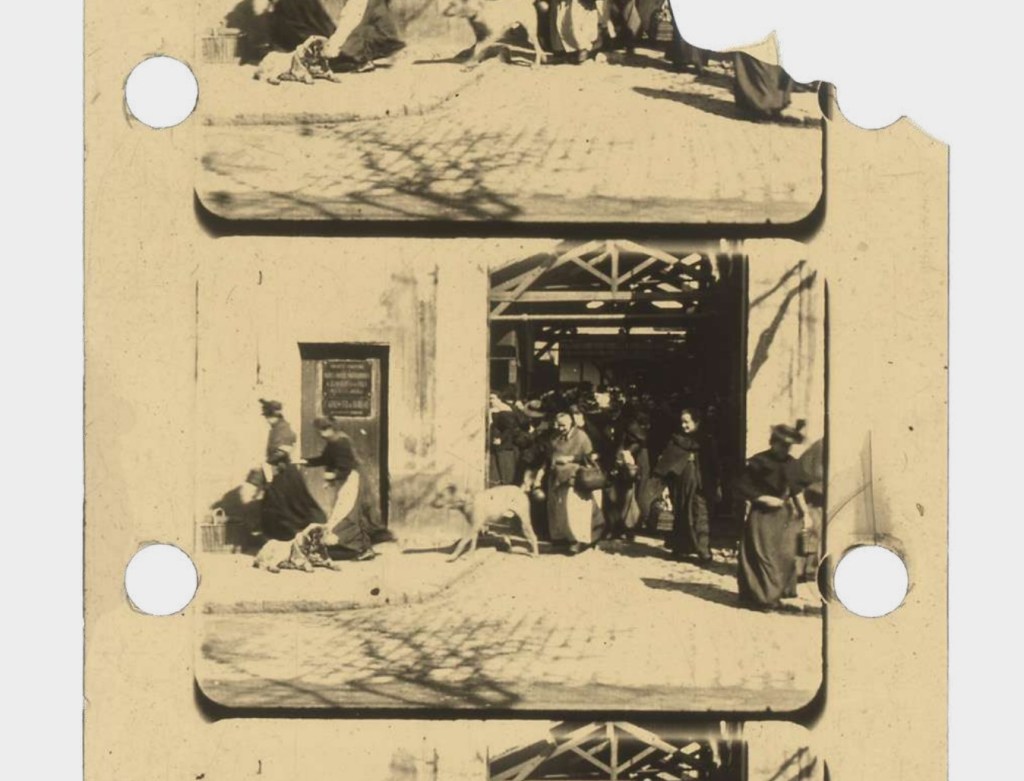
Collaboration as a curatorial approach, not per se, I wouldn’t say so. At least I wouldn’t pretend that it stems from an active endeavor to think of collaboration as a proper means, not yet. I might want to think about this more in the future, and maybe more specifically in a cross-disciplinary way. I remember accompanying the independent researcher Laura Lux to deploy an exhibition extending her PHD on Harun Farocki. She curated the selection of video works, and we (together with the technical team) assisted her in making it work as an exhibition with the challenges a video-works-only exhibition brings. The theoretical framework also incorporated historical aspects, such as archival footage of the Lumière brothers’ iconic “la sortie”. Given my lack of proper academic training, this is very potent to me.
And this might be where past collaborations with curators also stem from. They are a means to challenge and extend thoughts, to undo limitations, and to learn, ideally from one another.
Casino Luxembourg defines itself as “far from any museological concerns.” Can you explain what that means and how it translates in your work there?
Casino is not a museum; it doesn’t have a collection. I have only ever worked with artists who are alive (except for one, but this was not at Casino), and for most of them, up until now, we have been working on their first institutional show. Should I say I’m pretty much working in the here and now, while museological concerns, while they might want to be more and more part of the present, must deal with their archives and conservation. As I mentioned in the previous answer, I find the historical aspect essential and exciting, and I thrive with the artists bringing it in through their positions and affiliations, both formally and theoretically.
THE LUXEMBOURG PAVILION AT THE 2026 VENICE BIENNALE
The Venice Biennale has always been a political and sometimes controversial platform, but this edition in particular has been especially complex ‒ from the passing of the curator Koyo Kouoh, to ongoing debates around the participation of countries such as Israel and Russia.
To quote the book of your 2026 pavilion La Merde, which is a collection of around 200 images creating a loose visual archaeology of excrement which functions both as the exhibition catalogue and, according to the artist Aline Bouvy, as an artwork in its own right; “in 2026 it is fair to say we are mired in shit”, so how does the pavilion fit, respond, or resist in all of this mess?
This editorial note in the book is co-signed with Mirela Baciak, the director of Salzburger Kunstverein, who co-financed the book and the film and to whom the show should travel after Venice. The sentence is hers, but I’m obviously with her and will use a quote from my official opening speech to express it in my words.
“Life is captured by art, and art catches up with life—in all its most pleasant and unpleasant aspects. It is precisely within this raw, uncomfortable, inevitable, and grotesquely humorous truth through which La Merde bursts onto the screen. It is about unflinchingly embracing the flaws that make us inevitably human—and cruel. (…) We would maybe do well to look our own shit in the face now and then—to embrace it as our shared condition—in order to free ourselves from those so-called social constructs that claim to have our best interests at heart but only serve to box us in and eventually better manipulate us. We are constipated, both physically and mentally, and the state of the world is proof of it”.
The first thing visitors notice in the Luxembourg Pavilion is the curved mirrored wall, with E.T The Excremential, a small medium-sized white sculpture that merges Aline Bouvy’s body with the iconic figure of E.T., looking at themselves in the mirror, an act that seems to be a fundamental device throughout the project. I noticed that the wall alters how bodies are perceived; at certain angles, people appear visually thinner. I also found that the people who seemed most aware of this effect were predominantly women. Given that the film is framed as a feminist manifesto, how do you interpret the relationship between the mirrored environment, bodily self-perception, and the different ways visitors (possibly along gendered lines) respond to it?
Yes, as I said myself in an interview before, the first thing people encounter is themselves. But indeed, it is their mirrored image, albeit distorted. While here, the distortion operates externally through the device of the mirror, I suppose distortion also occurs to varying degrees and stages, on the inside, even when the mirror is perfectly fine. The way we see ourselves, are seen, and think about being seen is a very complex societal and relational enterprise. That it occurs along gendered, cultural, and ethnic lines is his story. Aline’s work never claims a moral affirmation but points to dead ends, with her proposals serving as a means of emancipation, starting with her own. Hence her melting with an extraterrestrial other.
The film, described by the artist as a laxative for a constipated society, can be considered quite disturbing; the fecal matter is very realistic, and her actions quite problematic. Shame is, of course, one of the central themes of the film. However, even though the film is partially concealed because of the configuration of the pavilion, you decided not to put any kind of real trigger warning for visitors. On the contrary, at the end of your curatorial text, you write: “The scene is set. An inner upheaval may arise”, teasing people’s curiosity. Can you explain that decision?
To be honest, I don’t even remember it coming up in a conversation. You’ve got me stumped, as one would say in French. Now that it has been addressed but not fully thought through, let me share, off the top of my head, what occurs. At Casino, this negotiation is often first brought up by the mediation department, as they experience people’s reactions firsthand, as you are. This happens from the moment the program is first presented, even when it is still totally in process. It is then negotiated and navigated with the exhibition department, artists, and/or (invited) curators. That said, it shouldn’t sound like I’m totally ignorant of the aspect in the first place. In this case, the mediation is detached from the process and stepped in last. This is an interesting observation.
Interestingly enough, the commissioner employed an external agency for advice and guidance up until the official press conference in January 2026, in the event we had to navigate controversy linked to the provocative title, with the press and public opinion reducing the project to mere provocation. It was also meant to back the Minister of Culture, who had previously had to respond to a parliamentary question from the far right.
The title alone was stirring up even before the film was revealed in Venice. The communication up to the opening week was kept voluntarily abstract in images and factual in the description of the spatial concept.
Maybe this tension is what the last sentence on the wall text was nourished from.
Many young curators feel the pressure to play it safe, especially at the beginning of their careers. What has your experience taught you about the value of taking risks, and how would you encourage others to do so?
I’ve been privileged to work in an institution with the financial means and the freedom of expression assured by the state, which has permitted me to follow my gut. There is nothing particularly risky about it.
Yasmine El Hafidi
9 May – 22 November 2026
Aline Bouvy. La Merde
Luxembourg Pavilion
Arsenale – Venice
Biennale Arte 2026 Grand Duchy of Luxembourg
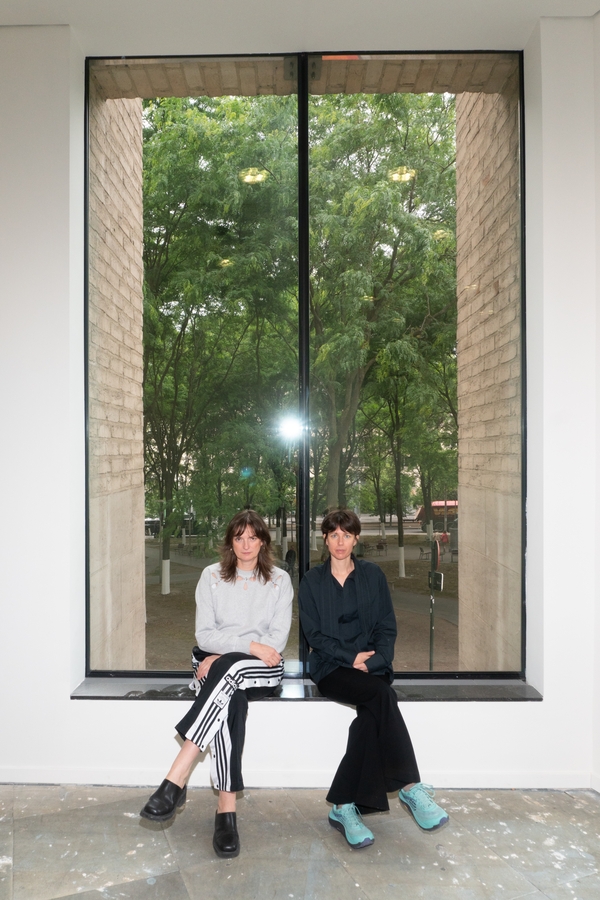
Christoph Meier, Ute Müller, The Hearth Room, Casino Luxembourg, to come in September 2026 © The Artists Adrien Vescovi, Jours de lenteur, installation view, Casino Luxembourg © Marc Domage Aline Bouvy (left) and Stilbé Schroeder (right), 2025. © Ernest Thiesmeier Jean-Luc Verna, november 2019, Casino Luxembourg © Stilbé Schroeder Philomène Hoël, Show me Love, Casino Luxembourg © Philomène Hoël Vestige of the nitrate positive fragment of “Lumière film n°91,2 – Sortie d’usine, II”, Louis Lumière, 1895 © Institut Lumière

