Until 31 July 2026, the Archivio di Stato in Venice will be open to the public, hosting a photographic exhibition by Dayanita Singh. A living, ever-evolving archive, it brings together photographs taken by the artist in archives – and elsewhere – over the last ten years.
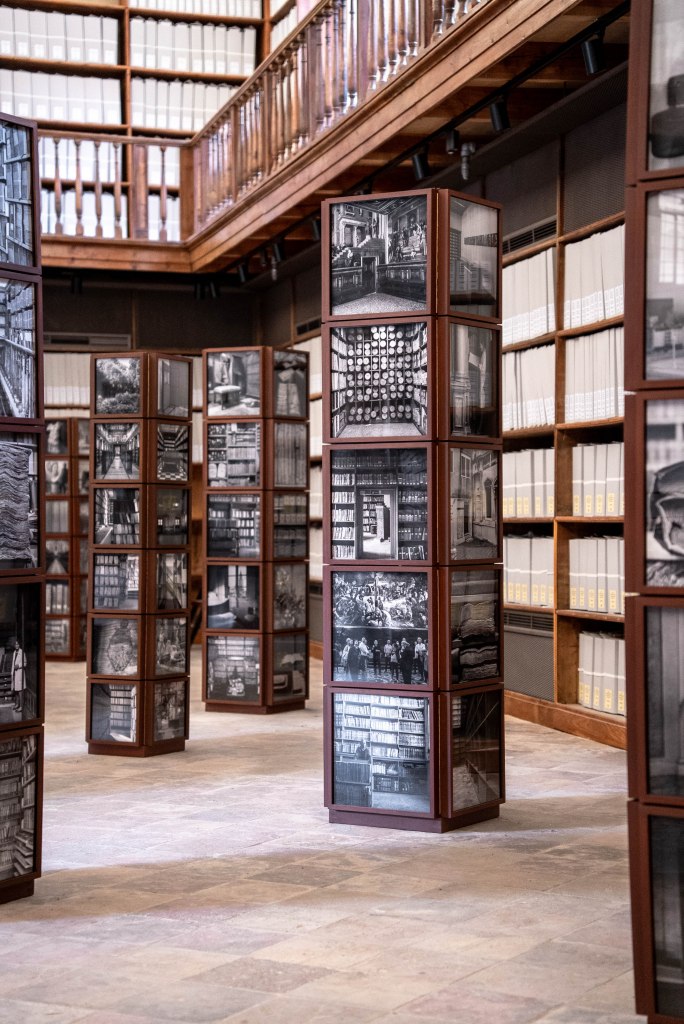
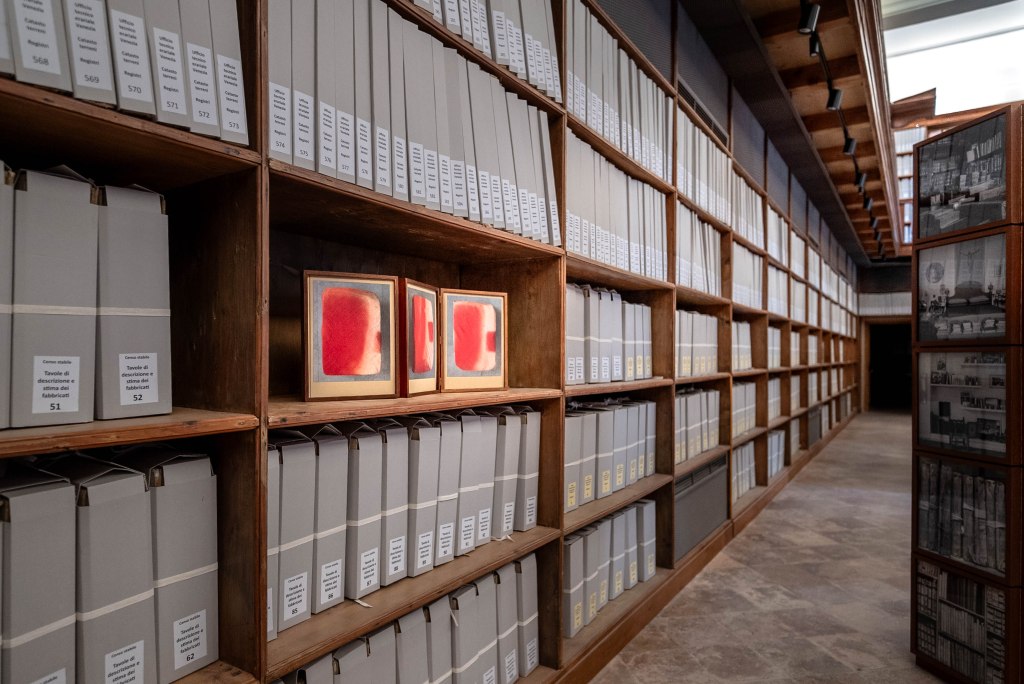
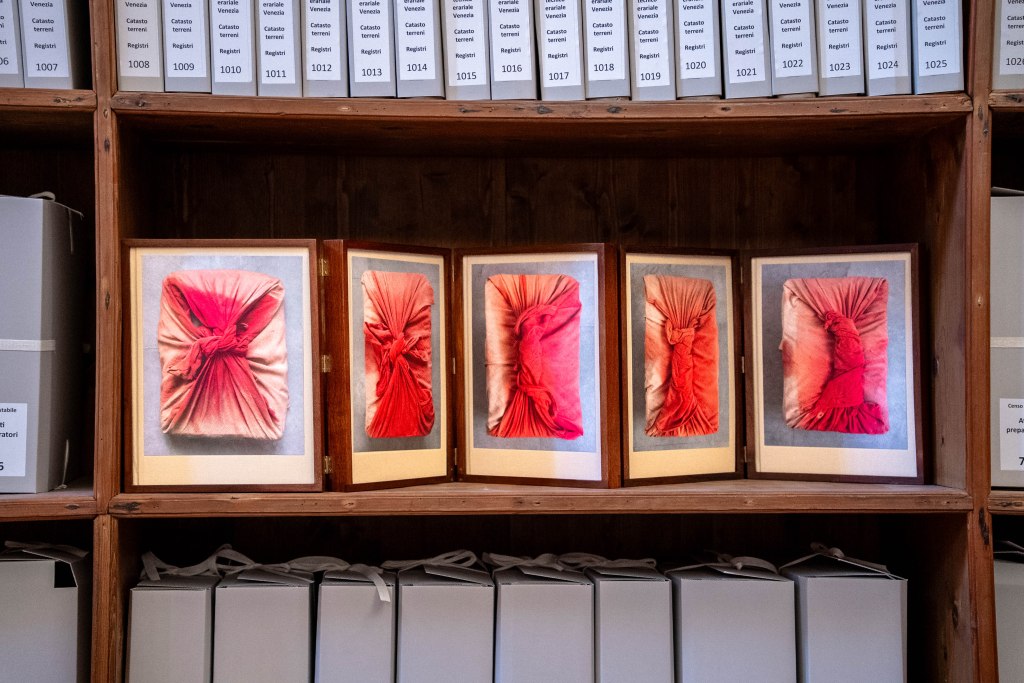
The exhibition Archivio presents a parallel archive – a meta-archive – created by Dayanita Singh (New Delhi, 1961) over the last decade. It comprises a body of photographs taken in Bologna, Como, Florence, Venice, Rome, Naples and Palermo, featuring portraits of the respective cities’ archives, viewed from both the outside and the inside. A selection of three hundred and fifty photographs included in the project is therefore on display at the Archivio di Stato in Venice. The images, mounted on fifteen mobile wooden stands, blend seamlessly and interact perfectly with the shelving and the space. Each display stand is thematic and dedicated to an Italian city – except for Patrons, which features portraits and family photographs, and the cushions from Blue Measures. Thanks to the wooden structures, the photographs engage in a formal, exhibition-based and conceptual dialogue with the host archive.
DAYANITA SINGH’S EXHIBITION IN VENICE
After the Archivio di Stato in Venice, the exhibition will move to the Museo Nazionale Etrusco at Villa Giulia in Rome, then to the MAO ‒ Museum of Oriental Art in Turin and finally to the Italian Cultural Institute in New Delhi, taking on a new site-specific identity at each venue and explicitly expressing the desire to offer an interpretation of the concept of the archive, understood as an organism made up of shared and shareable memories. In this sense, the words of curator Andrea Anastasio, referring to the artist and quoted in the exhibition programme, are emblematic: “Crucial to this long engagement has been the role of friendship. Access – to private homes, hidden libraries, family collections, storerooms and spaces otherwise inaccessible – was granted to her not through institutional commission alone, but also through relationships cultivated over decades. Friends have opened their doors; they have entrusted her with their stories, their interiors, their silences. In doing so, they became, in a profound sense, her patrons.”
The artist’s photographs lend the viewer eyes and a perspective they could never otherwise have, silently discovering and observing otherwise inaccessible spaces that are thus opened and made accessible. The exhibition brings to the fore the role of photography as a medium for the collective dissemination of something which, though hidden, holds value for everyone. Thus, on the one hand photography, and on the other the archive become intimate expressions of the human inclination to collect and preserve images and memories.
THE ARCHIVE ACCORDING TO DAYANITA SINGH
What emerges from Archivio is the intimacy of a collective gesture; it is the contemplation of hidden treasures; it is the importance placed on detail which, if not immortalised, risks falling into anonymity.
Amidst a whirlwind of images that haunt the contemporary world, Singh chooses the tranquillity of a decade-long quest: a collection of photographs that grows richer with time and is constantly changing. Archivio manifests this growth through the specific recomposition and selection for each venue hosting the exhibition, thus giving concrete form to Foucault’s concept of heterotopia (a real place that functions as an “other” space). In the same venue – this time the Archivio di Stato in Venice – the façade of a Turin palace, the mise en abyme of a family album, and a labyrinth of reflections from a Venetian archive coexist. In this way, the physical archive becomes a space for collection but also a catalyst, in a discourse that connects the past, the present and all the places depicted. The images are linked by a single overarching theme: Dayanita Singh’s gaze, which offers the visitor the chance to see what they would most likely never have looked at otherwise.
Rebecca Canavesi
Dayanita Singh. Archivio, installation view, Archivio di Stato, Venezia 2026. Photo Gabriele Boghlic 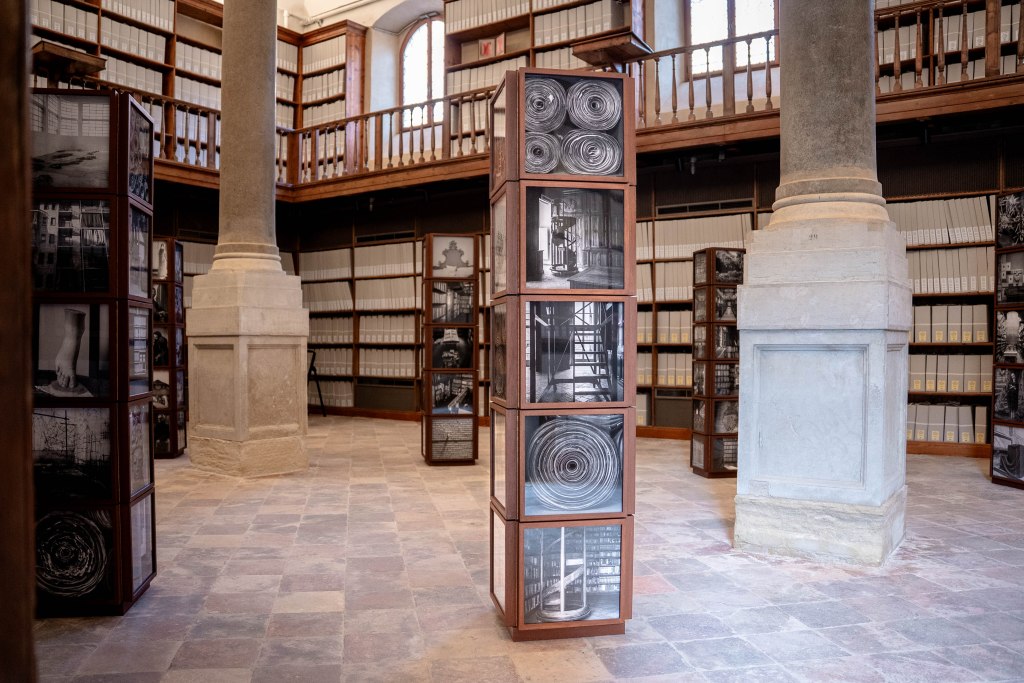
Dayanita Singh. Archivio, installation view, Archivio di Stato, Venezia 2026. Photo Gabriele Boghlic Dayanita Singh. Archivio, installation view, Archivio di Stato, Venezia 2026. Photo Gabriele Boghlic 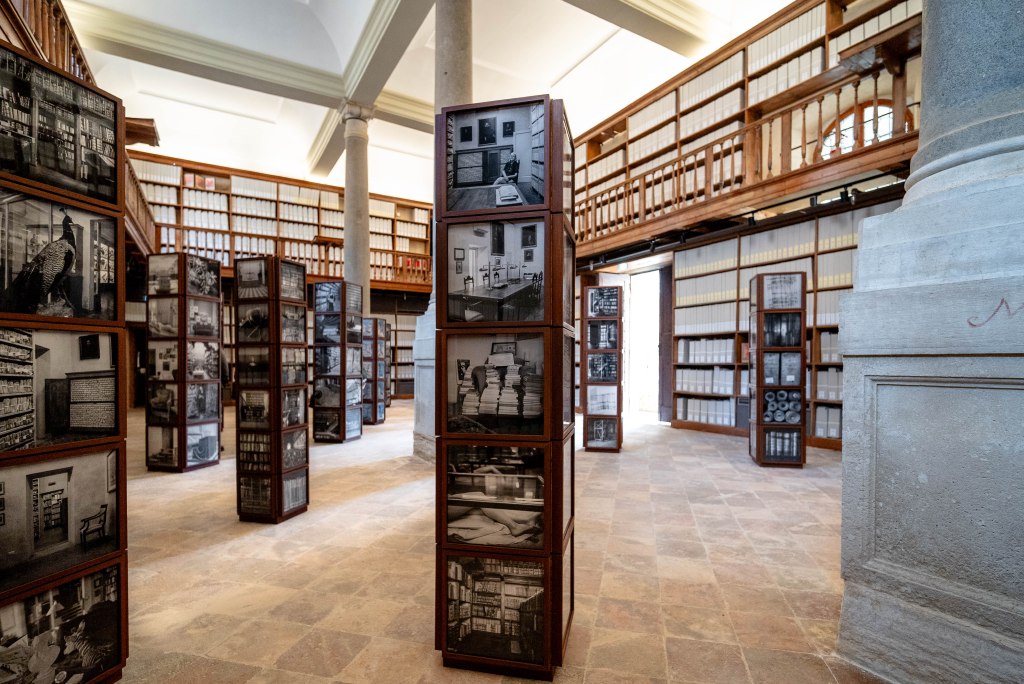
Dayanita Singh. Archivio, installation view, Archivio di Stato, Venezia 2026. Photo Gabriele Boghlic 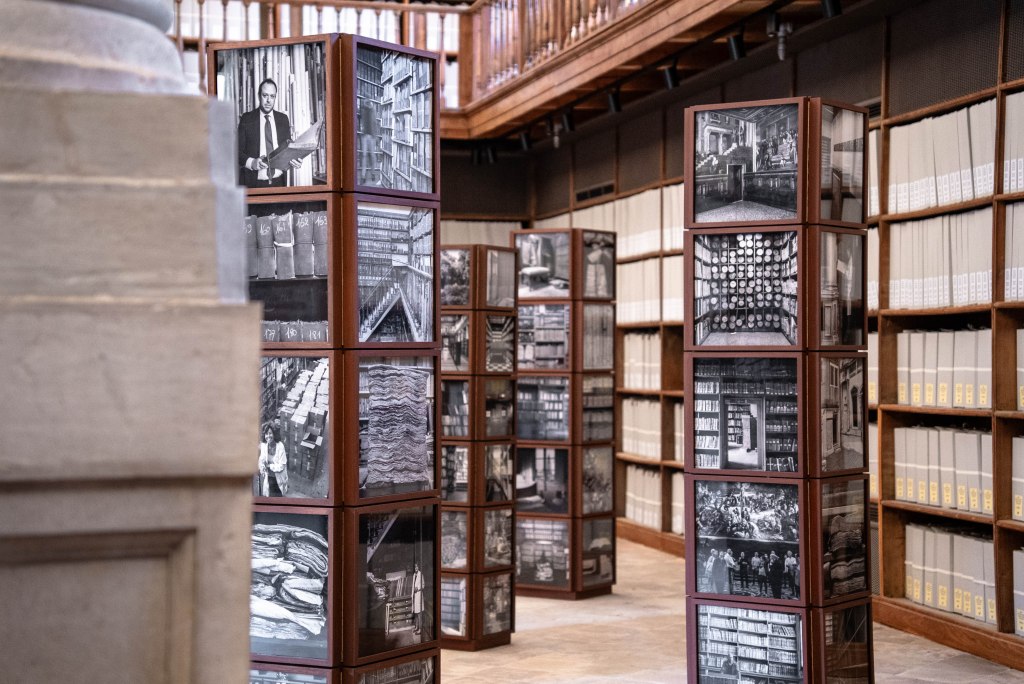
Dayanita Singh. Archivio, installation view, Archivio di Stato, Venezia 2026. Photo Gabriele Boghlic 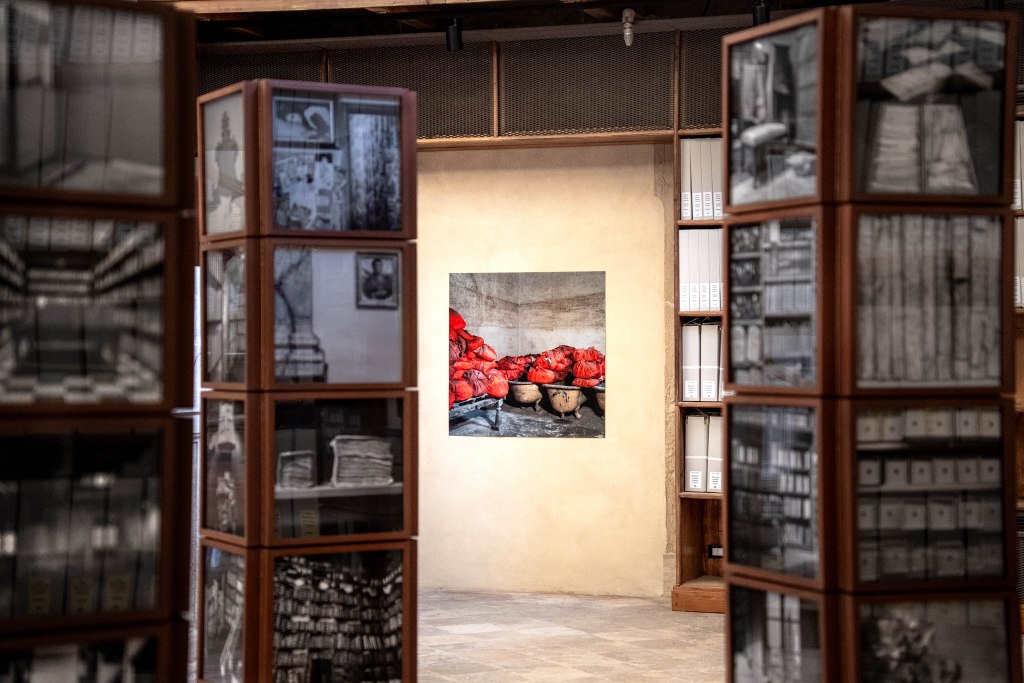
Dayanita Singh. Archivio, installation view, Archivio di Stato, Venezia 2026. Photo Gabriele Boghlic Dayanita Singh. Archivio, installation view, Archivio di Stato, Venezia 2026. Photo Gabriele Boghlic 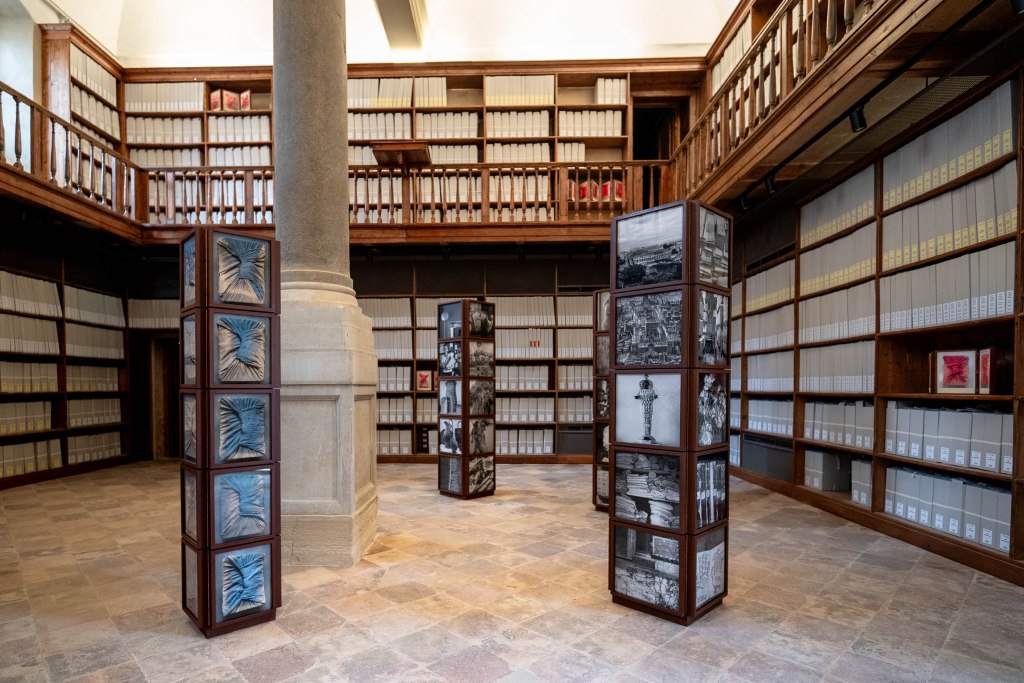
Dayanita Singh. Archivio, installation view, Archivio di Stato, Venezia 2026. Photo Gabriele Boghlic 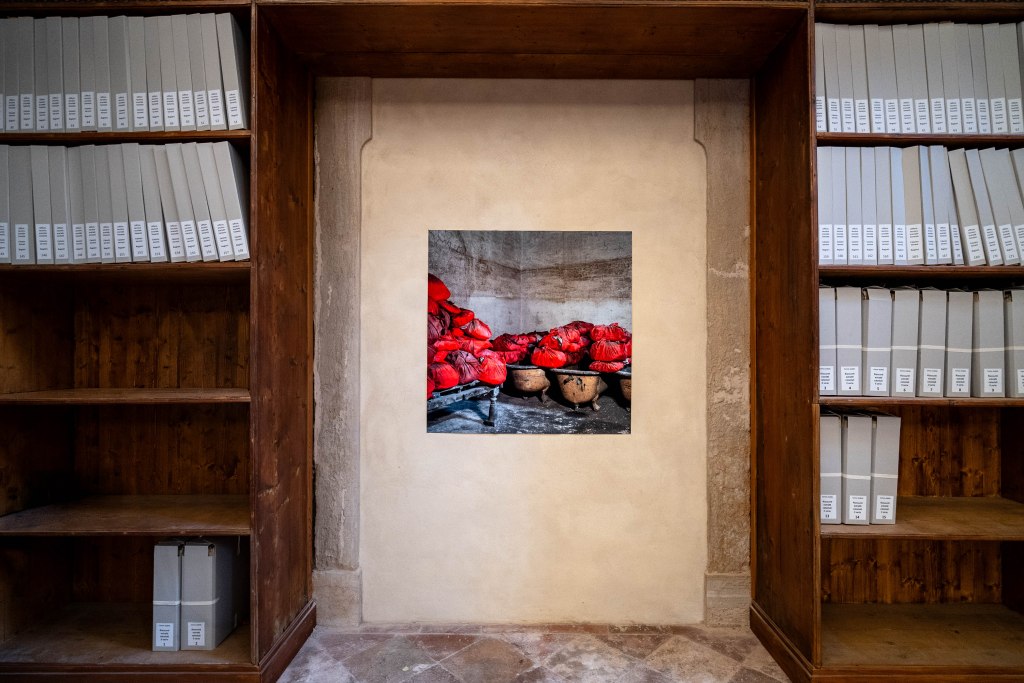
Dayanita Singh. Archivio, installation view, Archivio di Stato, Venezia 2026. Photo Gabriele Boghlic 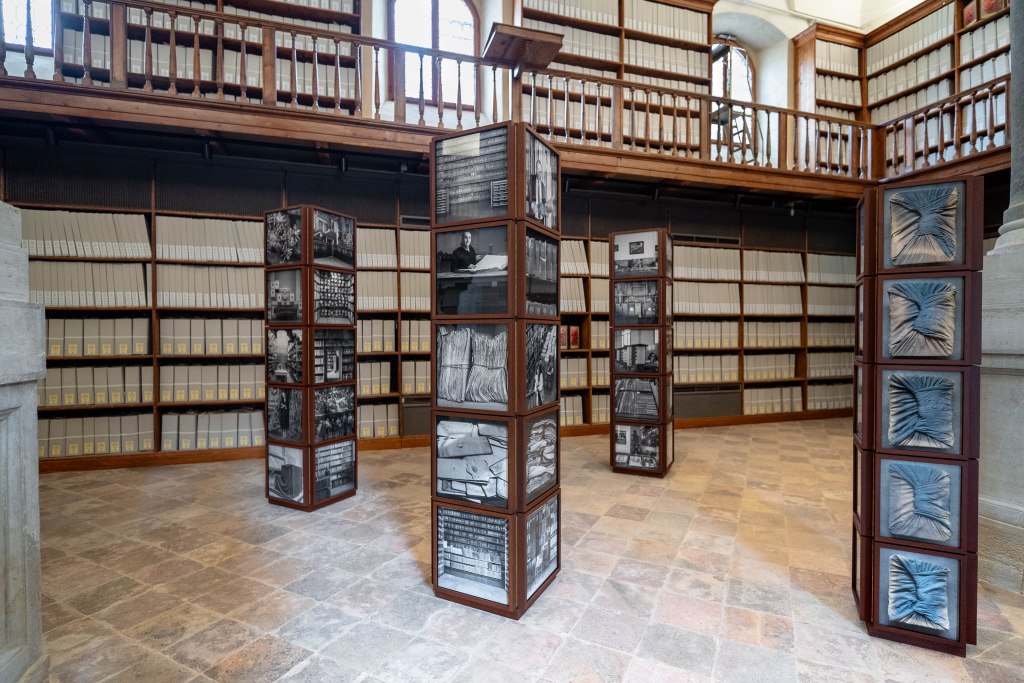
Dayanita Singh. Archivio, installation view, Archivio di Stato, Venezia 2026. Photo Gabriele Boghlic 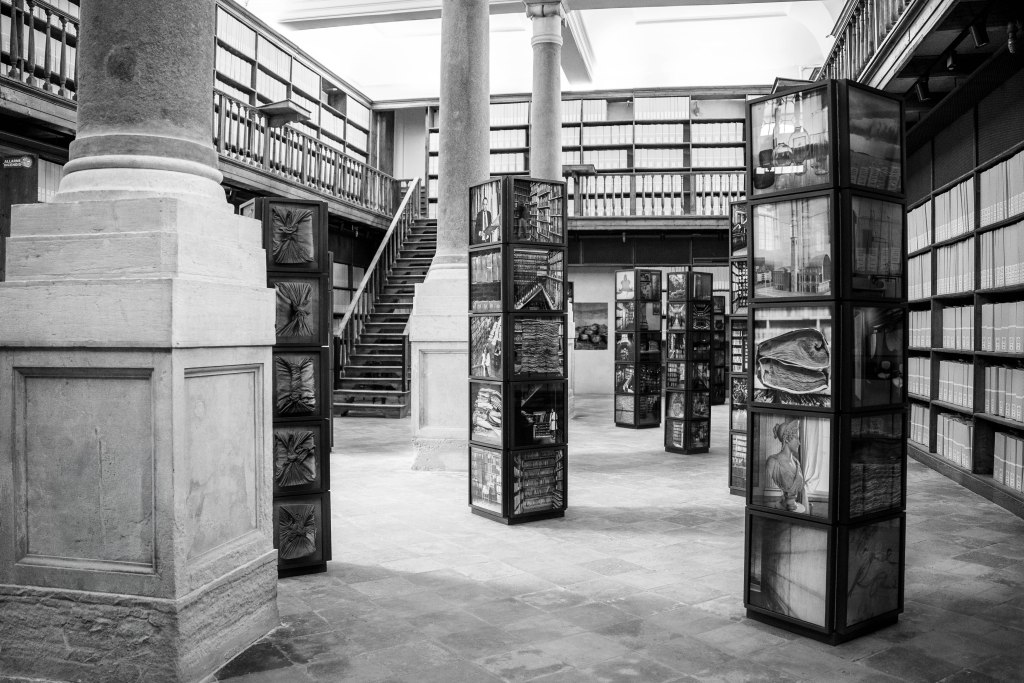
Dayanita Singh. Archivio, installation view, Archivio di Stato, Venezia 2026. Photo Gabriele Boghlic 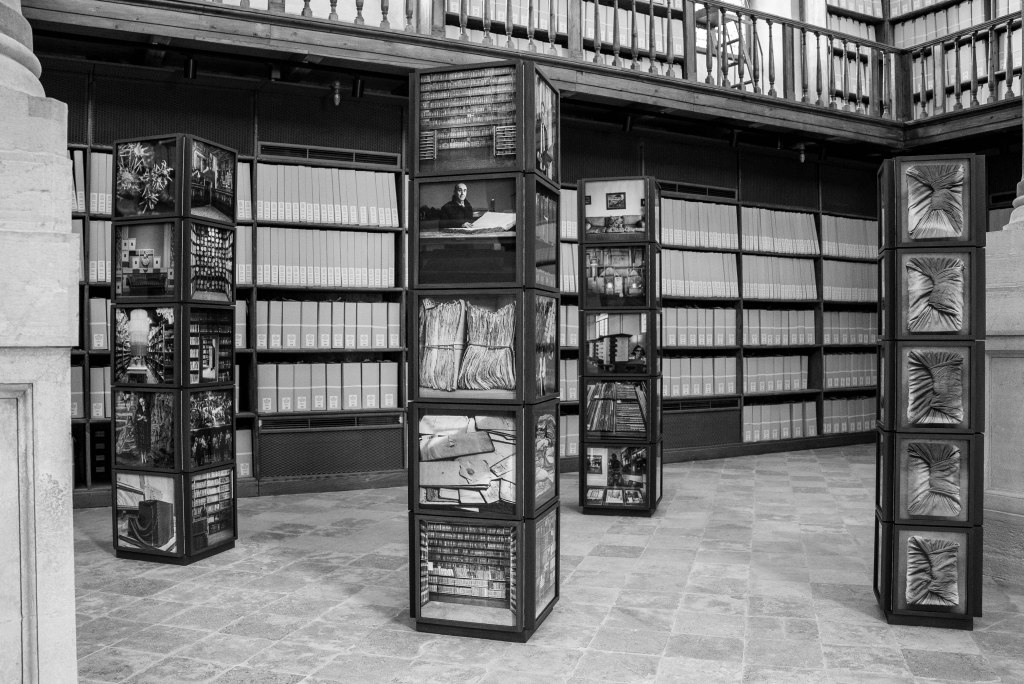
Dayanita Singh. Archivio, installation view, Archivio di Stato, Venezia 2026. Photo Gabriele Boghlic
The text has been translated in English using AI

