The MAMbo ‒ Museum of Modern Art in Bologna is hosting “John Giorno: The Performative Word”, curated by Lorenzo Balbi, in the Sala delle Ciminiere: the first institutional retrospective dedicated to the radical poet and artist of the New York avant-garde.
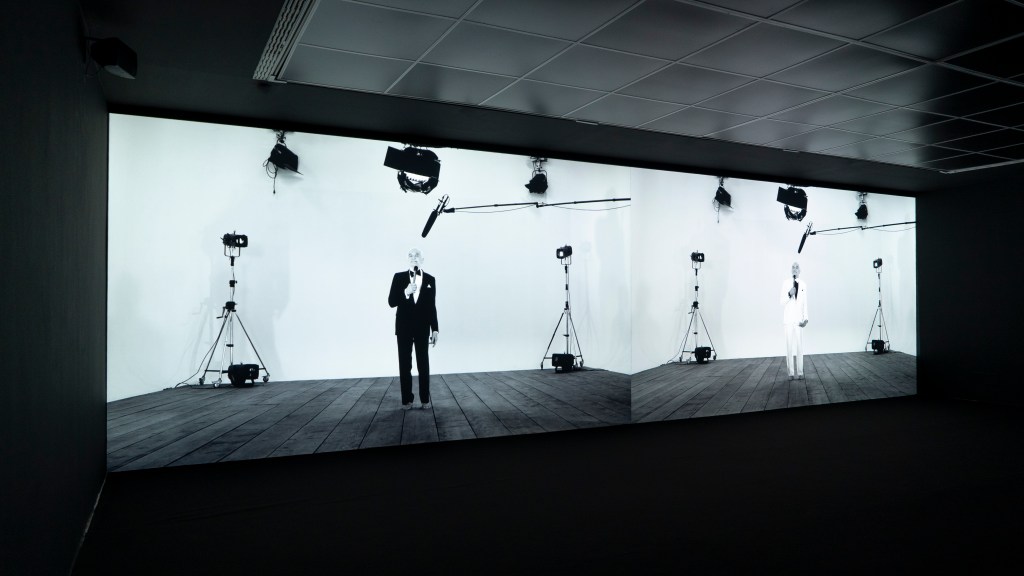
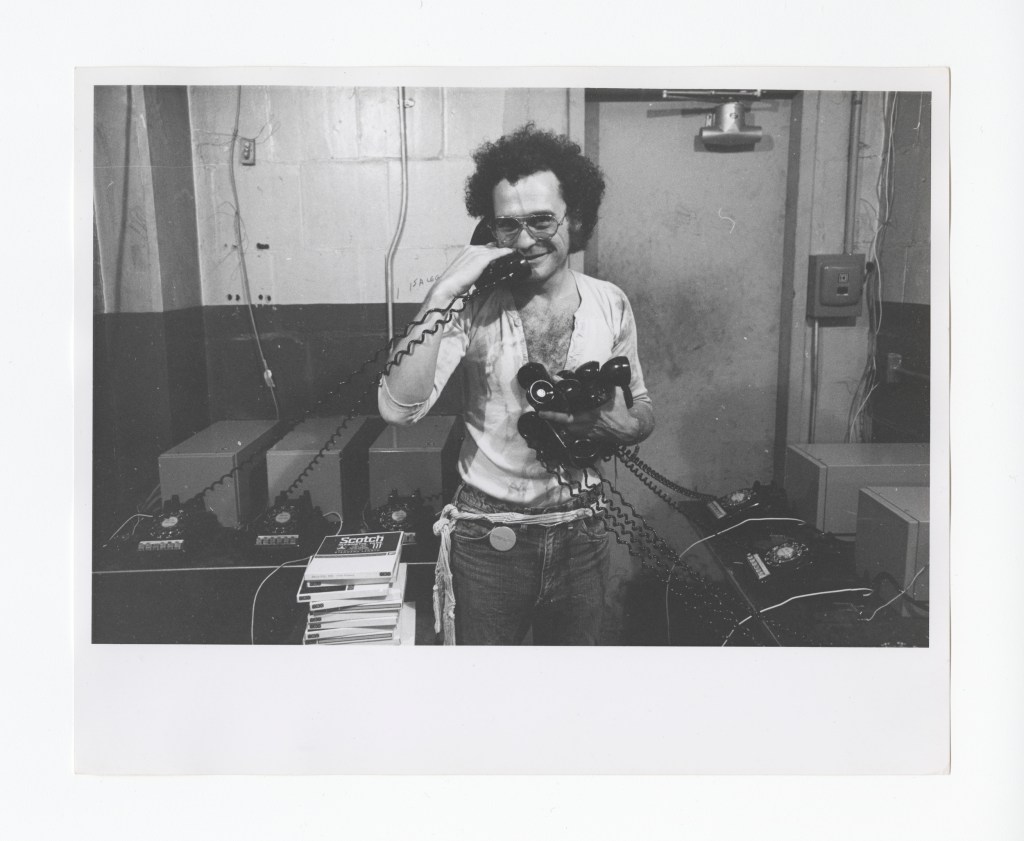
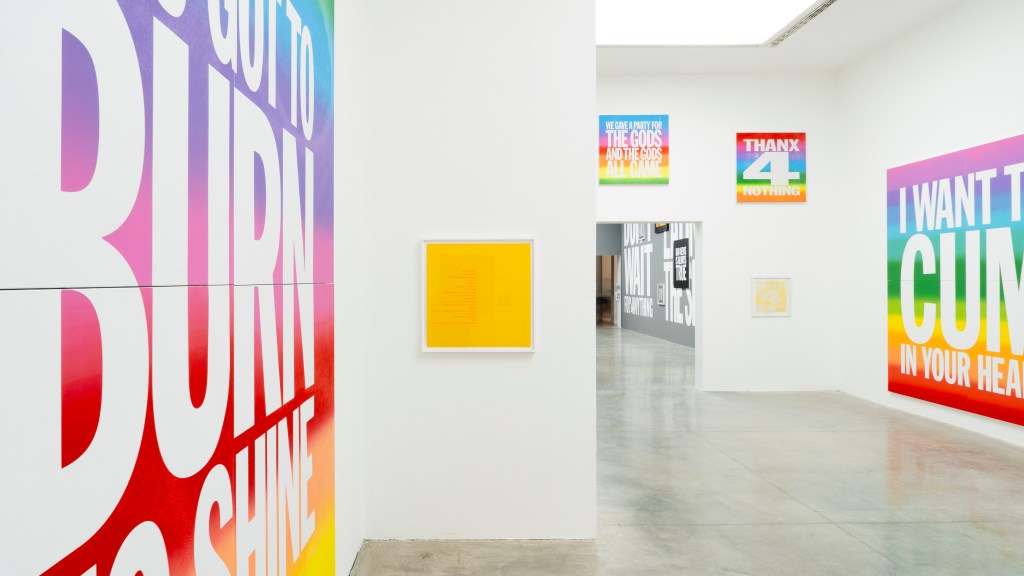
How can a line of poetry be displayed in an art exhibition? This is one of the central issues of John Giorno: The Performative Word, at the MAMbo ‒ Museum of Modern Art in Bologna until May 3rd, 2026. Curated by Lorenzo Balbi and organized into thematic sections, the exhibition explores all the main themes of John Giorno’s (New York, 1936-2019) artistic production, starting with the relatively recent Perfect Flowers series and moving on to the numerous and well-known Rainbow Paintings, the prints of his poems, and an extended excerpt from Andy Warhol’s over five hours long film, in which the poet starred. Alongside all of this, there is an “archive” section that records his experiences of activism and spiritual formation, and the video THANX 4 NOTHING, made in 2015 in collaboration with his husband, Ugo Rondinone. The heart of the exhibition, however, is Dial-A-Poem, an interactive work in which John Giorno, through a telephone number to be dialed, gathered recordings of the voices of poets, artists, musicians and intellectuals reading their own compositions available to anyone who wanted to listen to them. The work is presented both in its American version, produced in 1969, and in other later international versions, including the Italian one, specifically created for the exhibition, with the participation of Antonella Anedda, Tomaso Binga, Milo De Angelis, Valerio Magrelli and Patrizia Valduga, among many others.
THE CURATORIAL APPROACH OF THE EXHIBITION
The marked eclecticism that characterized Giorno’s artistic and poetic production is also reflected in the curatorial choices aimed at finding effective exhibition solutions for works that are not entirely conventional, such as those by John Giorno. Some rooms in the exhibition follow a linear layout, emphasizing the intense colors of the works, while in others the walls are filled with paintings and texts, in an overload that mirrors the insistent repetitions of Giorno’s poems and the chaotic energy of his performances, so that the atmosphere of the exhibition complements the visual impact of the works. While, overall, the curatorial and exhibition choices reflect Giorno’s approach to art, it is in the large central hall dedicated to the Dial-A-Poem project that the radical and energetic spirit of Giorno’s poetics fails, and, instead of the overabundance of writing and colors, there is a large, empty, minimalist room containing only rotary dial telephones and, on the wall, the names of the poets and artists who lent their voices. In this space, which should make the reconstruction of a certain intellectual atmosphere one of its strengths, a significant issue is due to the lack of any caption that could convey the importance of the participants involved in Dial-A-Poem, thus risking leaving the viewer in front of a long list of names on a wall.
JOHN GIORNO’S EXHIBITION AT THE MUSEUM OF MODERN ART IN BOLOGNA
Overall, the exhibition paints a dynamic and captivating picture of John Giorno’s lively conceptual world and of the poetics of the New York avant-garde to which he belonged and which constantly resurfaces in his works, like a hymn of tireless vitality expressed in a multitude of forms ‒ poetry, art, performance, music, spirituality, love, sex, drunkenness and drug use. An artistic practice and a way of life embodied in the words painted by Giorno himself on the large canvas You got to burn to shine.
Elia Castello
The exhibition John Giorno: The Performative Word at the MAMbo
John Giorno: The Performative Word, exhibition view, MAMbo ‒ Museo d’Arte Moderna di Bologna, Sala delle Ciminiere. Courtesy MAMbo ‒ Museo d’Arte Moderna di Bologna | Settore Musei Civici | Comune di Bologna. Photo by Ornella De Carlo 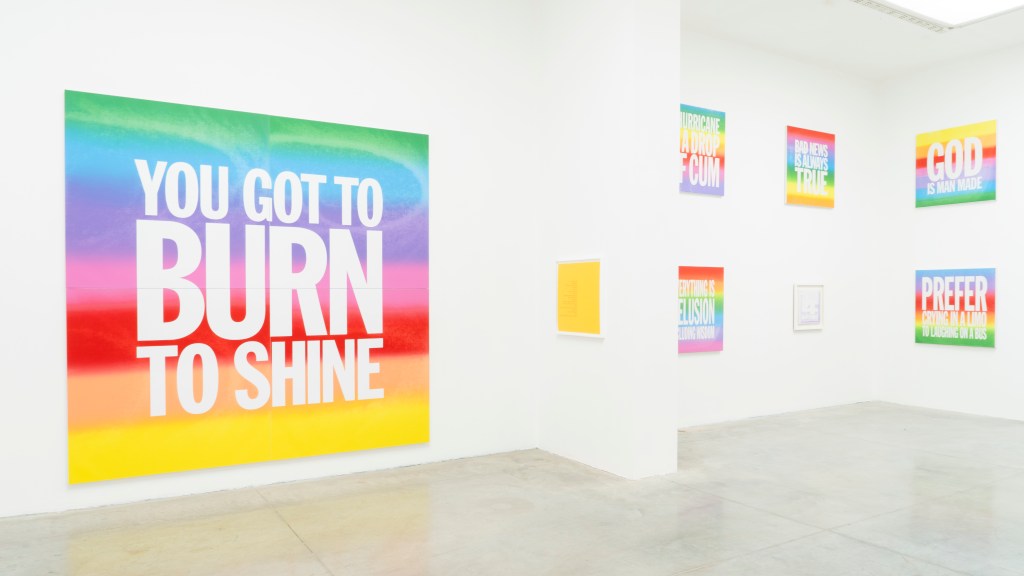
John Giorno: The Performative Word, exhibition view, MAMbo ‒ Museo d’Arte Moderna di Bologna, Sala delle Ciminiere. Courtesy MAMbo ‒ Museo d’Arte Moderna di Bologna | Settore Musei Civici | Comune di Bologna. Photo by Ornella De Carlo 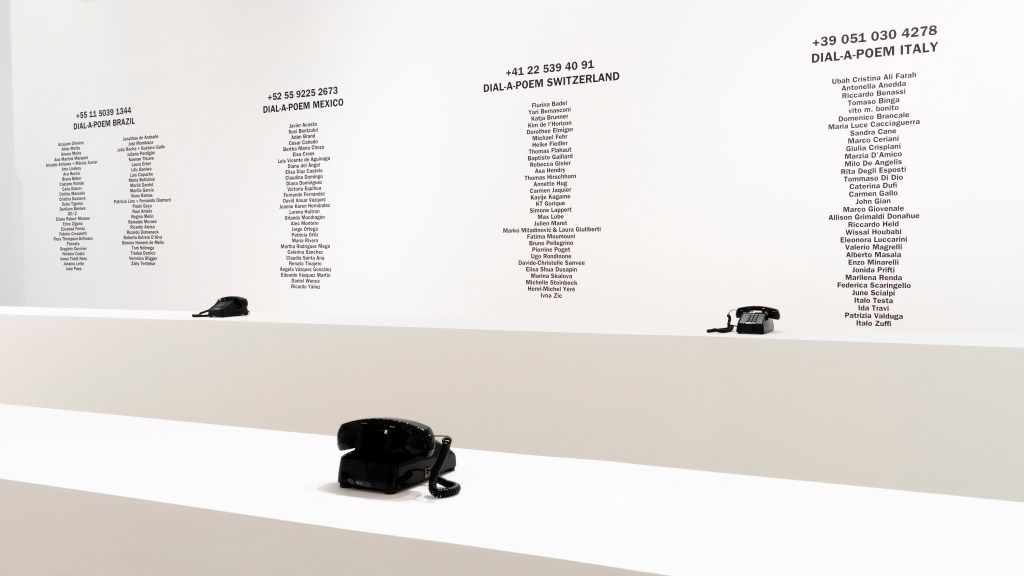
John Giorno: The Performative Word, exhibition view, MAMbo ‒ Museo d’Arte Moderna di Bologna, Sala delle Ciminiere. Courtesy MAMbo ‒ Museo d’Arte Moderna di Bologna | Settore Musei Civici | Comune di Bologna. Photo by Ornella De Carlo 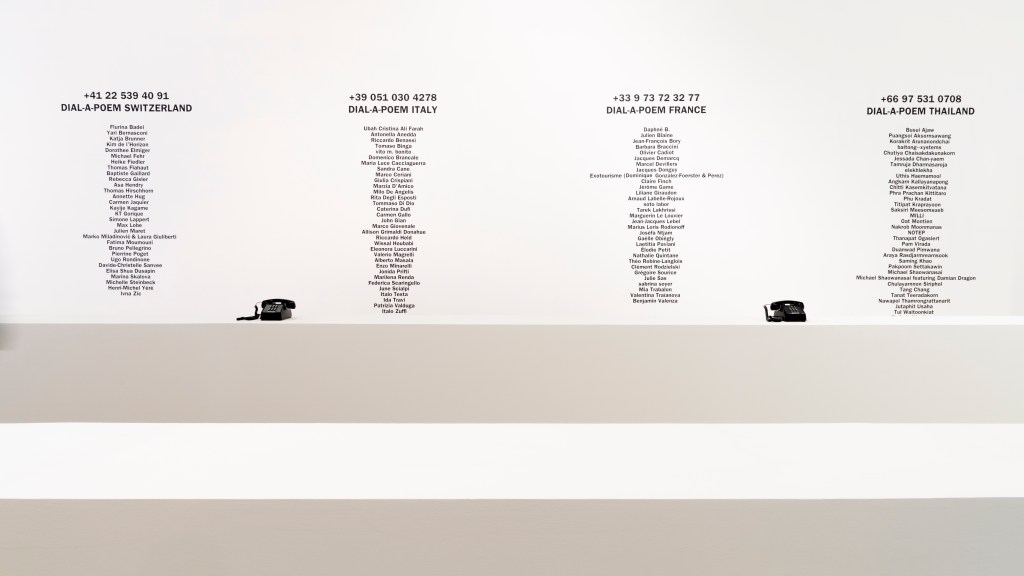
John Giorno: The Performative Word, exhibition view, MAMbo ‒ Museo d’Arte Moderna di Bologna, Sala delle Ciminiere. Courtesy MAMbo ‒ Museo d’Arte Moderna di Bologna | Settore Musei Civici | Comune di Bologna. Photo by Ornella De Carlo 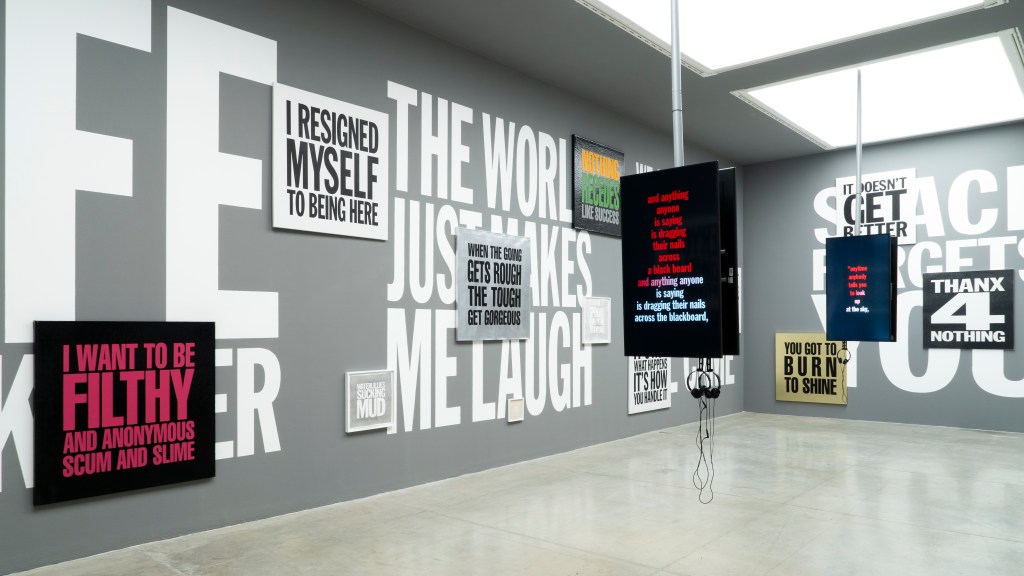
John Giorno: The Performative Word, exhibition view, MAMbo ‒ Museo d’Arte Moderna di Bologna, Sala delle Ciminiere. Courtesy MAMbo ‒ Museo d’Arte Moderna di Bologna | Settore Musei Civici | Comune di Bologna. Photo by Ornella De Carlo 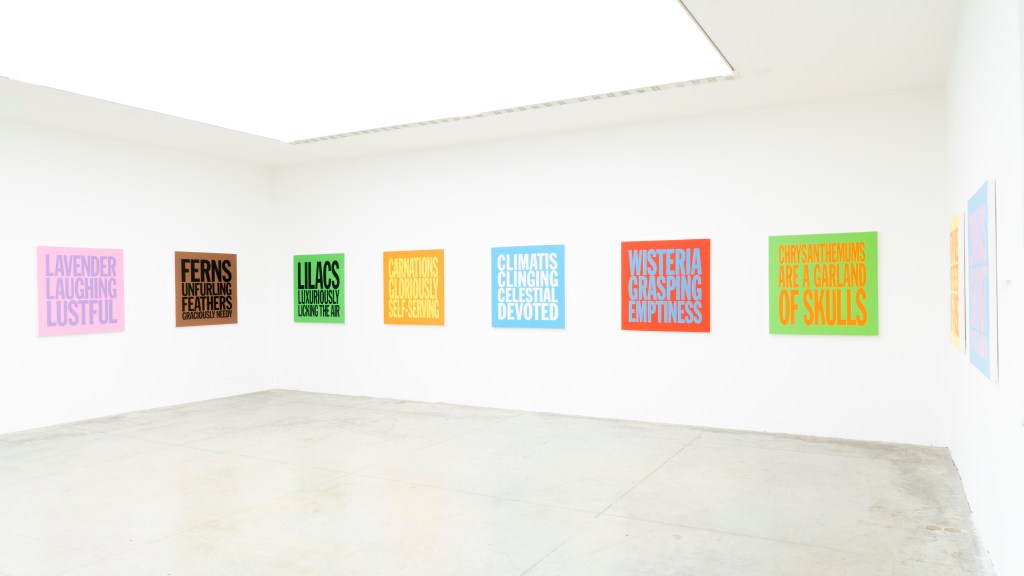
John Giorno: The Performative Word, exhibition view, MAMbo ‒ Museo d’Arte Moderna di Bologna, Sala delle Ciminiere. Courtesy MAMbo ‒ Museo d’Arte Moderna di Bologna | Settore Musei Civici | Comune di Bologna. Photo by Ornella De Carlo 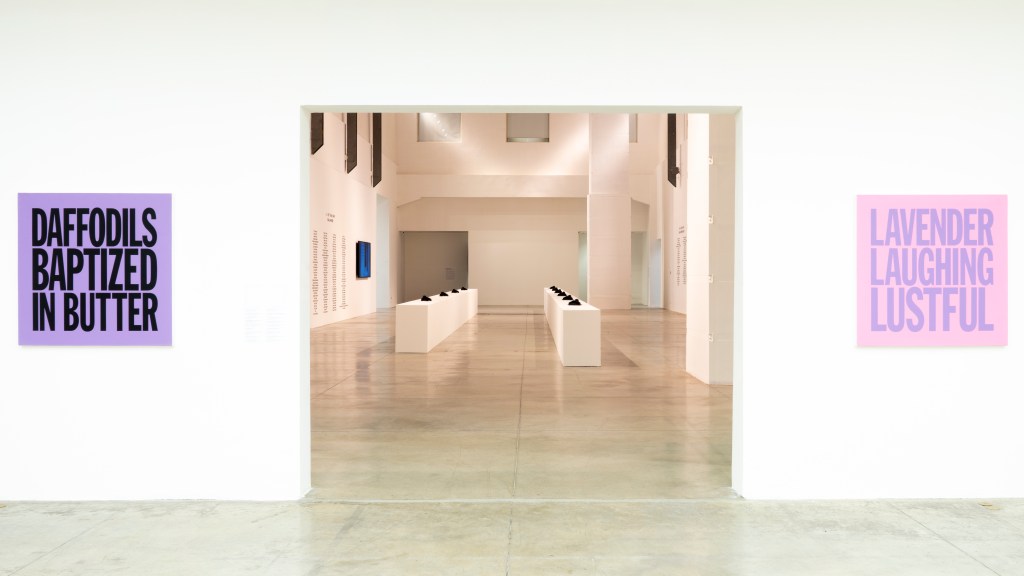
John Giorno: The Performative Word, exhibition view, MAMbo ‒ Museo d’Arte Moderna di Bologna, Sala delle Ciminiere. Courtesy MAMbo ‒ Museo d’Arte Moderna di Bologna | Settore Musei Civici | Comune di Bologna. Photo by Ornella De Carlo 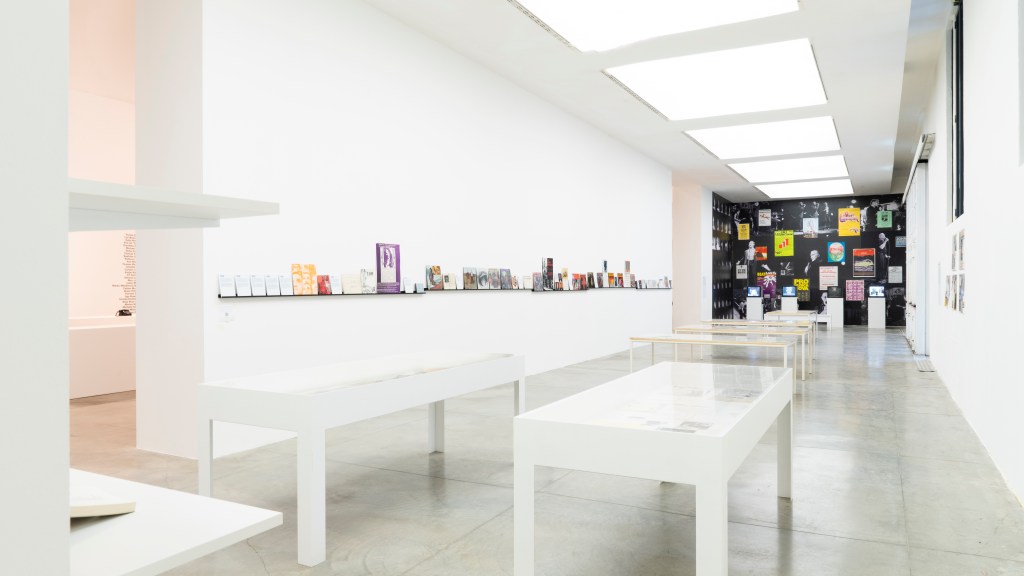
John Giorno: The Performative Word, exhibition view, MAMbo ‒ Museo d’Arte Moderna di Bologna, Sala delle Ciminiere. Courtesy MAMbo ‒ Museo d’Arte Moderna di Bologna | Settore Musei Civici | Comune di Bologna. Photo by Ornella De Carlo 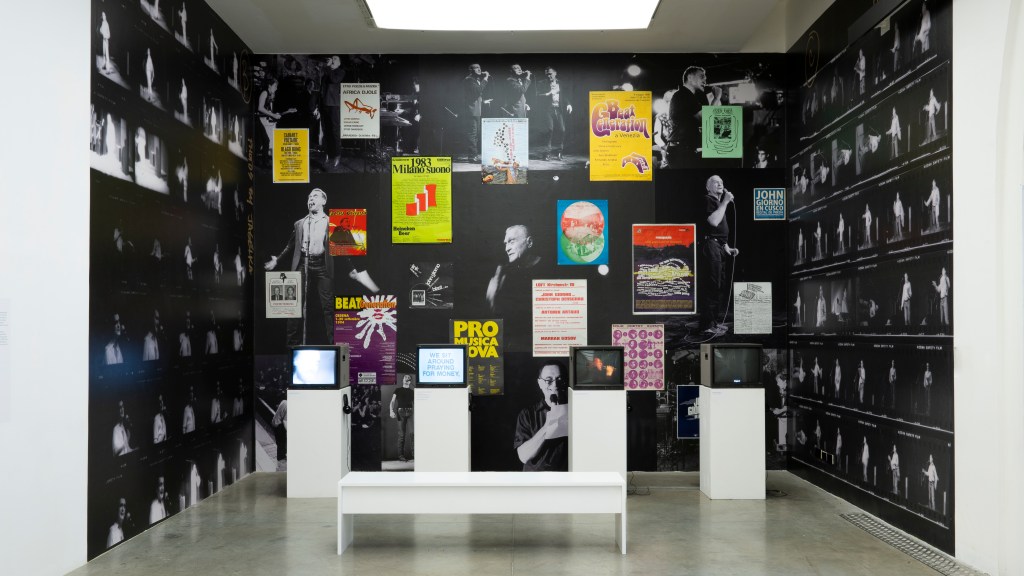
John Giorno: The Performative Word, exhibition view, MAMbo ‒ Museo d’Arte Moderna di Bologna, Sala delle Ciminiere. Courtesy MAMbo ‒ Museo d’Arte Moderna di Bologna | Settore Musei Civici | Comune di Bologna. Photo by Ornella De Carlo 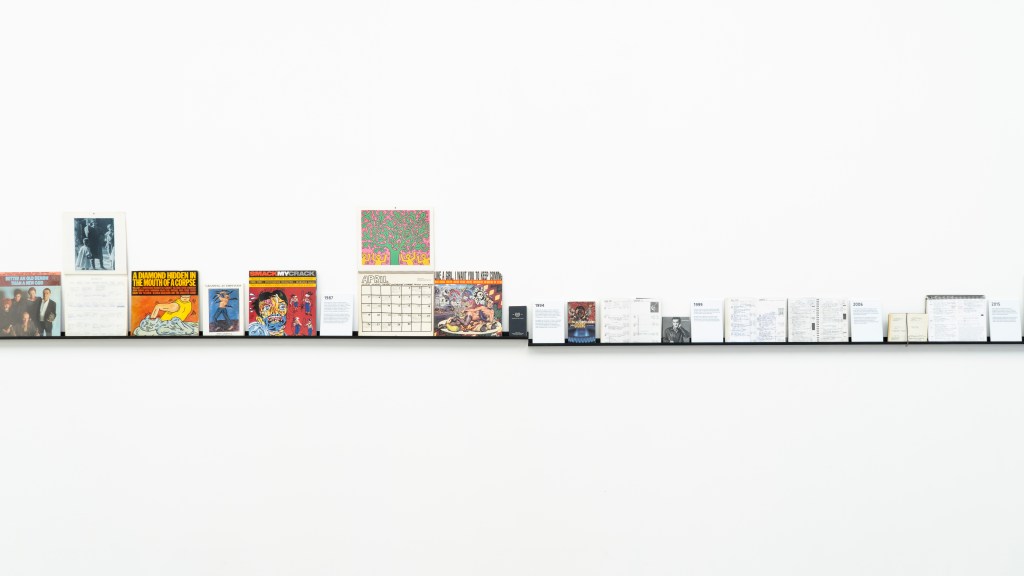
John Giorno: The Performative Word, exhibition view, MAMbo ‒ Museo d’Arte Moderna di Bologna, Sala delle Ciminiere. Courtesy MAMbo ‒ Museo d’Arte Moderna di Bologna | Settore Musei Civici | Comune di Bologna. Photo by Ornella De Carlo 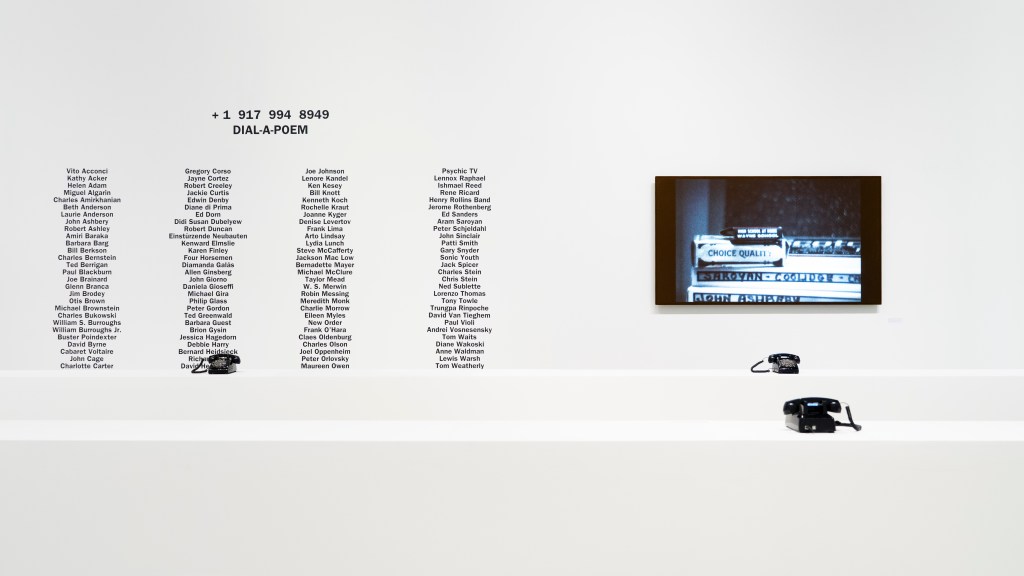
John Giorno: The Performative Word, exhibition view, MAMbo ‒ Museo d’Arte Moderna di Bologna, Sala delle Ciminiere. Courtesy MAMbo ‒ Museo d’Arte Moderna di Bologna | Settore Musei Civici | Comune di Bologna. Photo by Ornella De Carlo John Giorno: The Performative Word, exhibition view, MAMbo ‒ Museo d’Arte Moderna di Bologna, Sala delle Ciminiere. Courtesy MAMbo ‒ Museo d’Arte Moderna di Bologna | Settore Musei Civici | Comune di Bologna. Photo by Ornella De Carlo John Giorno with Dial-A-Poem, 1970. Courtesy Giorno Poetry Systems
The text has been translated using AI

