We are launching a new column dedicated to museums that embrace art, particularly contemporary art. Each case study has specific characteristics that deserve attention. In this in-depth analysis, we talk about the Museo Nazionale della Montagna in Turin, which focuses on accessibility and promoting a sense of community. We discussed this with Andrea Lerda, curator of the “Sustainability Programme” and contemporary art initiatives developed by the museum.
The initiatives promoted by the Museo Nazionale della Montagna are interdisciplinary projects inspired by a strong sense of care, which should be implicit in curatorship. Thanks to a well-structured public programme, the establishment of a solid relationship between the museum and the city of Turin, and the involvement of experts and scientific researchers in the development of exhibition and research activities, the Museo Nazionale della Montagna caters to a diverse audience and addresses essential issues using accessible language. To break down the wall of art that speaks only to itself, the projects curated by Andrea Lerda (Cuneo, 1983) within the “Sustainability Programme” – which brings together the cycle of exhibitions launched by the museum in 2018 – create a bridge between two apparently distant dimensions. In this way, despite its non-artistic origins, the Museo Nazionale della Montagna has earned a place on the contemporary art scene.
THE INTERVIEW WITH ANDREA LERDA
What are the main characteristics of your curatorial practice and what are your areas of interest?
Environmental issues are certainly at the centre of my interests, which I observe from a social and anthropological perspective as well as an ecological one. Ecological issues and reflections on community are two tracks that go hand in hand in my practice, the result of a sensitivity towards the ethics of nature that materialised in a completely unexpected way. Perhaps this is due to my origins, but certainly thanks to my studies with Serenella Iovino: one of the most extraordinary philosophers on an international level, one of the most authoritative voices in the field of ecocriticism and now a full professor at the University of North Carolina at Chapel Hill. Since around 2000, I have realised that my intuition was leading me to meet artists and researchers focused on the complex relationship between humans and everything that is other than human. Twenty years ago, inventive minds in Italy and abroad were becoming increasingly aware of the devastating impact of human activity on the environment. In the period that followed, the different facets of this complex scenario were explored and analysed in an increasingly recurrent and in-depth manner by art and artistic institutions. Today, these reflections are at the forefront of daily debate in the cultural sphere, not only thanks to the dissemination of the ideas of philosophers and authoritative researchers, but also because of a series of economic, social and political events. Furthermore, the intensification of extreme events induced by global warming has contributed to making it increasingly urgent to take a stand, making post-anthropocentric and post-human perspectives the object and subject of research and programming in many museums, as well as in the art system in general. My curatorial practice is guided by a strong sense of social responsibility, by the need to make art and the figure of the artist increasingly central to contemporary society. I believe in the cross-fertilisation that develops through dialogue between different fields of knowledge, and therefore in dialogue with people and their involvement in a complex process of knowledge and awareness-raising. I believe in contemporary languages as places where different disciplines meet, but also as tools to be used in an inclusive, accessible and transversal way. Finally, I believe in the real contribution of these languages to human evolution.
How did your experience at the Museo Nazionale della Montagna begin? How does your practice within the museum relate to the themes of community and ecology?
The museum is an institution that recently celebrated its 150th anniversary. It is a historical reality not only because of its long history and deep roots in Italian culture, but also because it is the guardian of a very important legacy. This legacy is that of the mountains, a subject that encompasses all areas of life, representing both a place and an ever-evolving imagery, now more than ever central to the social, economic, political and environmental debate that characterises the challenges of the present and the future.
The museum is directed by Daniela Berta who, since her arrival in 2018, has decided to embark on a path of renewal, combining the work of promoting the historical heritage of the mountains – as well as its protagonists – with a programme that focuses on contemporary languages as a tool for critical investigation of the present. This was an inevitable choice for such an ancient theme, which needed to be updated with all due care and brought into the present, ready to reaffirm its extraordinary centrality. Daniela Berta’s decision was therefore to work with contemporary art and to focus on the theme of sustainability. This is why I joined the museum in 2018.
Today, I believe I can say that we are one of the few institutions in Italy to have created what we call the “Sustainability Programme”: a tool with a specific thematic and visual identity that aims to be a constantly active device for dissemination and ecological awareness. Through exhibitions, art-science projects, community experiences, performances, educational and outreach activities – both on-site and online, as well as outside the museum – we try to address the multifaceted and kaleidoscopic nature of sustainability, while also reflecting on the opportunities that critical issues can offer. Dialogue with people, local areas, the academic and scientific worlds, and anything else that can bring the museum into dialogue with the community is fundamental.
Considering this desire to open the museum to contemporary art and therefore to its use, do you think that contemporary artistic language can be a good vehicle for engaging the public?
With the new management, we have worked towards a 360-degree opening. Not only in terms of contemporary art and the “Sustainability Programme”, but also in terms of historical storytelling, which – thanks to the work of the deputy director, Marco Ribetti, and the curator of the Historical Photo Library, Veronica Lisino – presents the museum’s collections through an updated narrative structure, bringing themes and materials up to date so that they become trans-temporal mediators rather than mere testimonies of the past.
Since then (2018), the museum has completely revamped its image, opening up to new audiences. Today, we see the positive results in the number of visitors; in the museum’s recognition at local, national and international level; in the collaborations with Italian and foreign organisations and institutions that have been developed in recent years; and in the presence we have gradually built up with the local community and new audiences.
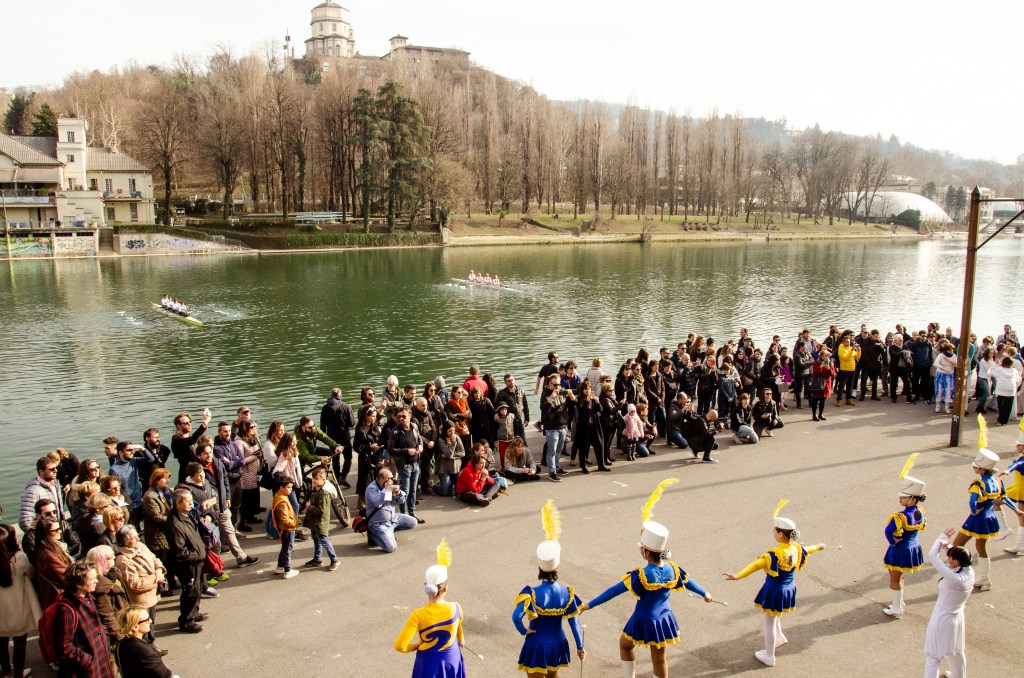
This entire journey has been a natural process, albeit a complex one, and it is still ongoing. It is a journey that deserves a series of interesting reflections on the need and possibility of transforming historical museums in response to time and events. In my opinion, contemporary art is a fundamental tool for translating the present and for dialoguing with stimuli from the world. While remaining convinced that it is essential to make its languages and content accessible, contemporary art is an important medium for interacting with the community and encouraging the more traditional audience (which has always been linked to the institution) to approach new imaginaries. The museum’s openness to contemporary languages goes hand in hand with its constant efforts to open up to the city and the local scene, understood as places of reality. It is no coincidence that performative languages have been the protagonists of events that have deliberately taken shape in public spaces: from Marinella Senatore’s Post Water Choreography Project to the actions of the public programme Walking Mountains Social Walks.
As in the principle of communicating vessels, the sensitivity of artists has played a role of social mediation between the inside and the outside, using encounters and exchanges as creative and awareness-raising opportunities that activate a relationship between the city and the museum, and vice versa. The choice was therefore not simply to use contemporary art tout court, but to conduct organic work on the museum as a hybrid organism. This hybridisation brings with it the need for interference and the awareness that encounters can give rise to enriching and innovative experiences with respect to conventional narrative, exhibition, and communication methods.
What audiences are your initiatives aimed at?
The museum’s programme is aimed at a wide audience. This is thanks to its nature and the hybrid dimension it has built up in recent years. I don’t think it’s that common to find an institution that has a historical collection, a photo library, a video library, a library (in our case, the Italian Alpine Club’s National Library), an artistic programme with a historical and archival focus, a contemporary art programme, a “Sustainability Programme”, as well as educational, outreach and research activities and the production of external projects. All this has a strong impact on the wide variety of content offered and the audiences that access it. Furthermore, I would like to reiterate our commitment to accessibility and readability, which is central to our proposals. While we are aware of the economic constraints that make this work complex, we do our best to constantly improve in this regard.
I consider this aspect of accessibility and readability to be important, as it defines a certain type of contemporary art, which is not everything. Unfortunately, there is still a wall of elitist art that represents a major problem.
Personally, I like collaborating with artists who interpret the social value of art in a coherent and authentic way. In other words, people who are not only interested in talking about themselves and their practice, but who choose to work and make their intuition available to the community to contribute to the debate on the significant issues of the present and the future. In this sense, I wonder what an artist is today, how to build innovative ways to integrate creativity and visionary capacity into everyday life. Since ours is not a contemporary art museum in the strict sense, but a “contemporary” museum – in its broadest and most current meaning – we have the freedom to try to turn it from an archive of the past into a sort of playground where different types of time, themes and actors meet.
I believe that, in our case, this is the right way to break down the wall that very often – even today – leads people to say they do not understand contemporary art.
We have no shortage of utopian ideas and visions, even if they are guided by real objectives and application scenarios. It must be said that the complexity of identifying adequate economic resources makes this transformation process slow and protracted.
THE PROJECTS OF THE MUSEO NAZIONALE DELLA MONTAGNA
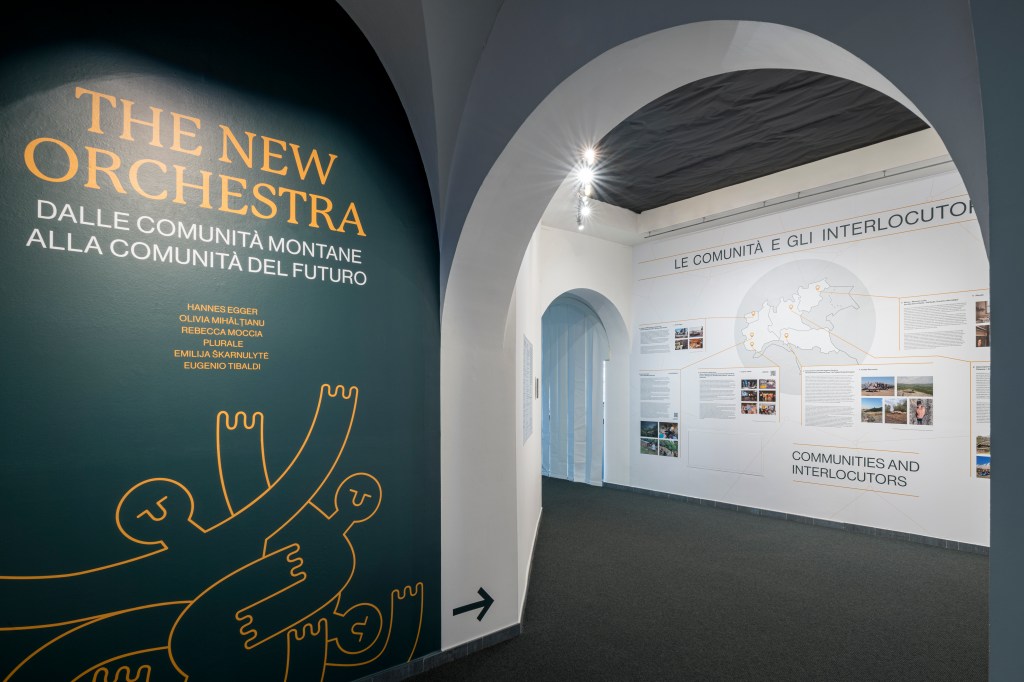
The exhibition The New Orchestra. From mountain communities to the community of the future, open until 31 May 2026, presents the duality of tracks you mentioned at the beginning. On the one hand, there is the theme of nature and the mountains, but there is also this aspect of community. How was it to conduct this project?
The project is part of the “Sustainability Programme” and is the latest chapter in a linked narrative that has taken shape over the previous eight years. After exhibitions that were more research-based and, in some ways, ecological denunciations, guided by a comparison with contemporary philosophical and scientific thought, at a certain point I asked myself: “Isn’t it time to start again from us and rediscover the sense of caring for others, understood as human beings?” This question shifts the focus of the problem to a more intimate dimension, entering the sphere of intimate and interpersonal relationships. This is because I believe that great philosophical reflections, which are certainly necessary to force a reinterpretation of paradigms, must be accompanied by content that allows the public to transfer the concept of change into their daily lives. In this way, change will be effective, measurable, and concrete.
The New Orchestra therefore starts with people. It questions the possibility of community well-being generated by the rediscovery of a sense of collaboration, participation and mutual support. It also questions how this well-being can, in turn, produce an ecosystemic welfare with positive repercussions for everything around us: mountains, forests, marine ecosystems and fauna included. The exhibition stems from this desire to regenerate a sense of community and commonality that has been lost for distinct reasons.
What better example, then, than mountain communities, historically the repositories of that sense of mutual help and support necessary to live in the “High Lands”, to activate a series of reflections projected into the future? The community spirit with which people have inhabited these places in the past can stimulate a rethinking of today’s degraded lifestyles, guiding young people who want to invest in these places and in a better world in the complex process of rewriting the rules of the game.
This project origins from six residences in different mountainous areas spread across the Alps and Apennines. How were the projects chosen?
With The New Orchestra, we chose to meet with communities, particularly young people who have decided to stay, return or who have found a new beginning in mountain areas. We discovered that – despite the great complexities of living in these places and the lack of support for inland areas – the mountains are a lively and vital place, where it is possible to rewrite contemporary paradigms and create alternative models for community building. Hence the choice of the exhibition’s subtitle, From Mountain Communities to the Community of the Future, which guided the entire narrative of the exhibition project.
Six figures are involved, four Italian and two international, chosen thanks to the contribution of three other curators: Sofia Baldi Pighi, Gabriele Lorenzoni and Alexandra Mihali. The selected artists, Hannes Egger, Olivia Mihălţianu, Rebecca Moccia, plurale, Eugenio Tibaldi and Emilija Škarnulytė, spent a period of approximately two weeks in residence in dialogue with one of the six communities identified in five locations spread across five regions of the Alps and Apennines (Piedmont, Valle d’Aosta, Lombardy, Trentino-Alto Adige and Emilia-Romagna). Here, they listened to the territory and its stories, thanks to the mediation and fundamental collaboration of third sector organisations, associations, foundations, museums, and public and private entities already operating in the area. This is how this highly structured and decidedly enriching collaboration came about, allowing for the exploration of various themes and giving rise to six new works that are currently on display in the exhibition. In this sense, the exhibition project is only the latest chapter in a long story, which in some respects is not so easy to convey to the public.
Once again, this is an exhibition that is not limited to the artistic aspect but is structured around a parallel series of contents from different disciplinary fields: from ethnomusicology to sociology and anthropology. In this way, the public is led to encounter the stimuli of the artists but, if they wish, they could explore a series of purely technical issues or encounter points of view that allow for a deeper and more critical immersion.
What projects did the Museo Nazionale della Montagna develop prior to The New Orchestra?
The first exhibition we presented, in what would later become the “Sustainability Programme”, was Post Water (2018). This was an artistic and scientific project that addressed the impact of global warming on aquatic ecosystems, opening our eyes to a series of possible scenarios. On this occasion, the artistic and scientific installations, together with the dialogue with the historical collections of Museo Nazionale della Montagna, created a dense short circuit of references between the past and the future.
The exhibition was redesigned under the title Under Water (2019). It thus became an exhibition that favoured a generative perspective over a catastrophic one, guided by research into nature-based solutions: in other words, the possibility of mitigating the effects of the climate crisis by adopting techniques learned from the workings of nature and its self-generating power.
Then came Tree Time (2019), also scientific in nature and in dialogue with the museum’s collections. This exhibition arrived, quite unexpectedly, at a significant (in a negative sense) moment in history for forest and woodland ecosystems worldwide. It was the aftermath of Storm Vaia and the major fires in California, which presented devastating (in some ways post-apocalyptic) scenarios, now subject to a dangerous process of media normalisation. Thanks to the involvement of Matteo Garbelotto, Director of the Forest Pathology and Mycology Lab at Berkeley and adjunct professor at the Environmental Science, Policy and Management Department of the University of California, a project was launched focusing on the contributions of science to the management and care of forest and woodland heritage. This led to a collaboration with MUSE – the Science Museum of Trento, which hosted an updated version of the exhibition.
In 2020, we developed a research project entitled Ecophilia, born from a discussion with Ruyu Hung – Professor of Philosophy of Education at National Chiayi University in Taiwan – who, in 2017, coined this term, which combines two concepts: “biophilia” and “topophilia”.
What is ecophilia and what were the key themes of the exhibition?
The Ecophilia exhibition focused on the feeling of physical and emotional connection between the human species and everything that is non-human, as well as on the possibility of rediscovering and training this sense through an eco-pedagogical approach. Alongside necessary political, economic, cultural and social actions, Ruyu Hung defines the characteristics of a new educational model which, by acting on mental and behavioural mechanisms and intervening in teaching methodologies, can develop a collective feeling of empathy, or ecophilia, with the world. In this sense, Ecophilia broadens the vision from the artistic to the social sphere, laying the foundations for the observation of the mountain as a privileged place for the eco-pedagogy theorised by Hung.
The exhibition, which featured six artists working in Turin, produced six new works and was the result of a prolonged process of interaction with philosophers, anthropologists, sustainability, and mountain culture experts, in a multidisciplinary dialogue with the artists and the curator. Among those involved were: Rosi Braidotti − Philosopher and Distinguished University Professor at Utrecht University; Giuseppe Barbiero − Biologist and Professor of Ecology at the University of Valle d’Aosta; Ruyu Hung; Enrico Camanni − writer, journalist, and mountaineering historian; Paolo Cresci − Associate Director, Head of Sustainability and Infrastructure at Arup in Milan.
Ecophilia therefore marked a sort of evolution compared to Post Water and Tree Time. From an approach that was more openly critical of the problem, to an attempt to investigate and propose new, generative and alternative scenarios, with a focus on the possibility of addressing critical issues through positive and optimistic imagery.
Have there been other exhibitions proposing new positive scenarios on this topic?
Next came The Mountain Touch (2022), an art-science exhibition that took precisely this approach. The idea arose from a series of scientific studies on the positive impact of nature on our biological and psychological well-being. The works on display explored the visible and invisible benefits of human exposure to natural environments. Once again, the voice of science was fundamental, thanks to the involvement of Qing Li, immunologist and president of the Japanese Society of Forest Medicine (University of Tokyo); the Cavalieri Ottolenghi Neuroscience Institute of the University of Turin; and the Centre for Behavioural Sciences and Mental Health of the Italian National Institute of Health, among others. This exhibition has also been restaged at MUSE and further expanded in terms of content.
Another project developed through extensive research, thanks to artistic and performance experiences born in the cross-border territory between Italy and France, was Stay With Me ‒ The Mountain as a Space of Resonance: an exhibition featuring sound artist Magda Drozd and walking artist Michael Höpfner, involved in a project to engage with local territories and communities to talk about resonance. This experience subsequently gave rise to Walking Mountains (2024): a large collective exhibition that included the works of around twenty artists who base their practice on walking. It was not an exhibition on Walking Art, but rather an exhibition that proposed walking as an opportunity to immerse oneself in mountain contexts and to rethink our way of being in contact with the world. Crossing the mountains on foot thus became an opportunity for a new dialogue with otherness, a tool for an evolution of feeling; an experience of renewal of individual and collective consciousness, but also a radical act – both intimate and political – of disobedience and revolution. The project involved Hamish Fulton (founder of Walking Art) as an exceptional mentor alongside Michael Höpfner, and was a tribute to a figure who has always declared the inseparable link between walking and art.
CURATORSHIP ACCORDING TO ANDREA LERDA
What significance do you attribute to public programmes? Do you consider them complementary to the exhibition in which they are included?
All these exhibitions are usually enriched by public programmes that take place both inside and outside the museum. I believe that public programmes can be a fundamental tool, especially if the institution has the adequate resources to create engaging programmes with a convincing impact, in terms of both quality and quantity. Nevertheless, they also remain important as an opportunity to experiment with new models of interaction with the public. Whenever possible, we have chosen to complement more traditional events (such as talks and presentations) with on-site performances in the woods surrounding the museum and in the city. What is stimulating is “taking things outside”: the museum and its identity, as well as the exhibition and its contents, seizing the opportunities offered by contact between the institution and the community. This is the experience of Walking Mountains Social Walks, a public performance programme presented between 2024 and 2025.
In 2014, you founded Platform Green. Where did the idea to open an online “curatorial platform” come from, and what are its goals?
It was born from that intuition I mentioned earlier and from the need to share, through an open platform accessible to anyone, not only the results of my research and encounters, but also the urgency of issues that were close to my heart. Platform Green responds to the desire to create something shared and potentially useful. Furthermore, at that time, there weren’t many online spaces with such specific themes. Over time, research on artists involved in ecological issues, studio visits, chats, readings and visits to exhibitions on these themes became so extensive that I decided to collect them in a sort of archive available to everyone, without any pretensions in terms of positioning or anything else. Over time, Platform Green has undergone a more “physical” evolution, thanks to the collaborations and projects that have emerged from this research. Today, it continues its journey, albeit much less intensely in terms of publications, as the time I have available to curate its content is extremely limited.
Which of your projects are you most attached to?
I feel a very strong connection to my homeland, which is, not surprisingly, mountainous, where I have been collaborating with the Art.ur association in Cuneo for a long time now. With them, I am mainly involved in two projects: Living Room and Connecting Worlds. The first is an artist residency, which every year brings four artists to the city of Cuneo and its surrounding area for an experience of discovery, research, and production. Each edition is dedicated to a specific theme and is brought to life thanks to the collaboration of numerous public and private bodies, as well as local communities. The second is a sort of festival, created in 2022 upon the Gesso e Stura River Park (Parco Fluviale Gesso e Stura) commission. Their request was to produce a project that could raise awareness among young people and the local community about the climate emergency. I therefore chose to respond to this commission not with a traditional exhibition, but by working in the public space and creating an unconventional event (at least as far as the contemporary art scene is concerned) that could intercept and engage people directly, in a familiar and non-institutional way.
In its first two editions, Connecting Worlds took shape inside three large Civil Protection tents, venues far removed from conventional art spaces. The tents, set up in the historic centre of the city, represent accessible spaces containing works by Italian and international artists, in dialogue with voices from the world of science. Everyone is welcome: all are invited to enjoy free visual stimuli, artistic experiences, read content, learn new concepts, and reconnect with natural ecosystems. Connecting Worlds was born as an experiment, but since its first edition it has been a remarkable success, gaining the support of stakeholders and supporters over time. This is also thanks to the collaboration with Ferrino, our partner, which allows us to present the project inside its tents. In the last two editions, these spaces have been updated, allowing the project to take shape inside a special tent (Tenda Ferrino 1870, conceived by Anna Ferrino and designed by Moreno Ferrari). Connecting Worlds is, in a way, a testament to my approach and my interest in focusing on the ability of art and artists to connect with society, encouraging reflection and participation.
You will be involved in curating Fort Biennale 2026 (Fortezza Fortress, Bozen) and Trienala Ladina (San Martino in Badia): how do you see these assignments within your curatorial career?
I am delighted to be curating the second edition of Fort Biennale and the eighth edition of Trienala Ladina in 2026. My personal or professional gratification is not my primary motivation – although I am aware that these are two extremely enriching experiences for my career as a curator and for my general education – but rather the opportunity to amplify the resonance of certain messages and values that guide my research. Not to mention the work we are conducting with the “Sustainability Programme” at the Museo Nazionale della Montagna. I interpret and experience these two moments as opportunities for further growth and for forging new synergies and alliances. Here too, the focus will be on the artists. In the case of the Biennale – which I am curating together with Hannes Egger and Veronika Vascotto – the researchers at Eurac Research in Bozen will also be involved.
And what about your future projects?
I am working on a programme of talks to accompany the exhibition The New Orchestra, which will take shape between March and April in various locations, at the museum and in the mountain areas of Piedmont and Valle d’Aosta. We are also working on the next exhibition, which we will present in conjunction with Artissima 2026: it will be a group exhibition focusing on the need to reposition the female dimension within the mountain universe. This is not a feminist project, but rather a narrative of the fundamental need to rediscover the unique characteristics of women and the human traits that define them as saviours of post-capitalist society, and for this reason – historically – hindered. Thanks to the collaboration with journalist and writer Linda Cottino, who will attempt to activate a dialogue between past and future – projecting visitors into a space intended as a device through which to live a transformative experience – an historical perspective will support the contemporary narrative.
Are you satisfied by the projects conducted at the Museo Nazionale della Montagna?
Despite the complexities and limited resources available, we are doing a great job, trying to make this place increasingly open to the outside world. We are aware that today the museum is no longer a place strictly linked to communities affiliated with the CAI (Italian Alpine Club) universe, but rather a tool capable of interacting with society in general, which finds here a critical space for reflection and a wide range of themes and content.
We are planning many initiatives for the next three years to further strengthen the role of the institution through actions to enhance the Permanent Collection, co-design, relations with Italian and international cultural entities, and synergy with the city and the public.
Rebecca Canavesi
Museo Nazionale della Montagna
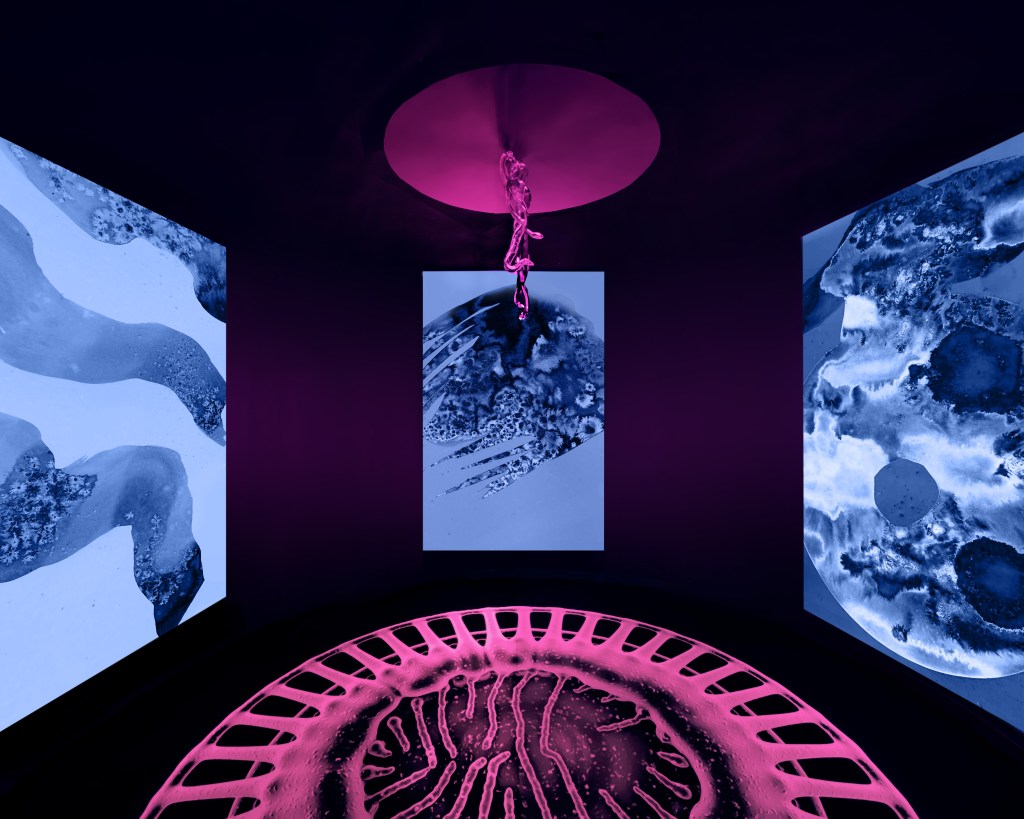
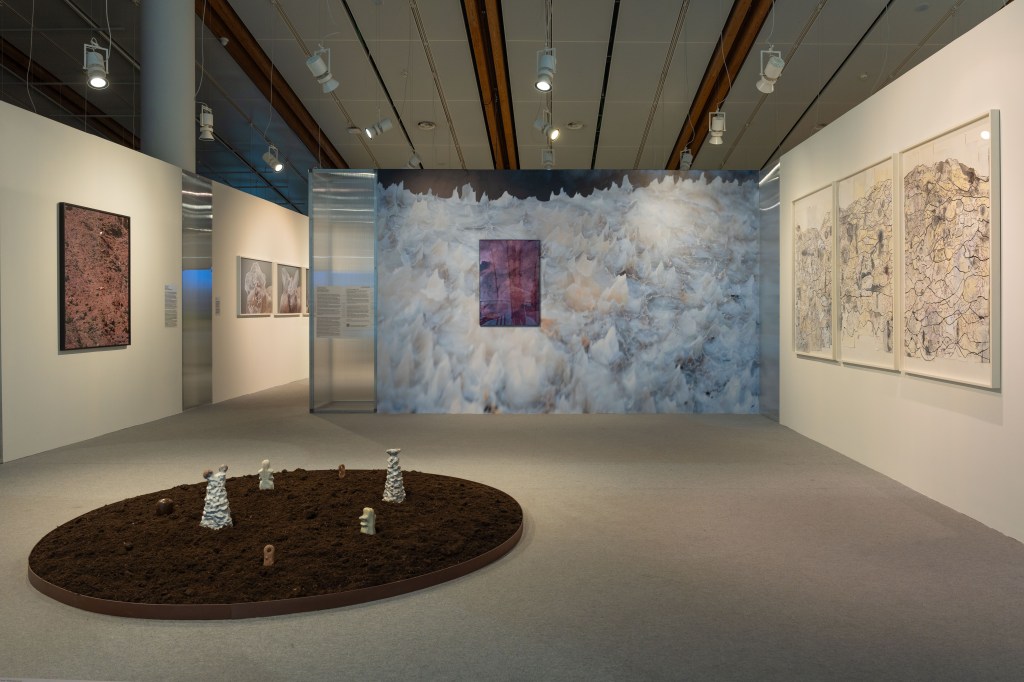
Emilija Škarnulytė, Ofiolite, 2025. Artwork view in the exhibition The New Orchestra. From Mountain Communities to the Community of the Future, 2025. Courtesy of the artist and the Museo Nazionale della Montagna 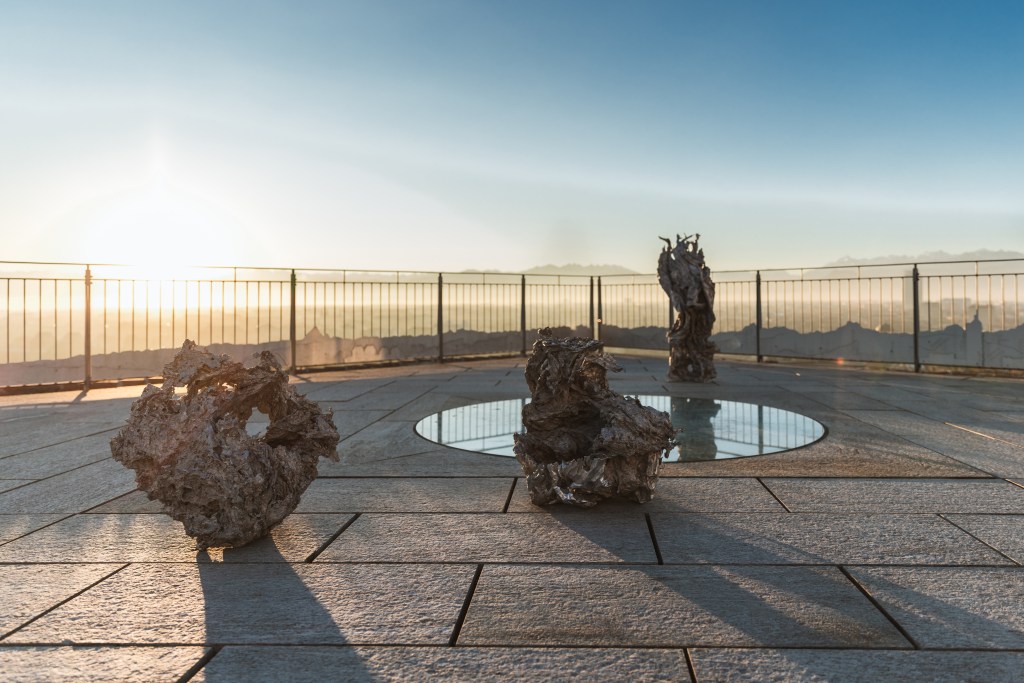
Fabio Roncato, Momentum. View of the site-specific installation on the panoramic terrace of Museomontagna, 2024. Photo: Maria Chiara Piglione. Courtesy of the artist 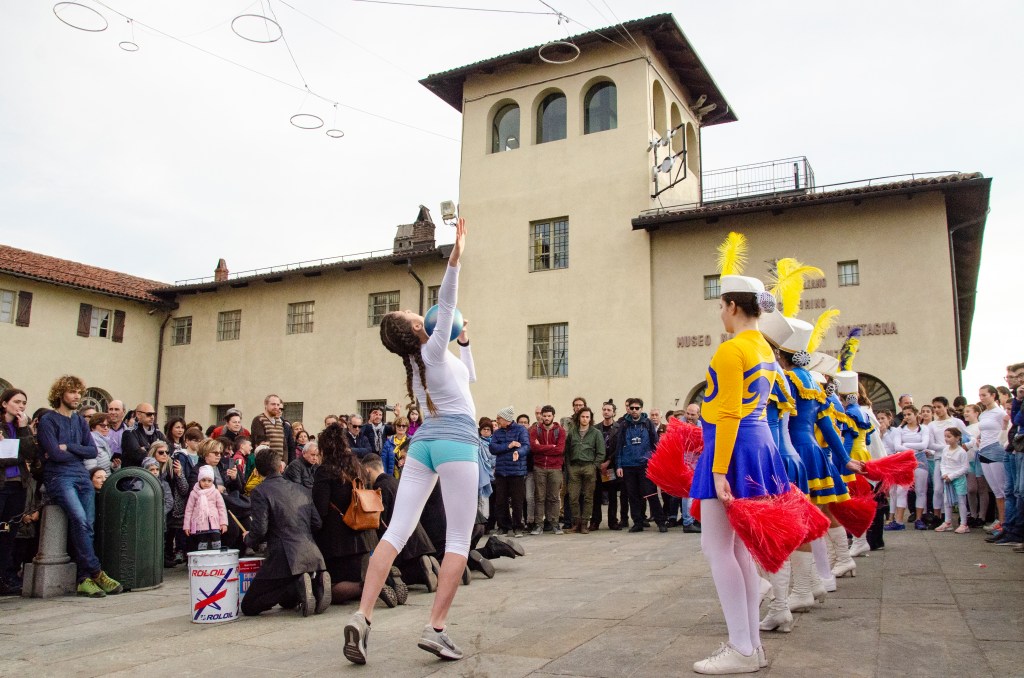
Marinella Senatore, Post Water Choreography Project, 2019. Performance as part of the exhibition Post Water. Courtesy of the artist and the Museo Nazionale della Montagna Marinella Senatore, Post Water Choreography Project, 2019. Performance as part of the exhibition. Post Water Turin, various venues. Courtesy of the artist and the Museo Nazionale della Montagna 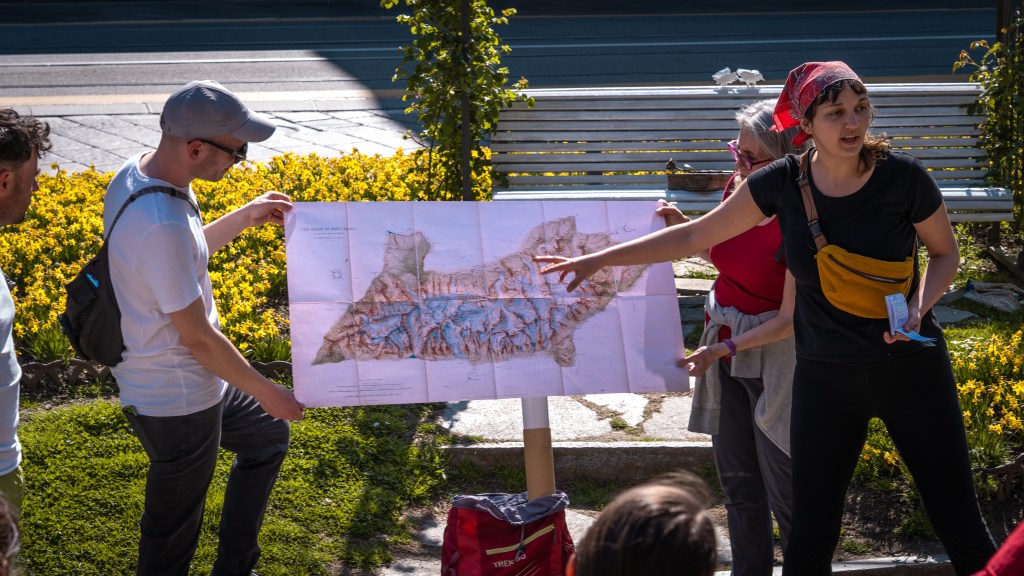
Sibylle Duboc, The March of the Glaciers, 2025. Itinerant performance as part of the Walking Mountains Social Walks program Turin city centre and various venues. Photo: Geordy Bergerone. Courtesy of the artist, Museo Nazionale della Montagna and Mucho Mas!, Turin The New Orchestra. From Mountain Communities to the Community of the Future Exhibition view, 2025. Photo: Mariano Dallago. Courtesy Museo Nazionale della Montagna 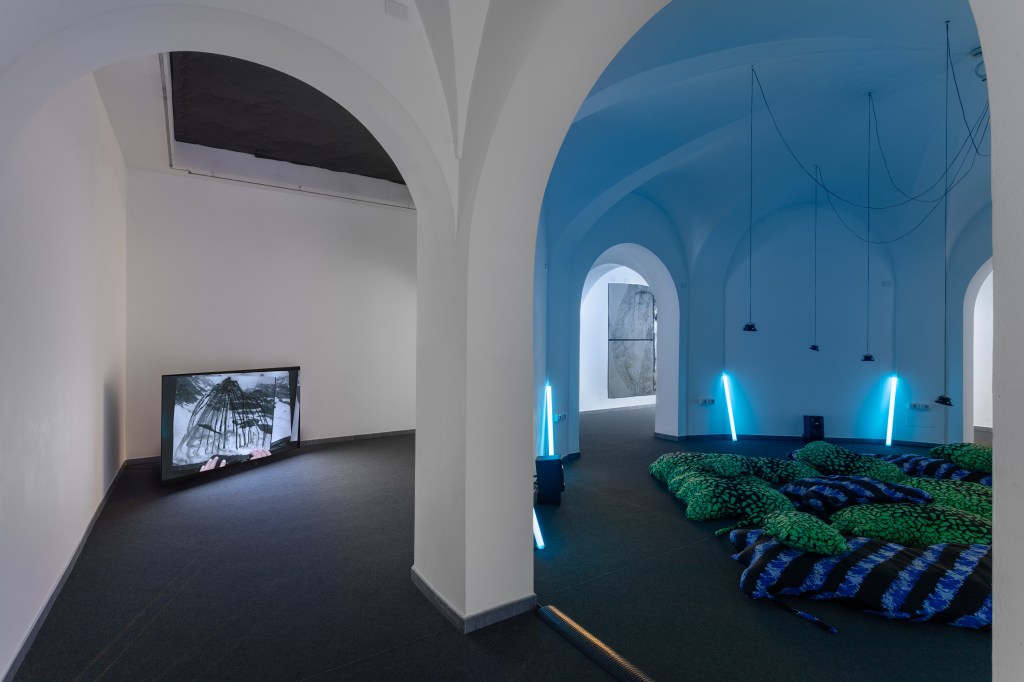
STAY WITH ME. The Mountain as a Space of Resonance, 2024. View of artworks by Magda Drozd and Michael Höpfner in the exhibition. Photo: Sebastiano Pellion Di Persano. Courtesy of the artists and Museo Nazionale della Montagna 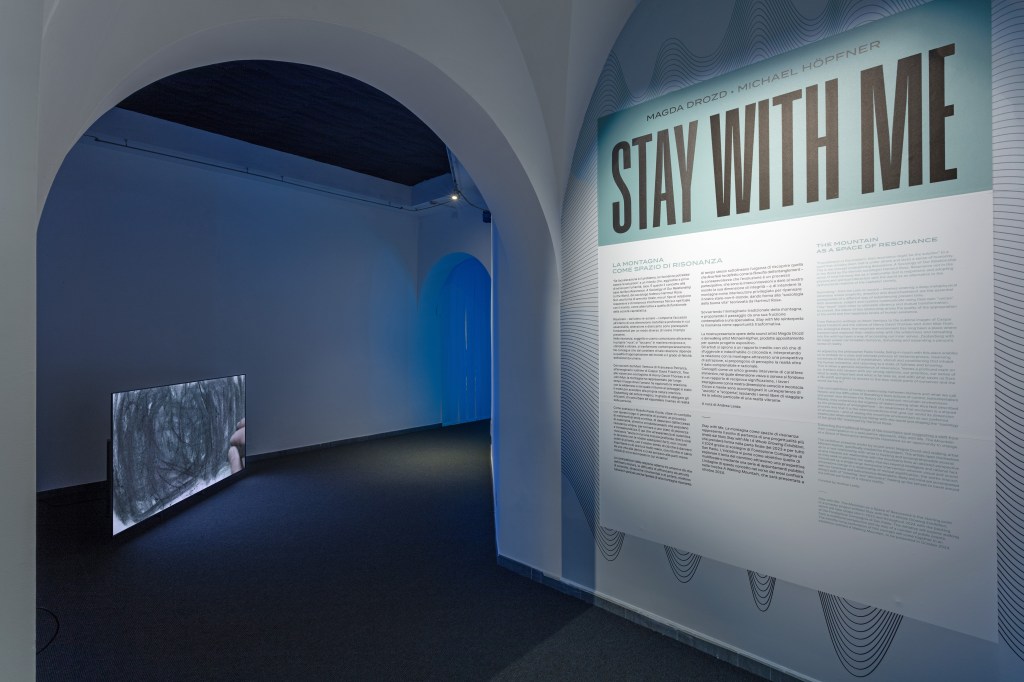
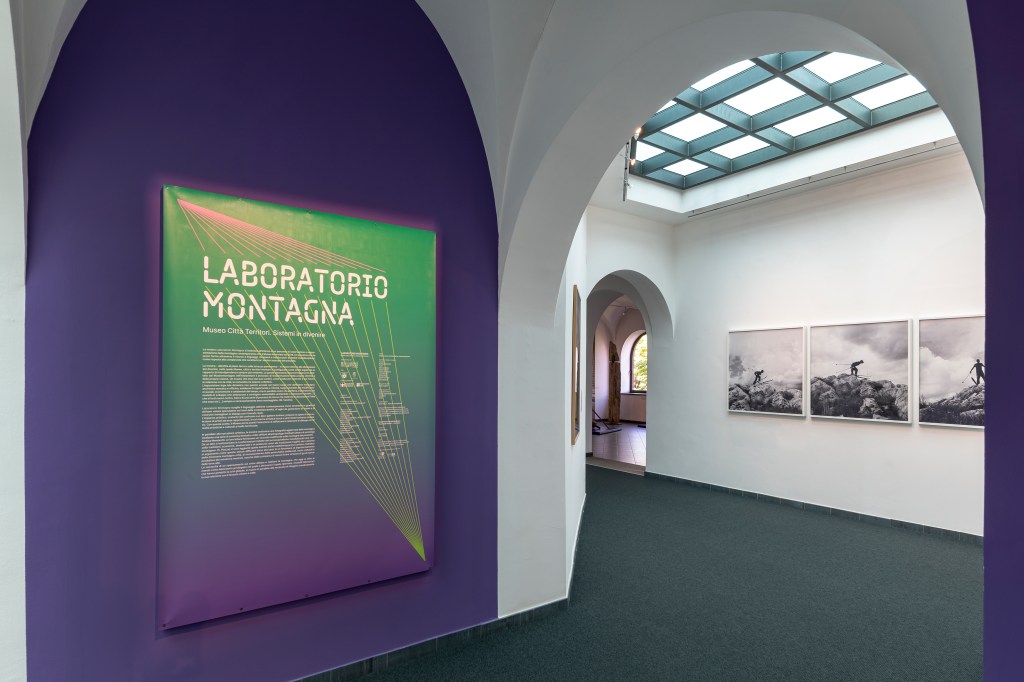
STAY WITH ME. The Mountain as a Space of Resonance, 2024. Exhibition view. Photo: Sebastiano Pellion Di Persano. Courtesy Museo Nazionale della Montagna The Mountain Touch. A Voyage in Healing Nature, Exhibition view of the Museomontagna exhibition at MUSE – Museo delle Scienze, Trento, 2024. Courtesy MUSE and Museo Nazionale della Montagna Andrea Lerda Laboratorio Montagna. Museo Città Territori. Sistemi in divenire. Exhibition view, 2022. Photo: Mariano Dallago. Courtesy Museo Nazionale della Montagna 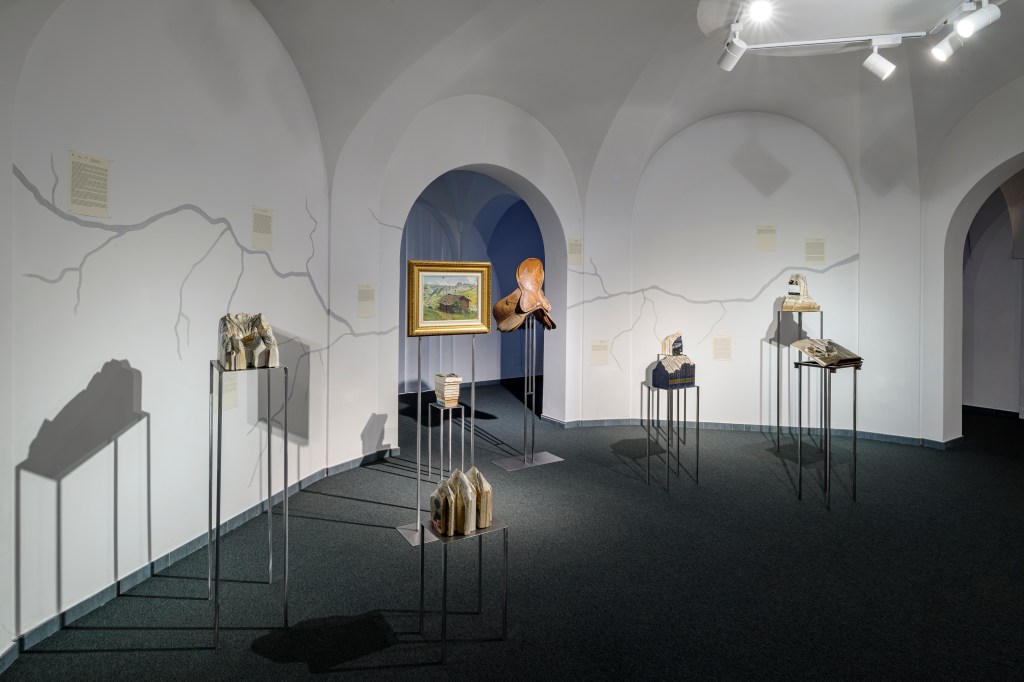
Eugenio Tibaldi, Marginal Heights, 2025. Artwork view in the exhibition The New Orchestra. From Mountain Communities to the Community of the Future. Photo: Mariano Dallago. Courtesy of the artist and the Museo Nazionale della Montagna 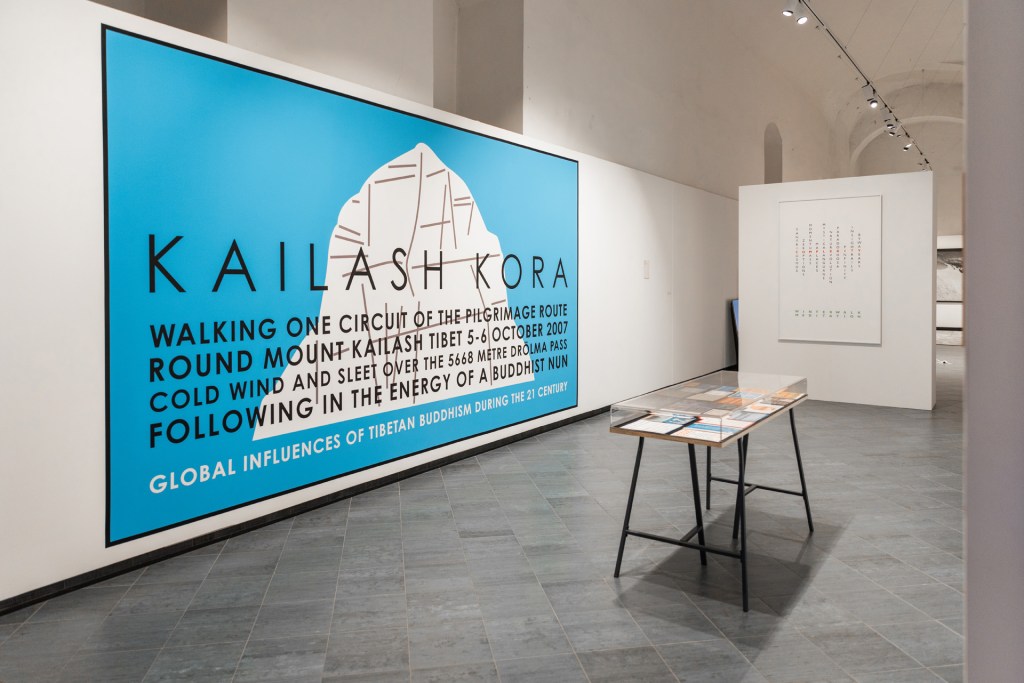
Walking Mountains, Exhibition view, 2024. Photo: Maria Chiara Piglione. Courtesy Museo Nazionale della Montagna 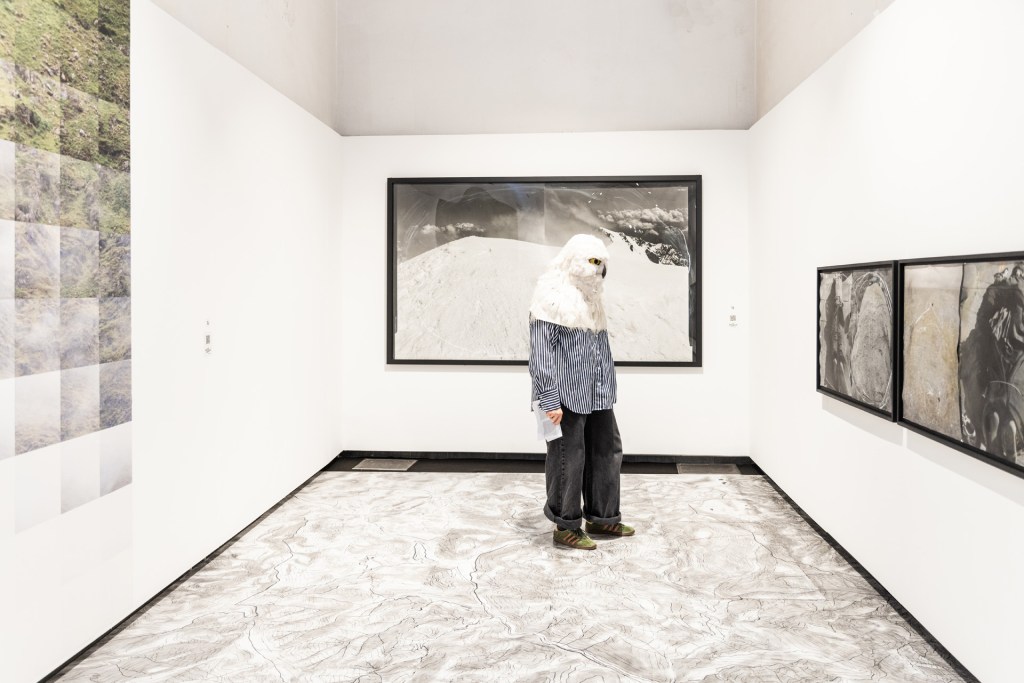
Where to Stop? Performance by the artist Linda Jasmin Mayer presented for the opening of the exhibition Walking Mountains, 2024. Photo: Maria Chiara Piglione. Courtesy of the artist and the Museo Nazionale della Montagna 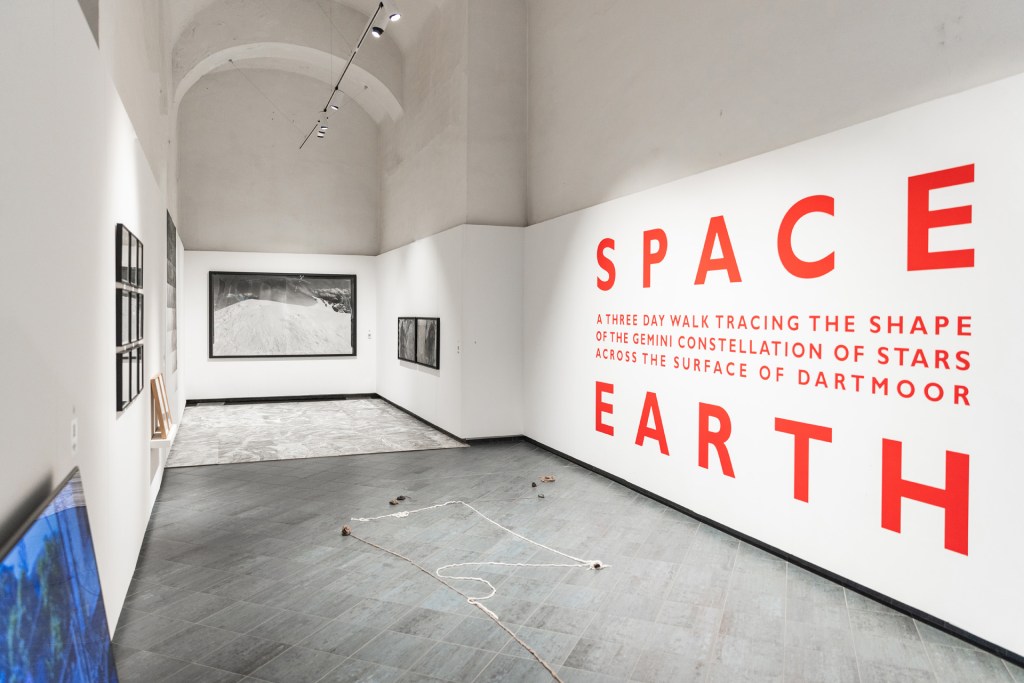
Walking Mountains, Exhibition view, 2024. Photo: Maria Chiara Piglione. Courtesy Museo Nazionale della Montagna 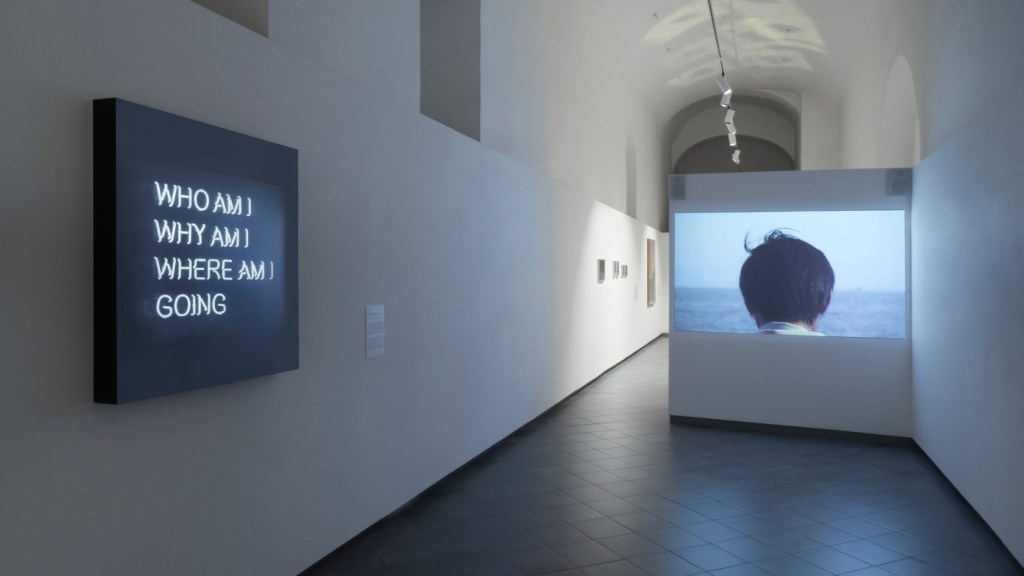
Post Water, Exhibition view, 2018. Photo: Mariano Dallago. Courtesy Museo Nazionale della Montagna
The text has been translated in English using AI

