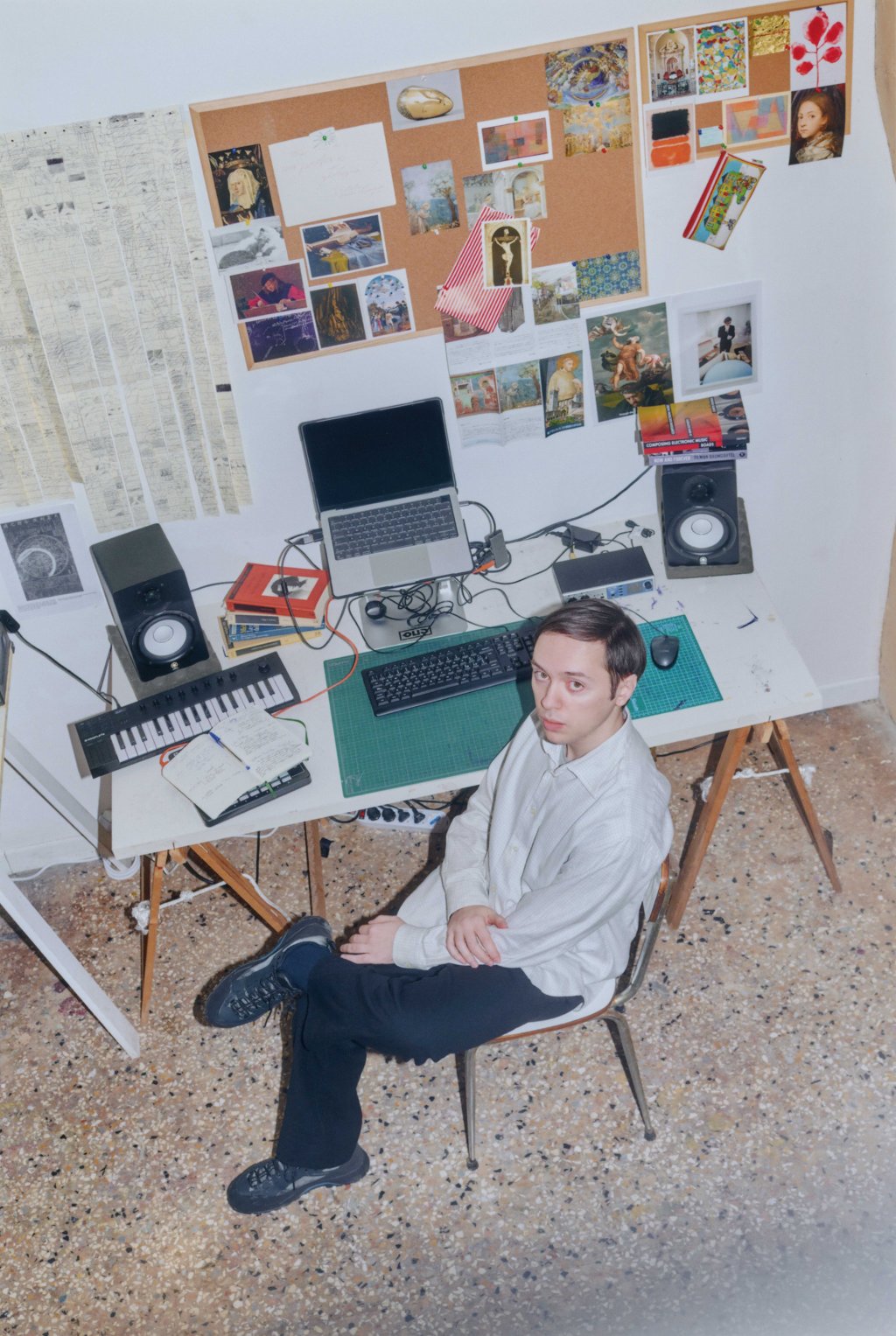
During a visit with the School for Curatorial Studies Venice to the studios of the Fondazione Bevilacqua La Masa in Venice, we were introduced to the practice of visual artist and electronic music composer Tommaso Pandolfi. From this initial engaging point of contact emerged the following interview, focused on the fruitful yet sometimes tense relationships between the visual arts and music.
Tommaso Pandolfi (Ancona, 1995) holds a diploma from the Academy of Fine Arts in Urbino in New Technologies for Art and a Master’s Degree in Visual Arts from the IUAV University of Venice. His practice – spanning drawing, video, and music – navigates the threshold between emotional expression and strict rigour, resulting in a continuous formal exploration, always striving for saturation and layering. Active since 2011, his musical project Furtherset is characterized by melodic loops, synthetic clusters, and rarefied textures.
We interviewed him to learn more about the roots and goals of his artistic practice.
THE INTERVIEW WITH TOMMASO PANDOLFI
Your practice straddles two distinct fields: the visual and the musical. Have you noticed differences in your relationship with curators in these two sectors? From an outside perspective, festivals often appear as more fluid and free spaces, while those traditionally linked to the art world seem more formal. Do you find yourself in this dichotomy?
I don’t see a sharp divide between the musical and artistic realms in terms of formality – whether it’s a small independent event, a festival or an institution.
Lately, music or sound, beyond a purely musical horizon, have been increasingly infiltrating exhibition spaces. However, especially concerning more experimental and innovative sonic investigations, the same reverence accorded to visual art still seems to be lacking.
In recent years I see a continuous exchange between different practices, both in the work of artists and regarding open calls, residencies, or projects of various nature. Obviously, these are distinct fields and it always depends on the specificity of the projects that are commissioned or submitted. Nevertheless, I see an increasingly welcoming openness.
Not only in the visual sphere, but also in the musical one, there is a growing representation of voices previously marginalized. Do you see this openness as a fruitful opportunity to disseminate these projects to a wider audience, or do you perceive the threat of their tokenization within an extractivist logic that too often, above human value, is focused solely on economic return?
Anything presented outside of its original context carries the potential for a form of betrayal of its initial concept. Etymologically, however, betrayal also implies a carrying across. It is therefore important that voices are amplified and made heard, even in the ineluctability of tokenization, a thread present in almost every aspect of a consumerist and capitalist society. The issue of identities and how their representation is used within a capitalist system is quite obvious, especially when large capitals co-opt these struggles – such as social representation – through the various known declinations of washing behind it. A healthy dose of suspicion is always necessary with any form of selling, particularly that enacted by large institutions and capitals.
DRAWING AND MUSIC ACCORDING TO TOMMASO PANDOLFI
Music and drawing are fundamental to your practice. What leads you to represent an idea through drawing rather than musical composition?
My artistic practice is divided into visual and musical spheres, two fields that rarely meet – a difficulty I now approach as a natural state and with respect for both systems. Voluntarily deciding to translate an idea into both media, perhaps because the system demands this continuous representation, has always made me feel like a juggler: having to prove that I can do everything simultaneously, a dimension I am not interested in, also because there is an issue of quality behind it, and thus also of rationalization of energies.
Every idea has its own specificities, which can be visual or musical. When I encounter stimuli that spark visions in my mind, they are very often visual inputs. In the musical realm, it is more often intuitions that organically arise from improvisation. Musically, these ideas are more tied to questions of ineffability, to the impossibility of putting certain intuitions into text. For me, music is linked to this impossibility of precise inscription, wherein also the beauty of the practice lies. Once compositions are finished, it is then up to the listener to live that experience, that emotion, and make it their own – that is, to tell themselves their own story, or better yet, their own vision. This is, for me, the strongest idea behind any musical object, after which, not even I know exactly what is in those creations.
There are, of course, textual frameworks that contextualize an EP, an album, or a single, more or less serious games, as there is a more or less serious visual play. But ultimately there is a reconstructing a posteriori of the creation’s trajectory, recognizing in it the elements that can actually feed this framework of titles and obviously, in this archaeological play, a dimension of truth, of strong emotional truth, always persists.
And what about the image creation?
In the realm of image creation, it is predominantly a matter of research, of investigating – as in an academic context – whether certain things have already been done, written, or theorized. Even when the answer is positive, as often happens in the visual field, I simply attempt to re-make them, giving life not to an exact copy, trying to break mechanisms, rethinking and renewing them, making them my own.
These two systems, the musical and the artistic, do have their porosities, but I also tend to appreciate their specificities. I like that they meet only when there is a true necessity; otherwise, as before mentioned, it becomes a matter of showing that one is able to do many things at once, but in the end, nothing is done well. Doing one thing at a time also means doing things better.
How do drawing and music intersect in your daily practice? Do you feel the impulse to listen to music while drawing, or do you have visual intuitions while composing or listening to music? How do you manage your energies?
I usually divide my year into two six-month blocks. A natural partition that also adapts to project-based needs. Usually, I first compose the music and, once the composition is finished, I work on the image part of the album, for example, the cover art or video production. This latter phase is always a transitional period towards the other half of the year, which is more specifically visual. Lately, a more fluid exchange between music and images has emerged with the artwork for the latest album, Wounds of Melody (Kohlhaas, 2025), a synthesis that, however, is not always so strong. In other words, when I am working on music, I am not thinking about drawing; I typically don’t even draw, because I prefer to concentrate on one thing at a time. When I then transition to the drawing phase, I listen to a lot of music, which also serves as a recharge and a breeding ground for ideas for everything that will be the new musical season.
TOMMASO PANDOLFI AND AI
For the Uzbekistan Pavilion at the 2022 Venice Art Biennale, you interacted with Charli Tapp’s Velocity0: a sound installation powered by an evolving neural network that – through a series of mechanized processes – allows a piano not only to play autonomously but also to interact live with other musicians. This interaction between human performers and machines raises broader questions about Artificial Intelligence. What is your general stance on its role in music?
Starting from Charli Tapp’s project, Velocity0: Stress-Test, there is, first and foremost, a dialogue with the person, because it is the person who designed that algorithm. Therefore, talking to a machine is always talking to the person who programmed its code. This holds true not only for the installation but for all the algorithms we use daily. I do not believe in the super-intelligence of a machine that thinks for itself. The spectrum of positive, or very often negative, approaches is thus due to human action and to the ethical and ideological questions behind the creation of the code. Returning to Velocity0: Stress-Test, the translation of my signal from my live setup to the little hammers of the piano was the result of days of fine-tuning, of calibration between me and the instrument, through Charli. For me, it was therefore a dialogue first and foremost with the person, and then with the music instrument.
This dialogue was polyphonic, as the machine was trained by a plurality of artists.
Throughout the duration of the event, multiple artists were invited by Charli to contribute via browser, sending their recordings which were then reinterpreted by the machine. Regarding my performance, the result is a highly aestheticized solution of two actors in dialogue on stage: me as a musician with my machines and the electric piano; with the puppeteer, Charli, behind the scenes.
I believe it is in this aspect – the fact that there is always a person behind the algorithm – that both the good and bad of this technology reside: the possibility for redemption, as well as the proliferation of abuses. How do you approach AI and what critical issues do you see now and in the long term?
It’s always a question of how it is used and how the codes are structured. I don’t believe there is inherent good or bad. Rather the articulation between these two poles depends on innovation and the interpretation that comes from exercising one’s critical sense. That there is a generalized tendency to constantly say “wow” stems from surprise and fear towards certain new objects, as could have been the case centuries ago at the dawn of printing. Risks are present in any technology; the problem always depends mainly on what big capital does with it. Furthermore, I don’t believe the primary concern is in the artistic field, but rather in other human sectors: what will happen to people, for example, if certain jobs are disrupted and who will profit from this transition?
THE ARTISTIC PRACTICE OF TOMMASO PANDOLFI
As we suggested earlier, a certain indefiniteness and ineffability characterize your work. Being such rigorous openness particularly delicate, how do you manage its malleability in the collision of multiple creative visions? When is this multivocality enriching and generative, and when is it difficult and frustrating?
There can be fluid collaborations, just as there can be ones with more friction. For example, the first show at Aarduork was an extremely agile collaboration, based on continuous dialogue and also on trust. I blindly trusted Mario and Alberto with the installation, regarding which I had openly declared my ignorance, and their intuitions are now part of the way I exhibit my drawings. In the case of Filippo Perfetti – my collaborator for several years –, I usually present him with intuitions, both visual and theoretical, upon which we then build a discourse, also a very fluid one, about how to align ideas with visual devices and vice versa. Being long-time friends, it’s easier to have a clash with him, just as it happens with the video artist Benedetta Fioravanti, a friend and also a professional collaborator of mine. It happens that she proposes visual ideas, on which I then work with sound, establishing a constant dialogue; a very strong encounter where disagreement can also arise. A dimension I nevertheless find extremely fertile for generating a third vision, a third eye.
Then, for example, the mutual appreciation between Pedro Maia’s practice and my own was recognized by altriformati, a cultural association focused on curation in the field of the moving image. They brought our practices into dialogue, channeling them into a live cinema performance at Argo16 (Venice, 2023), a project we would like to present again in the future. Lately, I also collaborated with Alessandro Gagliardo, a filmmaker, with whom we presented CRISI. Commemorare è come smettere di amare, a project we developed in Pordenone at Cinemazero with Obliquo and altriformati, based on archival photos and recordings by Gideon Bachman and Deborah Beer relating to backstage materials from Pasolini’s films. There, the encounter was not exclusively with Alessandro but also with a third agent: the archive.
Hopes and fears for the future?
I am currently working on a kind of visual expansion of the artwork for my latest album, Wounds of Melody (Kohlhaas, 2025). In this passage from music, via the artwork, towards the visual part, I am working in drawing and collage, developing this dimension of the tear – I need to see where it will lead me, perhaps it will become an exhibition project for next year, I don’t know where, I don’t know in what form. And then, the void.
Viola Amico
https://www.instagram.com/furtherset/
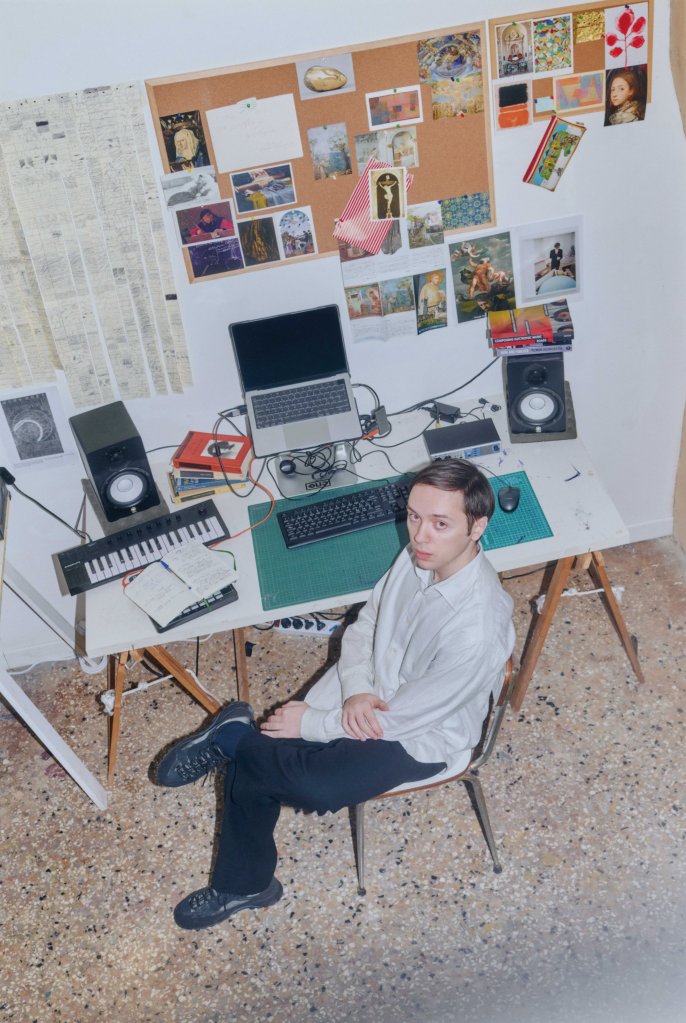
Tommaso Pandolfi in his studio, in residency at Fondazione Bevilacqua La Masa, Venice. Photo by Alessio Keilty (2025) 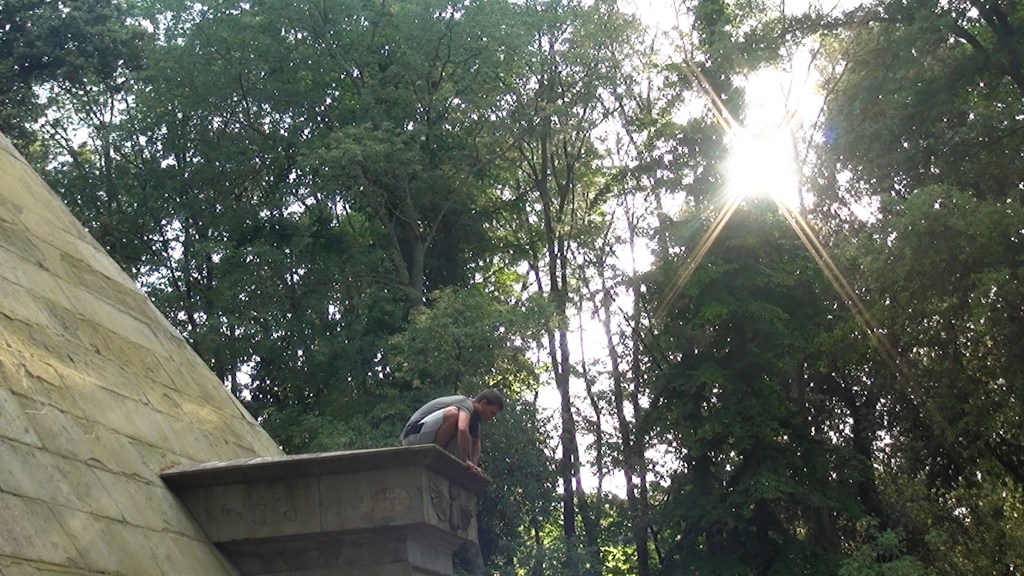
Benedetta Fioravanti, I still love U, anyway (video, full HD, stereo sound, 2024) 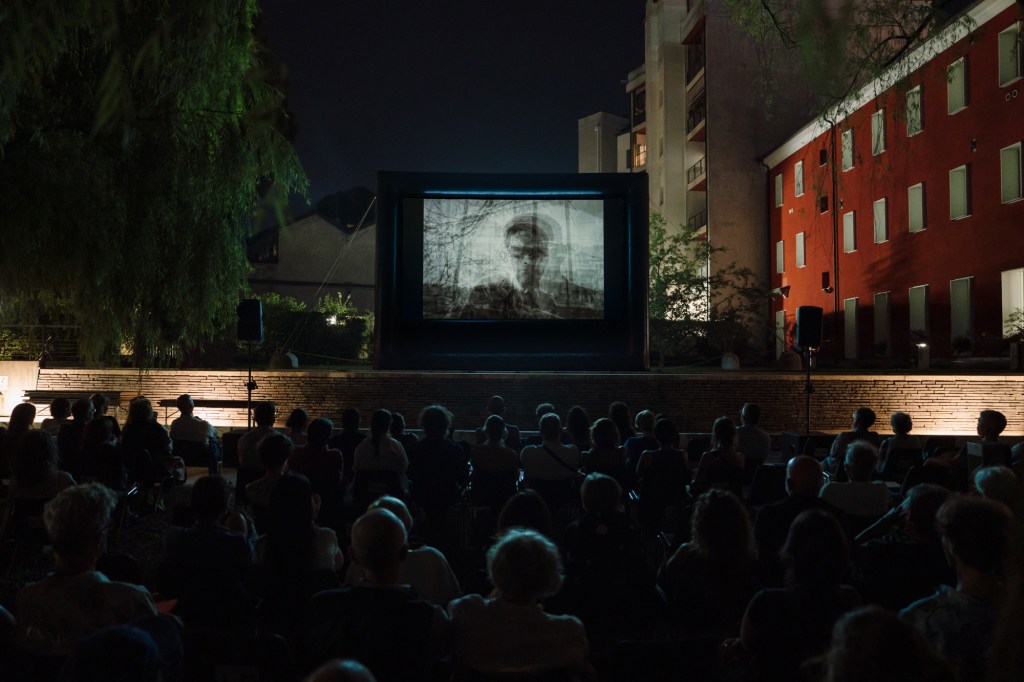
Live performance of CRISI. Commemorare è come smettere di amare, with Alessandro Gagliardo, Pordenone, 2025. Photos by Elisa Caldana 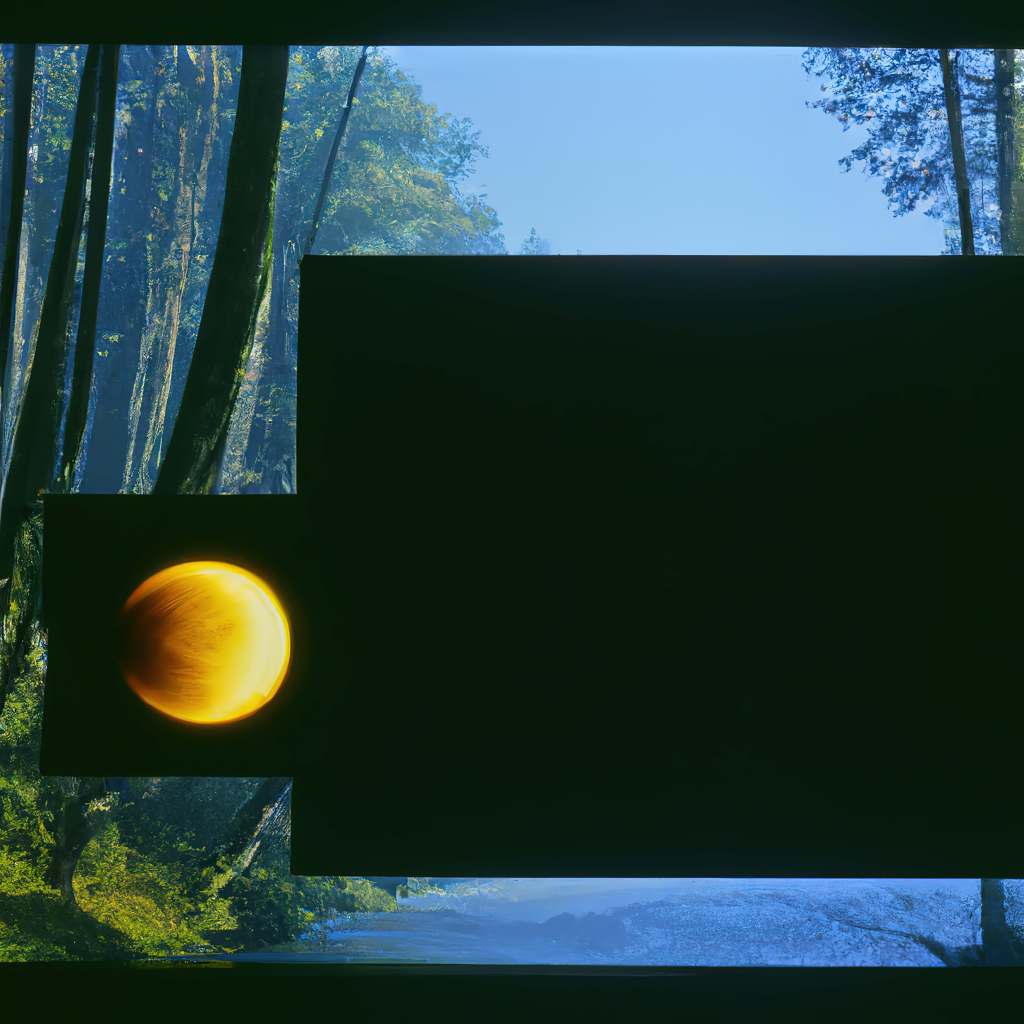
Stills from The Streams of Time on Stone Dreams (video, 4K, stereo sound, 2023) 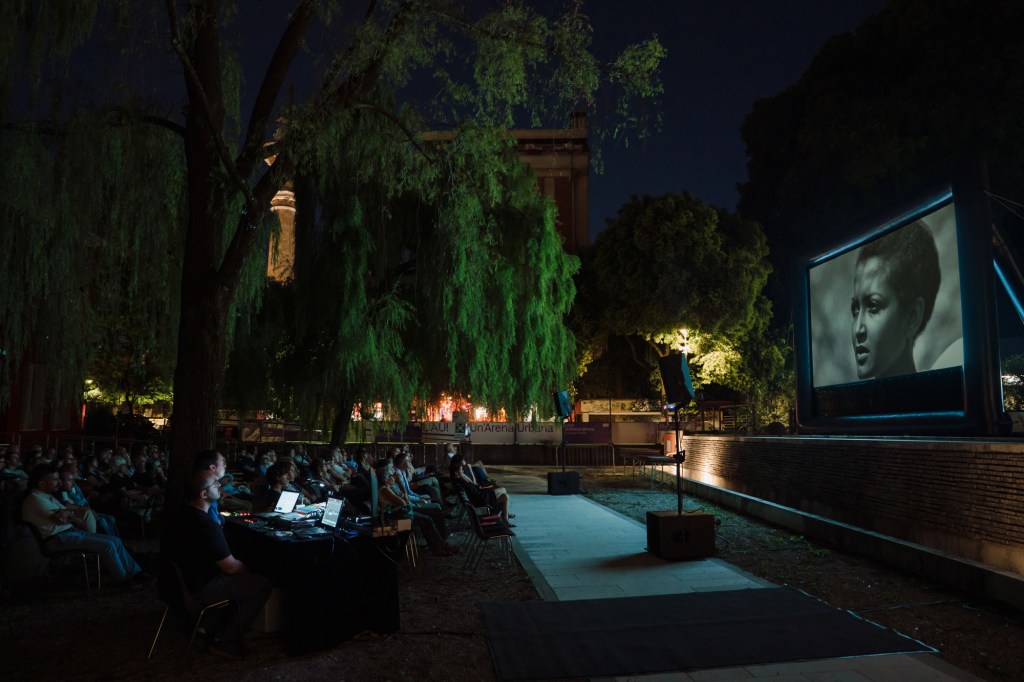
Live performance of CRISI. Commemorare è come smettere di amare, with Alessandro Gagliardo, Pordenone, 2025. Photos by Elisa Caldana 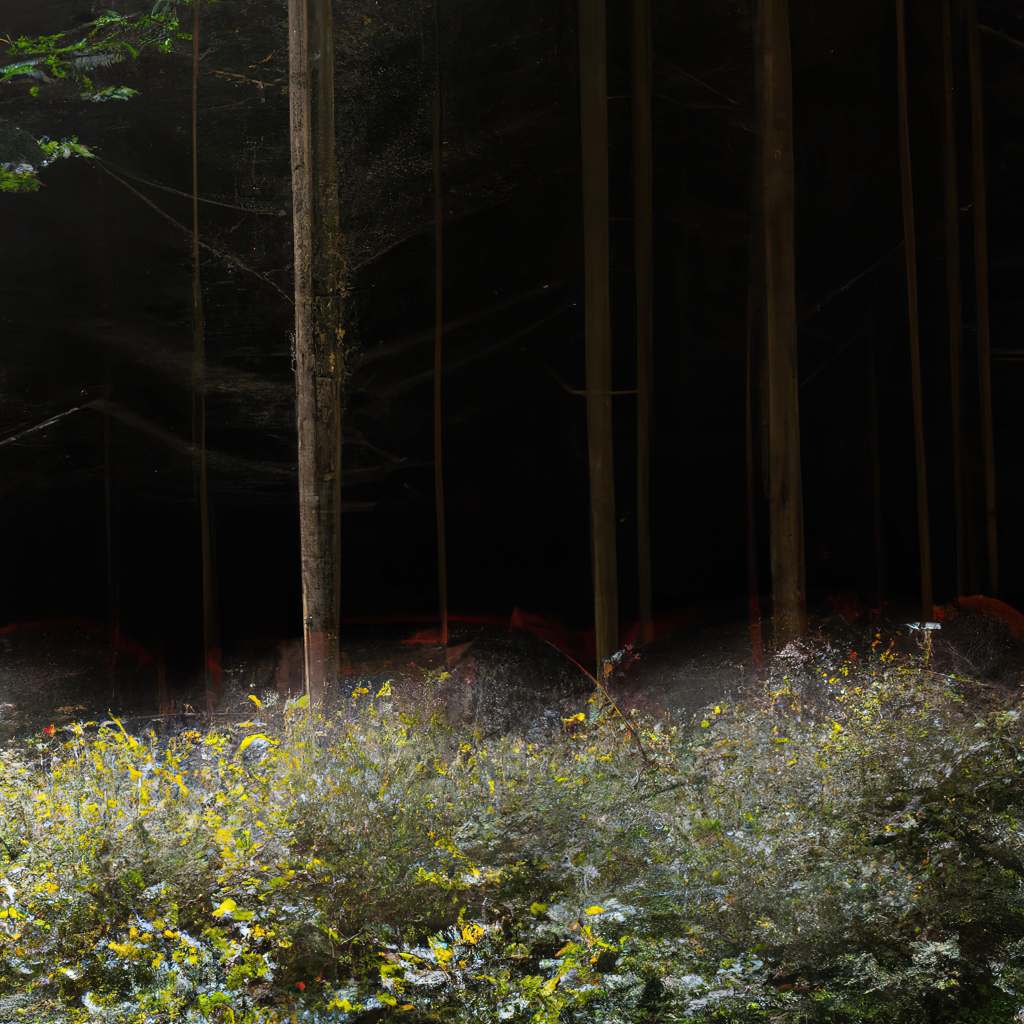
Stills from The Streams of Time on Stone Dreams (video, 4K, stereo sound, 2023) 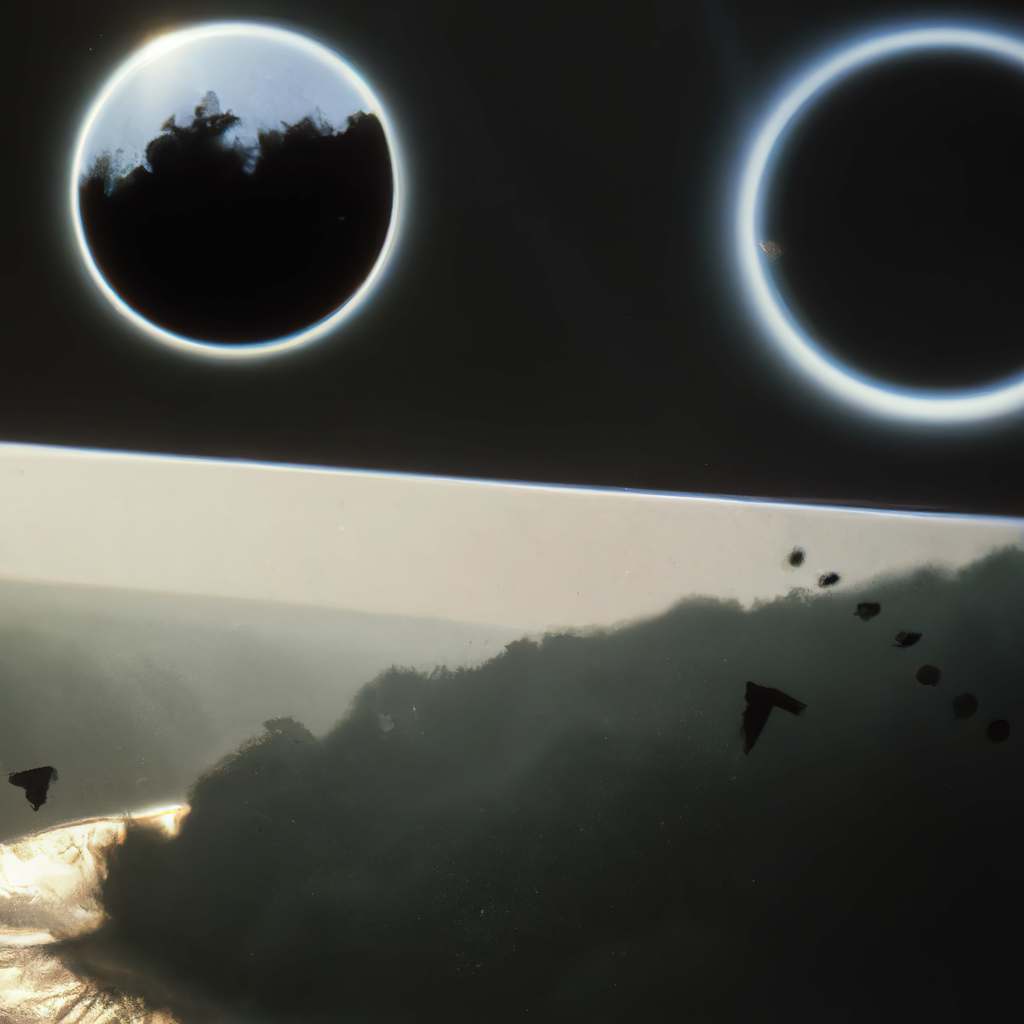
Stills from The Streams of Time on Stone Dreams (video, 4K, stereo sound, 2023) 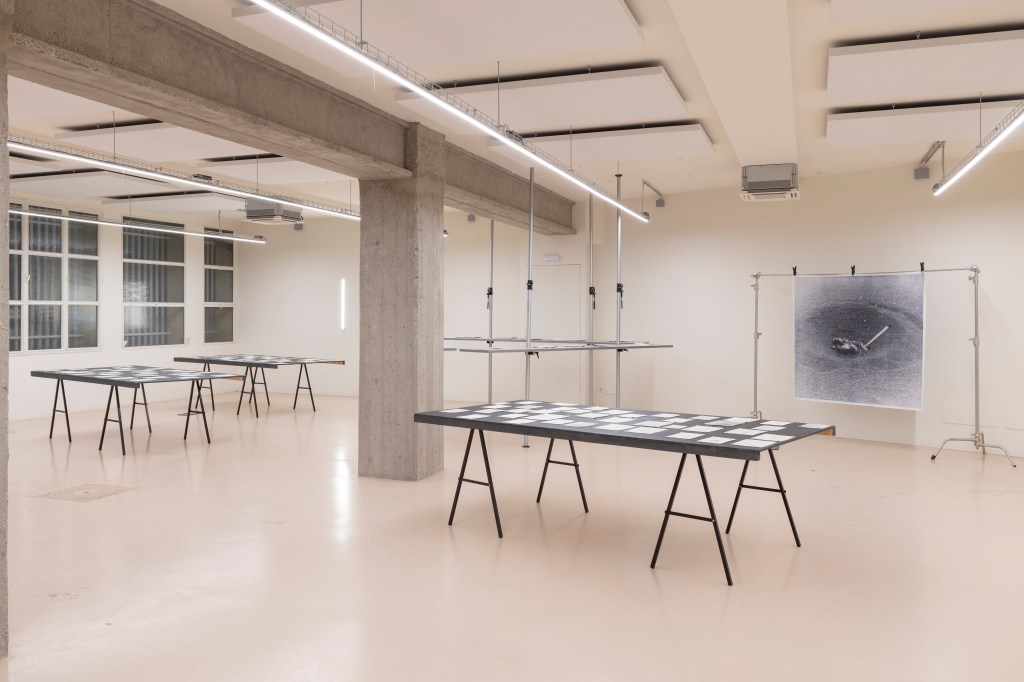
Il metro e la terra, solo show at SanSecondo, Milano (2024). Curated by Filippo Perfetti. Photo by Giovanni Galanello 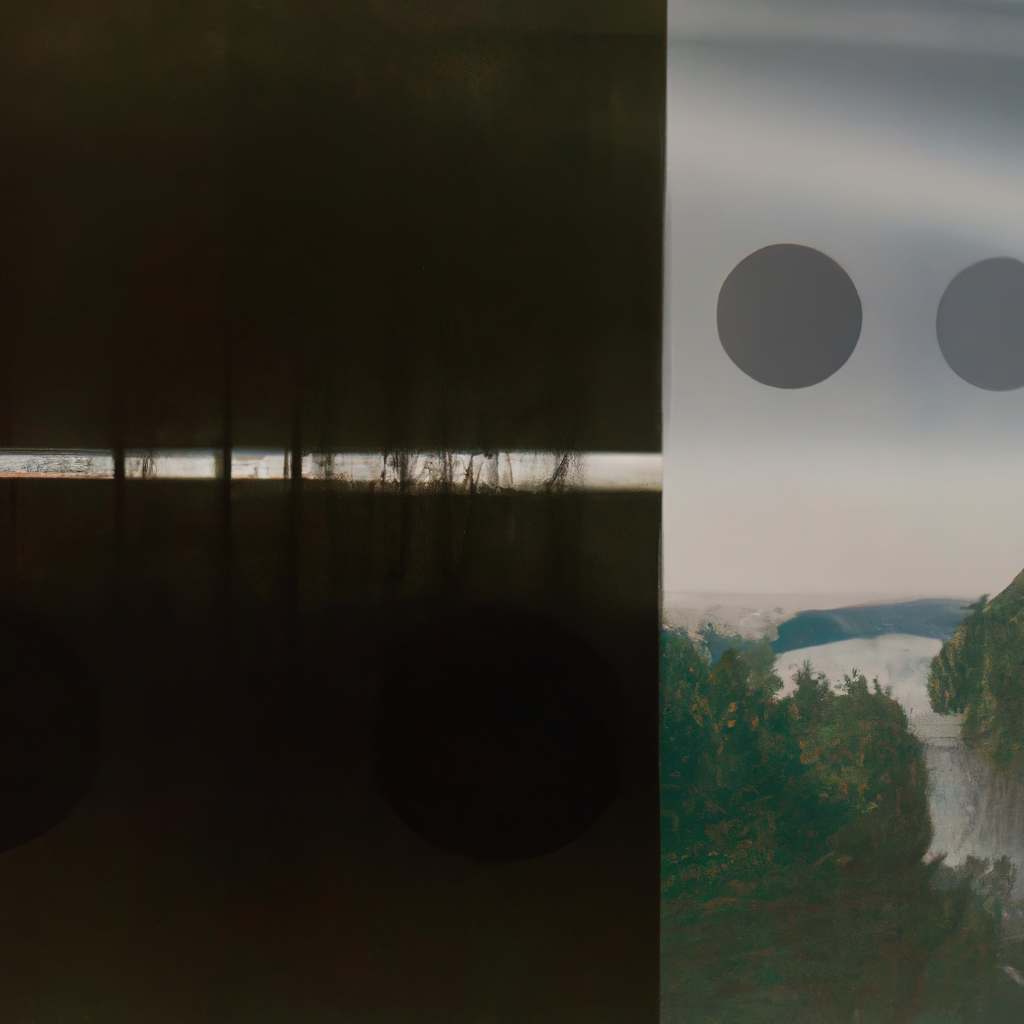
Stills from The Streams of Time on Stone Dreams (video, 4K, stereo sound, 2023) 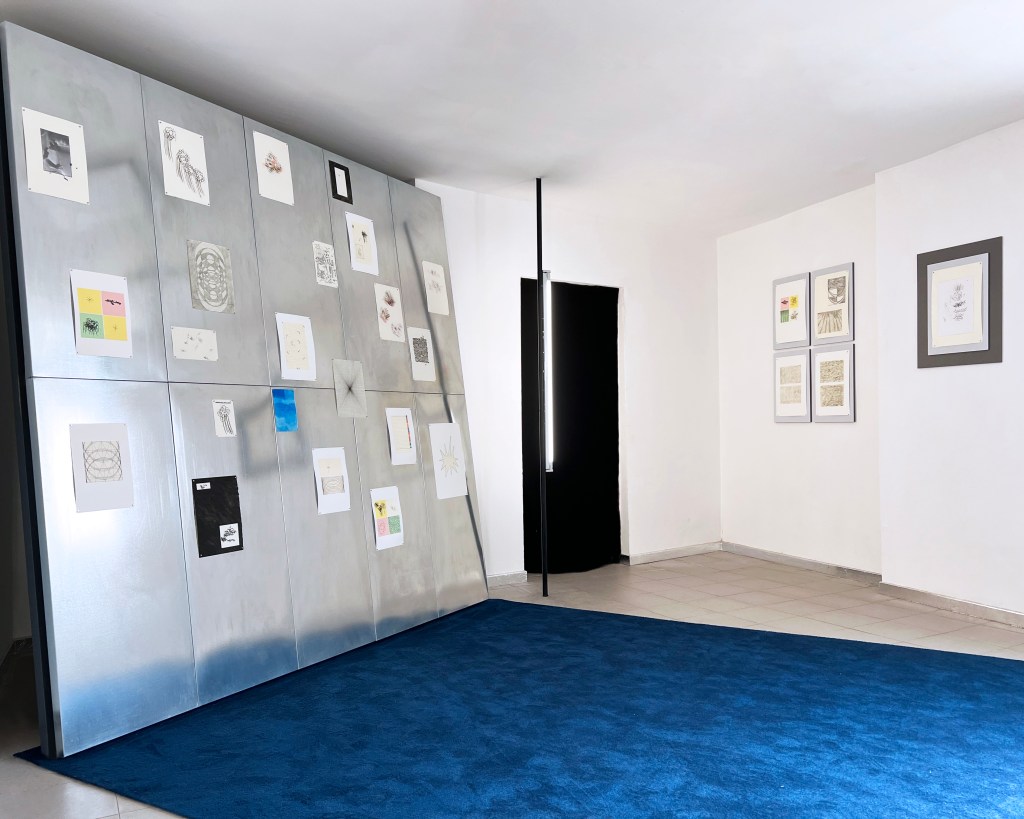
Index, solo show at Aarduork, Venezia (2023). Curated by Mario Ciaramitaro and Alberto Restucci 
Drawings for Thy Tumultuous Rooms (video, 4K, stereo sound, 2025) 
Live cinema performance with Pedro Maia, Argo16 (2023)