In her first institutional exhibition at Pirelli HangarBicocca, Benni Bosetto demonstrates her capacity to convincingly adapt to a larger scale without losing sense of intimacy and fragility. Exploring questions of human experience and identity through drawing, sculpture, installation, and performance, the artist presents a new project in which daydreaming becomes an act of resistance.
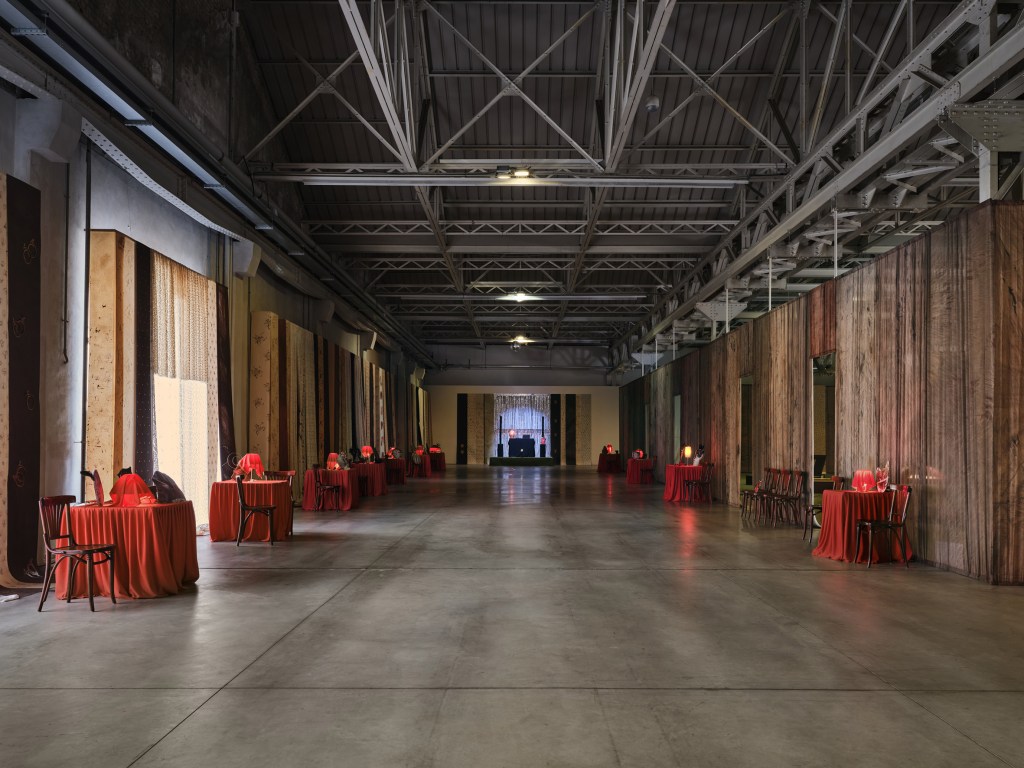
Rebecca, the exhibition focused on the artistic practice of Benni Bosetto (Merate, 1987) and curated by Fiammetta Griccioli, takes its title from Daphne du Maurier’s gothic novel and its cinematic incarnation by Alfred Hitchcock. The exhibition space, the Shed of the Pirelli HangarBicocca in Milan, is divided in three sections: “la guancia” [The cheek], “la pancia” [The belly] and “il cuore” [The heart], transforming the venue into a large-scale installation. At the core of Bosetto’s practice lies a body, specifically, a woman’s body. Here, dissected, it took hold of the industrial site turning it into a novelesque domestic interior filled with curtains and lace.
Visitors step through a spaceship-like curtain into an environment of painted and veiled walls, doors laid flat on the floor, dimly lit tables and small islands with chairs. The setting conveys a lingering presence of a woman, she left her traces – kisses, sketches, drawings. Two lace colossi (Gli occhi) recall the ghostly couple from Virginia Woolf’s A Haunted House. Like one of Woolf’s ghosts, the viewer searches for a hidden treasure: “They’re looking for it; they’re drawing the curtain […] And then, tired of reading, one might rise and see for oneself, the house all empty, the doors standing open.”
BENNI BOSETTO AT THE PIRELLI HANGARBICOCCA IN MILAN
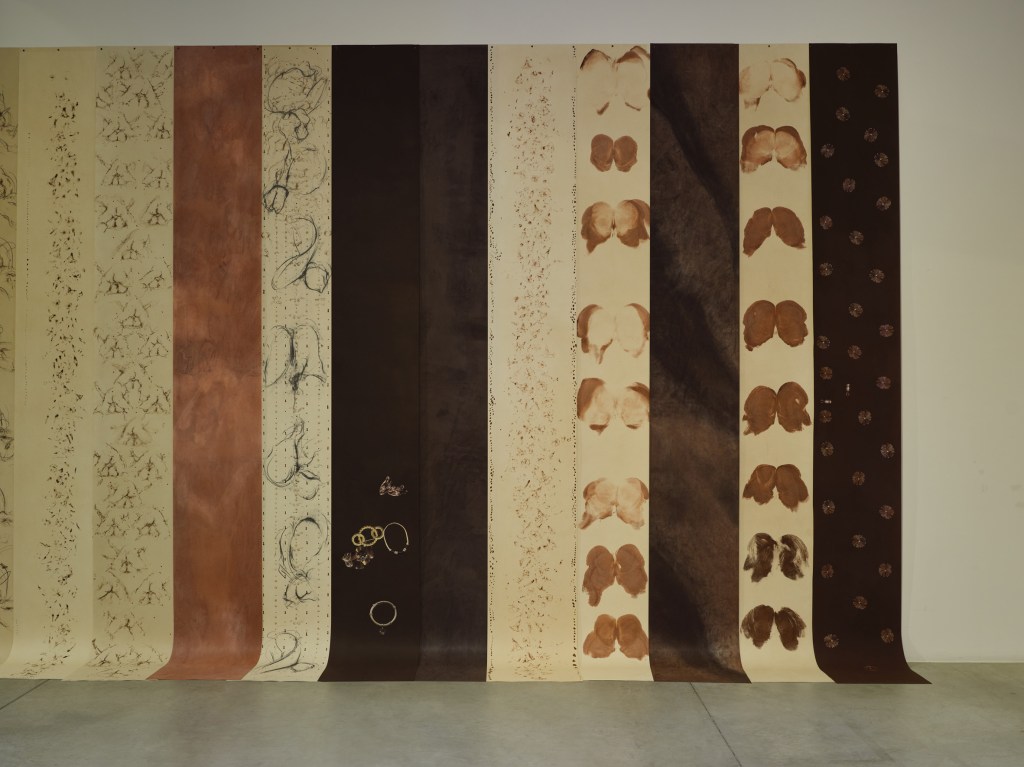
As in the novel, the treasure is found in the drawing room – quite literally. Bosetto’s medium of preference is drawing, with a particular emphasis on manual labour and the temporality of making. The Shed, once a centre of industrial labour, echoes Bosetto’s own hands-on practice. Each piece is created entirely by hand over the course of several months. She covered the walls with hundreds of strips of paper (Le cellule), featuring erotic sketches of witches, flowers and butterflies. Her imagery is surrealistic, sensual. The artist gently guides the viewer with labyrinths and curtained passages conveying intimate stories – like one at the very entrance, mark of the lips in a veiled hallway, recalling the way Bosetto used to kiss the doorframe when coming home as a kid.
What strikes the most is how the industrial environment has been transformed by these handmade papers. In the novel Rebecca, the house acts as an autonomous force that influences its inhabitants. Here, the exhibition space exerts a similar hold, taking on the form of the body itself. The papers encircling visitors contribute most significantly to such perception, as they seem to haunt those inside the venue. Small sculptures, as Easter eggs, appear in unexpected locations and serve both as guides and as remnants of human presence.
THE WORKS BY BENNI BOSETTO
Perhaps it is no coincidence that Rebecca features the series of installations in the form of horizontal doors. Le Porte, positioned at the core of the space and emphasising the project’s centrality, remain concealed within a cloistered area formed by curtains. Their horizontal arrangement disrupts our proprioception ‒ we enter a different relationship with space, like Alice in Wonderland. Behind the half-open doors ‒ furry objects, ceramic bas-reliefs depicting body parts, unidentifiable hybrid ceramic forms, and tomatoes as symbols of desire and vitality. These doors embody sensuality, sexuality, and longing. Similar associations arise from the orgone accumulator I just know that something good is going to happen, whose structure echoes Wilhelm Reich’s prototype device concentrating universal life force. Erotic undertones invite retreat into intimate privacy of the cabinet, offering an escape from the crowded space. Muted tones, neutral surfaces. Yet, Bosetto carefully infuses the venue’s areas with personality. As one wanders along its decorated walls, there is a subtle voyeuristic pleasure in deciphering and finding its fugitive traces. The hangar transforms into an intimate chamber, and the spectator a quiet scavenger in search of the Other’s presence. Ultimately, the exhibition prompts reflection: do we inhabit the spaces, or do they inhabit us?
Luiza Gareeva
Benni Bosetto’s exhibition at the Pirelli HangarBicocca in Milan
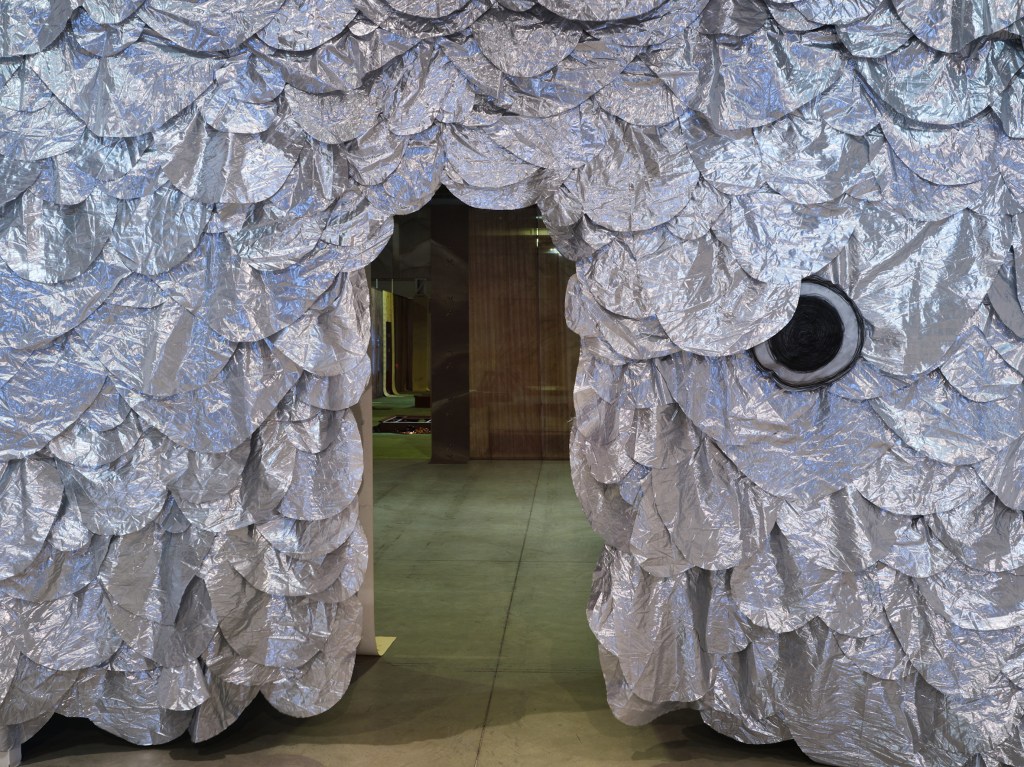
Benni Bosetto, La bocca (detail), 2022. Installation view, Pirelli HangarBicocca, Milan, 2026. Courtesy the artist and Pirelli HangarBicocca, Milan. Photo: Agostino Osio 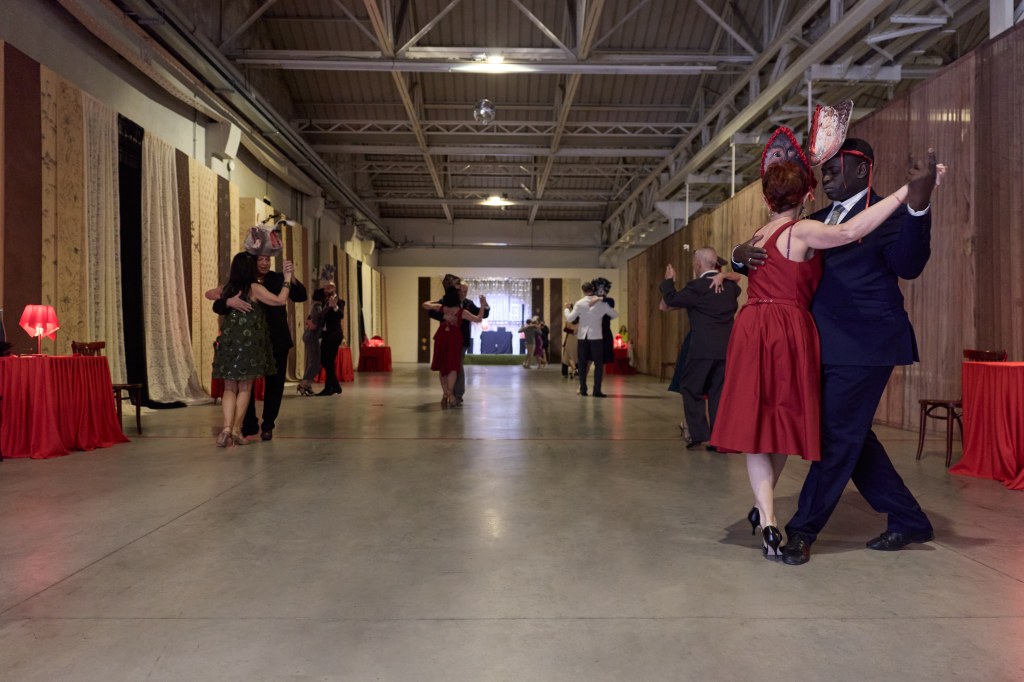
Benni Bosetto, Tango (II version), 2026. Performance and installation view, Pirelli HangarBicocca, Milan, 2026. Produced by Pirelli HangarBicocca. Courtesy the artist and Pirelli HangarBicocca, Milan. Photo: Agostino Osio 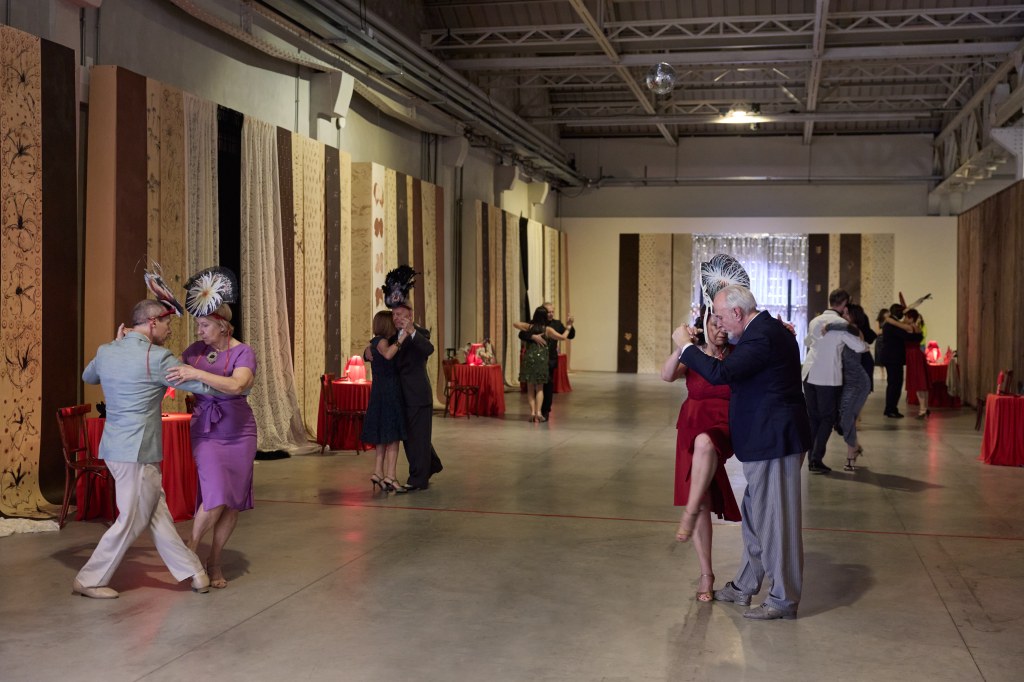
Benni Bosetto, Tango (II version), 2026. Performance and installation view, Pirelli HangarBicocca, Milan, 2026. Produced by Pirelli HangarBicocca. Courtesy the artist and Pirelli HangarBicocca, Milan. Photo: Agostino Osio 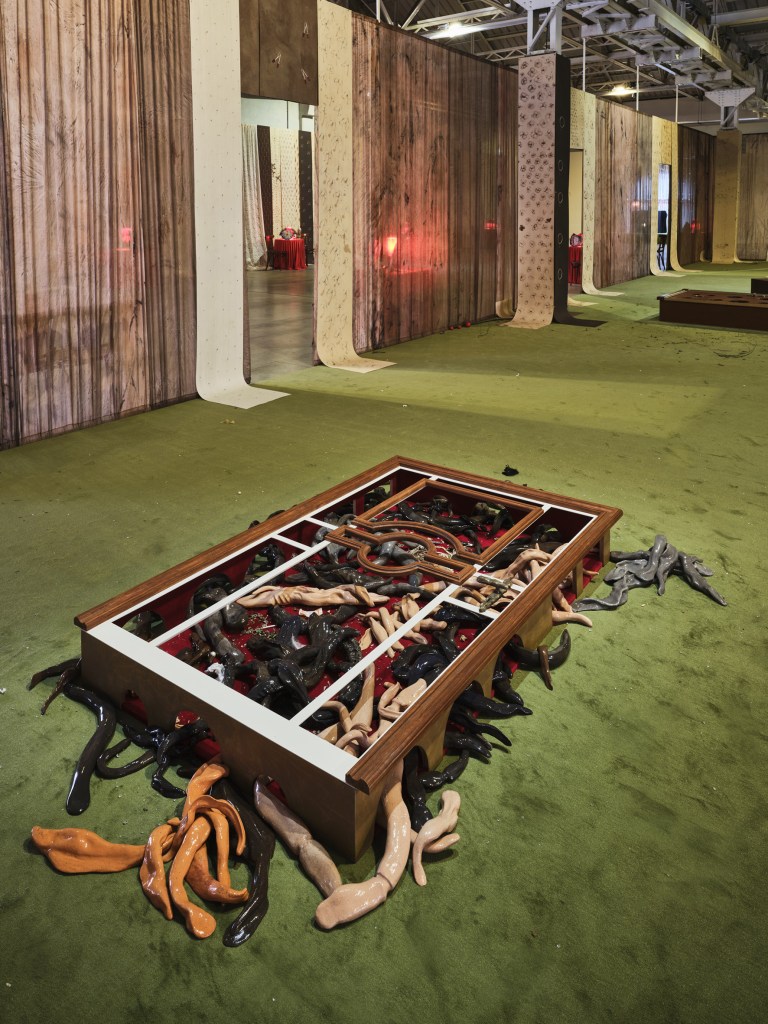
Benni Bosetto, Porta della spogliarellista, 2026. Installation view, Pirelli HangarBicocca, Milan, 2026. Produced by Pirelli HangarBicocca. Courtesy the artist and Pirelli HangarBicocca, Milan. Photo: Agostino Osio 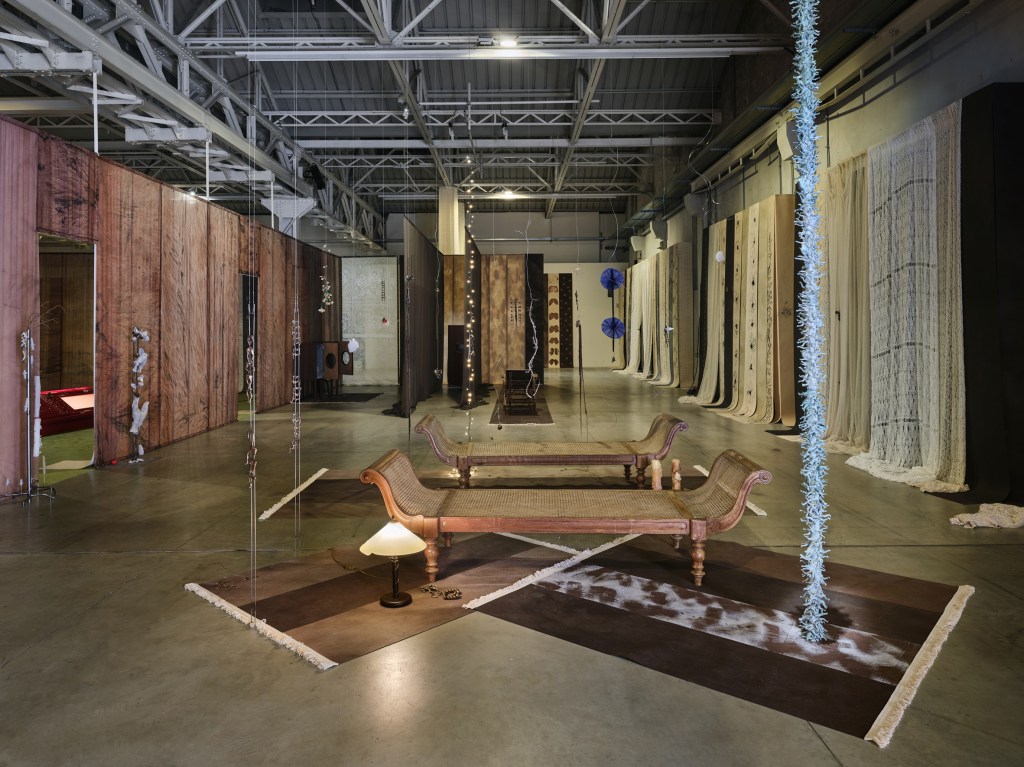
Benni Bosetto, Rebecca. Exhibition view, Pirelli HangarBicocca, Milan, 2026. Courtesy the artist and Pirelli HangarBicocca, Milan. Photo: Agostino Osio 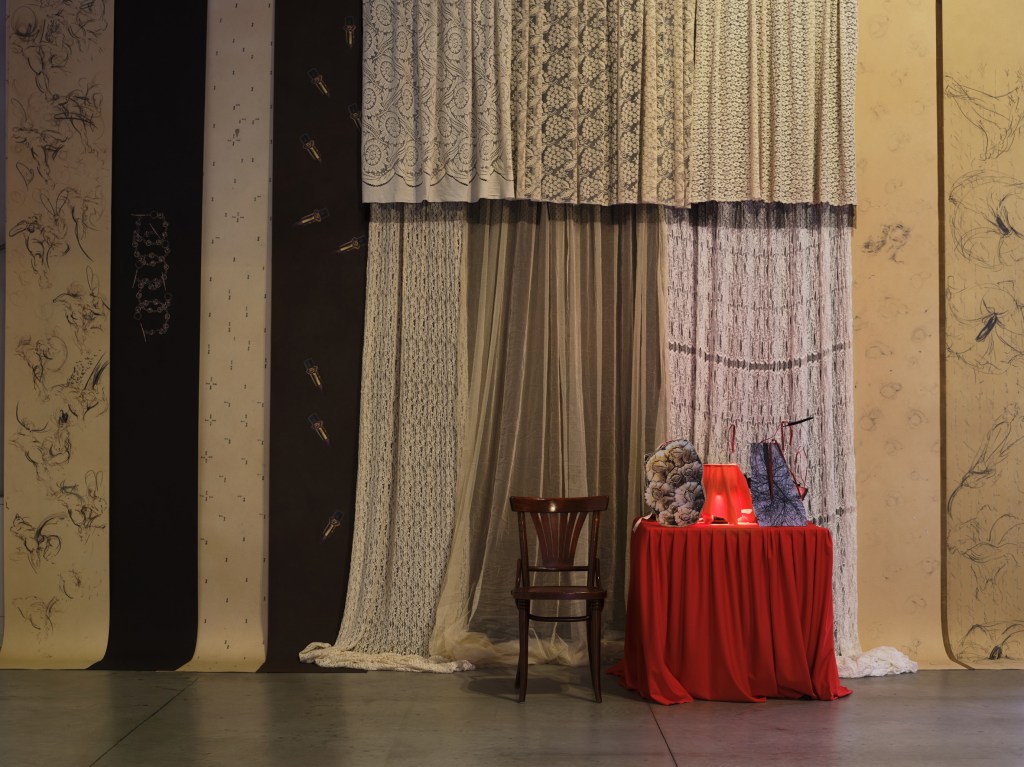
Benni Bosetto, Rebecca. Exhibition view, Pirelli HangarBicocca, Milan, 2026. Courtesy the artist and Pirelli HangarBicocca, Milan. Photo: Agostino Osio 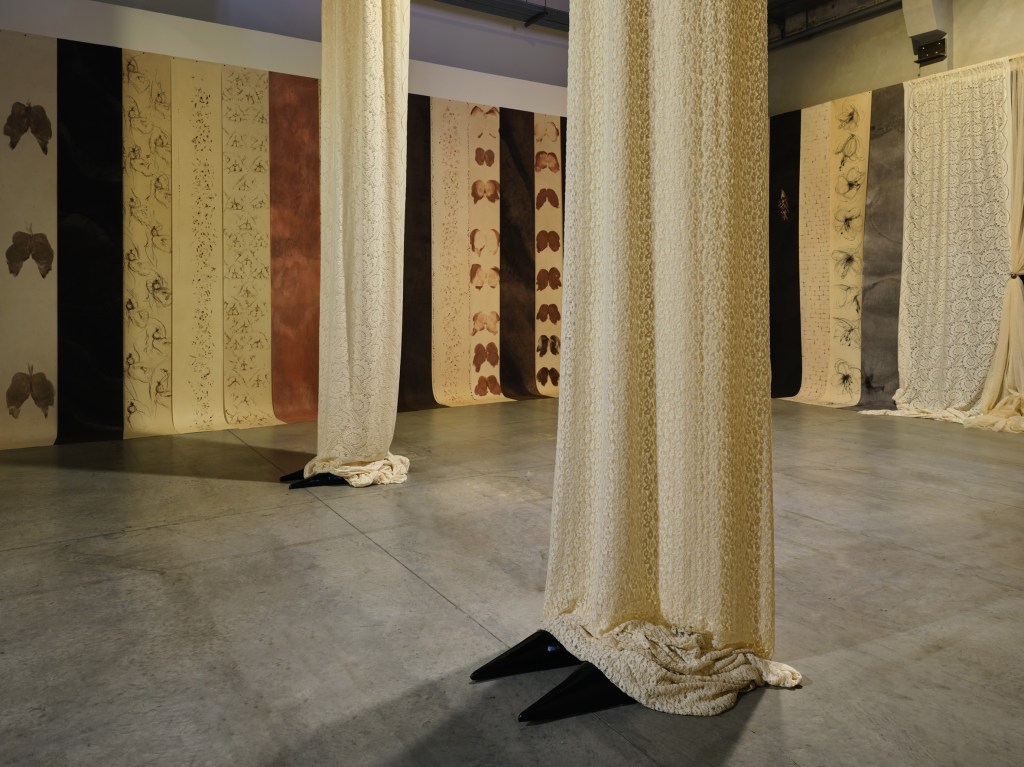
Benni Bosetto, Gli occhi, 2026. Installation view, Pirelli HangarBicocca, Milan, 2026. Produced by Pirelli HangarBicocca. Courtesy the artist and Pirelli HangarBicocca, Milan. Photo: Agostino Osio 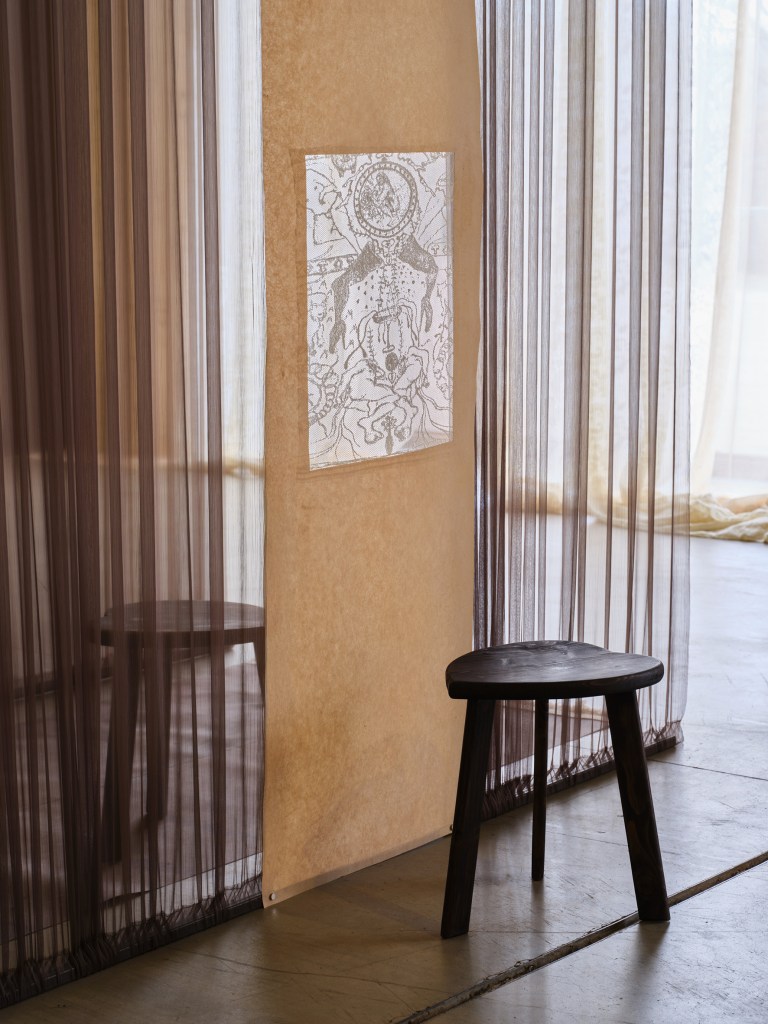
Benni Bosetto, Confessionale animale, 2026. Installation view, Pirelli HangarBicocca, Milan, 2026. Produced by Pirelli HangarBicocca. Courtesy the artist and Pirelli HangarBicocca, Milan. Photo: Agostino Osio 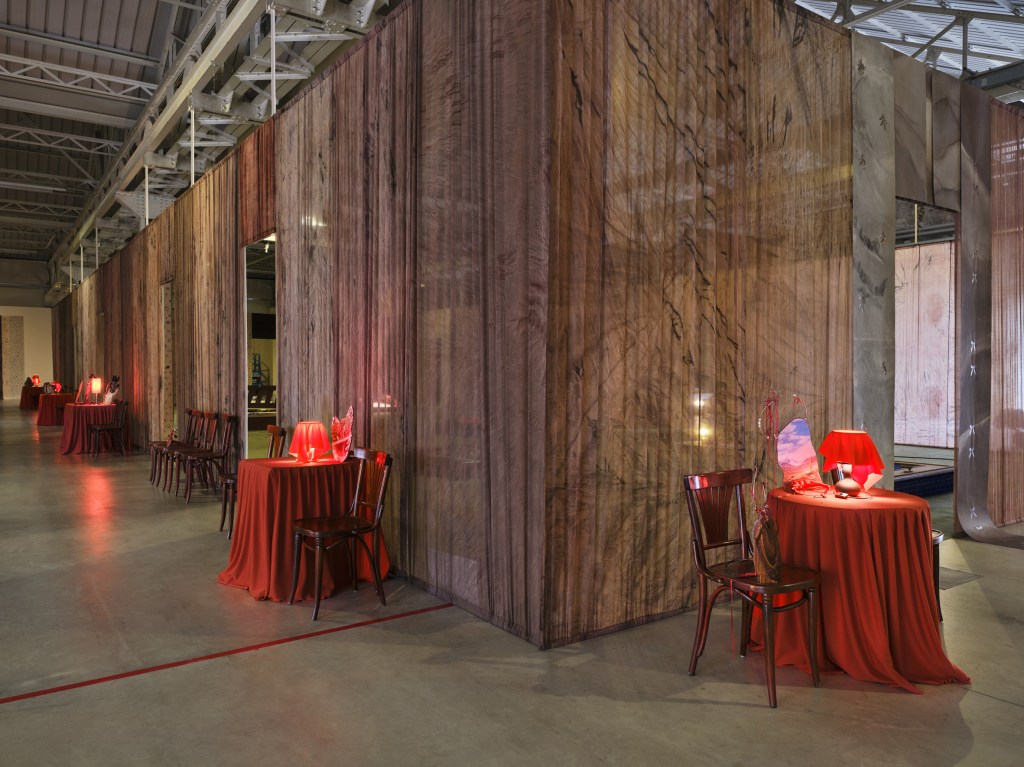
Benni Bosetto, Rebecca. Exhibition view, Pirelli HangarBicocca, Milan, 2026. Courtesy the artist and Pirelli HangarBicocca, Milan. Photo: Agostino Osio 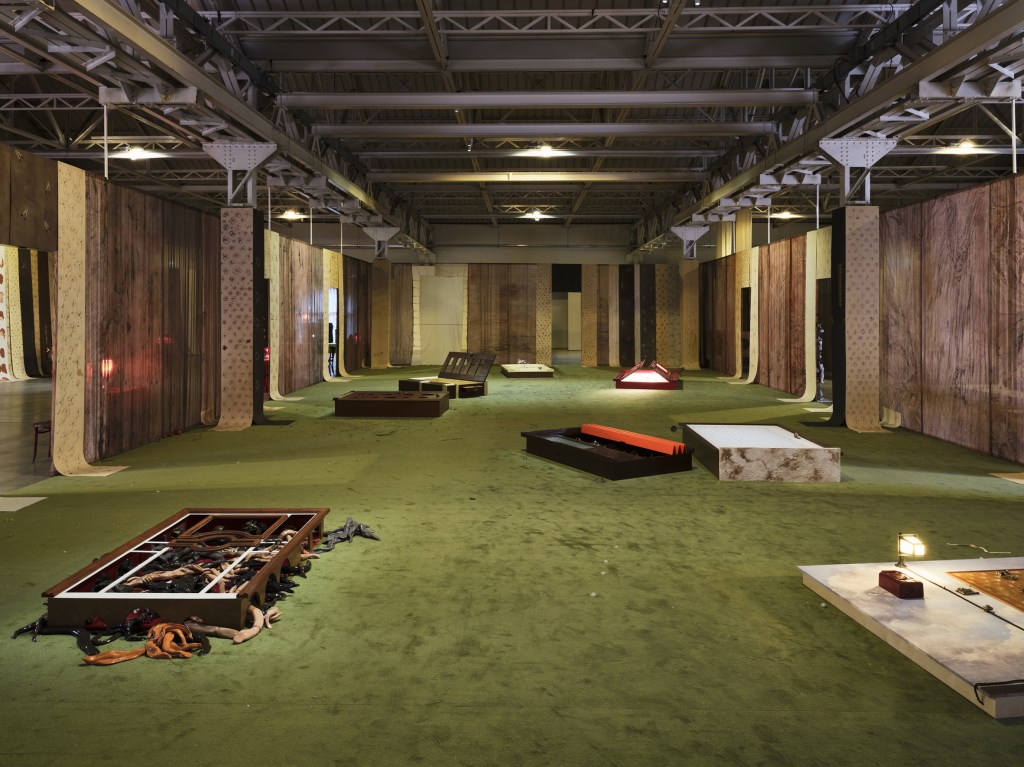
Benni Bosetto, Rebecca. Exhibition view, Pirelli HangarBicocca, Milan, 2026. Courtesy the artist and Pirelli HangarBicocca, Milan. Photo: Agostino Osio 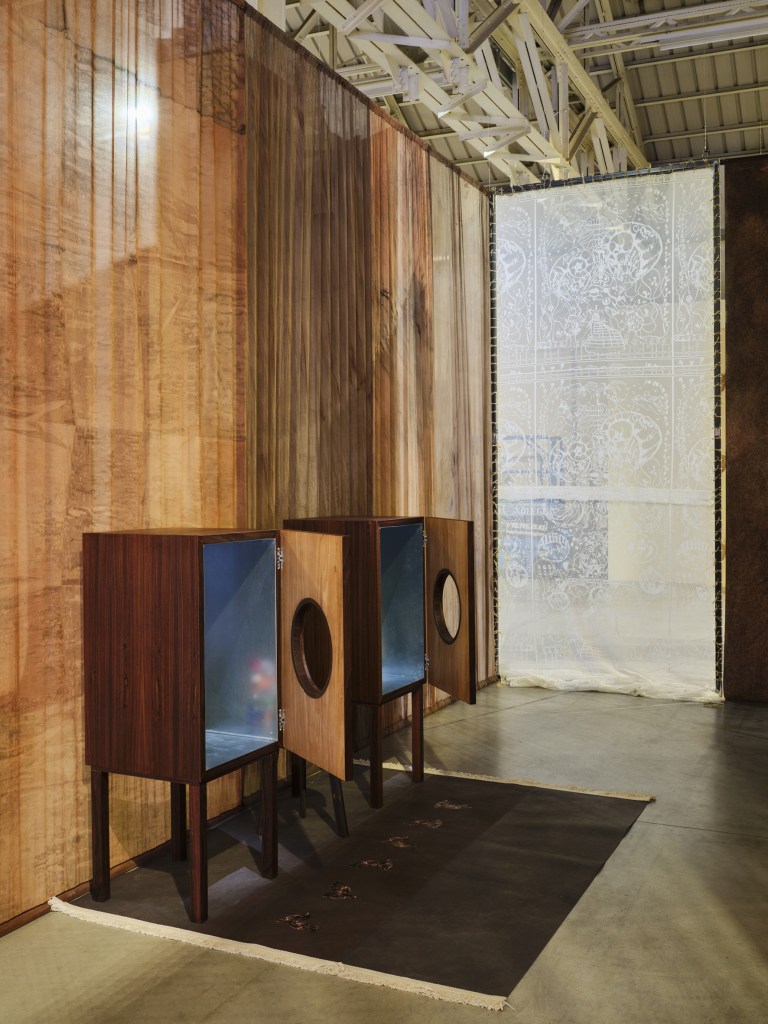
Benni Bosetto, Corridoio orgonico (detail), 2026. Installation view, Pirelli HangarBicocca, Milan, 2026. Produced by Pirelli HangarBicocca. Courtesy the artist and Pirelli HangarBicocca, Milan. Photo: Agostino Osio 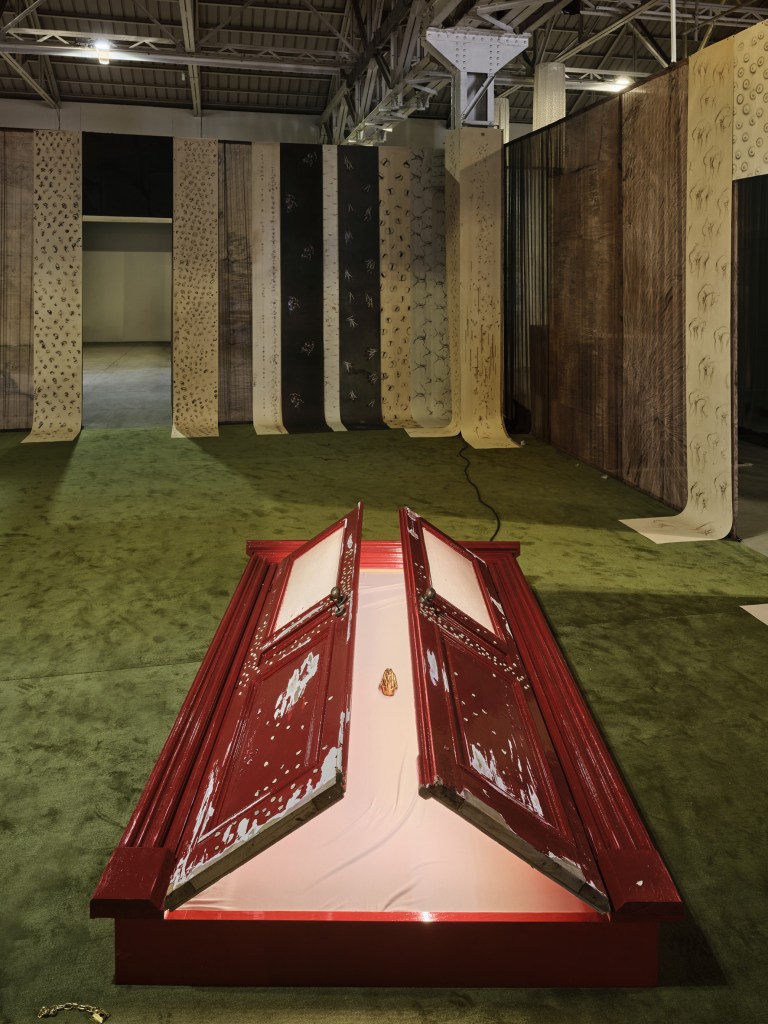
Benni Bosetto, Porta pannocchia, 2026. Installation view, Pirelli HangarBicocca, Milan, 2026. Produced by Pirelli HangarBicocca. Courtesy the artist and Pirelli HangarBicocca, Milan. Photo: Agostino Osio 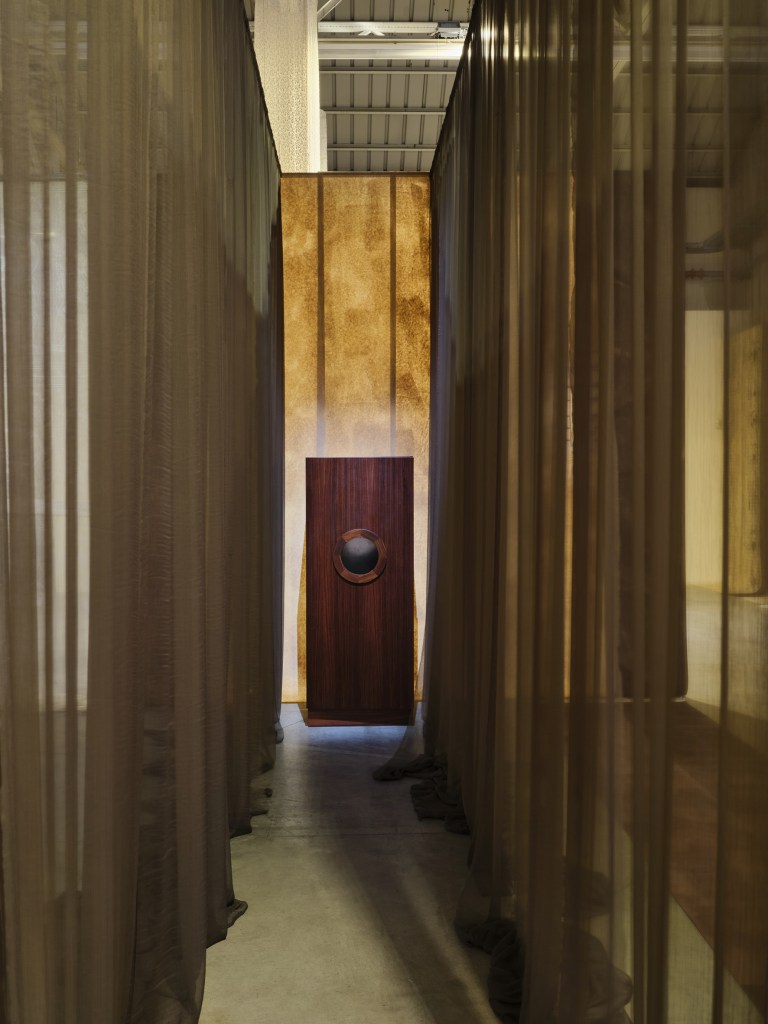
Benni Bosetto, Corridoio orgonico (detail), 2026. Installation view, Pirelli HangarBicocca, Milan, 2026. Produced by Pirelli HangarBicocca. Courtesy the artist and Pirelli HangarBicocca, Milan. Photo: Agostino Osio 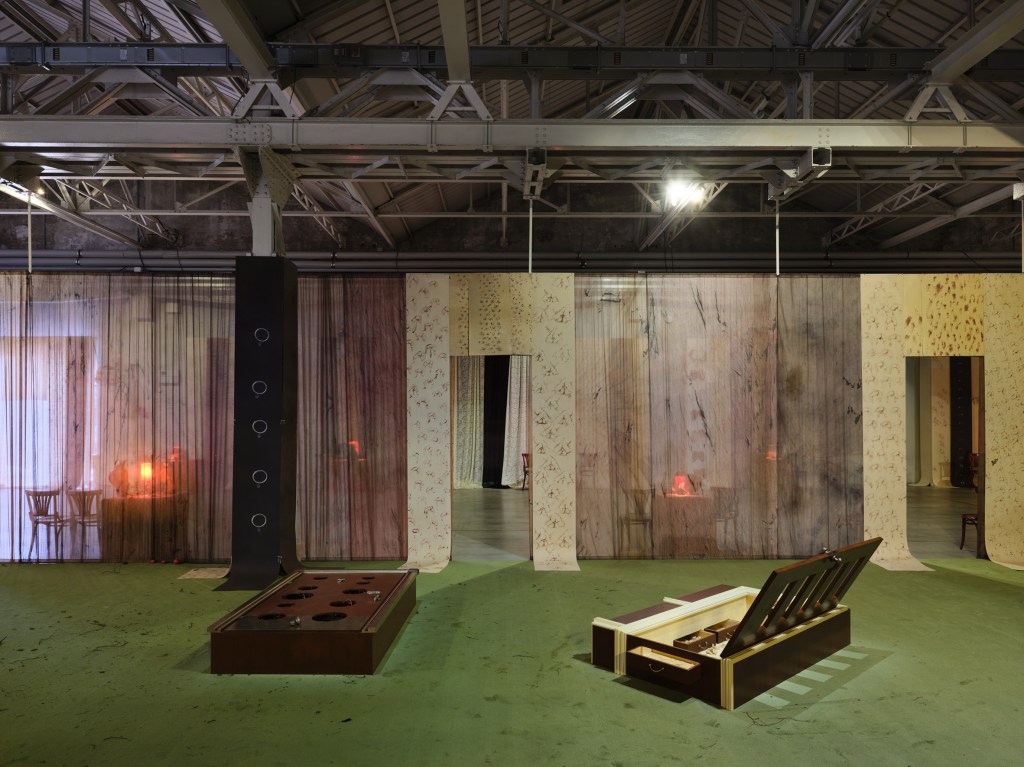
Benni Bosetto, Rebecca. Exhibition view, Pirelli HangarBicocca, Milan, 2026. Courtesy the artist and Pirelli HangarBicocca, Milan. Photo: Agostino Osio 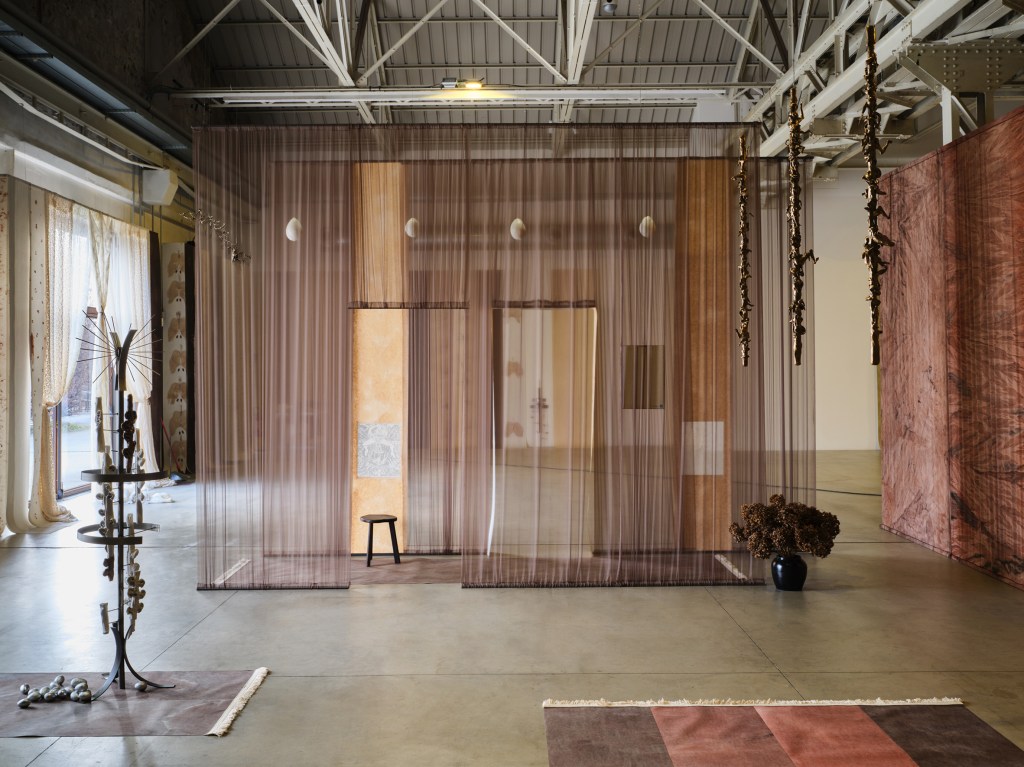
Benni Bosetto, Rebecca. Exhibition view, Pirelli HangarBicocca, Milan, 2026. Courtesy the artist and Pirelli HangarBicocca, Milan. Photo: Agostino Osio 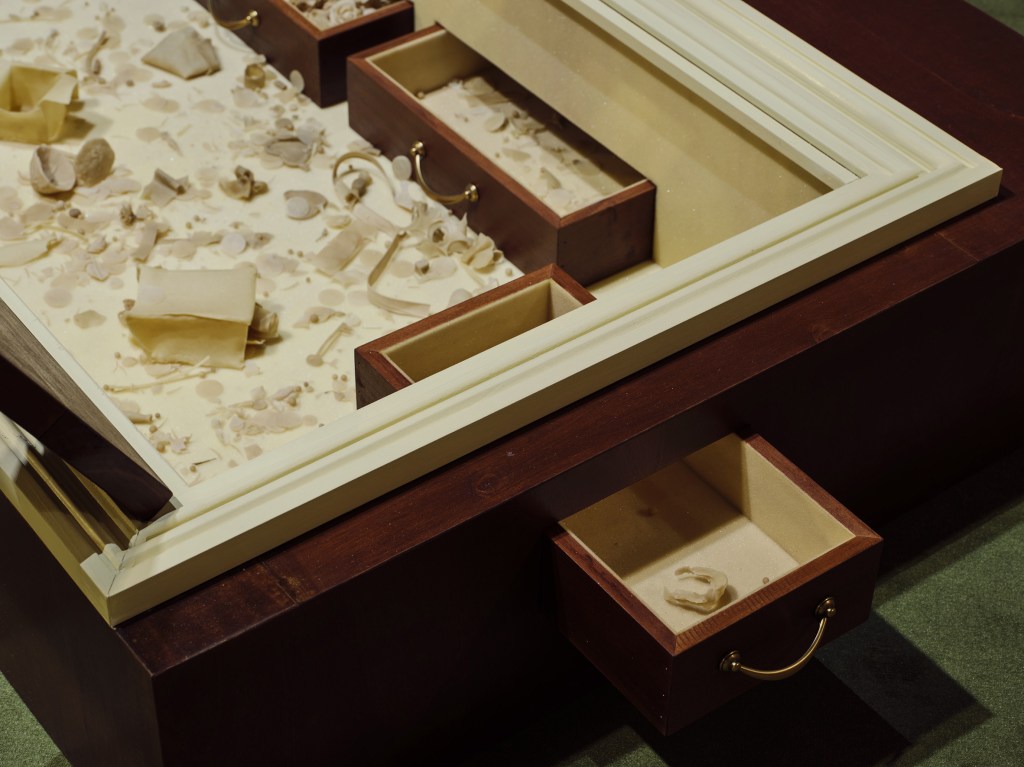
Benni Bosetto, Porta mollica – la contrabbandiera (particolare), 2026. Installation view, Pirelli HangarBicocca, Milan, 2026. Produced by Pirelli HangarBicocca. Courtesy the artist and Pirelli HangarBicocca, Milan. Photo: Agostino Osio 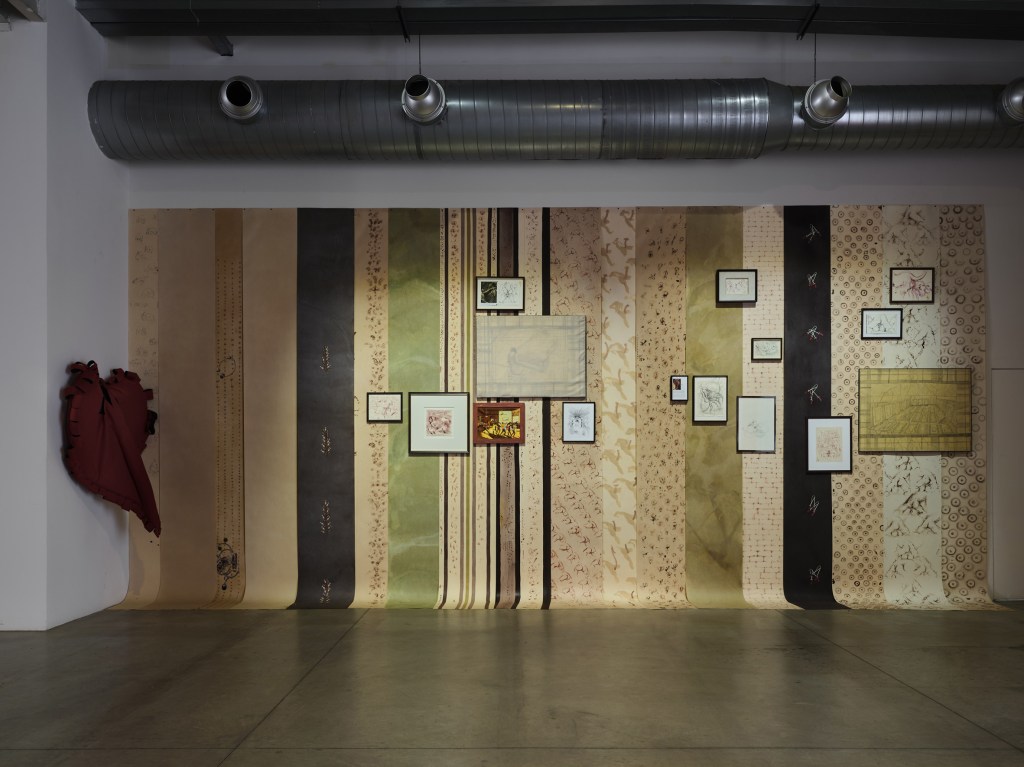
Benni Bosetto, Rebecca. Exhibition view, Pirelli HangarBicocca, Milan, 2026. Courtesy the artist and Pirelli HangarBicocca, Milan. Photo: Agostino Osio 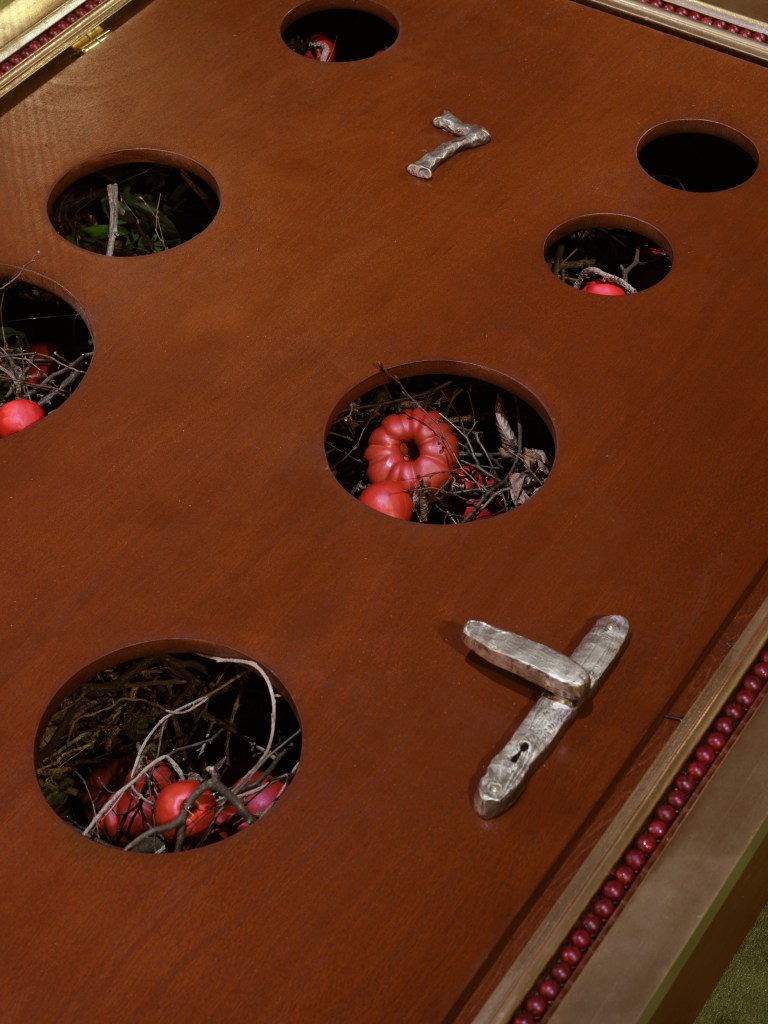
Benni Bosetto, Porta pomi d’oro (particolare), 2026. Installation view, Pirelli HangarBicocca, Milan, 2026. Produced by Pirelli HangarBicocca. Courtesy the artist and Pirelli HangarBicocca, Milan. Photo: Agostino Osio Benni Bosetto, Rebecca. Exhibition view, Pirelli HangarBicocca, Milan, 2026. Courtesy the artist and Pirelli HangarBicocca, Milan. Photo: Agostino Osio 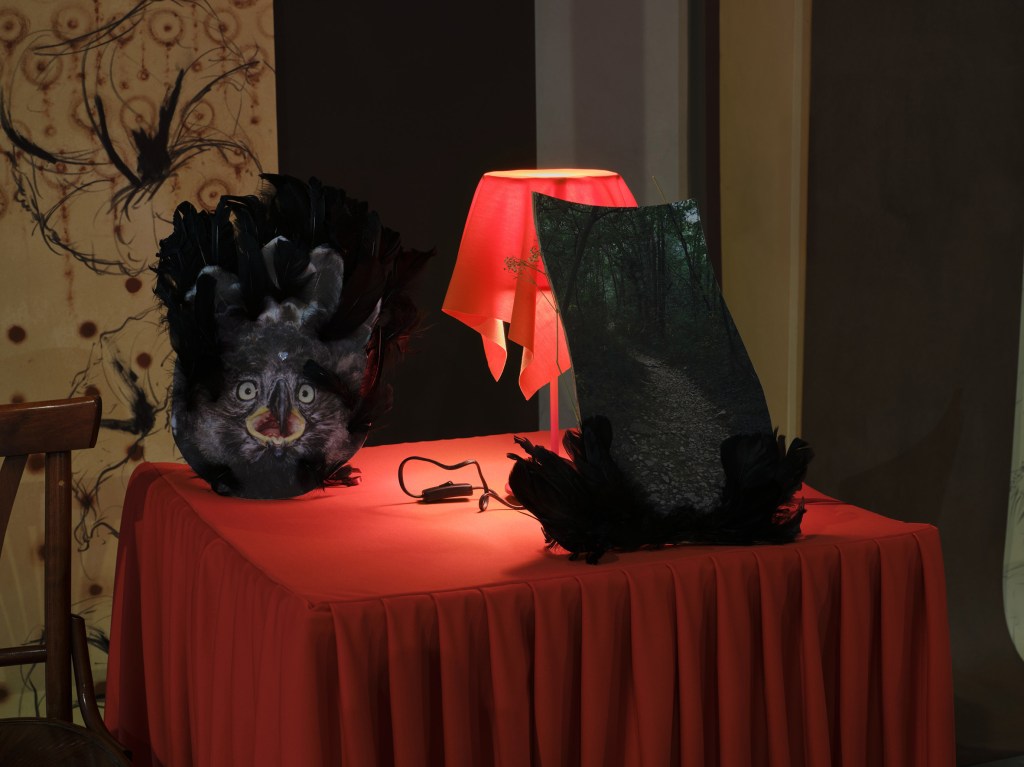
Benni Bosetto, Rebecca. Exhibition view, Pirelli HangarBicocca, Milan, 2026. Courtesy the artist and Pirelli HangarBicocca, Milan. Photo: Agostino Osio 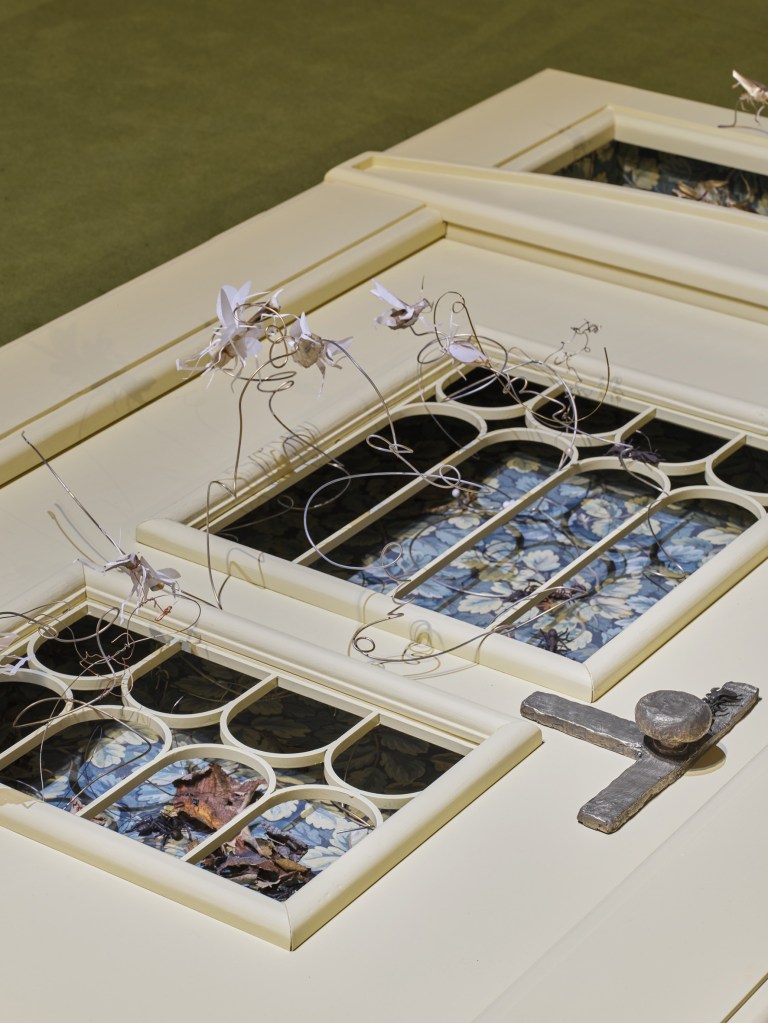
Benni Bosetto, Porta sussurri (particolare), 2026. Installation view, Pirelli HangarBicocca, Milan, 2026. Produced by Pirelli HangarBicocca. Courtesy the artist and Pirelli HangarBicocca, Milan. Photo: Agostino Osio Benni Bosetto, Le cellule (detail), 2026. Installation view, Pirelli HangarBicocca, Milan, 2026. Produced by Pirelli HangarBicocca. Courtesy the artist and Pirelli HangarBicocca, Milan. Photo: Agostino Osio
 c plus c