The exhibition “Like Bread and Water”, open until 10 July 2025 at In the Mountains in Berlin, presented a multifaceted picture of everyday life, culture and history, inspired by a famous Armenian proverb that symbolizes the vital necessity of life. The exhibition encompassed different temporal, political and social narratives, emphasizing the importance of joint reflection and living life through the works of artists. The curator has created a space where political, historical and environmental stories are presented together, forming a vibrant visual environment.
On 20 June 2025, the exhibition Like Bread and Water opened at the In the Mountains space in Berlin. In Armenian, the proverb “Like Bread and Water” is used to emphasize the importance of the moment. This linguistic and cultural layer gave the exhibition a deep context, indicating that the narratives and works presented here were not just artistic expressions, but important elements of life and identity. The choice of the exhibition hall is also key to understanding the exhibition. In the Mountains is an art space based in Berlin, initiated by a community living in the Caucasus. This fact itself carries geographical and cultural layers, which the curator Momik Vardanyan used as a pillar. The place is also connected to the Caucasus through its name, becoming not only a physical space, but also a symbol. The curator took this opportunity to present the art of the region on an international platform, but at the same time emphasizing the Armenian identity.
THE EXHIBITION “LIKE BREAD AND WATER” IN BERLIN
The curator himself described the exhibition as an attempt at “mapping”, not in a geographical sense, but as a collection of experiences, memories and ideas. The structure of the exhibition avoided linear or plot logic. The works were placed side by side or crosswise, thus creating an open and mobile space. This non-linear exposition allowed the works to dialogue with each other. For example, Dmitry Sarkisov, whose main working language is video art, addressed the critique of the regime in the exhibition. His works show how art can become a tool of resistance, both to the regime and to technology. Mary Mikaelyan’s main concerns are directed towards the Soviet past. The presented works relate to the themes of postcolonial theories and the reinterpretation of identity, suggesting a practice of introspection.
Valentina Maz’s work is centered on autobiographical stories that reflect emotional states while simultaneously challenging the tension between personal stories and the broader power systems that shape them. The video art presented in the exhibition transports the viewer to the past, recreating stories that remain in constant dialogue with the present.
Mher Azatyan’s photography is often born during random walks. In the works included in the exhibition, nature is viewed not as a background or environment, but as an independent being that lives, responds and interacts with human stories.
Gor Yengoyan is a painter, animator and curator. He is engaged in research on the extraction of problems of contemporary society. Interested in the interrelationships of memory, knowledge and imagination, the connections between the past and the present, he searches for and collects them.
His water images concluded the multi-layered story of the exhibition. Water in his works acts as a memory, as an element that can simultaneously carry traces of the past and move towards the future.
THE CURATORIAL PERSPECTIVE
The curator’s decision was not to separate all these different voices and images into separate plots, but to display them together. The result was an environment where political, historical, ecological, and personal stories came together. Such a structure, which the curator calls “cartography”, allowed the exhibition to function as an open system. It did not impose a one-sided view, but offered several equally valid options.
This exhibition reminds us that art can be a vital necessity, “like bread and water”. Here, bread and water are no longer simply symbols of everyday food; They represent the ideas, stories, and connections that are necessary for existence. The exhibition, using the meaning of this proverb, proclaims that art is no less vital than materiality.
Արուսէակ
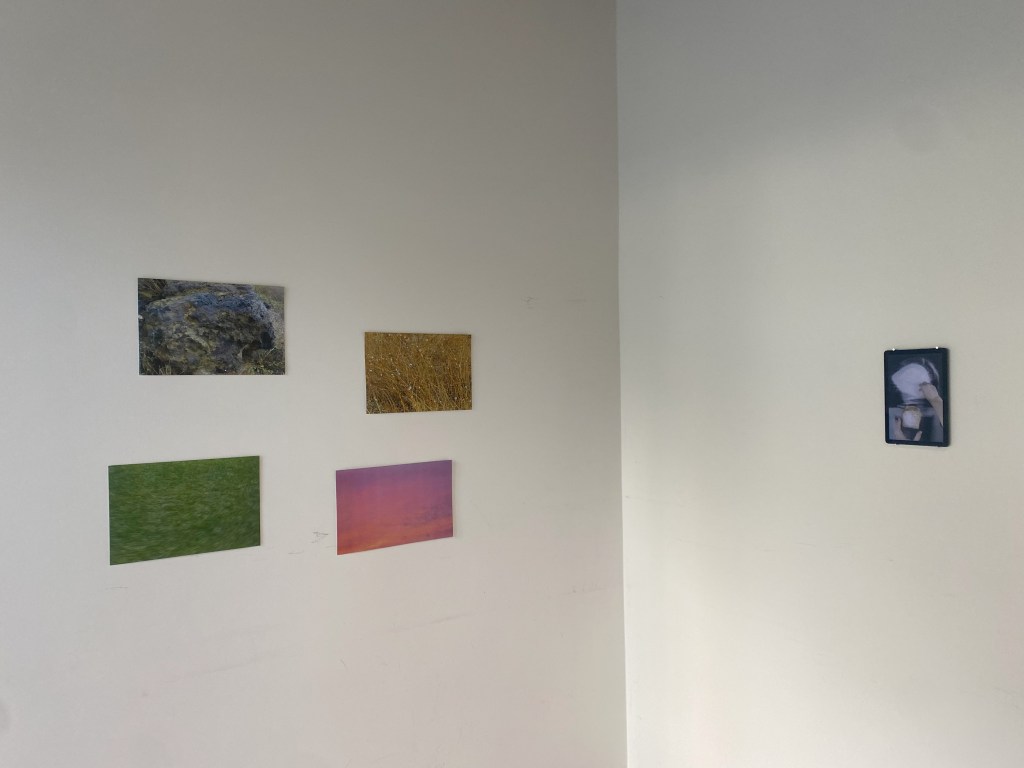
Like Bread and Water, installation view at the In The Mountains, Berlin 2025. Image courtesy of the Art Basis, Yerevan 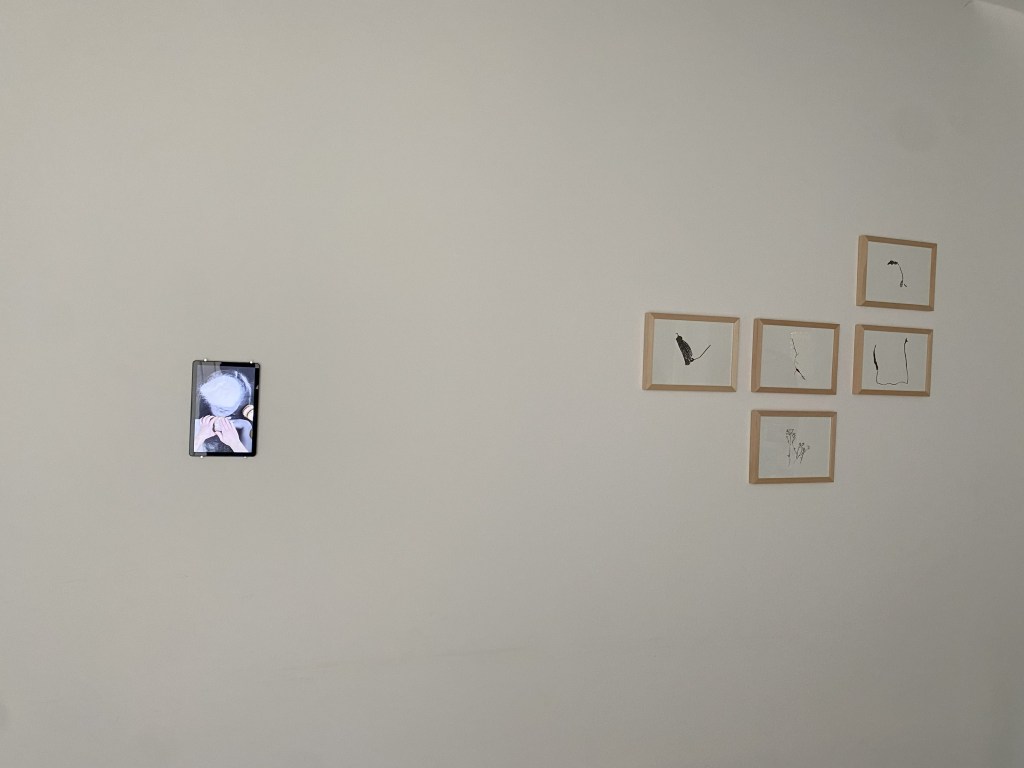
Like Bread and Water, installation view at the In The Mountains, Berlin 2025. Image courtesy of the Art Basis, Yerevan 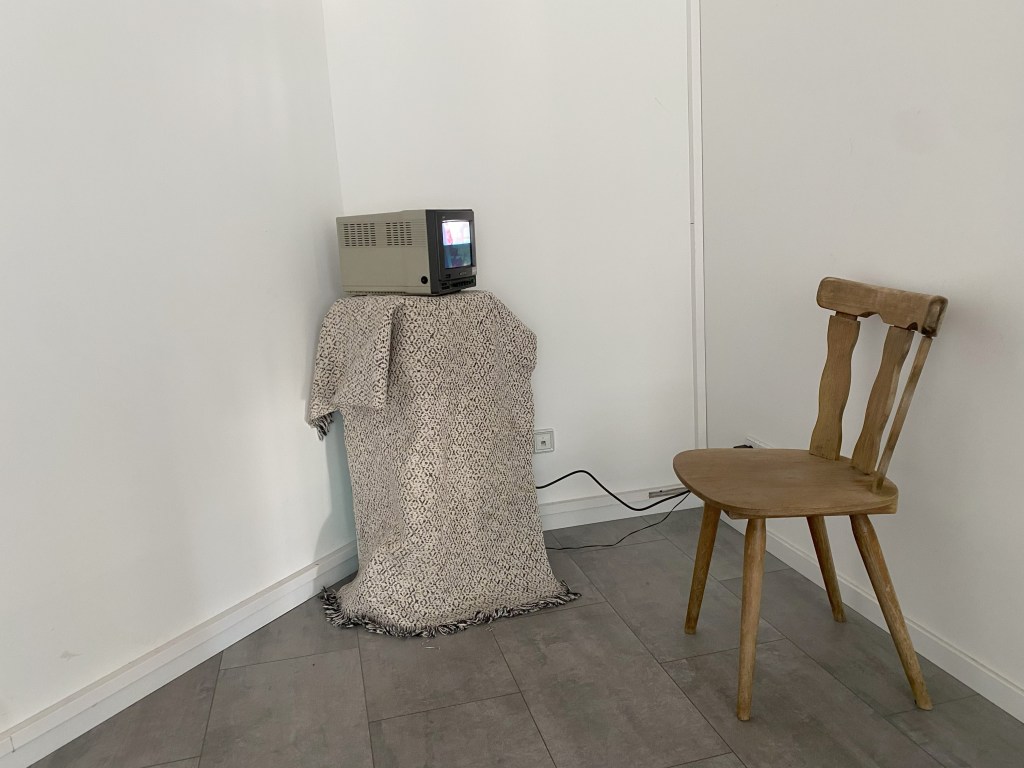
Like Bread and Water, installation view at the In The Mountains, Berlin 2025. Image courtesy of the Art Basis, Yerevan 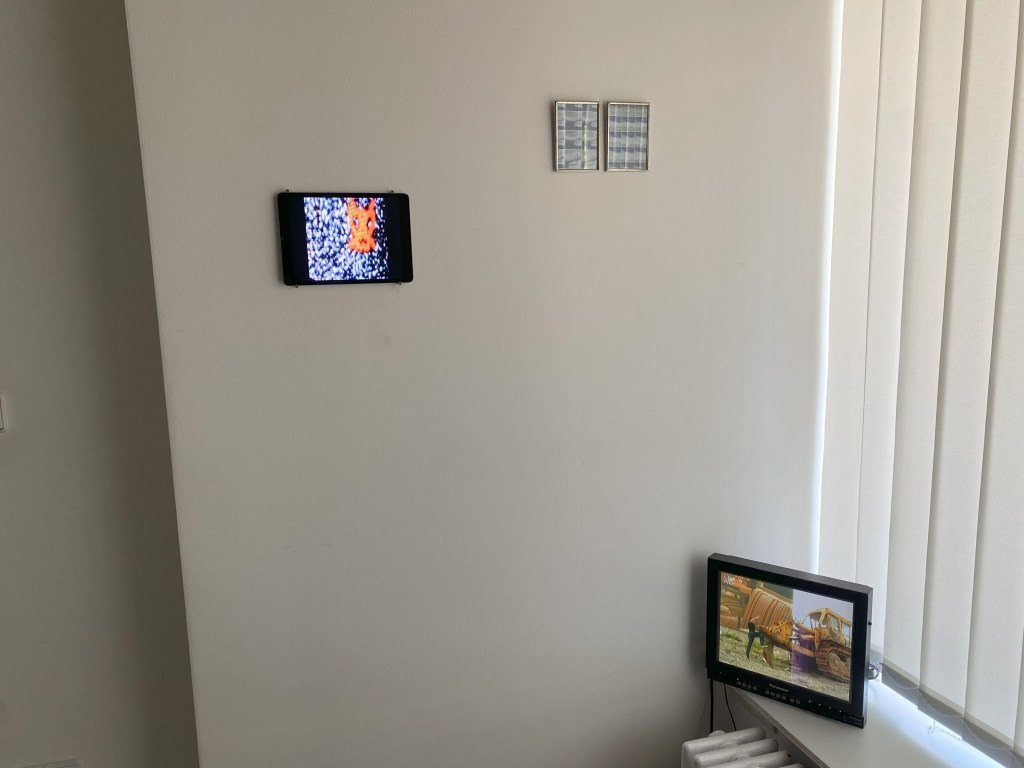
Like Bread and Water, installation view at the In The Mountains, Berlin 2025. Image courtesy of the Art Basis, Yerevan 
Gor Yengoyan, Tell it to the water, let it carry away, 2024, video, 28 m 44 s. Courtesy of the Art Basis, Yerevan 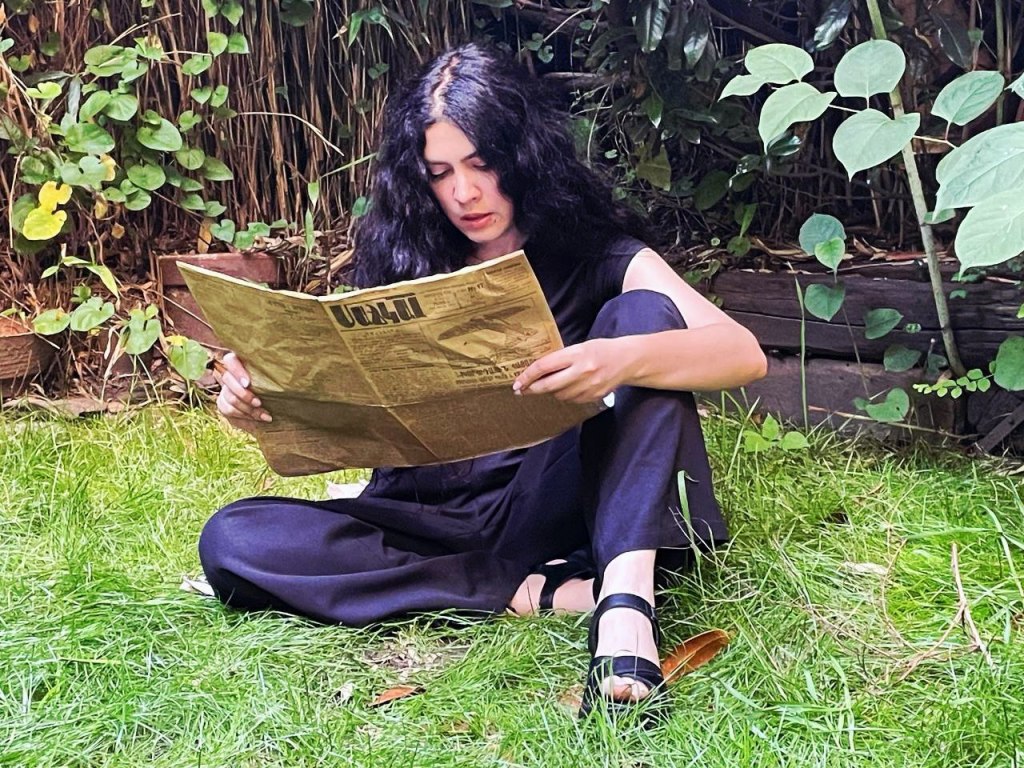
Mary Mikaelyan, Water spell, 2025, video, 03_49 loop. Still image courtesy of the Art Basis, Yerevan 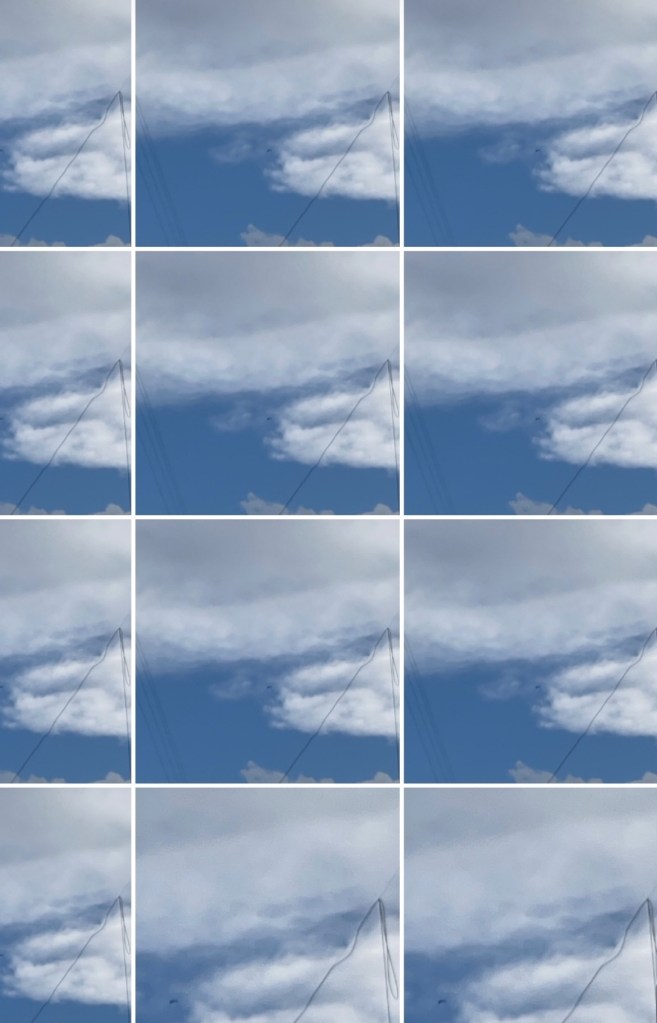
Dmitri Sarkisov, Untitled (clouds), 2025, 9 x 13 cm. Image courtesy of the Art Basis, Yerevan 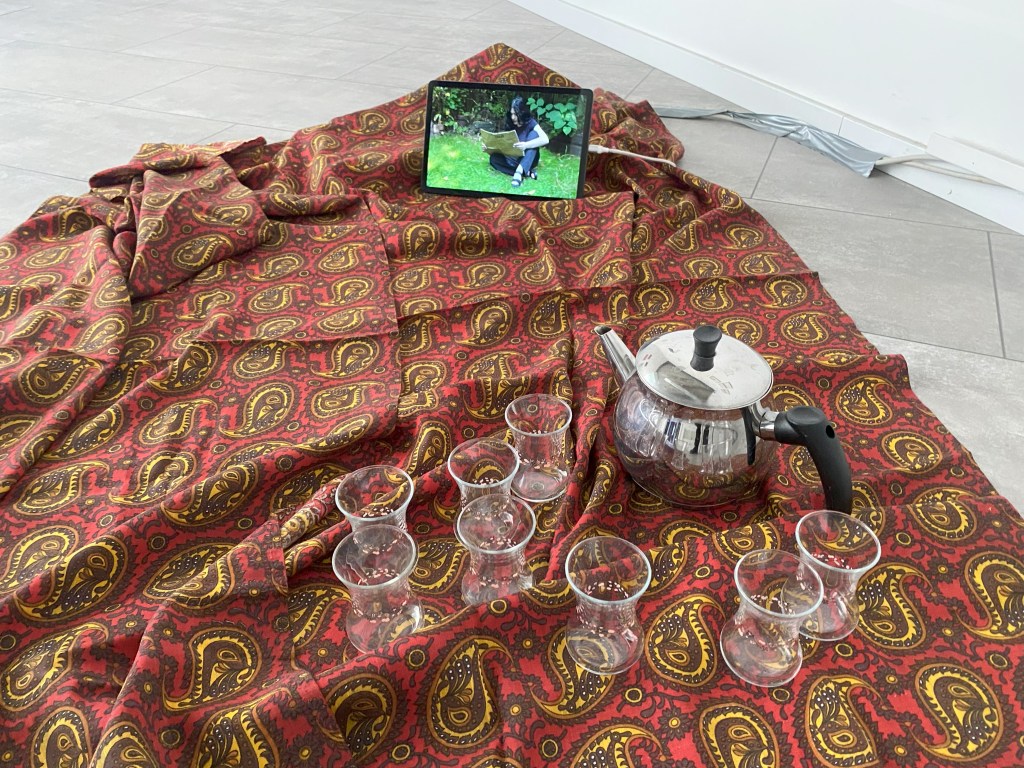
Like Bread and Water, installation view at the In The Mountains, Berlin 2025. Image courtesy of the Art Basis, Yerevan 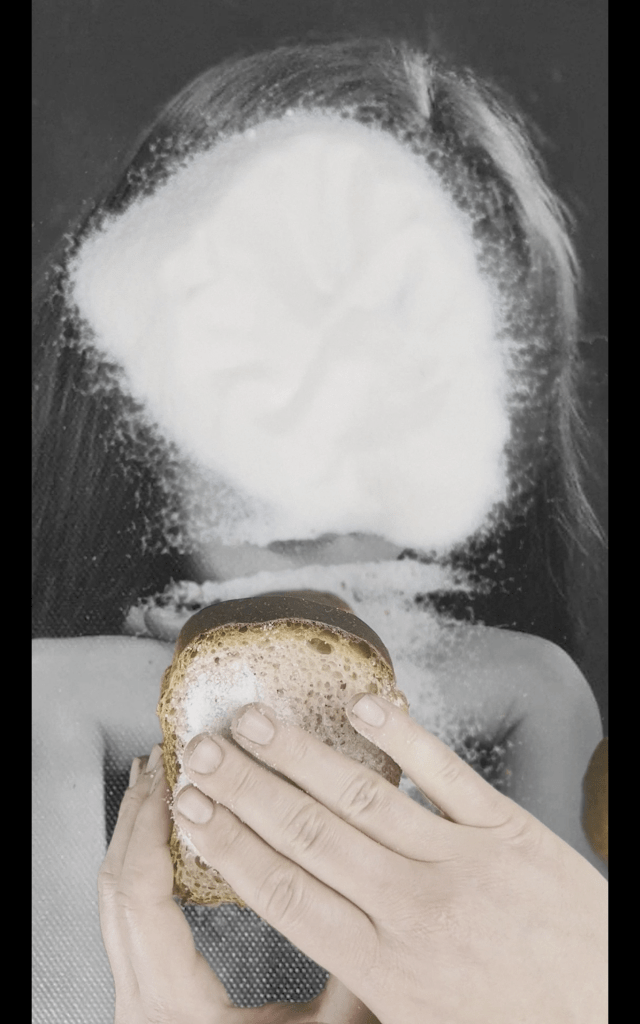
Valentina Maz, A mother devoid of fairy tales, video, 16:41, 2025. Courtesy of the Art Basis, Yerevan 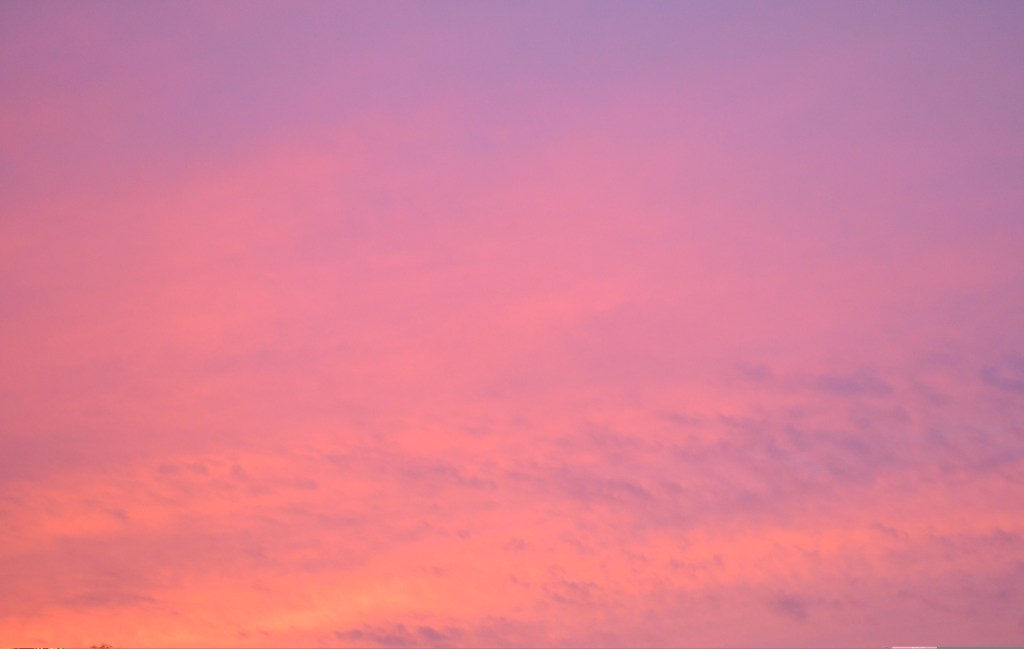
Mher Azatyan, Purple Sky, 37.5 x 24 cm, photo. Image courtesy of the Art Basis, Yerevan
https://www.artbasis.net/en/like-bread-and-water-2025-06-20-2025-07-10
 c plus c