The exhibition by Carlo Negro, Diego De Marco, and Pierluigi Scandiuzzi, held at Spiazzi in Venice, sparked a bold reflection on the art system and the superficiality of contemporary society.
Taking its cue from the challenge to aesthetic and social conventions posed by Arte Povera in the 1960s, and evolving into what the artists ‒ Carlo Negro (Treviso, 1994), Diego De Marco (Venice, 1992), and Pierluigi Scandiuzzi (Padua, 1993) ‒ define as Arte Poverissima, the group exhibition, which blended common materials with pop culture imagery, offered a satirical take on the paradoxes of our times. Curated by Gabriele Ferrario and on display until 4 March 2025 at Spiazzi ‒ an independent Venetian entity ‒, the exhibition presented itself as a provocative and irreverent act.
THE EXHIBITION ARTE POVERISSIMA IN VENICE
The works on display are marked by the use of humble materials, chosen for their simplicity and symbolic potential. Art becomes a means to question our relationship with reality. In an era where consumerism seems to have reduced every value to its exchange function, the three artists subvert this logic with irony and irreverence, unmasking the illusions of the world around us. Their works play on the boundary between the sacred and the profane, between seriousness and parody, creating paradoxes that prompt reflection on how we see and live.
Each piece draws inspiration from pop culture icons and the visual language of the Internet. For instance, Negro explores the phenomenon of memes ‒ not just as entertainment, but as communicative tools that shape and reflect our digital and social reality ‒ through the figure of the controversial McDonald’s clown, a symbol of rampant consumerism. De Marco juxtaposes classic piggy-bank shapes with law enforcement references, nodding to the tradition of the readymade. Meanwhile, Scandiuzzi moves away from painting to explore new media with a surreal, messianic apparition on a potato chip.
THE MEANING OF ARTE POVERISSIMA
Arte Poverissima is not merely a return to material simplicity, but an act of resistance against the homogenization of the art market. Works like A tribute to art collectors and gallerists by Scandiuzzi openly criticize galleries driven solely by profit. These artists don’t just embrace an aesthetic of austerity; they transform their art into an opportunity to challenge the inertia of the art world.
The experience extended beyond the works themselves. The captions, written in pencil in elementary handwriting, made explicit the desire to deconstruct the idea of art as sophisticated and elitist. The works were periodically repositioned within the space, reinforcing a sense of dynamism and creative freedom ‒ a stark contrast to traditional exhibition venues. Indeed, the choice to exhibit in a place like Spiazzi, which has been a venue for experimentation and research in the contemporary sphere for more than two decades, was not accidental.
Valeria Maffei
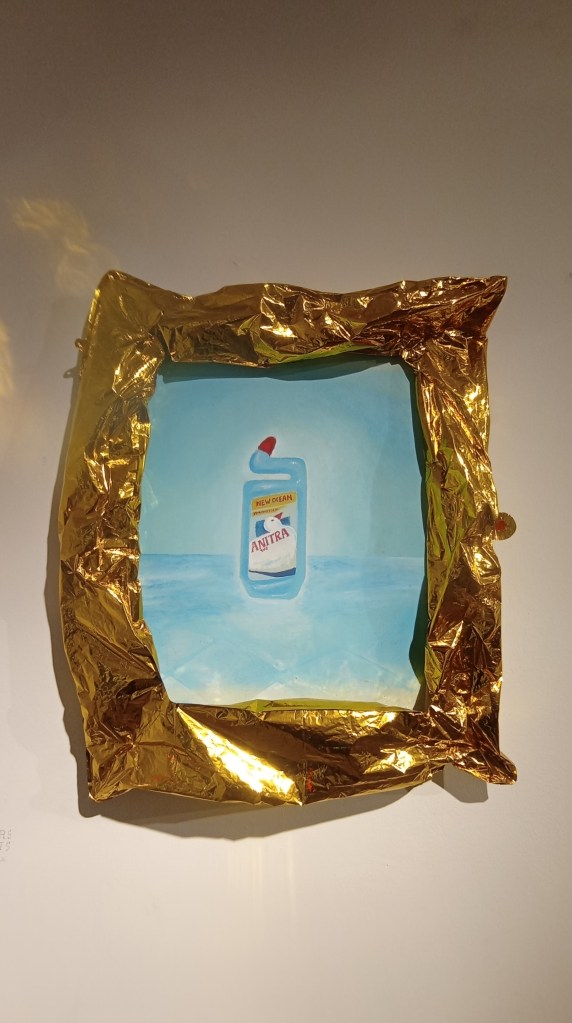
Arte Poverissima, exhibition view, Associazione Culturale Spiazzi, Venezia 2025. Photo Valeria Maffei 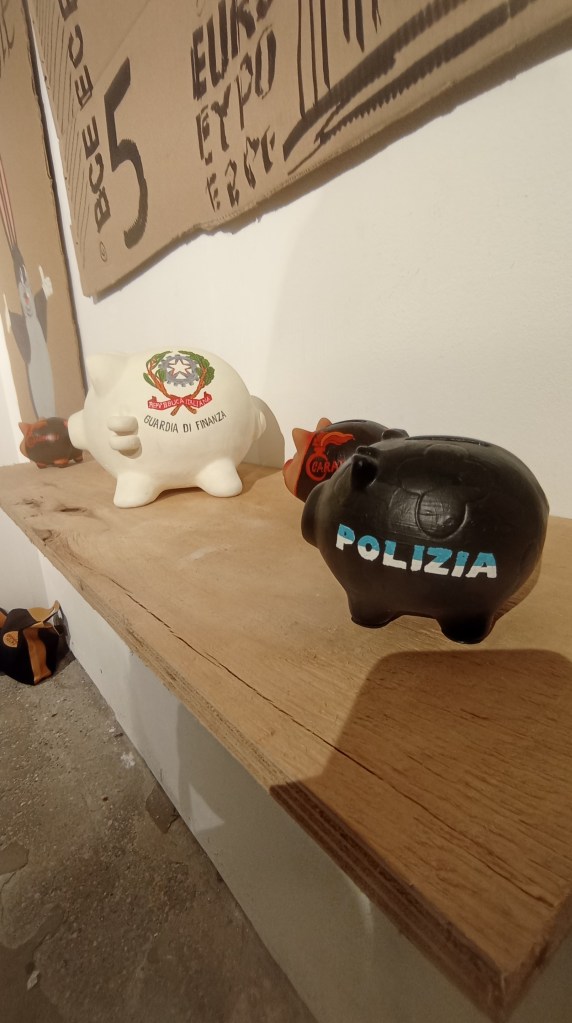
Arte Poverissima, exhibition view, Associazione Culturale Spiazzi, Venezia 2025. Photo Valeria Maffei 
Arte Poverissima, exhibition view, Associazione Culturale Spiazzi, Venezia 2025. Photo Valeria Maffei 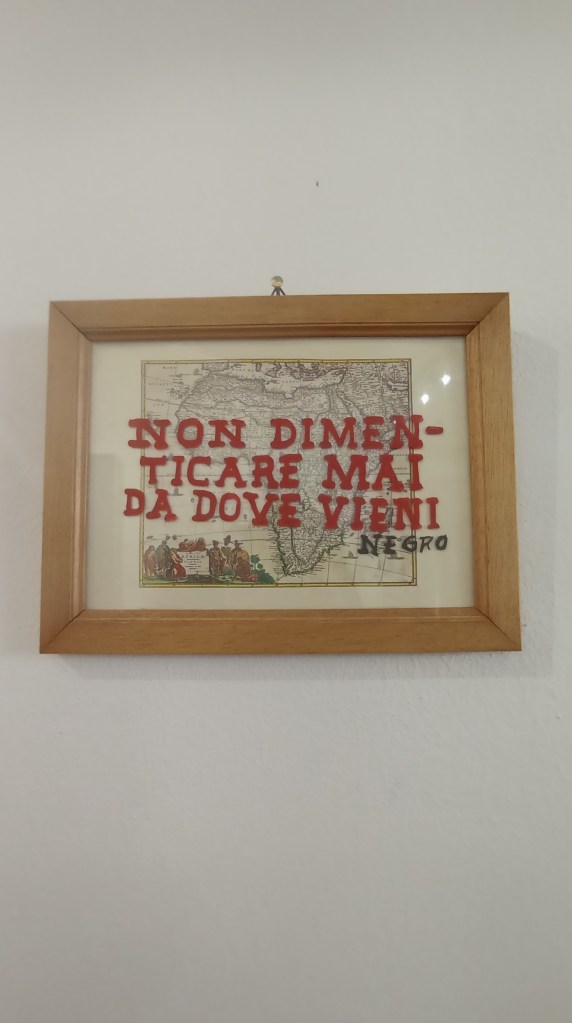
Arte Poverissima, exhibition view, Associazione Culturale Spiazzi, Venezia 2025. Photo Valeria Maffei 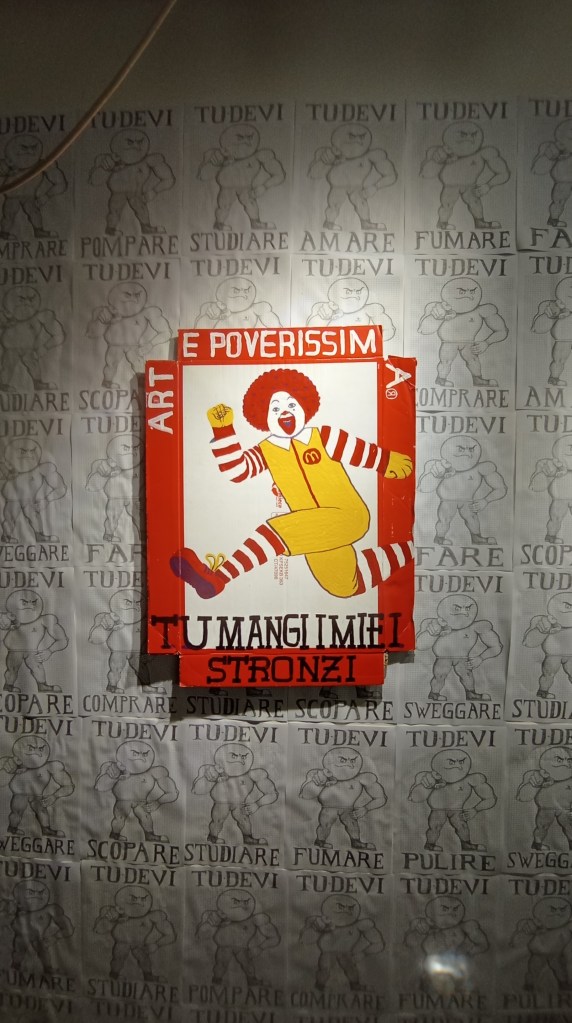
Arte Poverissima, exhibition view, Associazione Culturale Spiazzi, Venezia 2025. Photo Valeria Maffei 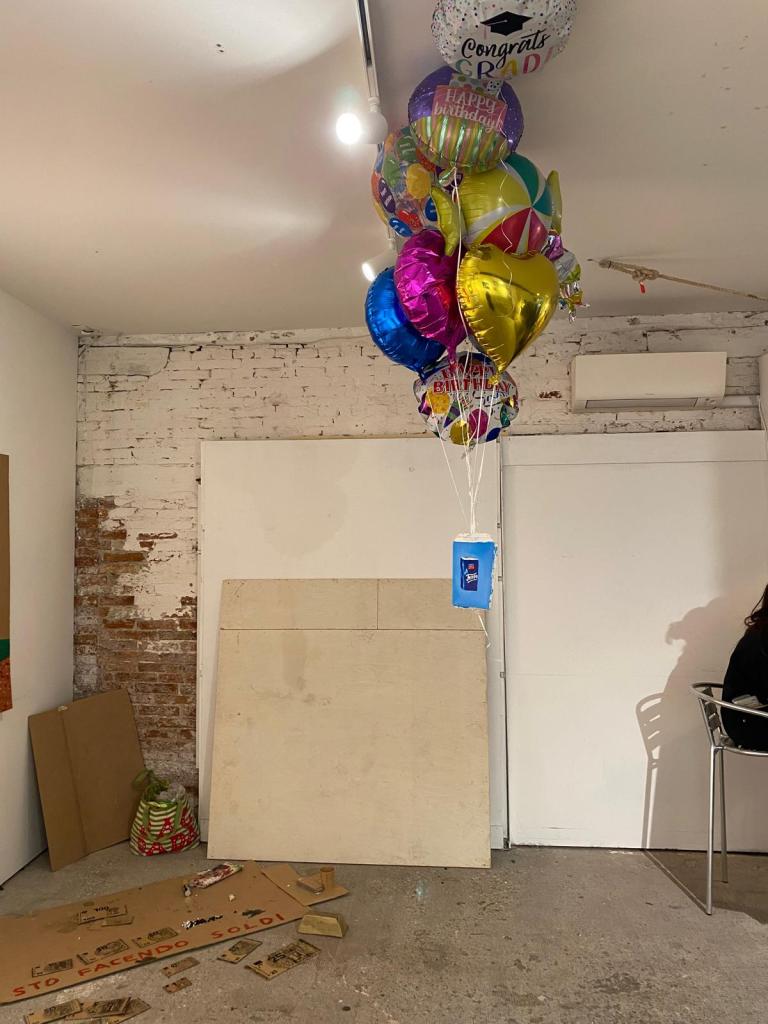
Arte Poverissima, exhibition view, Associazione Culturale Spiazzi, Venezia 2025. Photo Valeria Maffei 
Arte Poverissima, exhibition view, Associazione Culturale Spiazzi, Venezia 2025. Photo Valeria Maffei 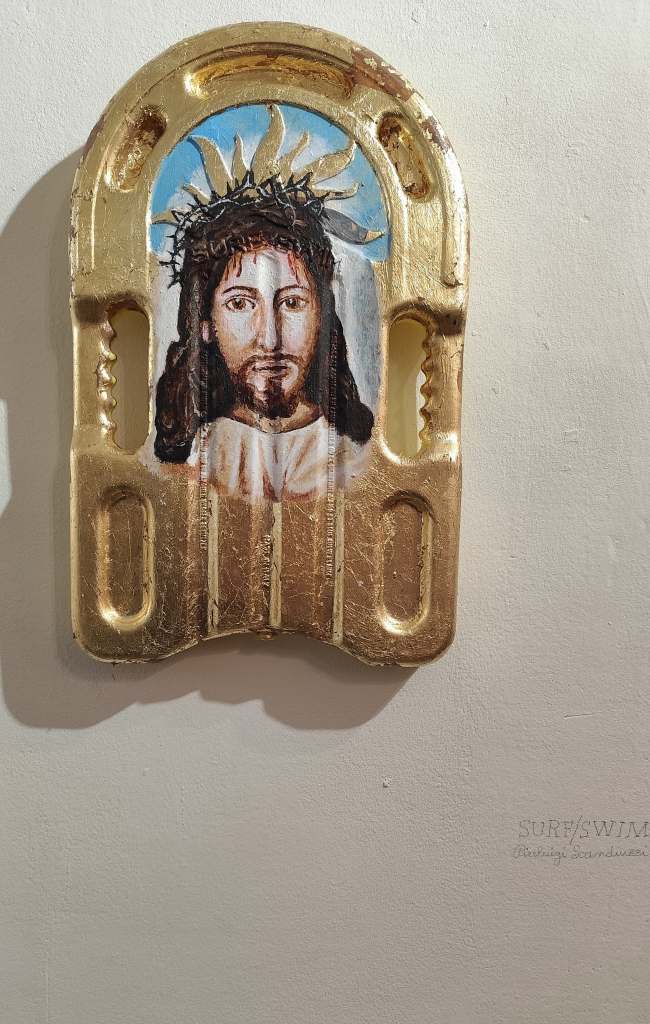
Arte Poverissima, exhibition view, Associazione Culturale Spiazzi, Venezia 2025. Photo Valeria Maffei 
Arte Poverissima, exhibition view, Associazione Culturale Spiazzi, Venezia 2025. Photo Valeria Maffei 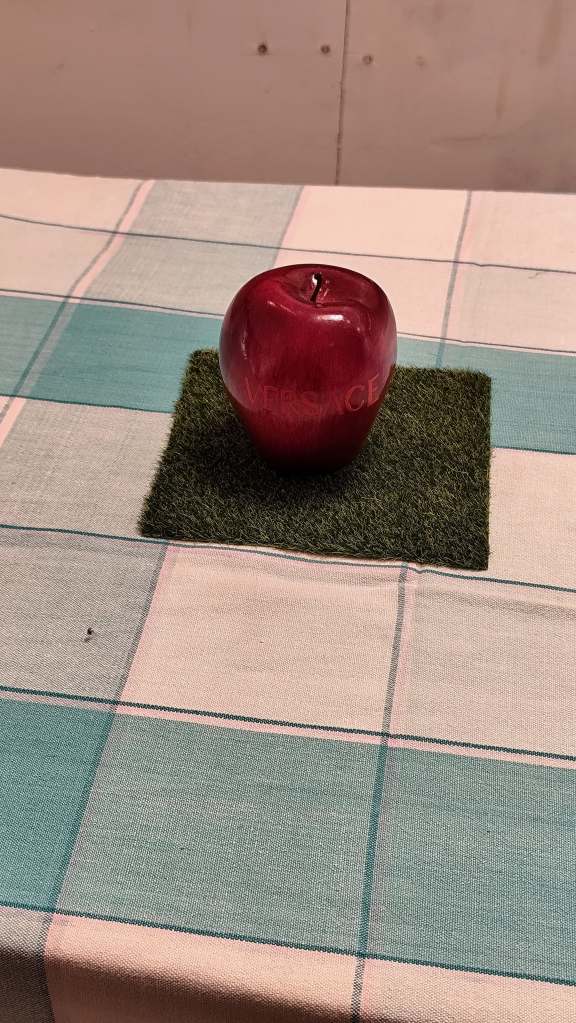
Arte Poverissima, exhibition view, Associazione Culturale Spiazzi, Venezia 2025. Photo Valeria Maffei 
Arte Poverissima, exhibition view, Associazione Culturale Spiazzi, Venezia 2025. Photo Valeria Maffei
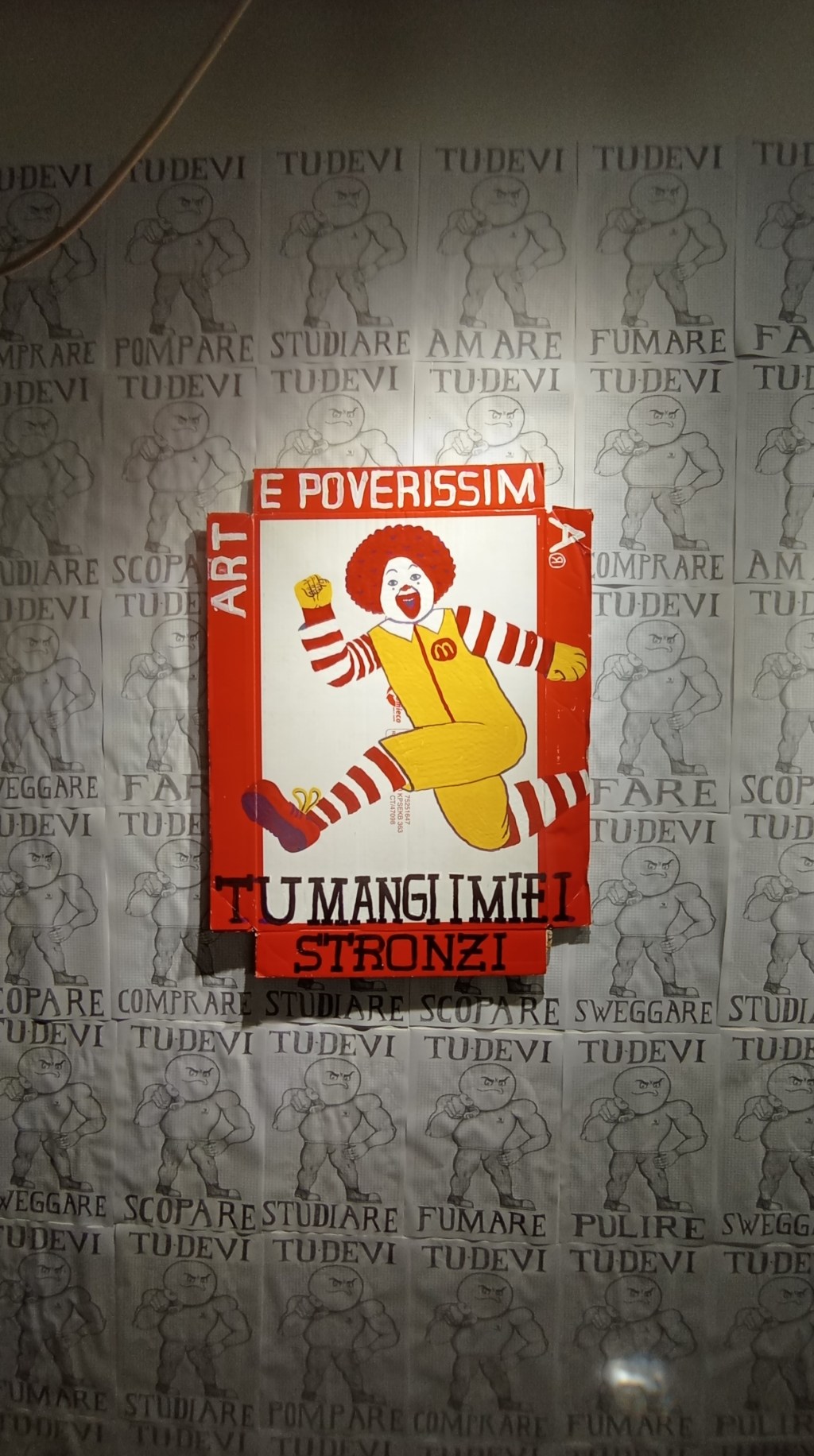
 c plus c