Founded in Vienna by Kathrin Messner and Josef Ortner in 1990, museum in progress has redefined the concept of the museum by transforming its concept from space into infrastructure. We interviewed the managing director Kaspar Mühlemann Hartl and the chief creativity officer Alois Herrmann.
Inspired by Alexander Dorner’s vision of the museum as an organism in continuous transformation, museum in progress abandons the idea of permanence in order to build a curatorial identity grounded in context, temporality, and intervention within public space. Through temporary interventions in mass media, urban environment and everyday communication channels, museum in progress operates as a “cultural software”: a system that structures visibility, attention, and access. From this perspective, the distinction between cultural institution and political position becomes destabilised: each intervention acts as an amplifier for contemporary social and cultural conditions.
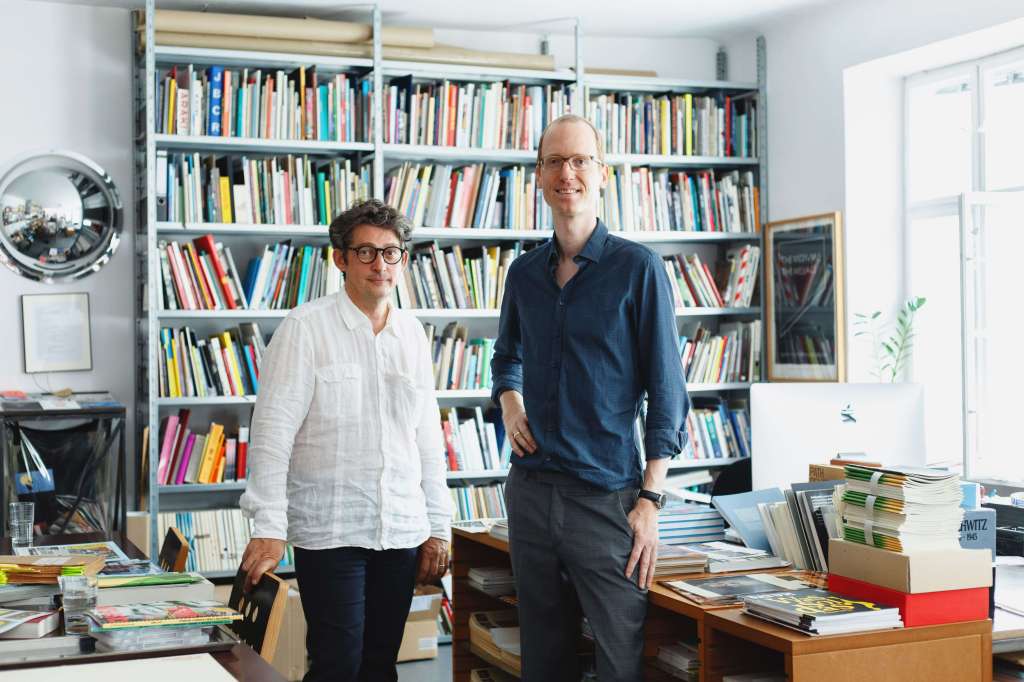
museum in progress is a project that has made the urban environment its primary communicative framework. How do you build a strong curatorial identity without relying on a dedicated physical space?
As Massimiliano Gioni once observed, “From museum in progress I had learnt that museums are first and foremost software, not hardware, and that idea is still much more contemporary and effective than ever.” This understanding captures the foundation upon which the curatorial identity of museum in progress has developed.
Curatorial identities evolve over time through the interplay of conceptual, aesthetic, and institutional parameters, none of which is confined to a specific physical space. Since 1990, museum in progress has shaped its identity through a consistent conceptual framework, a strategic use of context, and a site-specific, context-driven approach expressed in a distinctive curatorial methodology and sustained over time, with its art interventions realised as temporary projects. This identity is reflected in a diverse, globally oriented selection of artists, recurring media choices – print, billboards, large-scale images on facades, construction sites, and concert halls, projections, video, and internet – and long-term projects such as the Safety Curtain at the Vienna State Opera and raising flags.
This curatorial identity is shaped by consistent quality and relevance, innovative collaboration models, sustained partnerships, and a commitment to engaging society. It emerges in the interplay between artwork, space, and audience, in discursive framing, in the institution’s networks, and in its nomadic, non-traditional presentation formats that engage directly with the predominantly urban environment. By consistently connecting position, selection, methodology, typography, layout logic, and discourse over time, museum in progress has created a recognisable curatorial signature that defines its cultural identity.
For this cultural identity to be perceived, it relies on a community that consistently engages with its exhibitions and follows the institution’s activities. It is never about a building; it is about community and communication. The real question, then, is how to build such a community and how to reach it.
Most people who encounter museum in progress’ interventions are a non-specialized audience, engaging with the projects involuntarily within the city. Do you feel an ethical responsibility toward this kind of public?
We are very conscious of the ethical dimension of engaging a non-specialised audience in public spaces. Since museum in progress presents art outside traditional museum walls in urban contexts, people often encounter our interventions involuntarily. This creates both an opportunity and a responsibility.
Our ethical approach is grounded in respect for the audience: we aim to create projects that are accessible and thought-provoking without being intrusive or overwhelming. These interventions are designed to engage curiosity, invite reflection, and stimulate dialogue, while remaining sensitive to the everyday environment of the city and its inhabitants. Working outside institutional walls means curating not only artworks but also social encounters. This requires museum in progress, together with the participating artists, considering not just aesthetic coherence, but also the civic implications of placing art directly into the flow of daily life.
We see public engagement not as passive consumption but as a form of shared experience and cultural participation. In this sense, the ethical responsibility lies in balancing artistic freedom with attentiveness to the context and the diverse perspectives of those who encounter the work. It also motivates us to maintain clarity, relevance, and thoughtful curation, ensuring that the interventions contribute meaningfully to public space and discourse.
In public space, artworks coexist with advertising, stimuli, and constant distractions. How do you prevent artistic and curatorial work from being absorbed as just another element of the visual background?
At museum in progress, we are acutely aware that public space is saturated with competing visual and auditory stimuli. To ensure that artworks are perceived as meaningful interventions rather than unnoticed background, we employ strategies that engage context, scale, and attention. Our curatorial methodology focuses on site-specificity and conceptual clarity: each intervention is carefully attuned to its environment, creating a dynamic tension between artistic intention and its site, medium and content that provokes curiosity and invites reflection. Unlike advertising, which relies on limited visual vocabularies for immediate recognition, art draws on a vast and continually expanding visual repertoire, allowing artworks to stand out naturally and with ease from surrounding stimuli. In addition, the temporary nature of our interventions amplifies their visibility, marking a deliberate deviation from the familiar, while the ‘museum in progress’ label signals that the intervention is a work of art, helping audiences recognise it as such and framing the surrounding space as a temporary museum.
We also rely on a discursive framework that situates the artwork within ongoing cultural conversations. Through accompanying texts, media and QR codes linking to further information, as well as networks, we provide orientation and context, helping the audience to recognise the intervention as a deliberate artistic and curatorial act.
In this way, museum in progress positions art as an active participant in public life, encouraging viewers to pause, reflect, and engage, even amid the constant flow of the city. The goal is not to dominate the environment, but to insert meaningful pauses into the rhythm of everyday life, creating space for curiosity, dialogue, and emotional engagement.
THE CURATORSHIP ACCORDING TO MUSEUM IN PROGRESS
What happens when an intervention is misunderstood or interpreted in a way that diverges from the original intentions of the artist and the curator?
Presenting art in public spaces inherently invites multiple interpretations. Unlike in conventional museum settings, where context and didactic material can be carefully controlled, urban interventions encounter a diverse, non-specialised audience, each bringing their own perspectives and frames of reference. Moreover, contemporary art, unlike design or advertising, carries an internal tension, allowing and often encouraging multiple interpretations, making divergent readings a natural and enriching aspect of its reception.
Therefore, divergent interpretations of an intervention, differing from the artist’s and curator’s intentions, are not necessarily a negative outcome. They can generate unexpected insights, spark dialogue, and extend the cultural resonance of a project beyond its original concept. At the same time, there is a responsibility to provide sufficient clarity and contextual cues, so that the work is legible and meaningful, especially given its site-specific and temporary nature.
In this sense, misunderstandings are treated not as failures, but as an inevitable and potentially productive part of public engagement, highlighting the dynamic interplay between artwork, site, and viewer, and underscoring the importance of careful curatorial framing in navigating this complexity.
One of the key aspects of Alexander Dorner’s curatorial philosophy is the museum as an organism that transforms over time. In the absence of permanence, how is the value of a curatorial project constructed?
In line with Dorner’s vision of the museum as a constantly evolving organism and reflecting the fact that contemporary art itself is in constant flux, change is an inherent feature of the museum concept at museum in progress, explicitly signalled in its name through the addition of ‘in progress’. Without change, contemporary art as we know it would be unthinkable, given that innovation and originality are among its defining qualities. For museums as institutional platforms for art, this implies the necessity to develop flexible, adaptable exhibition forms, allowing each contemporary work to be presented in the most effective way. In this sense, museum in progress functions as an immaterial museum with a flexible structure, a ‘never-ending construction site’ (Chiara Parisi), whose interventions can respond to new contexts while maintaining coherence.
Building on Dorner’s idea of the museum as an organism and Le Corbusier’s concept of expandable and adaptable systems, museum in progress demonstrates that the value of a curatorial project does not depend on permanence or walls, but on conceptual continuity, structural clarity, and the capacity to transform perception. Even as formats shift, the impact of a project emerges through its ability to reshape perception, stimulate discourse, and engage public awareness, leaving a lasting impression beyond the duration of the intervention.
The significance of each project is further articulated through the coherence of the curatorial framework, the quality and resonance of the artworks, and the interaction with space, environment, and audience – including the rhythms of the city, the reactions of passersby, and the discursive exchanges it inspires. In this way, museum in progress constructs value not through permanence, but through transformative effect, continuity of inquiry, and the connections it fosters between art, site, and audience.
Does museum in progress today perceive itself more as a cultural institution or as a political position within the art system?
In the case of museum in progress, the distinction between cultural institution and political position is deliberately unstable. In that sense, it is both – and this ‘both’ is crucial. It operates simultaneously as a cultural institution and as a political entity, positioning curatorial work and art projects within the art system and within society. museum in progress is not only a museum in name: it is a registered museum, recognised with a seal of excellence for outstanding museum practice, and a member of ICOM, confirming its institutional legitimacy while maintaining its experimental and flexible approach.
By embedding art in mass media, public spaces, and everyday communication channels, museum in progress makes visible the questions that underlie access, attention, and the allocation of resources. The projects highlight who can encounter art and under what conditions, emphasising visibility while also drawing attention to the significance and value of the spaces in which interventions occur. At the same time, they reveal the power structures that shape public and cultural spaces. They also show how economic and symbolic capital determine what is noticed, what is prioritised, and what is overlooked. Every intervention carries a political component, as it encourages reflection and opens new perspectives on reality – in museum in progress, curating and mediating art is always also a socio-political act.
This dual approach allows museum in progress to operate neither exclusively as a cultural institution nor solely as a political actor. Rather, it embodies a hybrid position, combining the institutional role of supporting and legitimising art with the critical and political capacity to intervene, question, and reflect – a duality that is intrinsic to its identity and to the way it operates within the contemporary art system.
MUSEUM IN PROGRESS AND THE PUBLIC SPACE
Would you describe the current Viennese art scene as more oriented toward experimentation, or toward the preservation of a cultural model in which radicality is no longer perceived as rupture?
The contemporary Viennese art scene encompasses both tendencies, though in varying degrees across different institutions and contexts. On one hand, there is a strong tradition of experimentation and critical engagement, visible in the activities of independent spaces, artist-run initiatives, and projects that challenge conventional formats, hierarchies, and modes of presentation. These experimental practices test the boundaries of art, questioning assumptions about form, content, and audience interaction, and include crossovers between art, activism, and theory, highlighting the socially and politically engaged potential of contemporary practice.
On the other hand, parts of the scene are oriented toward the preservation of established cultural models, in which radicality is absorbed into familiar frameworks and no longer registers as a rupture. In these contexts, the emphasis lies on consolidation, institutional recognition, and continuity, which can stabilise artistic practices but may also limit the perception of innovation as genuinely disruptive.
In this landscape, museum in progress positions itself at the intersection of both dynamics. By consistently integrating experimental, site-specific, and contextually attuned projects into the urban environment, it sustains a space where radicality remains legible, perceptible, and socially resonant, ensuring that experimentation continues to operate alongside, and sometimes in tension with, the preservation of cultural heritage.
Working in public space means dealing with regulation, control and social consent. How do you approach these limits from a curatorial perspective? What role does compromise play?
Working in public space inevitably involves navigating a complex set of regulations, safety requirements, and social expectations. Because public space is collectively inhabited, curatorial decisions must remain attentive to plural sensitivities and shared conditions of visibility. From a curatorial perspective, these constraints are not merely obstacles, but parameters that shape and inform the conception and realisation of each project. They encourage careful planning, dialogue with authorities, and sensitivity to the diverse contexts in which interventions appear.
The role of compromise is often perceived as a undermining artistic integrity. However, in the context of public curating, compromise can function as a productive strategy, a negotiation that enables a project to be realised while maintaining its conceptual and aesthetic coherence. Sometimes, compromise can even sharpen the conceptual core by demanding greater precision and clarity. The curatorial act lies precisely in deciding where to insist and where to adapt. Working within the framework of social consent implies responsibility; yet respecting legal and social structures does not eliminate critique, but rather situates it within a shared democratic field.
At the same time, operating within these boundaries stimulates creative problem-solving. Restrictions can inspire inventive approaches to scale, placement, media, or interaction, transforming apparent limitations into opportunities for meaningful engagement. From this perspective, limits are not the opposite of freedom but define the field in which museum in progress operates. The ongoing negotiation with regulation, control, and consent thus becomes an integral part of both the artistic process and the curatorial methodology itself, ensuring that interventions in public space remain legally feasible, socially responsive, and culturally resonant.
Is there room for failure within your practice, or is each project designed to function despite the unpredictability of every situation?
In the work of museum in progress, unpredictability is not an exception but a fundamental condition of public intervention. Every urban site, context, and audience introduces unforeseen variables – from weather and architectural constraints to the spontaneous reactions of passersby. While projects are developed through careful planning, conceptual clarity, and a rigorous curatorial methodology, they can never be fully insulated from the unexpected.
Rather than attempting to eliminate uncertainty, this openness is understood as integral to the practice. There is indeed room for failure, as interventions may provoke unforeseen interpretations, reactions, or interactions, and such moments can themselves be illuminating and productive. Failure is the beginning of all civilisation; order is its afterthought. Culture grows from fracture, not stability. A practice without the possibility of failure would become static, merely reproducing what is already validated instead of enabling new perception.
At the same time, museum in progress is structurally able and willing to take risks. As a privately funded art association operating independently of political influence or other content-based restrictions, it can pursue experimental and potentially fragile projects whose outcomes are not fully predictable. In this context, the acceptance of possible failure becomes a precondition for extraordinary results. Learning from unsuccessful or fragile moments is part of the curatorial knowledge the institution accumulates over time.
Each project is nevertheless conceived with resilience in mind. Flexibility, adaptability, and a strong conceptual framework help ensure that, even amid contingency, an intervention can still foster reflection, stimulate dialogue, or shift perceptions of public space. The possibility of failure therefore does not undermine the work; it coexists with its capacity to function. This tension between risk and responsibility, preparation and openness, is what allows museum in progress to remain dynamic, responsive, and genuinely experimental.
How do you archive a project that is conceived to come to an end? In this case, is the archive a form of retrospective rewriting, or of care and preservation?
At museum in progress, archiving and collecting are closely intertwined yet serve distinct purposes. Since projects are conceived as temporary interventions, their traces may vanish from public and media spaces. To preserve them, museum in progress archives projects through systematic documentation, photographing, video recording, and the collection of project-related materials. The archive maintains concepts, contextual documentation, media coverage, and audience responses, safeguarding the integrity of each project while ensuring it continues to resonate in discourse and research. This practice combines care and preservation with archival framing: while it inevitably involves a degree of retrospective structuring, this is not intended to rewrite the projects, but to uphold their coherence, convey their original conceptual and curatorial intent, and provide a resource for reflection and study. The archive thus functions as the memory of the museum as an organism, translating temporality into lasting cultural and intellectual presence.
The collection grows from this preservation of the ephemeral. Works realised for projects – often as multiples such as newspaper spreads, billboards, videos, or digital artworks – enter the holdings, reflecting exhibition practice and documenting interventions in public, virtual, and media spaces. In this way, museum in progress translates the ephemeral nature of its projects into enduring cultural impact, while maintaining the integrity of its site-specific, contextually responsive, and socially engaged practice. The scope and diversity of its collection underscore the unique scale and significance of the projects by museum in progress. Unlike traditional museums, exhibiting comes before collecting: works realised for museum in progress projects both document the ephemeral interventions and contribute to the institution’s living art collection.
Leonardo Piazza
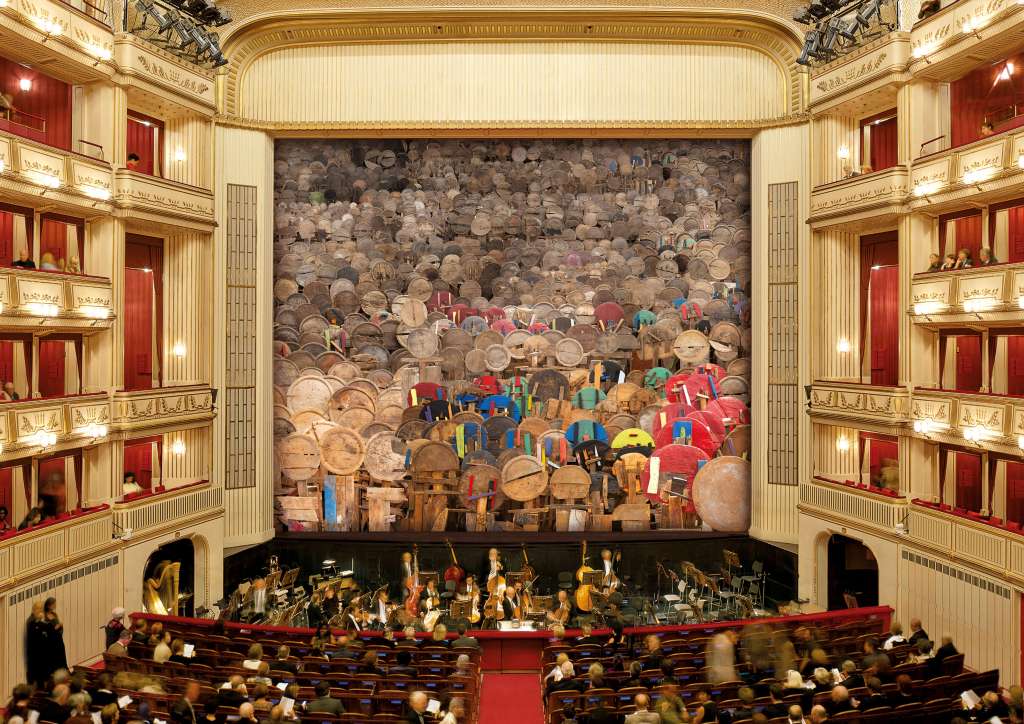
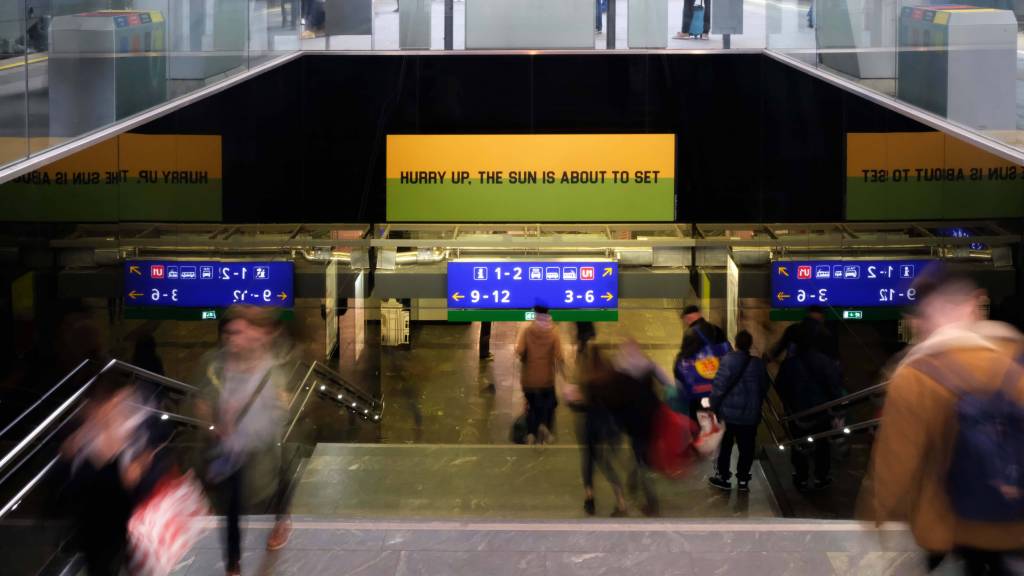
El Anatsui, XOHANAMI, 2025, Safety Curtain, museum in progress, Vienna State Opera, 2025/2026, large-scale picture. Copyright museum in progress Alois Herrmann and Kaspar Mühlemann Hartl, museum in progress. Photo by Arman Rastegar. Copyright museum in progress Christian Robert-Tissot, 2023, moving practice, museum in progress, Vienna Central Station, large-scale picture. Photo: Claudia Posekany. Copyright museum in progress 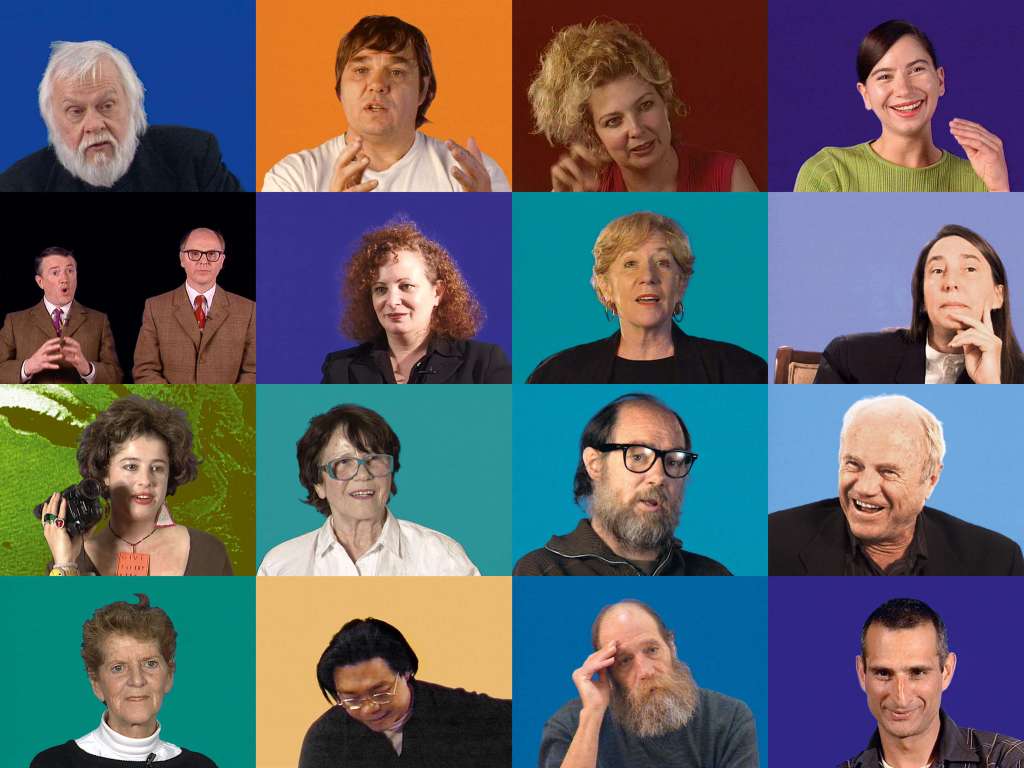
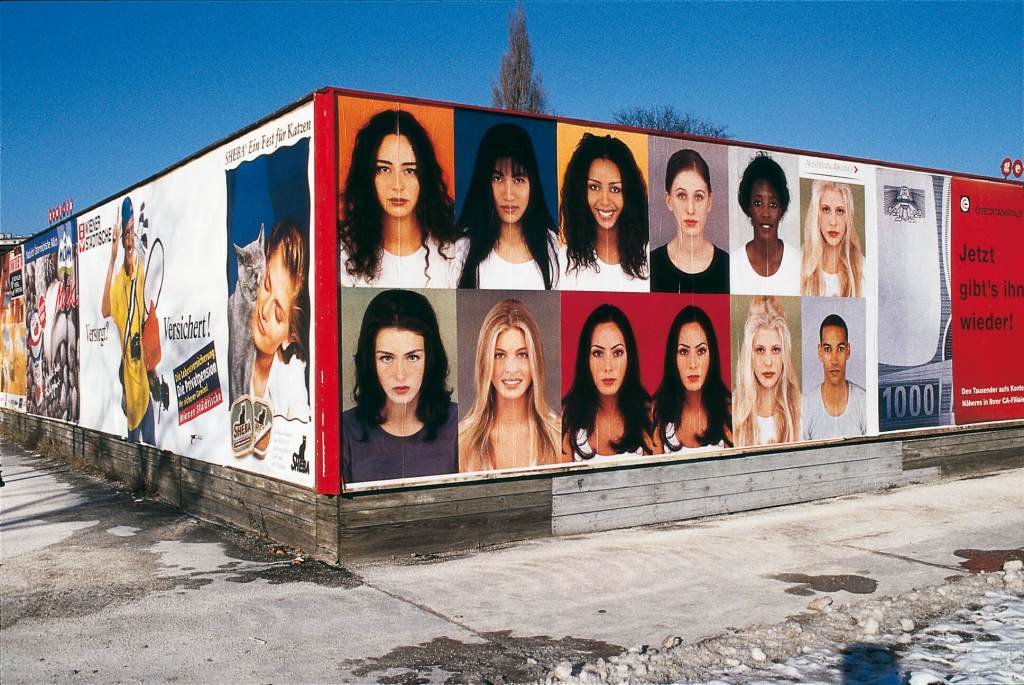
Portraits of Artists, 1992–2001, museum in progress, video conversations, screenshots. Copyright museum in progress Rosemarie Trockel, Beauty, 1995, Billboard, museum in progress, billboards, Vienna. Copyright museum in progress 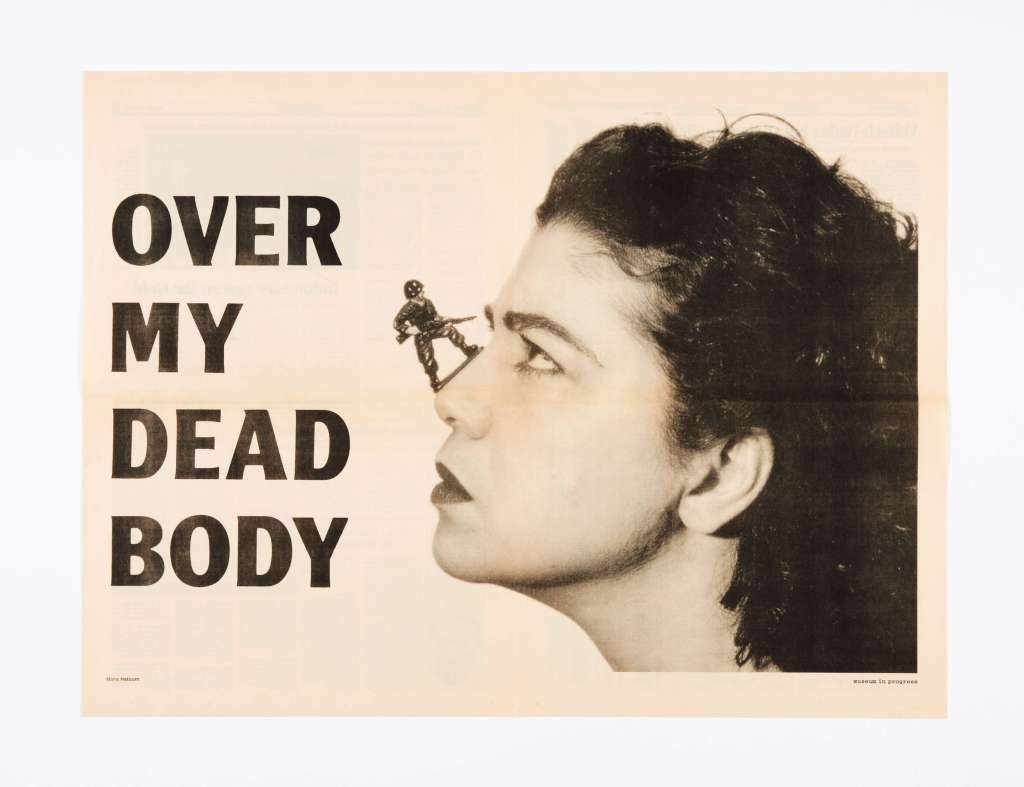
Mona Hatoum, Over my dead body, 1998, Interventions in progress, museum in progress, Der Standard, 21-01-1998, pp. 24, 25, newspaper multiple. Copyright museum in progress 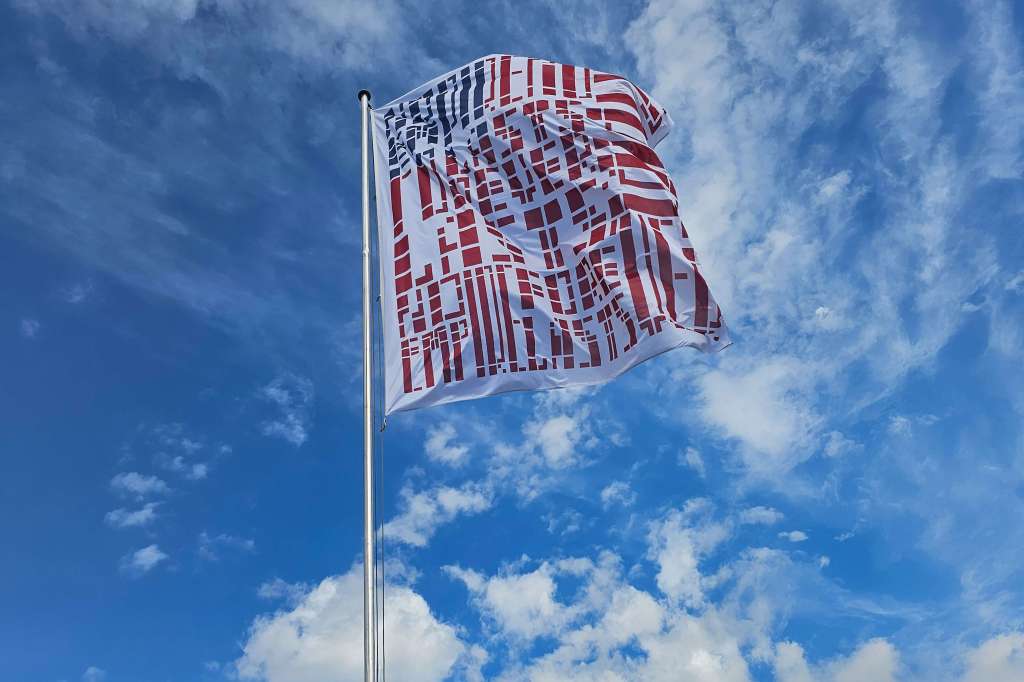
Ghada Amer, No empire lasts forever, 2025, raising flags, museum in progress, Stubenbrücke, flag. Copyright museum in progress 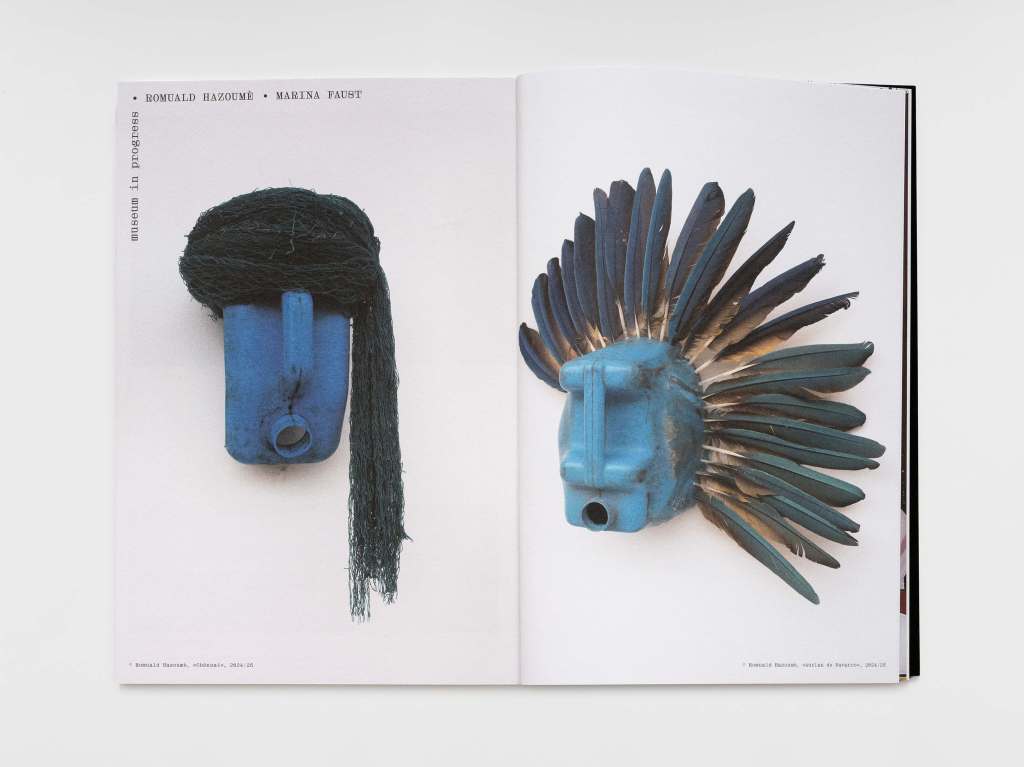
Romuald Hazoumè, Chênnai, 2024/25, Autlan de Navarro, 2024/25, Making Chapters, museum in progress, Chapter XIII, pp. 122, 123, magazine multiple. Photo: Rudolf Strobl. Copyright museum in progress 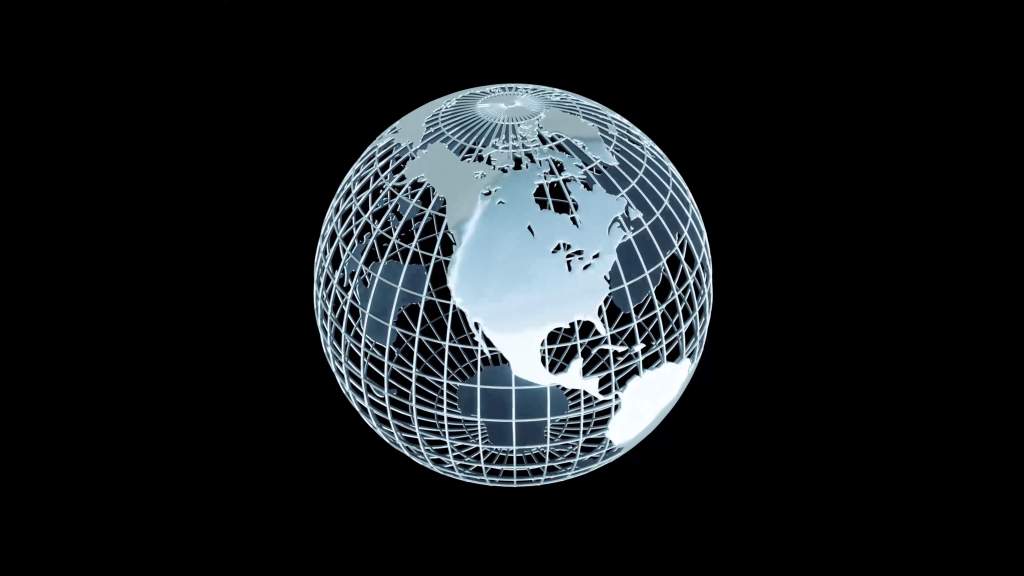
Peter Kogler, Untitled (globe), 2023, digital mip, raising flags, museum in progress, video loop, screenshot. Copyright museum in progress

