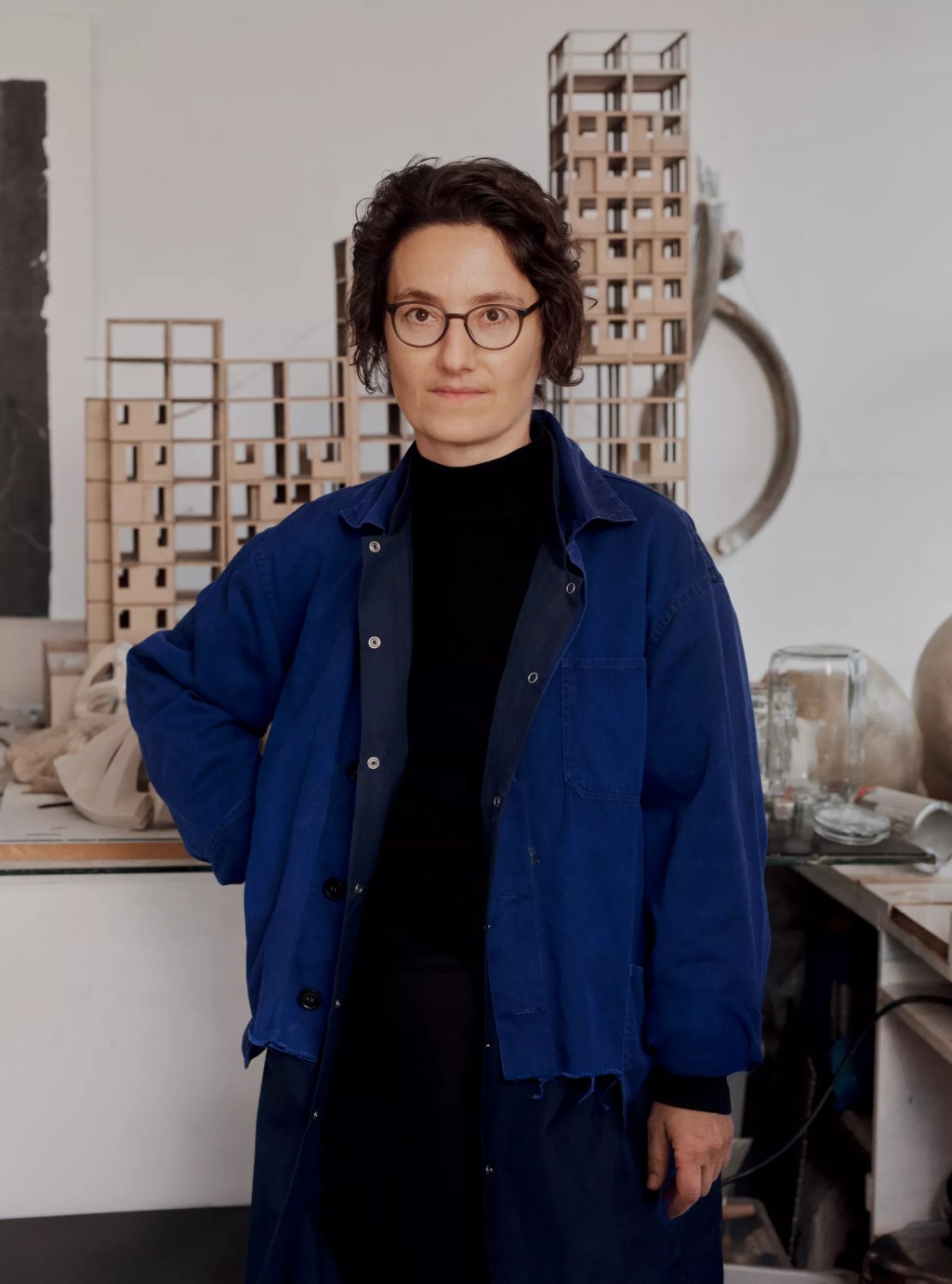
The new Venetian venue of the Nicoletta Fiorucci Foundation hosts the exhibition “to love and devour”: a dialogue between space, freedom and memory through the revolution of environments, under the guidance of the Georgian artist Tolia Astakhishvili and the curator Hans Ulruch Obrist.
Until 23 November 2025, the Nicoletta Fiorucci Foundation in Venice hosts the exhibition to love and devour, curated by Hans Ulrich Obrist.
This is a solo exhibition by the artist Tolia Astakhishvili (Tblisi, 1974), but also presents works created in collaboration with the colleagues Ketuta Alexi-Meskhishvili, Zurab Astakhishvili, Thea Djordjadze, Heike Gallmeier, Rafik Greiss, Dylan Peirce, James Richards and Maka Sanadze, who emphasize Astakhishvili’s purpose: to reduce the barriers between individual and collective works, thus fusing the works conceived as part of her projects.
TOLIA ASTAKHISHVILI’S EXHIBITION IN VENICE
The Foundation, established in London at the behest of Nicoletta Fiorucci herself, is a non-profit organization that promotes contemporary art by focusing on sustainability and inclusiveness. It has several locations in Europe, including the one recently inaugurated in the Dorsoduro district, in Venice, in a fifteenth-century palace which, in the 1920s, belonged to the painter Ettore Tito. This historic building was the starting point of the exhibition to love and devour: during the first months of 2025, in fact, Tolia Astakhishvili lived and worked in the building, focusing on the relationship between space and memory.
This theme is often present in the works of the artist, who uses various means to create immersive environments: fragmentation, construction, and destruction of spaces are the cornerstones of some of her most important works, inspired by the transformation of white cube environments into authentic construction sites, thanks to the use of poor and building materials, as well as domestic objects present in works such as universe, dated 2025, and house of mending, made between 2024 and 2025.
THE CURATORSHIP OF HANS ULRICH OBRIST
In Venice, on the other hands, a building reduced to ruins allowed Astakhishvili to carry out numerous structural interventions – such as the removal and addition of wall supports and the expansion of certain spaces ‒, giving shape to a hybrid building that dialogues with what the artists placed inside – texts, paintings and audiovisual installations. For the success of this exhibition, the curatorial support of Hans Ulrich Obrist, one of the most influential figures on the contemporary curation scene, was essential. Artistic Director of the Serpentine Galleries in London since 2006, over the course of his career he has curated hundreds of international exhibitions, winning numerous awards.
Obrist’s approach to curatorship is characterized by the desire to generate immersive and participatory experiences, converting buildings into living organisms shaped by artists, whose will is always placed in the foreground. One example is Il Tempo del Postino, curated by Obrist and Philippe Parreno and presented at the Manchester Opera House in 2007. Conceived as a visual work mixing sound, performance and film, it emphasised the temporal dimension and stimulated the dynamics of interaction between audience, space and immersive experience. This same criterion emerges from the exhibition to love and devour, which prompts us to question, as Obrist himself reports, how we spend our time in different environments and how fragility and uncertainly pervade the existence of each of us. Like the spaces that characterise the building, nothing is complete, everything is in transformation, and the works leave a feeling of uncertainty in those who observe them.
Erica Garbin
https://nf.foundation/#to-love-and-devour
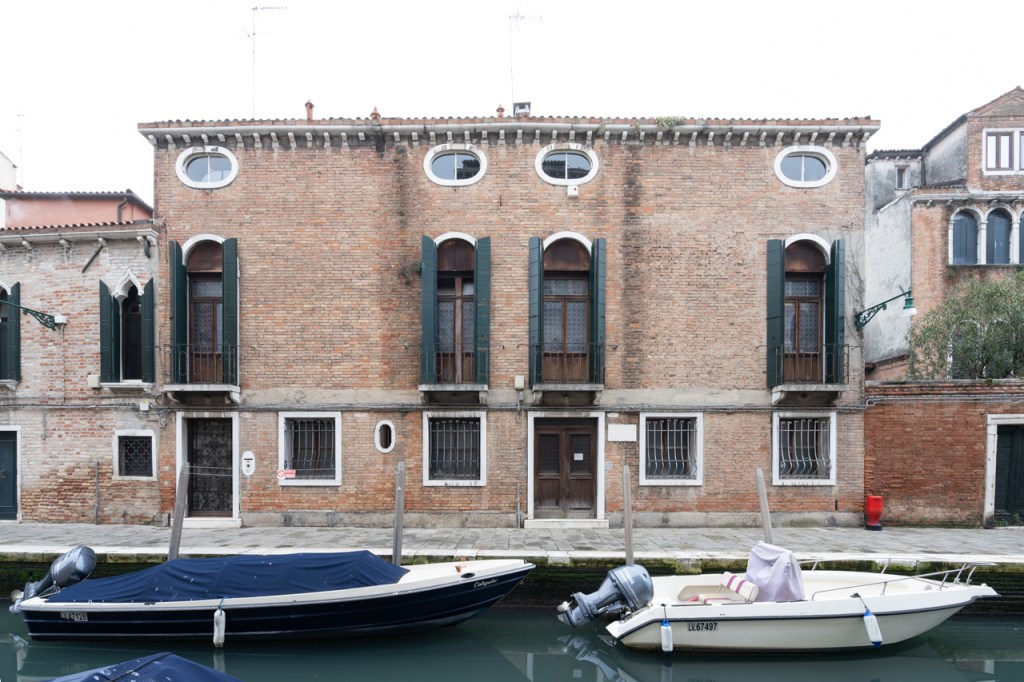
Nicoletta Fiorucci Foundation, Venice. Photo Marco Cappelletti 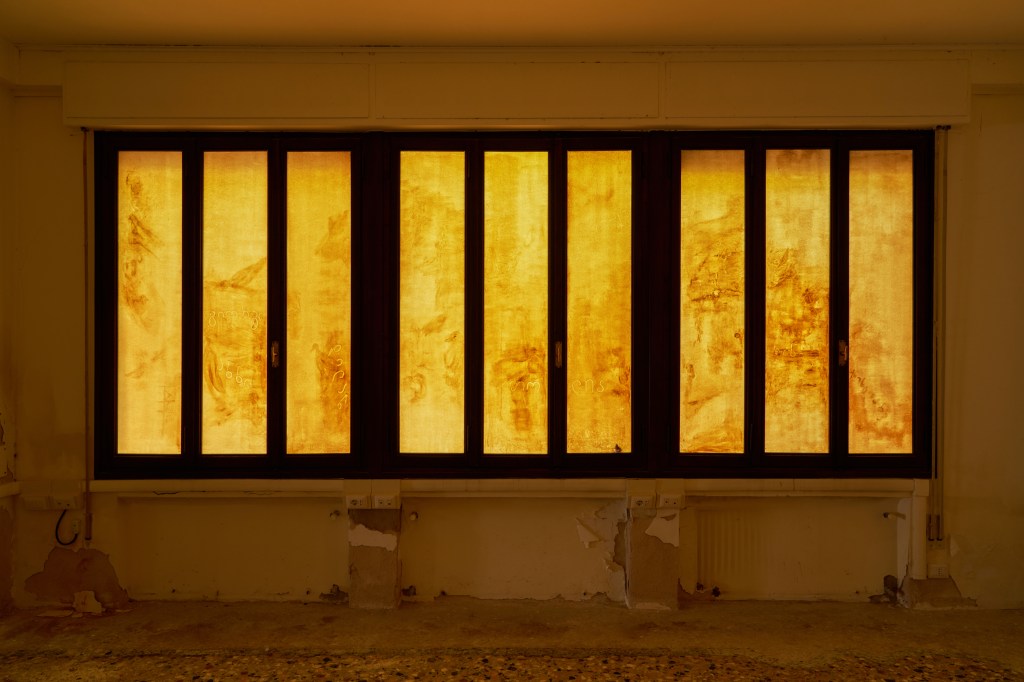
Tolia Astakhishvili, each year, the same season, 2025 plexiglass, acrylic paint, wood 480 x 180 cm, each: 180 x 40 cm 
Tolia Astakhishvili: to love and devour. Installation view, Nicoletta Fiorucci Foundation, Venice, 2025 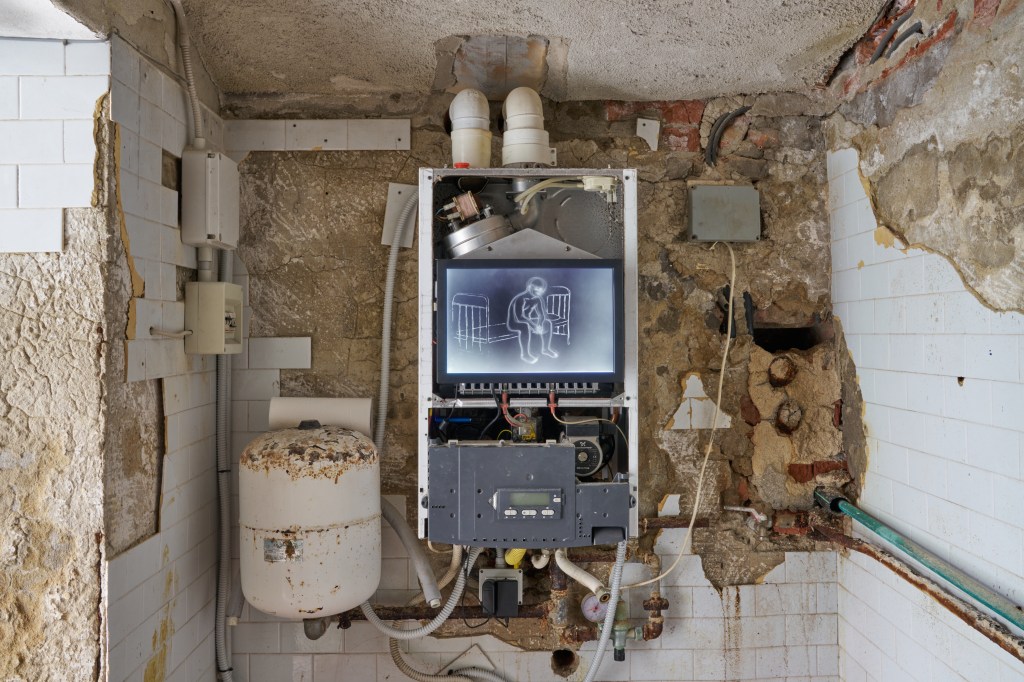
Tolia Astakhishvili, forbidden place, 2025, room, pipes, boiler, monitor HIM, hand-drawn animation 2 min, loop 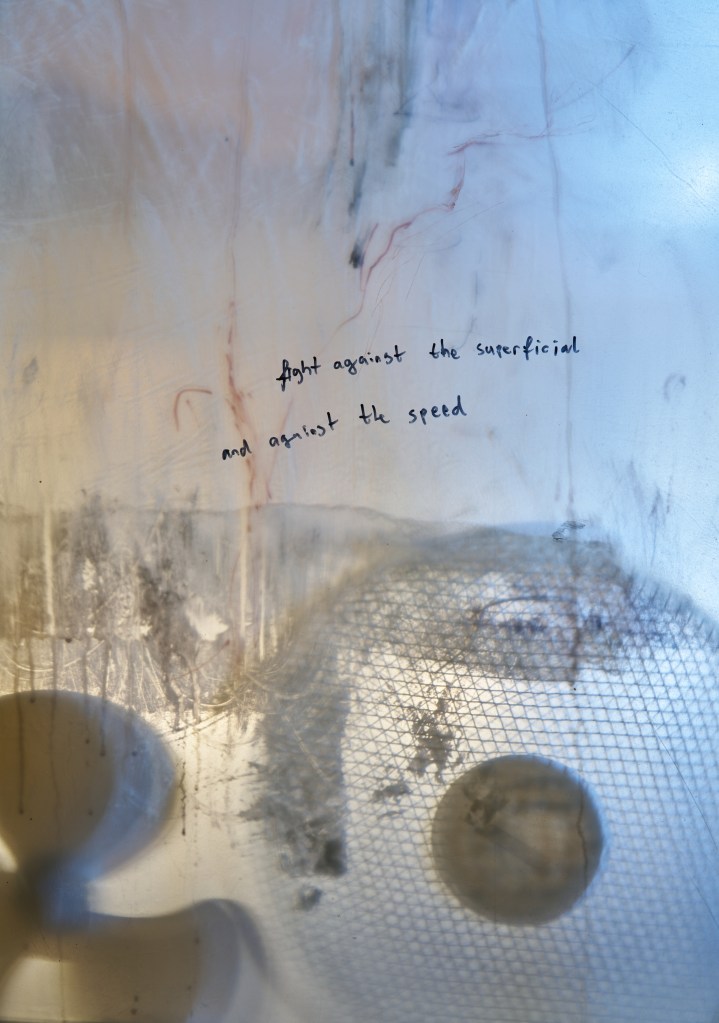
Tolia Astakhishvili. Detail view: I love seeing myself through the eyes of others, 2025. Sound by Dylan Peirce. Plastic, acrylic paint, photos, found objects, material storage, light, 614 x 430 x 290 cm 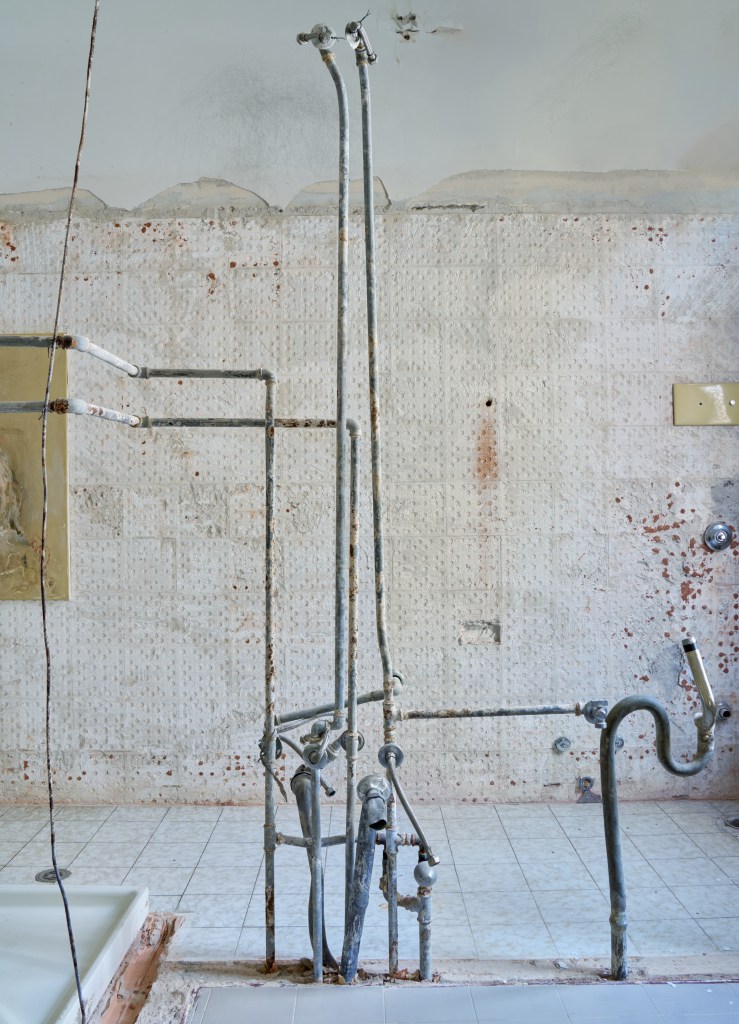
Tolia Astakhishvili, my emptiness, 2025, sectioned walls, excavated pipes, bathtub. Dimensions variable 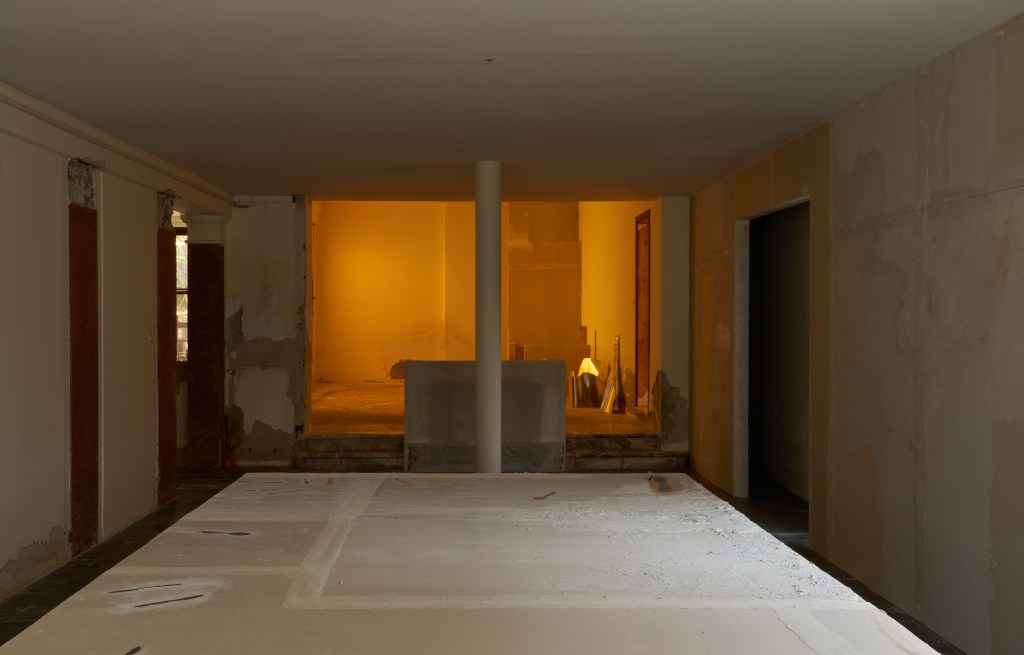
Tolia Astakhishvili, to love and devour. Installation view, Nicoletta Fiorucci Foundation, Venice, 2025 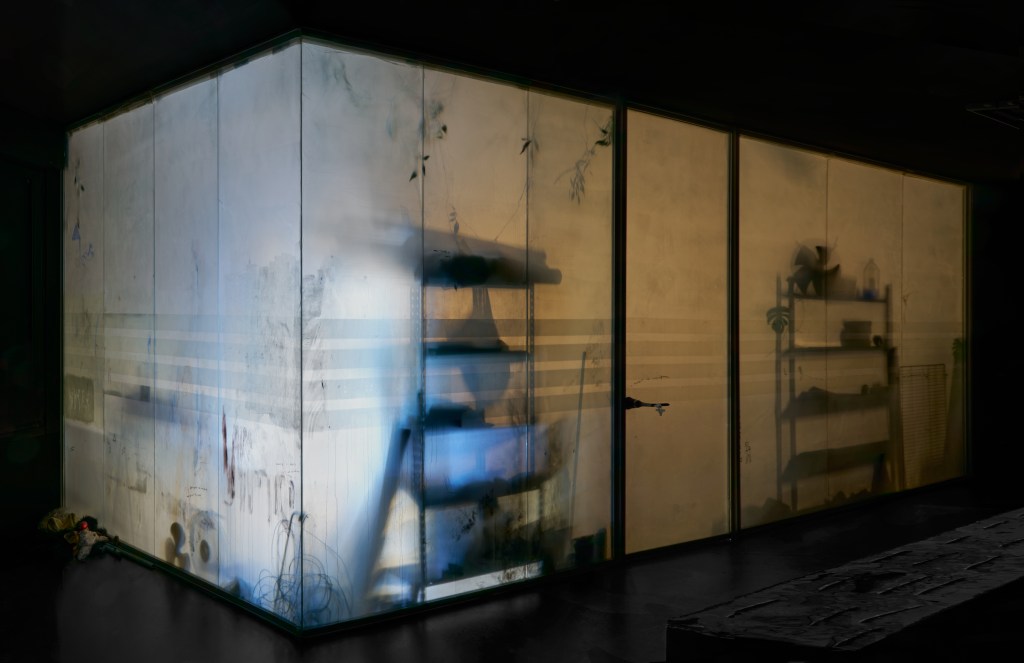
Tolia Astakhishvili, I love seeing myself through the eyes of others, 2025. Sound by Dylan Peirce. Plastic, acrylic paint, photos, found objects, material storage, light, 614 x 430 x 290 cm 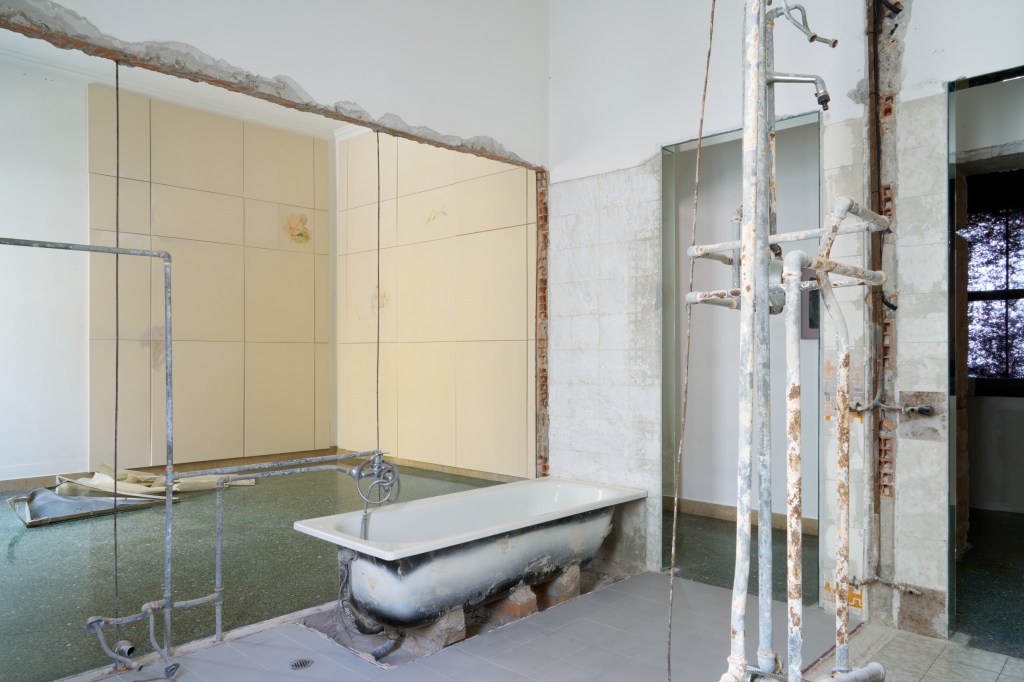
Tolia Astakhishvili, my emptiness, 2025, sectioned walls, excavated pipes, bathtub. Dimensions variable. Daydreaming, 2024-2025, canvas, papier mache, oil paint, 440 x 380 cm 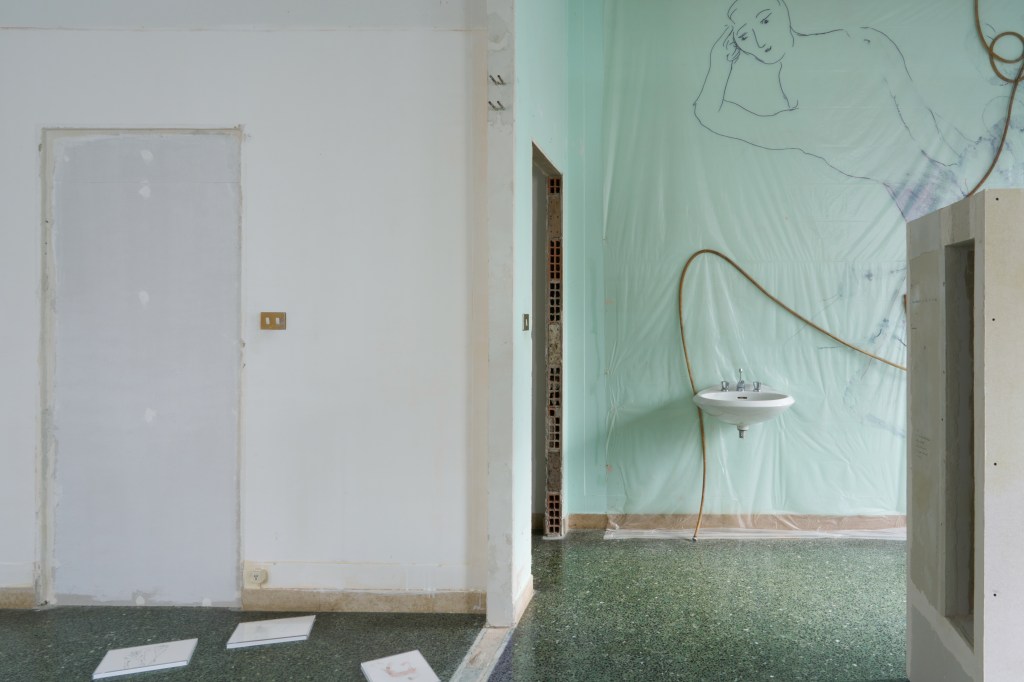
Tolia Astakhishvili, to love and devour, 2025, plastic, permanent marker, plastic tube, sink, 375 x 367 cm 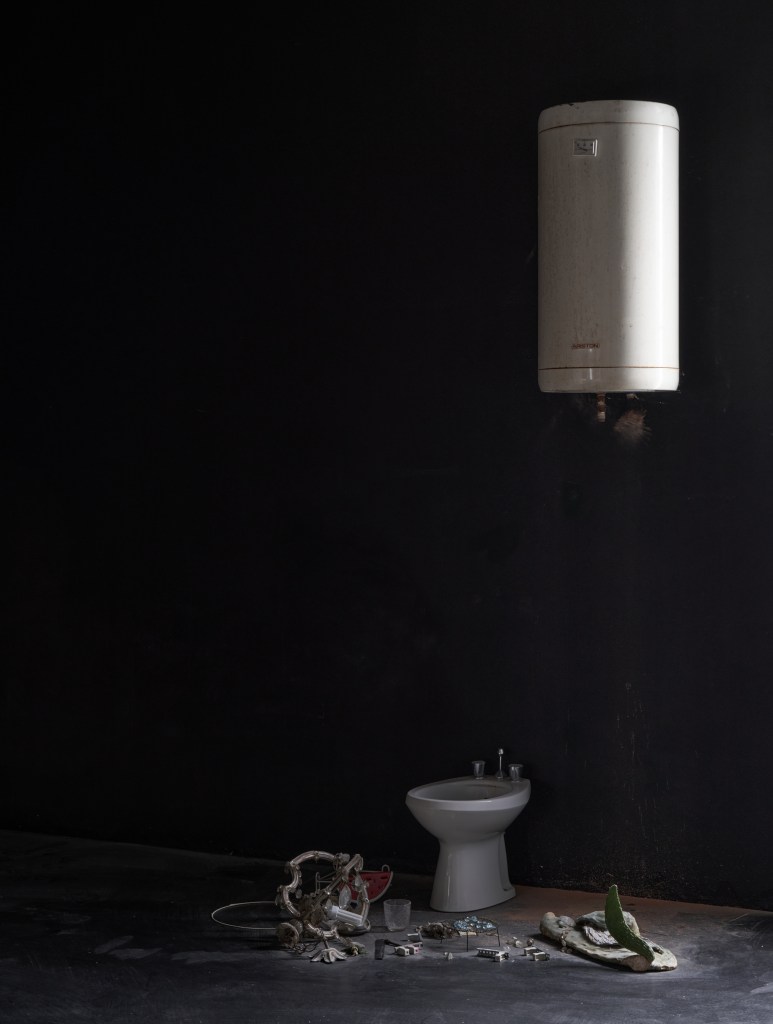
Tolia Astakhishvili, universe, 2025, washing hanger from demolished bathroom, found objects. Water Tank, toilet, found objects, Murano glass, dimensions variable 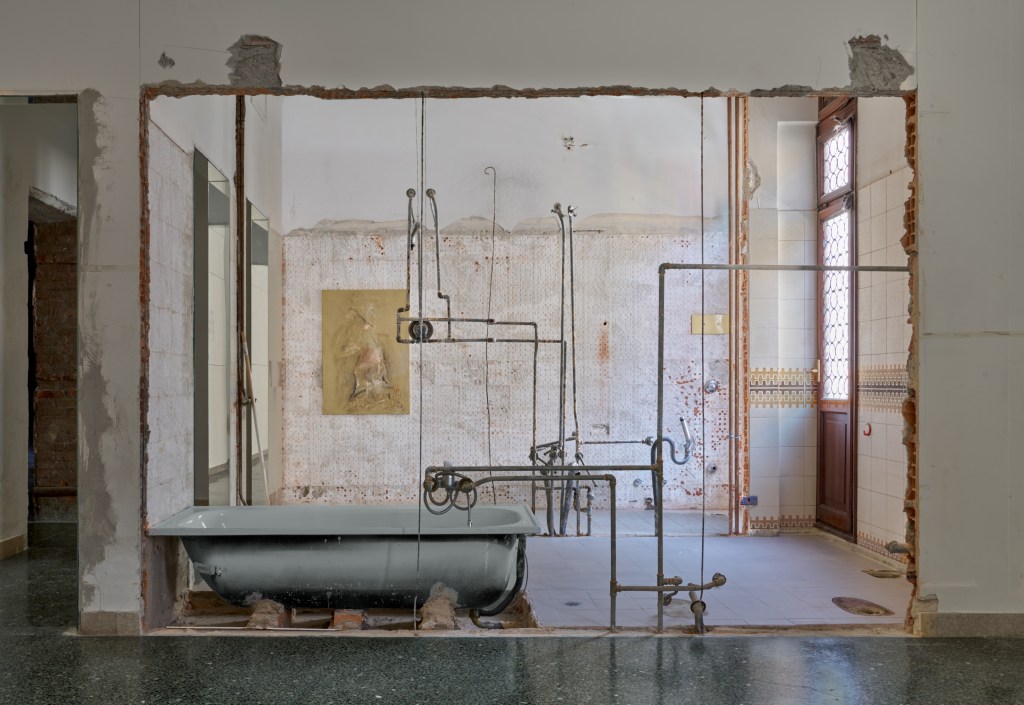
Tolia Astakhishvili, my emptiness, 2025, sectioned walls, excavated pipes, bathtub. Dimensions variable. I have to tell you my dream before I wake up too much, 2018-2024, acrylic, oil, canvas. 100 x 70 cm 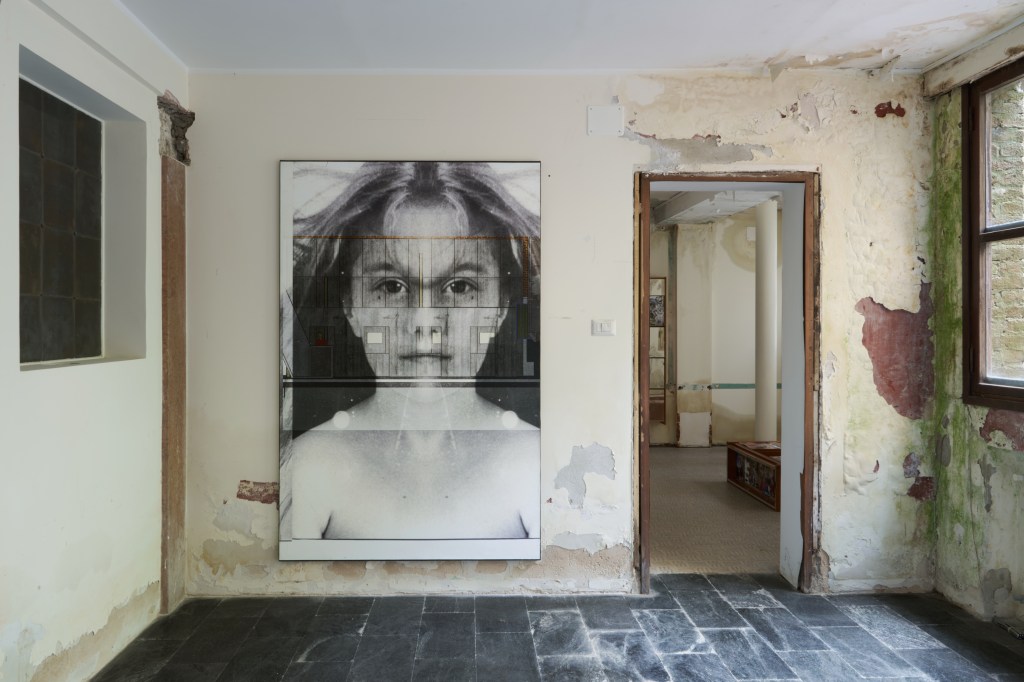
Tolia Astakhishvili and James Richards, Our Friends In the Audience, 2024, print, marouflage on canvas, 200 x 130 cm 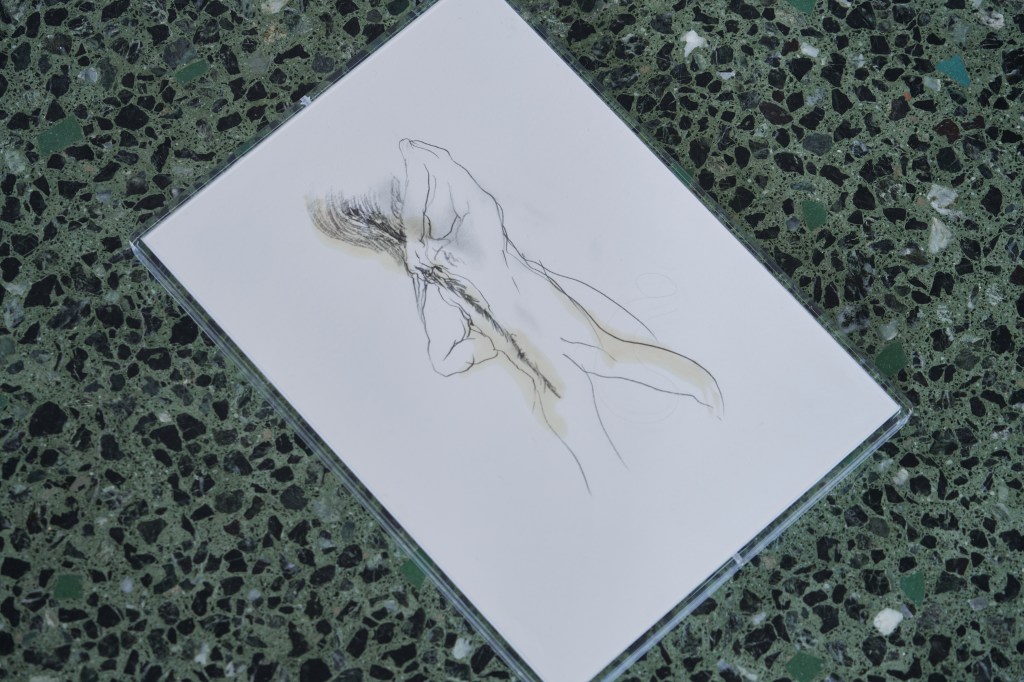
Tolia Astakhishvili, a timeline of physical attributes, 2025, paper, pencil, ink, pastel, plexiglass frame, 31 x 22 cm 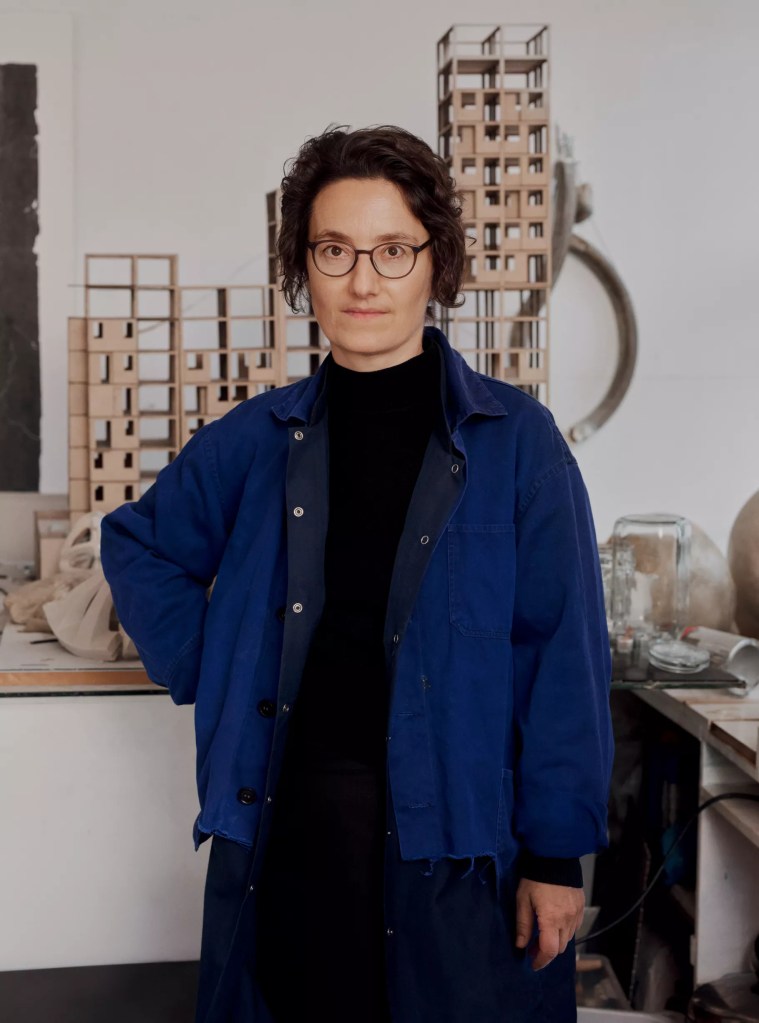
Portrait of Tolia Astakhishvili. © CHANEL. Courtesy of Chanel
Translated with AI