The former Giudecca industrial brewery in Venice has become an emblem of alternative and experimental culture for more than a decade. This is where Spazio Punch, founded by Augusto Maurandi and Lucia Veronesi, was established in 2011 and is now a landmark of the city’s independent art scene.
Augusto Maurandi, as he is keen to emphasize, is not a curator in the traditional sense. Instead, he is interested in a horizontal relationship with artists, far from hierarchical dynamics and theoretical superstructures. The aim is not to frame the works, but to accompany them in their most authentic context, creating resonance between people, ideas, and languages. Just as it happens at Spazio Punch, the place he founded together with Lucia Veronesi on the Giudecca Island in Venice.
The exhibition Peekaboo has been described as an attempt by Spazio Punch to position itself at the fringes of traditional curating, navigating between social networks and artistic practices. What drove you to explore this boundary zone? How do you think social media can contaminate, enrich, or even redefine curatorial practice today?
It’s at the boundaries that things happen.
Peekaboo (12-27 April 2025) was an experiment. Spencer Lackney is a U.S. actor with an Instagram profile ‒ @spencerlookrey ‒ with 3 million followers. He is not a contemporary artist within the system, and that’s precisely what interested us. We had to go through his Hollywood agent, initiating a dialogue through an additional layer of mediation beyond the digital medium.
We were excited to enter an unknown world. Spencer works with a constant flow of online reels; the challenge was to take that language and give it a physical space, to create installations with videos designed for Instagram ‒ slowing them down without domesticating them. To create these installation spaces, we collaborated with set designer Cosimo Ferrigolo, who gave the set-up a physicality that brought it close to a theatrical experience.
The result was a techno-narrative choreographic device between analog and digital, where the boundary between inside and outside completely dissolved. If the exhibition is a body, social media is its molecular structure. With Peekaboo, we wanted to listen to that rhythm, to be traversed by it. And to stay, even just for a moment, in that threshold of vibration before the flow of images and presences returned to the digital. For a brief time, that spirit inhabited Spazio Punch with us.
You’ve often expressed a clear distance from the traditional figure of the curator. What experiences or reflections led you to take such a firm position and develop a more horizontal and relational approach?
Taking distance was a necessary gesture for me ‒ almost physiological. A posture that allowed me to reflect and detach from certain repetitive and often stereotyped dynamics.
It wasn’t an ideological rejection of the curator as such, but a critique of what that figure has become in many contemporary practices: an exercise in power disguised as thought, often sustained by texts saturated with citations to justify empty projects.
I don’t feel distant from figures like Germano Celant, who turned writing into a curatorial device capable of conceptualizing entire movements. Or Catherine David, who with Documenta X drew clear lines between aesthetics and geopolitics, opening spaces to lateral voices and recognizing the specific weight of archives and documents. Nor from Massimiliano Gioni, who contaminated the museum context with outsider art, popular culture, and eccentric collections.
When you truly work with artists, you understand that an exhibition is, first and foremost, collective energy. It requires attention, real care. To curate is not to direct but to accompany. It’s a practice of listening and trust. Without trust, there is no exhibition.
THE MEANING OF CURATING ACCORDING TO AUGUSTO MAURANDI
Do we still need curators?
I believe the figure of the curator can take many forms. The important thing is that it finds its own specificity, its own language, its own method of study.
I’m thinking, for example, of the exhibition Fragile Masculinity (23 March ‒ 5 April 2024) by Geelherme Vieira ‒ another project born on Instagram. In the early meetings, we were a true volcano of ideas and materials. It was one of those moments when everything seems possible even error, excess, risk.
That’s precisely why I chose to entrust the curatorship to Tommaso Speretta, a Venice-based curator, writer, and editor. Tommaso has worked for years on LGBTQIA+ artistic practices: we needed an external gaze, a sensitivity in choosing material and building the exhibition narrative.
So, to answer your question: yes, I believe we still need curators. The key is knowing when to be present ‒ and when it’s time to disappear.
What qualities guide you when deciding to collaborate with an artist?
Vertigo. The desire to see something I’ve never seen before, or something I already know but that now appears different. That’s when the spark ignites. Then, of course, passion is needed. But above all: intuition.
It’s like falling in love ‒ you can’t explain why, but you feel it in your bones.
Like with the last concert we presented: Motore Immobile + Rappel (8 June 2025) by Giusto Pio. It was the first time in fifty years that these compositions were performed live. Original works by the Italian minimalist composer Giusto Pio, long-time collaborator of Franco Battiato.
My choices always originate there ‒ from the desire to discover something new or to show what already exists from another perspective.
Passion. Intuition. It’s you. I want you. Desire.
What is Spazio Punch’s role in today’s Venetian cultural landscape?
From the beginning, Spazio Punch has aimed to bring something new, to shift paradigms, to question the contemporary ‒ looking forward, but also backward, offering fresh and timely interpretations.
During the lockdown years, we had to slalom just to keep projects going. One emblematic example was our collaboration with Fondazione Malutta, with whom we had planned a month-long exhibition at Punch. Due to lockdown, they ended up being trapped with us for over six months. That unexpected event turned Punch into a studio, a training ground. It was a unique opportunity to work on large formats, consolidate the group, and produce works.
In that period, alongside Venice-based curator Giulia Morucchio, we curated Penisola (20 May ‒ 1 August 2021), an exhibition about Italian photography and publishing, Belmondo (19 February 19 – 26 March 2022), a group show of young creatives working across visual art, fashion, music, design, and performance, and TV Punch (19-21 March 2021), an experimental TV format created in response to the limitations caused by government restrictions during the pandemic.
We were among the first to give space to emerging creatives by showcasing final university projects ‒ particularly those from Iuav Venice. We believe in new energies, which is rare in the Venetian context. Just look at the gallery and institution programs; until two years ago, everything was very different ‒ there was no space for young people. Today something has opened up, and that’s an encouraging sign. I believe Punch has sowed fertile ground for beautiful things to happen.
THE HISTORY OF SPAZIO PUNCH
What challenges do you face in maintaining an independent and experimental position within such an institutionalized context as Venice?
We’ve been labeled as independent and experimental, which to me simply means doing the exhibitions I’d like to see ‒ and that our audience wants to see ‒ even if it means taking risks on difficult-to-contain projects.
The audience that participates feels part of the project because, ultimately, they truly are.
Of course, it would be easier to operate within a more consolidated institution. But experiences like the Cruising Pavilion (24 May – 1 July 2018) ‒ a show that approached architecture through gay sex practices and cruising cultures ‒ are unique and, above all, only possible in places like Spazio Punch.
It’s a precarious balance between the freedoms and the (dis)advantages that every position entails.
What does “independent culture” mean to you today?
I immediately think of Indie as a musical category ‒ for its creative freedom, experimentation, low budgets, and DIY (Do It Yourself) approach. I strongly identify with all these aspects, and if the work presented is of quality, you won’t be isolated. DIY is always also DIWO (Do It With Others).
Is it still a political stance, or has it become another form of institution?
Independence is always a political stance ‒ but not in a rhetorical sense. It’s political in how you choose who to work with and what to show.
Independence is a daily micropolitics ‒ not a banner, but a practice.
Just like the political slogans on the clothes and armchairs of Walter Van Beirendonck’s A/W 2025–2026 collection, which we brought to Venice for the 19th Venice Architecture Biennale as part of the exhibition Alien Couch (10 May – 27 July 2025). These aren’t empty slogans but a clear statement ‒ both his and ours ‒ about the times we’re living in.
Punch has always inhabited the margins, engaging with cultural, ideological, and gender peripheries. In our projects, we value creativity and try to avoid folkloristic or propagandistic self-representations of hardship.
What role does publishing play in your curatorial vision?
For us, a double-page spread is a foldable exhibition. Sometimes a publication says more than a show: it’s slower, more intimate, more elusive, leaving traces that last longer.
The gap between text and image, layout and content, becomes a true curatorial ecosystem.
The Edicola (25 May – 30 June 2012), curated with scholar and curator Saul Marcadent, explored independent publishing ‒ one of the first such shows in Italy ‒ and is a concrete example. So too are the exhibition Sniffing Books. Myths, Stigmas, and Writings on Drugs (20 April – 24 November 2024), curated by researcher Alessia Prati, which we brought to I Never Read in Basel, or the presentation of personal archives like Undusted Archive by Caterina Dal Bianco and Christian Gravante.
THE PROJECTS BY SPAZIO PUNCH
After more than ten years of activity, how is Spazio Punch evolving?
We’re looking for the best way to disappear ‒ and, at the same time, to remain.
It’s a tension we enjoy. Every now and then we dream up impossible projects, but then we come back down to earth and start again.
We do everything with immense effort and passion, but we lack resources and are always a bit out of breath.
What kind of relational dynamics develop over time between you, artists, and collaborators?
They are cultivated. They’re nurtured ‒ like plants.
Not everything happens within the timeframe of a single exhibition. Some projects begin today and might happen five years from now ‒ or maybe never.
What matters is not to burn everything for the hype. Beautiful things need oxygen.
I’ve known the designers of Evropa since their Iuav student days. I’ve always followed their work and invited them to present their collections after a long time with the event Mother Nature (16 March 2024).
How do you keep a working community alive that goes beyond a single exhibition event?
By seeking new experiences and creating unique events.
If necessary, we go into hibernation. We can blossom without bearing fruit, waiting patiently to grow again with a future project.
What kind of audience would you like to engage with today through your cultural offerings?
A transdisciplinary audience that moves between different cultural sectors ‒ art, fashion, architecture, design.
Often, the opposite happens: people compartmentalize. But we love creative confusion.
We seek those who feel out of place, who want to see something not yet seen or explained.
Our dialogue with the city is fluid: we seek true listening, not just an audience.
SPAZIO PUNCH AND VENICE
How important is the impact of a cultural space on the territory it’s embedded in?
A space can have a huge impact on its surroundings.
It’s wonderful to see local teenagers come in to explore the exhibitions, to feel them as truly open spaces.
But a cultural space can also harm the community or the city if it displaces artisans or residents for profit.
When it’s out of sync with the real life of the city, it arrives like a meteor and destroys.
Lately, many philanthropists have arrived. Let’s see what they’ll actually do for the city, for the young people, and for the residents.
What is your relationship with the physical space, and how does it influence curatorial choices?
Punch is not an easy space ‒ and that’s precisely the point.
Every exhibition must engage with that body. Some artists understand this immediately; others clash with the reality.
But if you accept it, it becomes an ally.
In all these years, I can say no installation has been the same as another ‒ every show varies.
It has always been fundamental for us to work with designers for the setup. For Alien Couch and Penisola, we worked with the designer duo Zaven ‒ Enrica Cavarzan and Marco Zavagno ‒ based in Venice. The exhibition Garage Dallegret (18 May – 30 November 2023) was realized with Supervoid ‒ Marco Provinciali and Benjamin Gallegos Gabilondo ‒ from Rome.
I believe these new professionals capable of creating multimedia devices are essential for giving exhibitions new dimensions of language.
Concretely, how does a project take shape at Punch? From conception to realization ‒what are the steps, figures involved, timelines, and tools you use to build an exhibition or event?
Everything starts with an idea ‒ with what we feel the need to express in that moment.
As you can guess from our program, this idea evolves constantly. It’s discussed internally, questioned, refined.
Alessia Prati, our “vibe researcher”, analyzes the topic from the outside, helping us intercept other sensitivities and directions worth exploring.
Then the idea is shared with a network of people ‒a community of shifting complicities ‒ close to Punch. It helps us gauge whether it’s worth continuing, if the project resonates.
Only then we bring in the graphic designers.
For ten years, we worked with Metodo Studio by Paolo Palma, who gave us structure and strength. More recently, we’ve collaborated with Federico Antonini, Alessandro Gori, and Alessandro Antonuccio (HStudio). Each brought different visions and tools.
When the project takes shape, setup and all technical/logistical aspects come into play ‒handled by Marta Girardin, the project coordinator, who oversees every phase until completion.
In general, there’s no fixed team: each exhibition has its own rhythm, timing, and crew. The tools? Whatever is necessary. Even chance.
Paola Caudullo
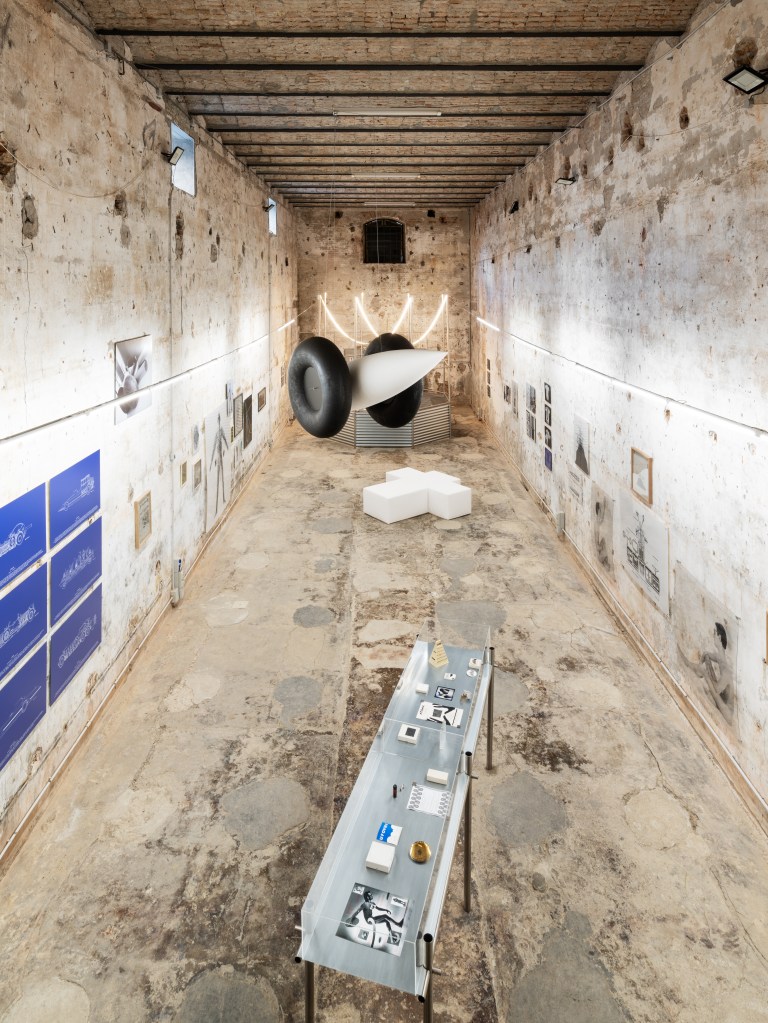
Exhibition view of GARAGE DALLEGRET at Spazio Punch, Venice, 2023. Courtesy of Marco Cappelletti 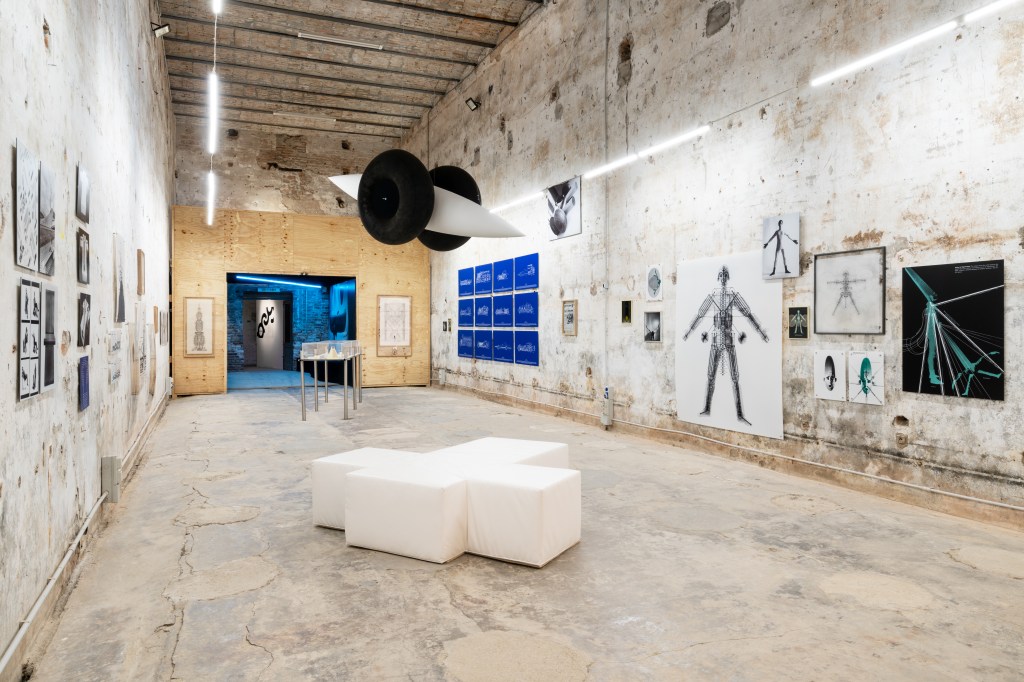
Exhibition view of GARAGE DALLEGRET at Spazio Punch, Venice, 2023. Courtesy of Marco Cappelletti 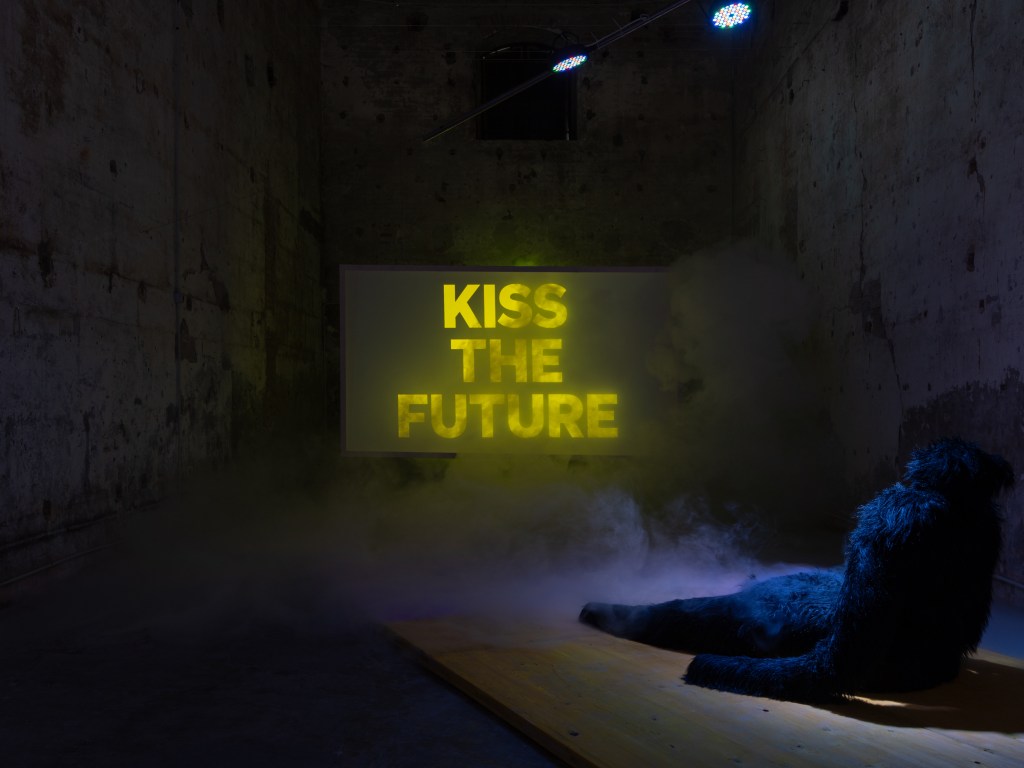
Exhibition view of ALIEN COUCH at Spazio Punch, Venice, 2025. Courtesy of Giacomo Bianco 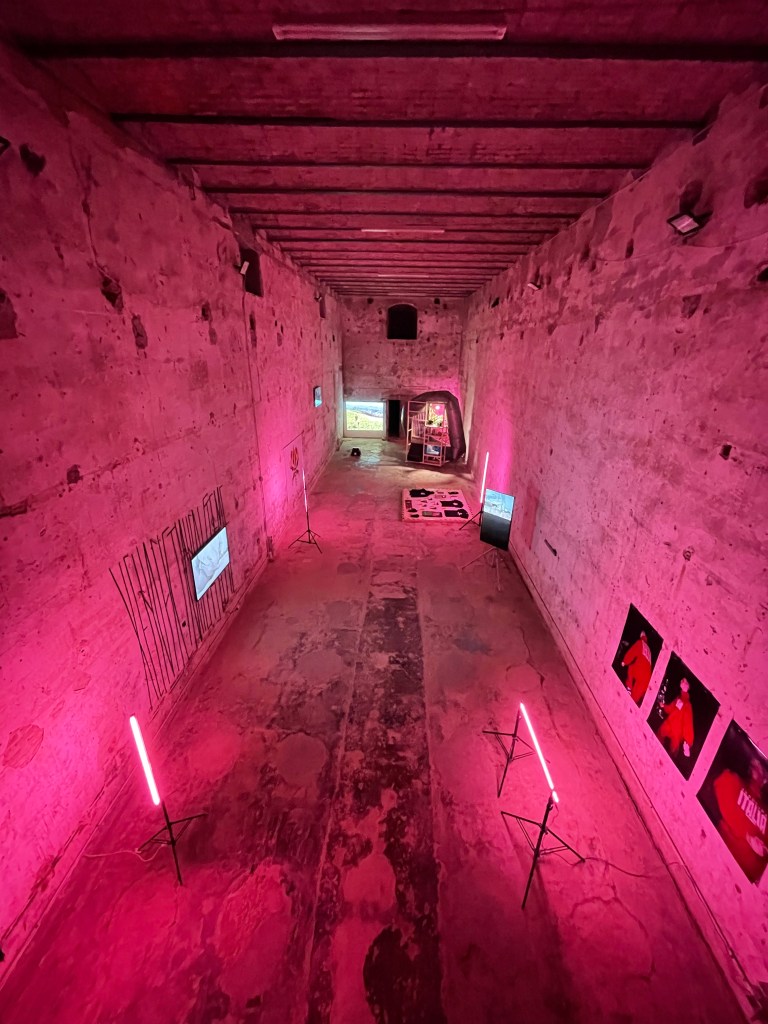
Exhibition view of Belmondo at Spazio Punch, Venice, 2022. Courtesy of Spazio Punch 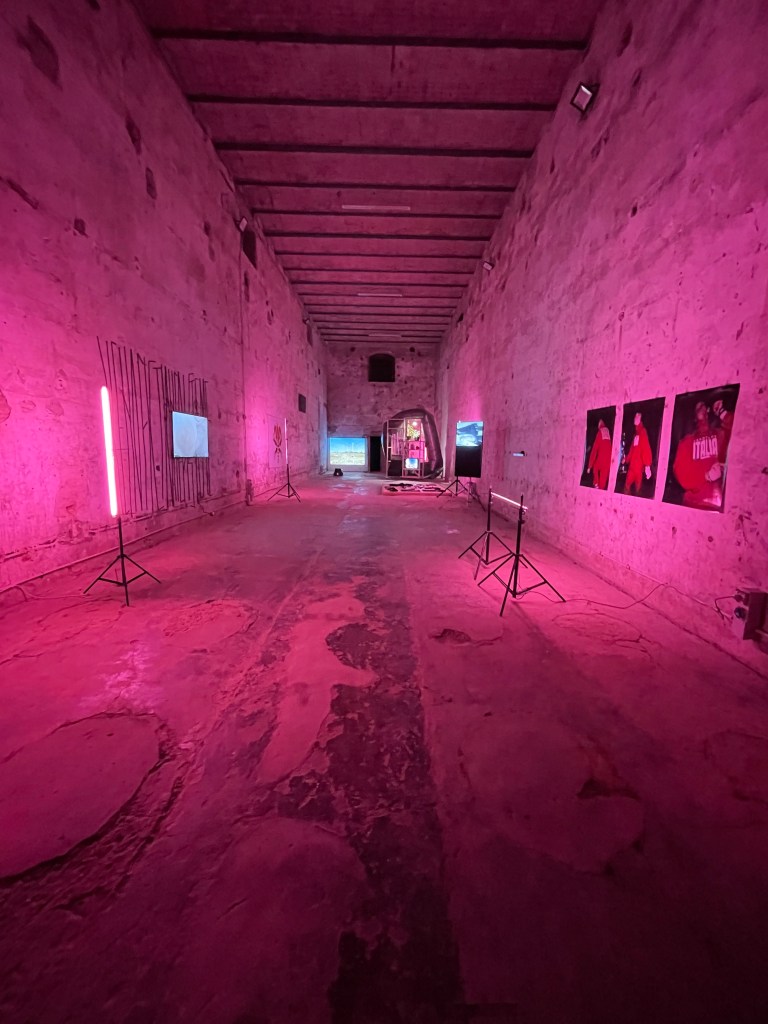
Exhibition view of Belmondo at Spazio Punch, Venice, 2022. Courtesy of Spazio Punch 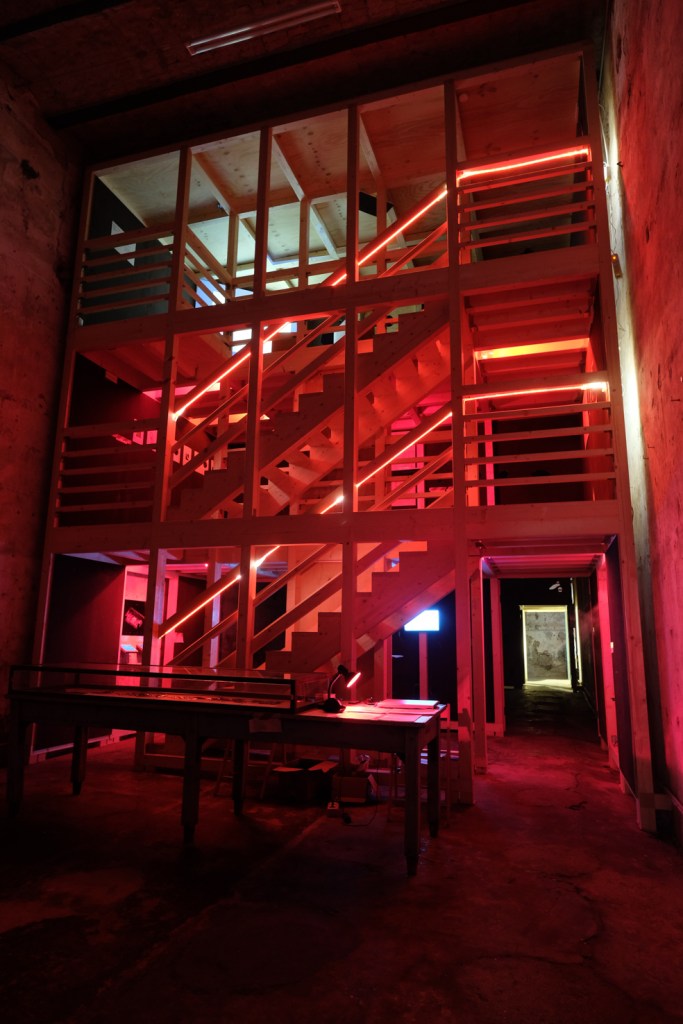
Exhibition view of CRUISING PAVILION at Spazio Punch, Venice, 2018. Courtesy of Spazio Punch 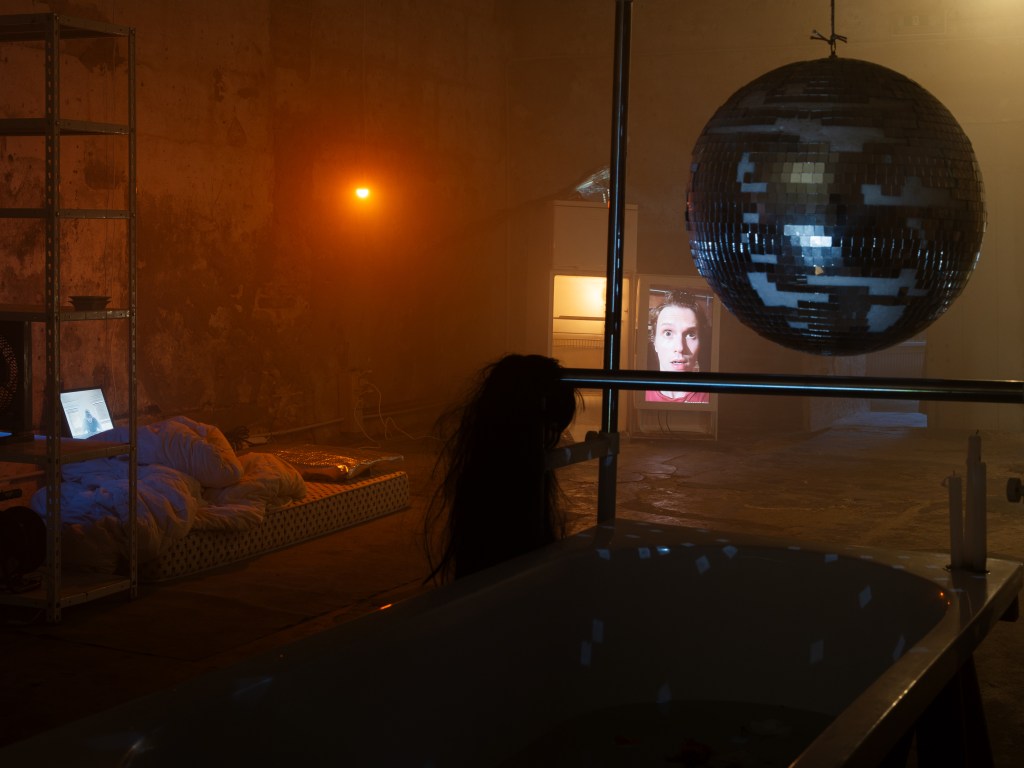
Exhibition view of PEEKABOO by Spencer Lackey at Spazio Punch, Venice, 2025. Courtesy of Giacomo Bianco 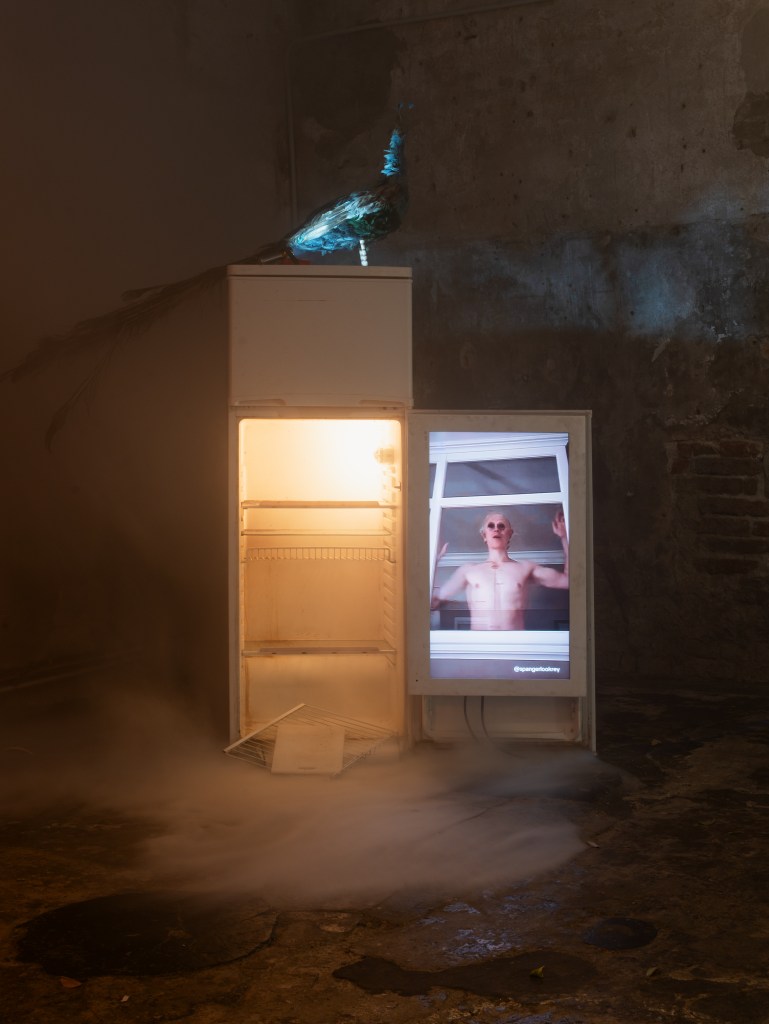
Exhibition view of PEEKABOO by Spencer Lackey at Spazio Punch, Venice, 2025. Courtesy of Giacomo Bianco 
Exhibition view of PEEKABOO by Spencer Lackey at Spazio Punch, Venice, 2025. Courtesy of Giacomo Bianco 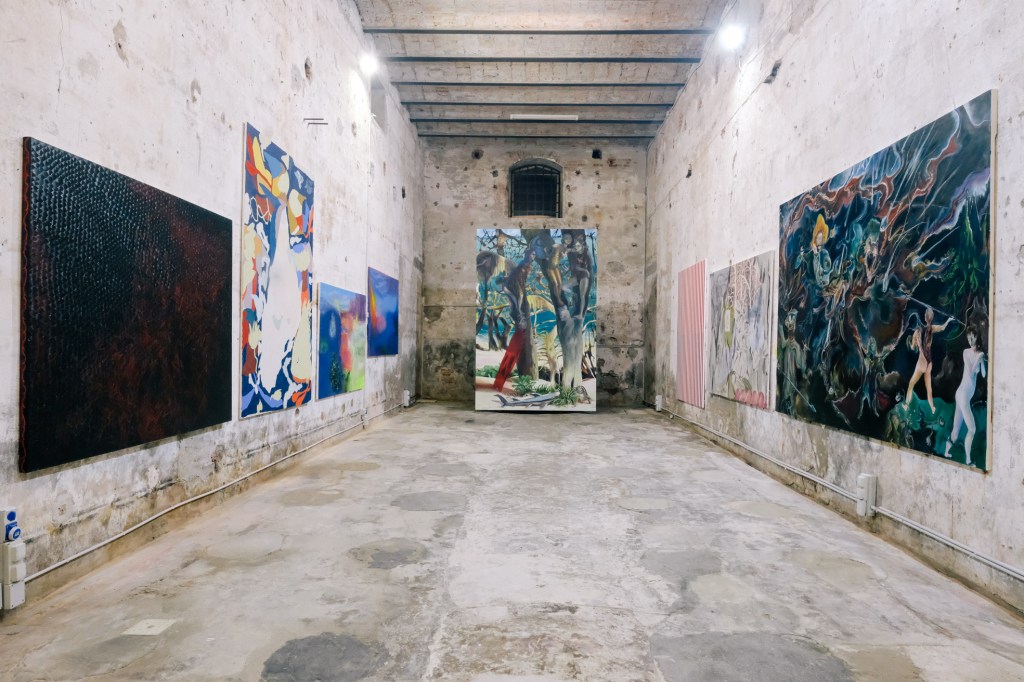
Exhibition view of Pesi Massimi by Fondazione Malutta at Spazio Punch, Venice, 2020. Courtesy of Spazio Punch 
Exhibition view of ALIEN COUCH at Spazio Punch, Venice, 2025. Courtesy of Giacomo Bianco 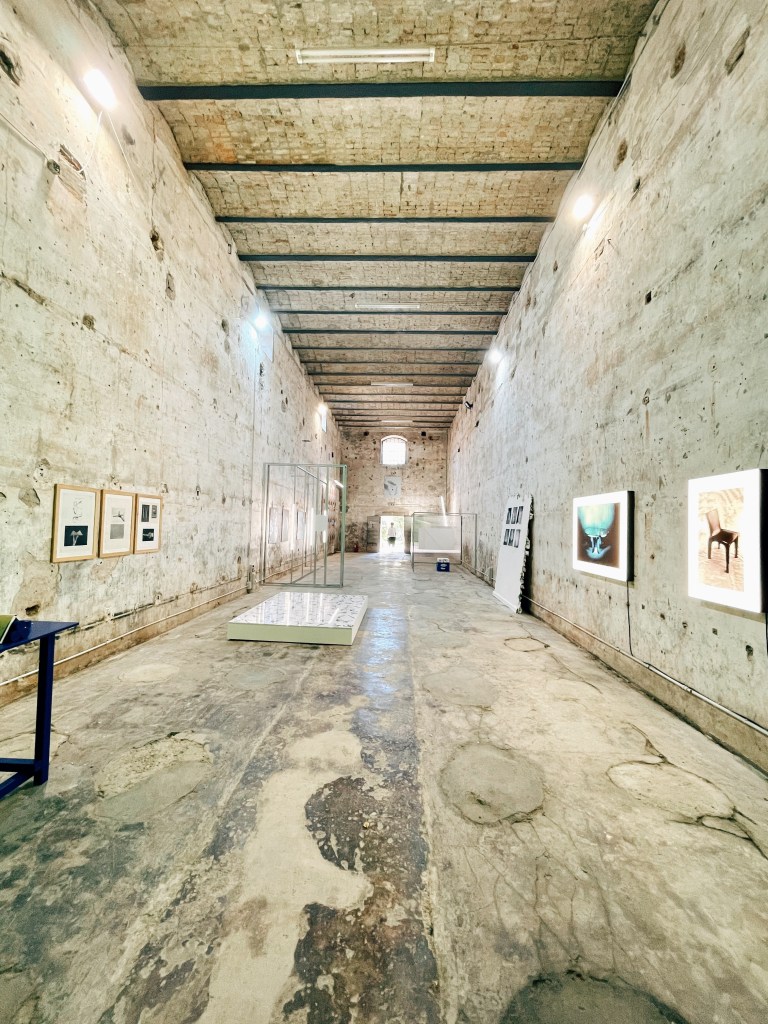
Exhibition view of Penisola at Spazio Punch, Venice, 2021. Courtesy of Spazio Punch 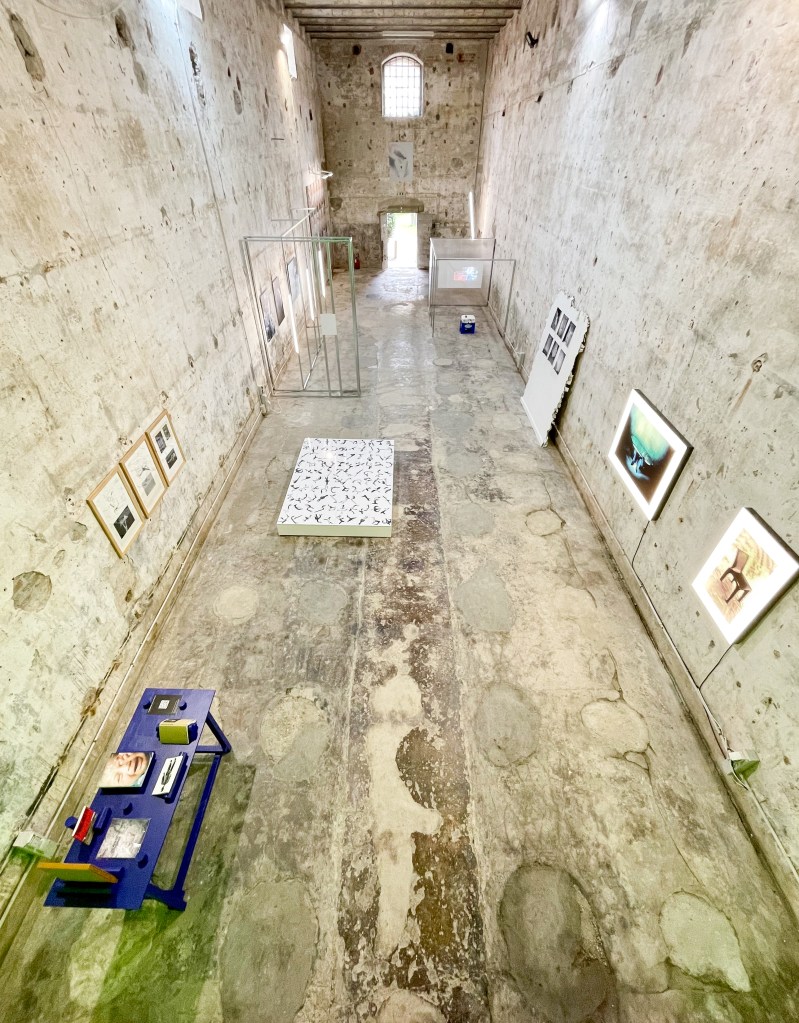
Exhibition view of Penisola at Spazio Punch, Venice, 2021. Courtesy of Spazio Punch 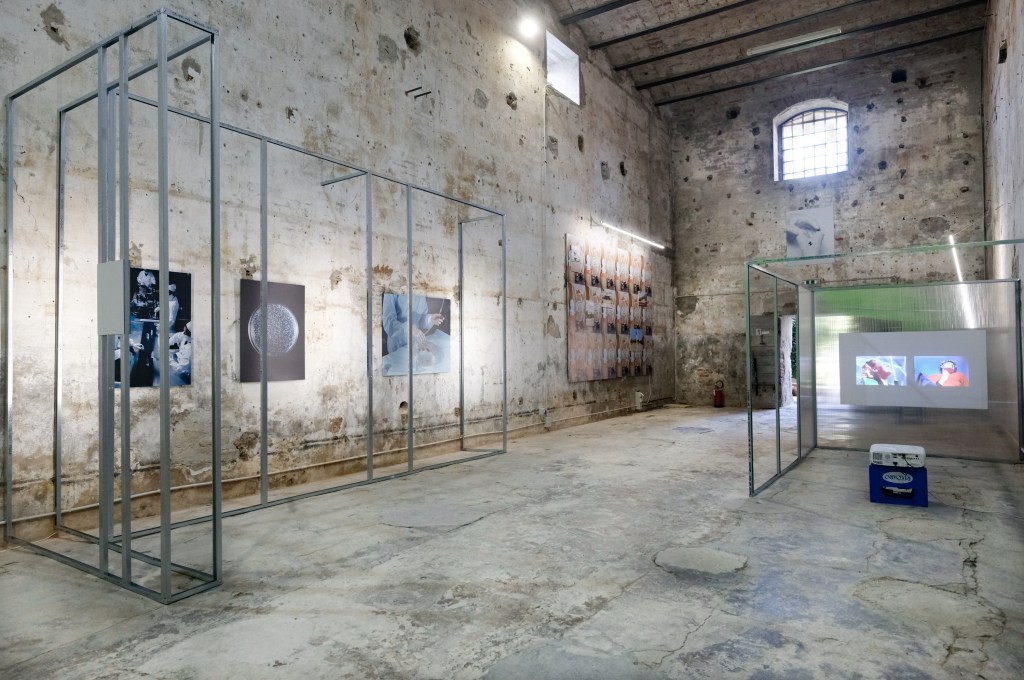
Exhibition view of Penisola at Spazio Punch, Venice, 2021. Courtesy of Spazio Punch 
Complete List of Projects – Spazio Punch Website 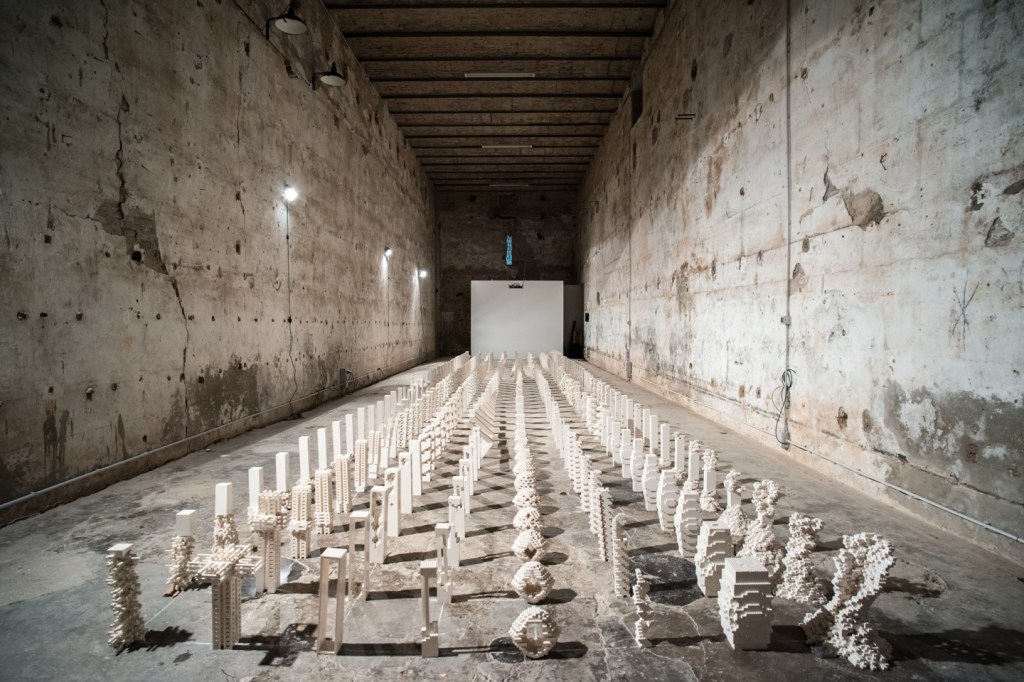
Porous City, Spazio Punch, Venezia, 2012, veduta della mostra. Courtesy di Spazio Punch 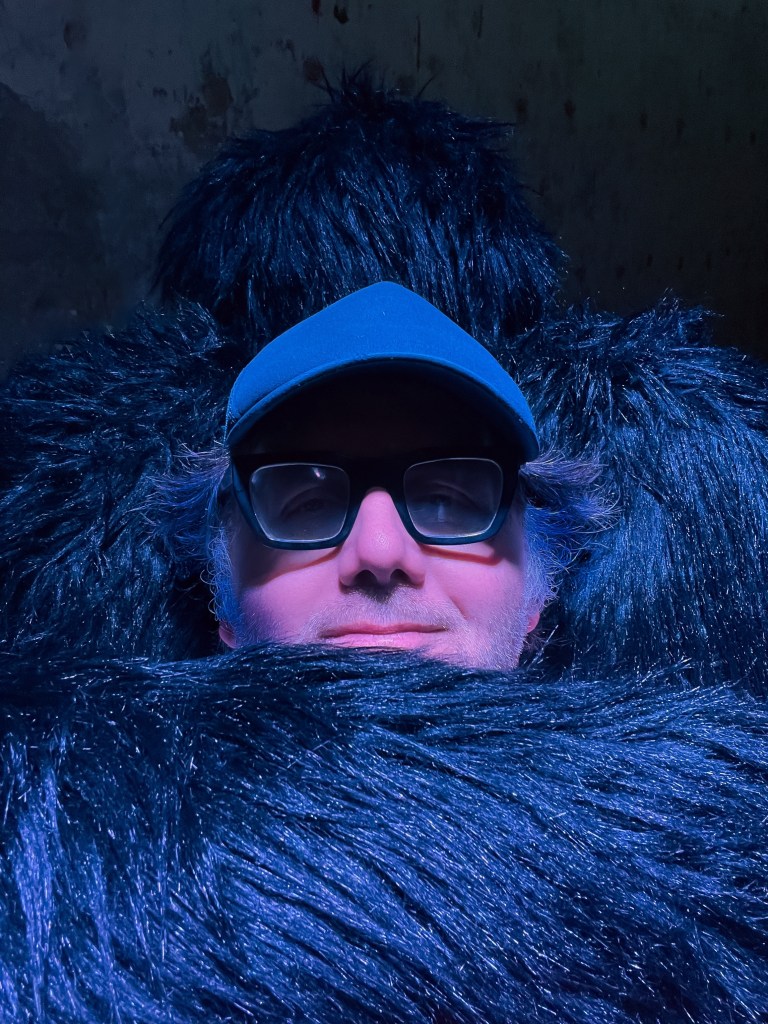
Augusto Maurandi Creative Director Spazio Punch
Translated with AI

 c plus c