In this conversation, Giancarlo and Sandra Bonollo trace the birth and evolution of their interest in contemporary art, outlining an approach to collecting guided by curiosity, research, and openness to emerging languages. From the private dimension to the Foundation created in Thiene, in the province of Vicenza, what emerges is a vision of art as an experience to be shared, capable of sparking dialogue and opening up new ways of engaging with it.
Giancarlo and Sandra Bonollo operate in the world of contemporary art with a curious and attentive gaze, always in search of new languages and emerging artists. Their experience is no longer limited to private collecting, but translates into a concrete dialogue with the local area and the public through their Foundation in Thiene.
In this interview, they discuss the choices, insights, and challenges that have shaped their activity, offering a glimpse into Italian art collecting and the possibilities of making it a shared experience.
THE INTERVIEW WITH GIANCARLO AND SANDRA BONOLLO
How did your interest in contemporary art begin? Is it something that developed over time, or did it take shape around a significant experience?
Giancarlo Bonollo: Our interest in contemporary art has undoubtedly grown over time. It began with a friend who had a small gallery in Asiago. The starting point was also my passion for cinema and literature, which I have always shared with Sandra.
Do you remember the first artwork you purchased? What role did it play in shaping your journey as collectors?
The first artwork we purchased was a wooden sculpture by the German artist Stephan Balkenhol, at Monica De Cardenas gallery in Milan. We simply liked it. The same goes for the second work in our collection: a photograph by Nan Goldin, purchased in London from White Cube.
Is there a common thread that runs through your collection? If so, when and how did it take shape?
Giancarlo Bonollo: I’m not sure whether there is a common thread that defines our collection. My passion for contemporary art, along with continuous research, study, and curiosity for the new languages of the contemporary art scene, form the foundation of my collecting.
What are the main criteria that guide your acquisitions? What truly convinces you when you are in front of an artwork?
We are interested in young artists. The artworks we choose must “captivate” us, tell us something new, and appeal to us.
ART COLLECTING ACCORDING TO GIANCARLO AND SANDRA BONOLLO
When and why did you decide to turn a private collection into a foundation open to the public?
Giancarlo Bonollo: The idea of creating a foundation came from my wife about ten years ago. Then we reflected on the idea together for a long time. Sandra always believed that certain large-scale works, installations, videos, and museum-quality pieces should be shown and shared with the public, rather than left tucked away in storage. These were significant works in the trajectory of our collection, pieces we had loaned to museums across Europe, works with a history that risked being forgotten. We had even proposed temporary loans to some Italian institutions, but for various reasons ‒ including the pandemic ‒ it was impossible. At first, I wasn’t very convinced by Sandra’s idea, but after much reflection, we decided that the foundation should also aim to promote young Italian and international artists, fulfilling my wish to create a project to present new and emerging artists in Italy.
The foundation was born within a specific local context: how important was the connection with Thiene in its conception?
Giancarlo Bonollo: It wasn’t easy to choose the location for the foundation. Sandra and I considered various options, even outside our local area. Thanks to a friend who introduced us to the municipal administration of Thiene, we had the opportunity to visit some spaces owned by the city. The cultural councillor of Thiene showed us the building that houses the former Chiesetta delle Dimesse, and there we identified the ideal location. It was a chance encounter ‒ the former church immediately appealed to us. Opening a foundation to promote contemporary art in Thiene, a small provincial town, is a challenge for us, but the idea excited us from the very beginning.
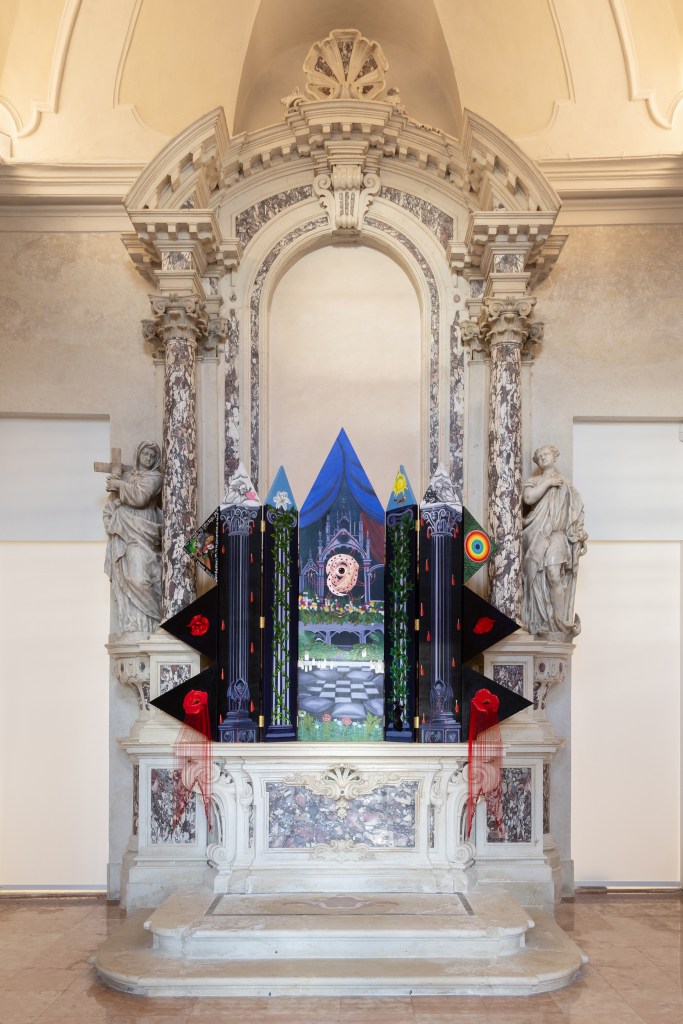
Why did you choose the former Chiesa delle Dimesse as the place to host your collection? What kind of dialogue did you want to establish between this historic space and contemporary art?
We chose this little church because, as I mentioned, the space literally captivated us. A small Baroque chapel, beautiful from an architectural point of view, rich in precious decorations, a deconsecrated place that once housed sacred art ‒ an ideal space to open its doors to contemporary art. The rooms adjacent to the church also seemed suitable for creating a white-cube space. For us, the chapel and surrounding spaces were perfect for hosting solo exhibitions of young artists as well as group exhibitions featuring works from the collection and those donated to the foundation.
What kind of role did you envision for the foundation within the contemporary art scene: a space for research, dialogue, or education?
For us, the foundation plays a role in promoting contemporary art, especially young artists ‒ a way to create it and make it known in our provincial territory. We hope that over time it will become a point of reference in the international contemporary art scene, particularly in terms of research.
THE ACTIVITIES AND GOALS OF THE BONOLLO FOUNDATION
How do you manage the relationship with contemporary and emerging artists promoted by the foundation through its exhibition program?
We try to choose artists who we consider “worthy”, artists who are not yet well-known or have not been exhibited in Italy. We always invite the selected artist to visit the foundation’s spaces before the exhibition, to do a walkthrough. The little church can be a challenging space for some artists. The artists we have invited so far have conceived and produced site-specific works, particularly those displayed on the altar. They stay with us for a few days, and we usually visit art cities or art sites that interest them. They return for the installation and the exhibition opening and stay with us for several more days, often as our guests at home.
How do you collaborate with the curators who organize exhibitions in your spaces? And how do you balance your personal vision with that of external professionals?
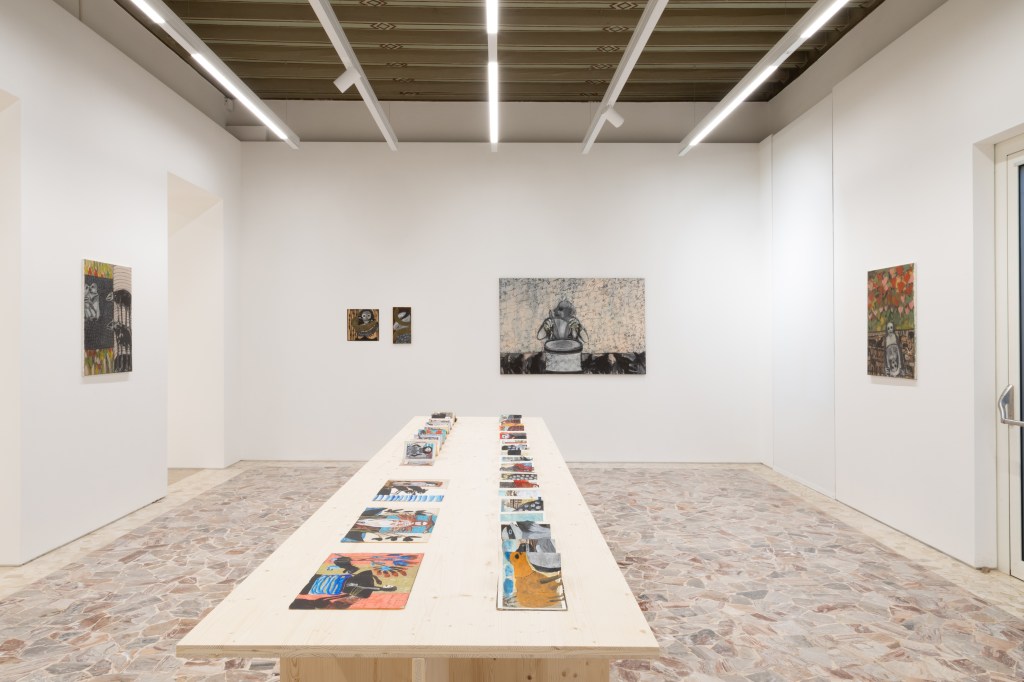
We collaborate with curators quite easily; usually, the artists communicate with them. We have a good relationship with Chiara Nuzzi, who curates the group exhibitions with works from our collection. We give her free rein. We, on the other hand, choose the artists and the foundation’s program.
From your point of view, does collecting have similarities with curatorial work?
No, it doesn’t seem so to us.
As collectors who have established a foundation, what do you believe is your responsibility on a cultural level and toward the public?
Our responsibility lies in doing our best to culturally promote the foundation’s activities, always hoping to engage the interest of visitors. So far, we are pleased with the relationship we have with the public, especially those from the local area, but also with people working in the art field. When we organize guided tours of the current exhibitions with our cultural mediator, we always have a great number of participants. This brings us great satisfaction.
How would you describe the state of collecting today, especially in Italy?
Giancarlo Bonollo: It is very different from when I first started collecting. There are many aspects to consider, and the discussion would be long. Perhaps in the past I saw a true passion for art in collectors; now I see that, during fairs, exhibitions, and events, everything has become an “event”, both in Italy and abroad.
What kind of relationship do you think collecting should have with Italian public institutions?
Giancarlo Bonollo: Collecting should have an open and collaborative relationship with public institutions. I believe it is often the public institutions that are reluctant to engage with collectors, usually for bureaucratic reasons or lack of interest. From our side, I must say that we have been, so to speak, fortunate, because with the municipal administration of Thiene we have had ‒ and still have ‒ a good collaborative relationship.
Valeria Eneide
The Sandra and Giancarlo Bonollo Foundation for Contemporary Art
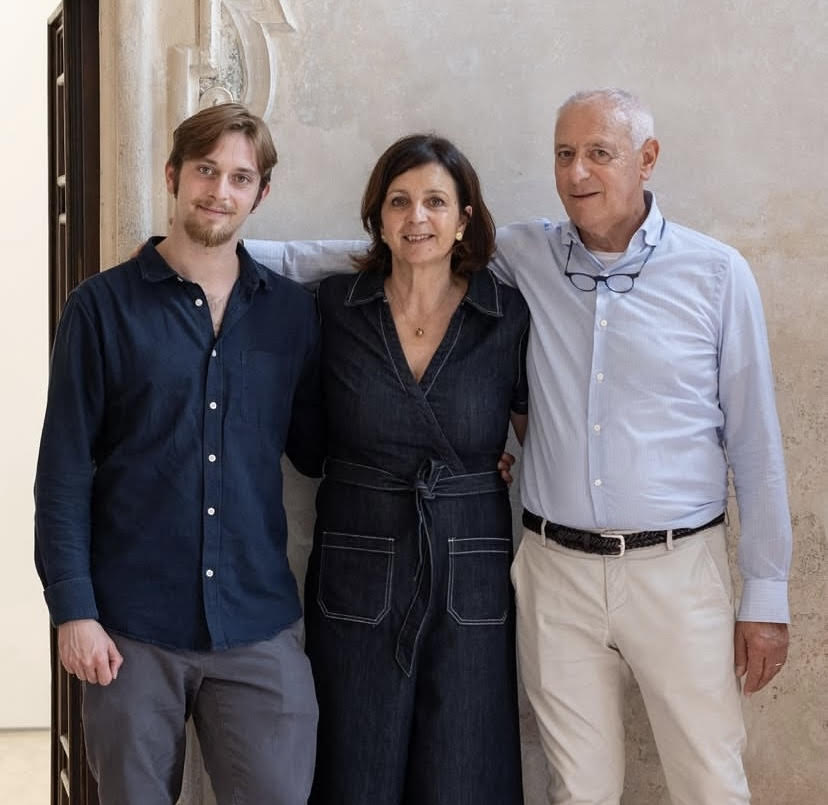
Bonollo family 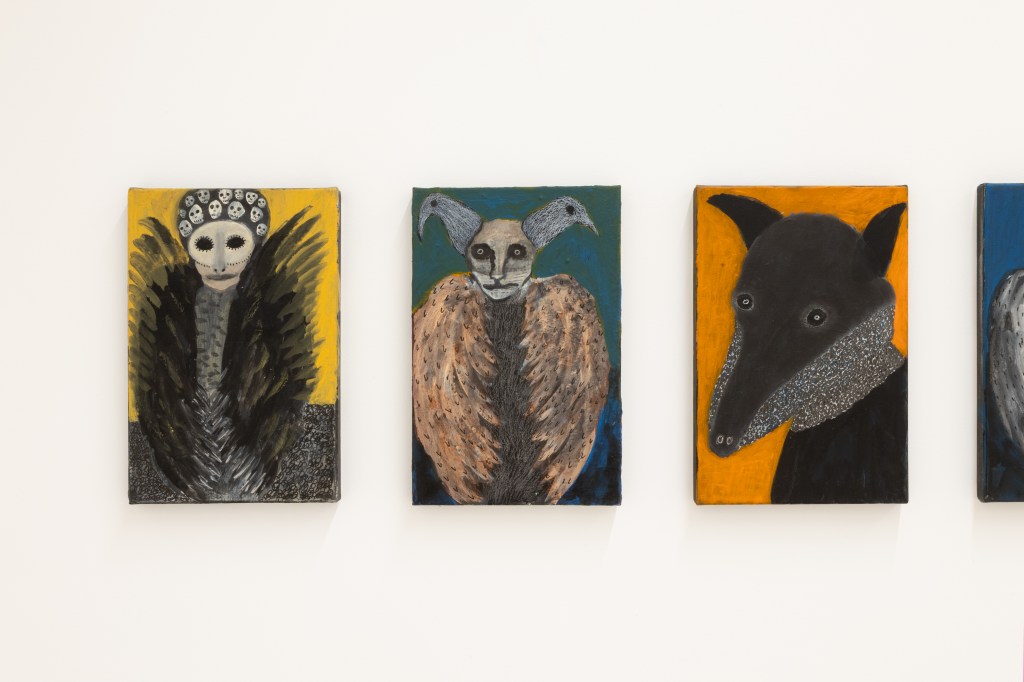
Annette Barcelo. Melamptha, installation view, Fondazione Bonollo, Thiene 2026. Photo Giovanni Canova 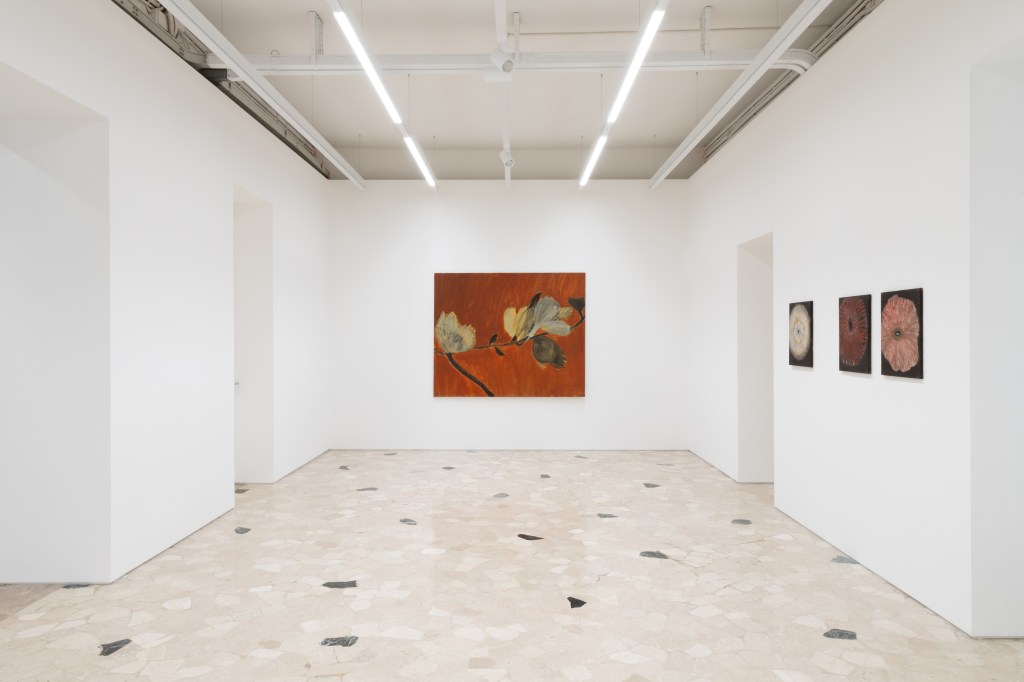
Annette Barcelo. Melamptha, installation view, Fondazione Bonollo, Thiene 2026. Photo Giovanni Canova Frieda Toranzo Jaeger. Visioni, installation view, Fondazione Bonollo, Thiene 2026. Photo Giovanni Canova 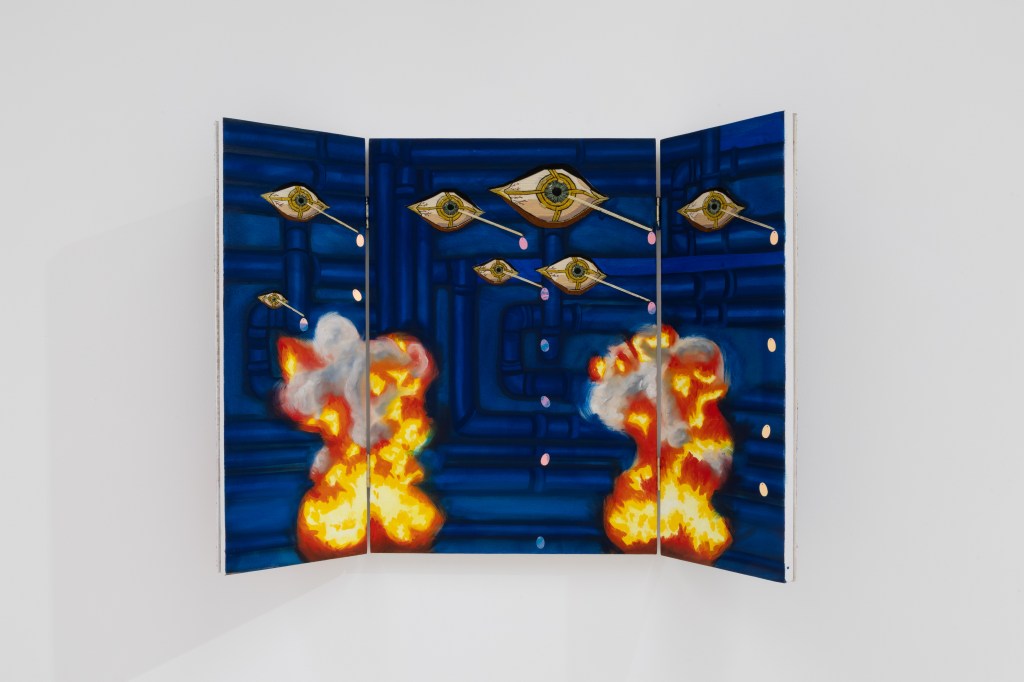
Frieda Toranzo Jaeger. Visioni, installation view, Fondazione Bonollo, Thiene 2026. Photo Giovanni Canova 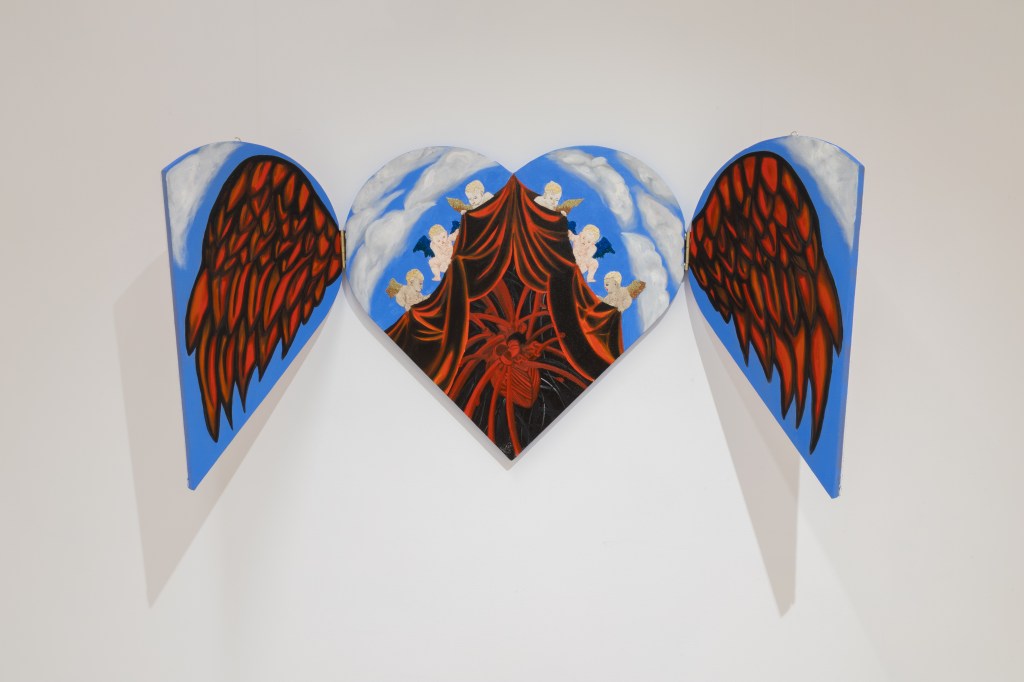
Frieda Toranzo Jaeger. Visioni, installation view, Fondazione Bonollo, Thiene 2026. Photo Giovanni Canova 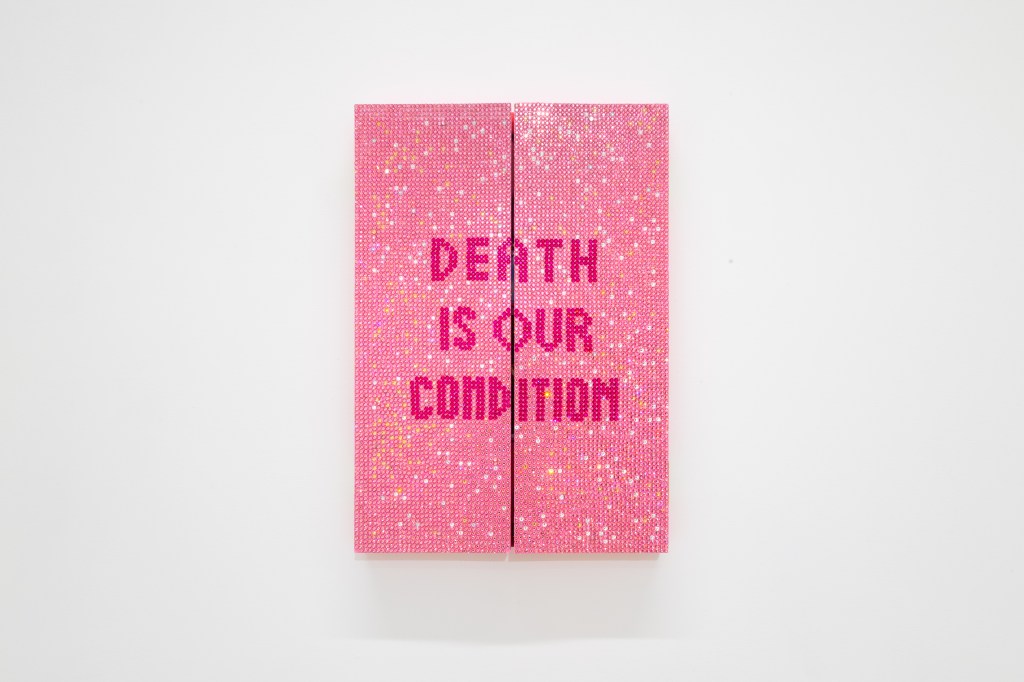
Frieda Toranzo Jaeger. Visioni, installation view, Fondazione Bonollo, Thiene 2026. Photo Giovanni Canova 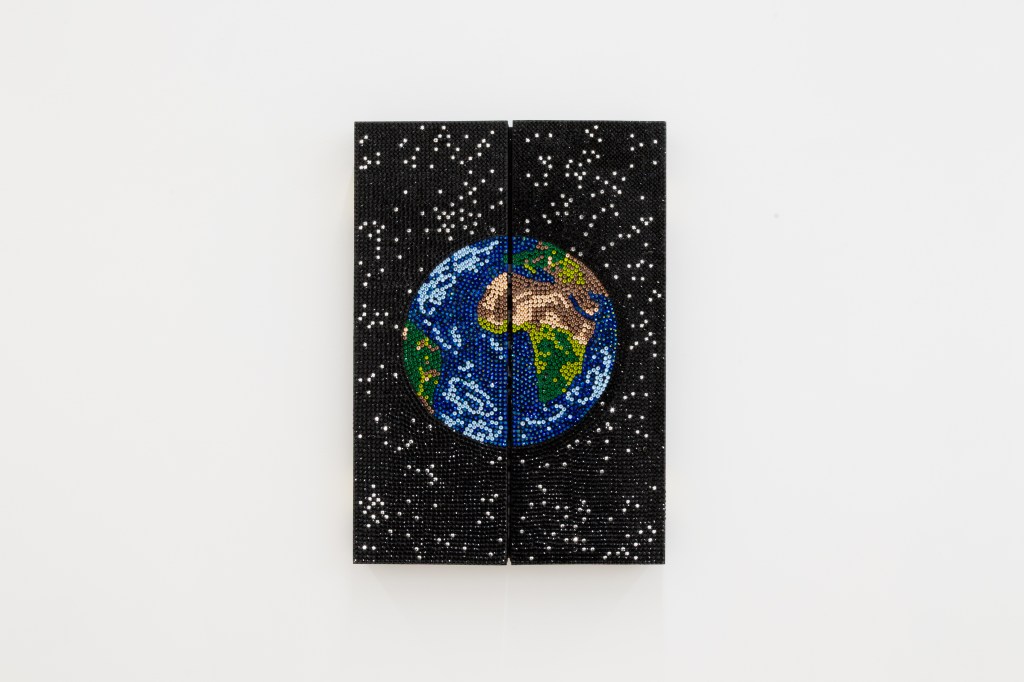
Frieda Toranzo Jaeger. Visioni, installation view, Fondazione Bonollo, Thiene 2026. Photo Giovanni Canova 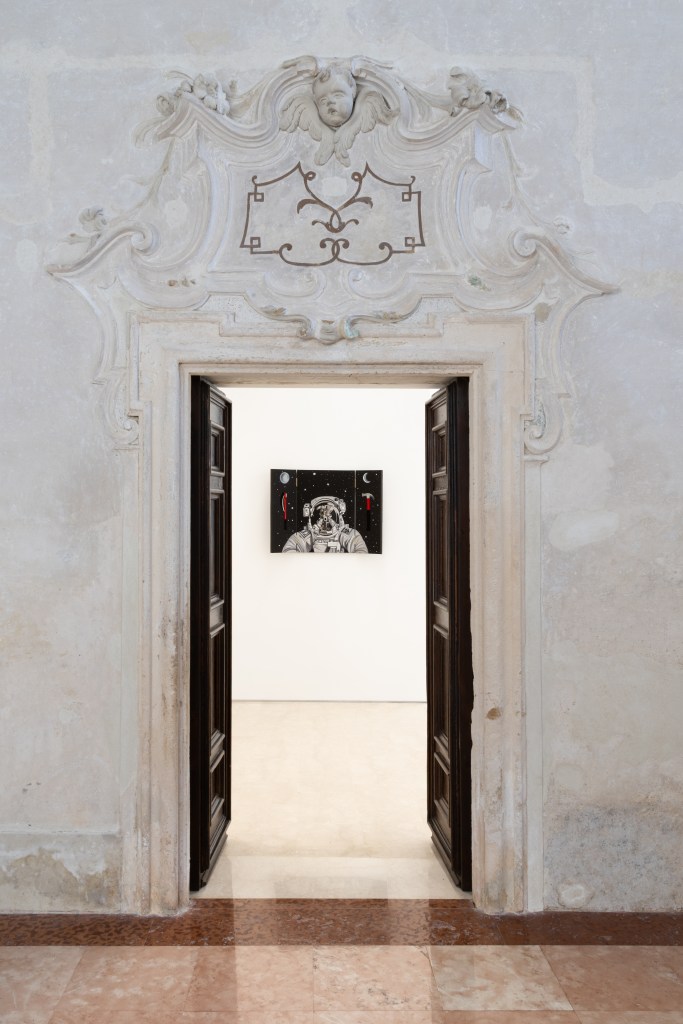
Frieda Toranzo Jaeger. Visioni, installation view, Fondazione Bonollo, Thiene 2026. Photo Giovanni Canova Annette Barcelo. Melamptha, installation view, Fondazione Bonollo, Thiene 2026. Photo Giovanni Canova 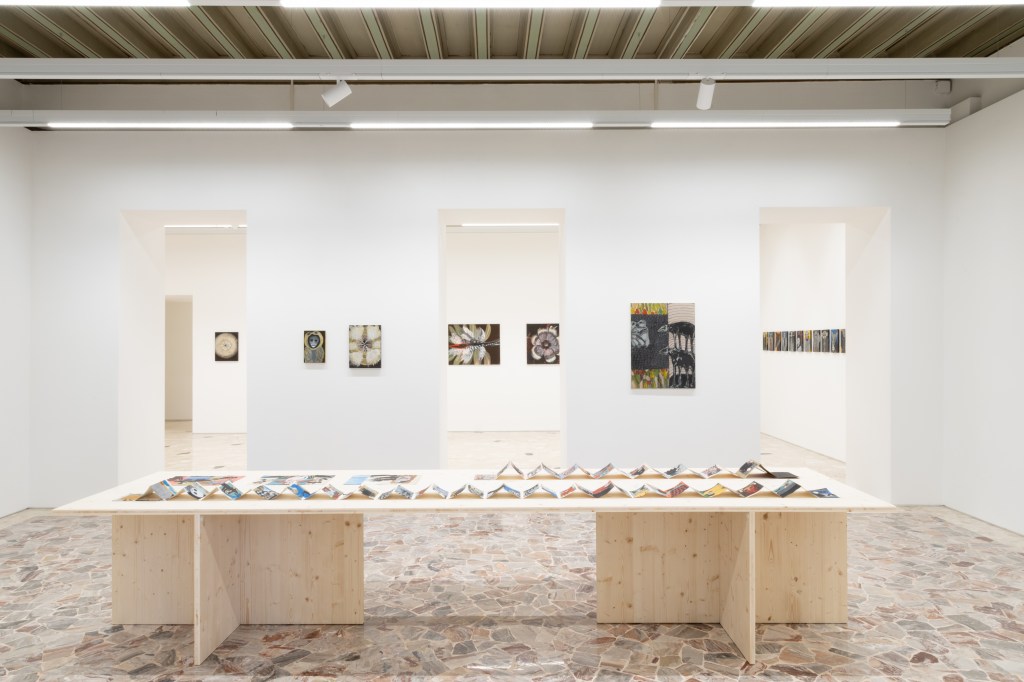
Annette Barcelo. Melamptha, installation view, Fondazione Bonollo, Thiene 2026. Photo Giovanni Canova 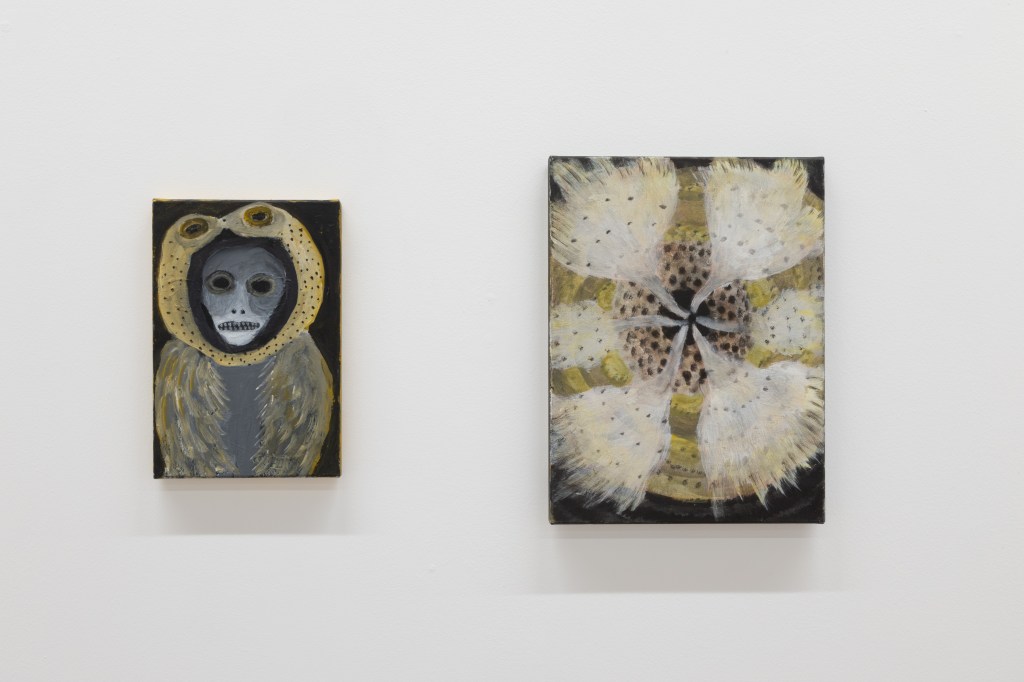
Annette Barcelo. Melamptha, installation view, Fondazione Bonollo, Thiene 2026. Photo Giovanni Canova 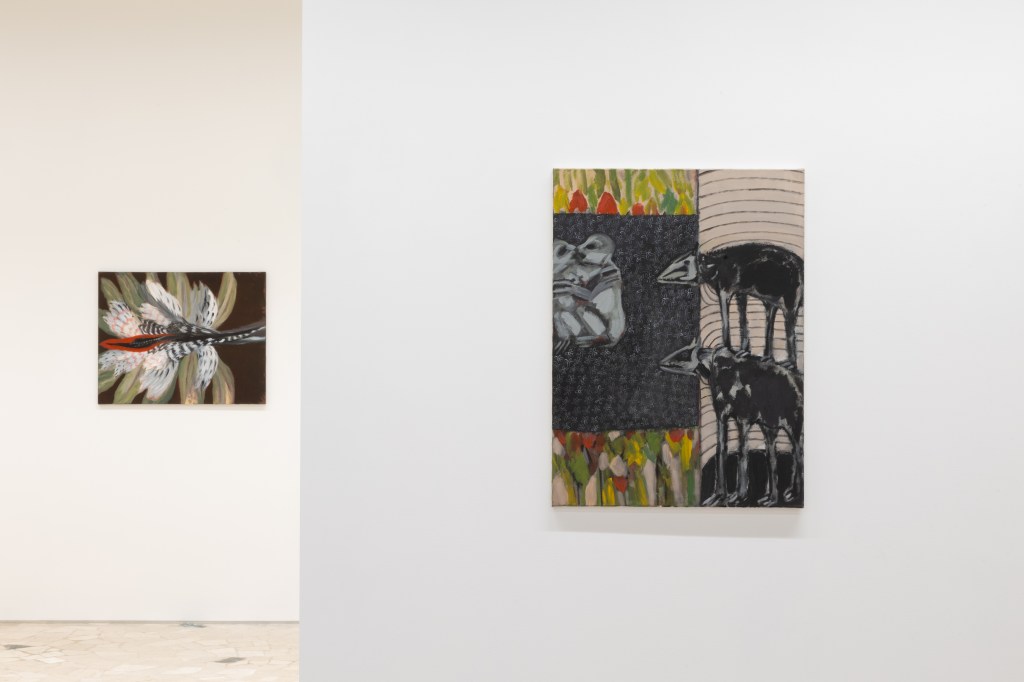
Annette Barcelo. Melamptha, installation view, Fondazione Bonollo, Thiene 2026. Photo Giovanni Canova
The text has been translated in English using AI
 c plus c