The Milan-based curator and consultant talks about her unconventional path, the quiet intelligence of listening, and why she trusts her instincts over everything else.
Eighteen years ago, Annalisa Rosso, born in Pavia in 1978, moved to Milan for what was meant to be a three-month project, a collaboration on Italy’s first digital design platform for Corriere della Sera. She never left. Today she occupies a distinctive space in contemporary design, one that defies easy categorisation and thrives in the gaps between disciplines. She’s the Editorial Director and Cultural Events Advisor at Salone del Mobile.Milano, and Director of the Euroluce International Lighting Forum. To top it all of, she is also the co-founder of Mr.Lawrence, a design and brand strategy consultancy firm she started with her husband, Francesco Mainardi.
With a background in literature and theory rather than formal design training, Rosso worked across theatre, contemporary art, literature, and photography, including a formative collaboration with architecture photographer Ernesta Caviola. She arrived in Milan by what she calls chance, and her approach has always been shaped by an insatiable curiosity and a commitment to creating a smorgasbord of ideas through carefully crafted interactions between people.
ANNALISA ROSSO’S APPROACH TO HER WORK
When asked what unites her roles as journalist, editor, curator, cultural director, and consultant, Rosso pauses. “I thought a lot about that. What is my specific character? What is the tool I bring from one sector to another? And it’s curiosity”.
But it is a particular kind of curiosity. “I like people. I like to understand how ideas move from one mind to another. The connection, the encounter, the clash between different people can give birth to something new”. She orchestrates these interactions with the precision of a chef de cuisine, mixing ingredients, stirring creative crossovers that lead to unexpected outcomes.
This philosophy runs through all her work, whether she is writing, editing, curating exhibitions such as the Library of Light by Es Devlin during Milan Design Week 2025, or running her strategic consultancy with her husband. In every role, she positions herself not at the centre, but as a facilitator.
“Even when I’m creating, I approach it with curiosity. I want to know more about the artist, the thinker, the other person”, she explains. “Everyone is interesting. I try not to place myself at the centre because it’s not about me; it’s about ideas. When I meet people who have something to share, I tell them: ‘You should meet this person, you should talk to this one’. Something usually happens. I’m happiest when I create connections, when I build bridges between people or situations that can bring something new”. An architect, indeed.

ARCHITECTURE, DESIGN AND COMMUNICATION ACCORDING TO ANNALISA ROSSO
In a saturated media landscape, how does she cut through the noise? “This is instinct”, she says. “I’m always looking for something that hasn’t already been said, designed, or thought”.
While her generation sometimes chants that novelty is dead, she disagrees. “We are living in an extraordinary moment. We are facing incredible things, there’s potential, but its terrifying and transformative all at once. And people, especially the new generation navigating this reality, are finding new paths, new ideas, new solutions every day”. For her, the claim that everything has been done is not just tired, it is absurd. “In fact,” she smiles, “nothing has been done”.
Her method of discovery is refreshingly analog. She talks to people. All kinds of people. Simple, yet tricky to do properly. She recalls advice from Paola Antonelli: “You have to look for what you are seeking in uncommon places. If you search only in the proper books, exhibitions, schools, it is hard to find anything truly new. It is too easy to get lost there”.
The hunt for newness starts where the art world stops, in bars, supermarkets, and whatever corner of the world someone is playing a song you have never heard before.
In a field often charted by careful planning and linear ambition, Rosso’s path moves more like a current than a map. She has learned to recognise when a project belongs to the past, even the recent past, and to pursue new urgencies instead.
“For me, it is so important to live in my own time. Times change fast. Sometimes I realise I have been working on something that felt relevant just yesterday, and suddenly there is a new urgency, a new way of doing things”.
That instinct to shift course has shaped her practice, though it was not always easy. “I was super scared in the beginning, and for a long time after. But you learn not to be scared because you always carry something with you: your values, your ideas, your past experiences. If you have something to say, you will keep going, no matter what”.
Her turning point came when her network became her community. “I have an amazing network of family and friends who are part of my daily work. The contributors, the collaborators, they became friends. Now working feels as natural as living”.
Her advice to those starting out is simple: do not rush to define yourself. “The most interesting space right now is the in-between, the intersections of design, architecture, film, communication, economy. That is where things feel alive. Reality itself is liquid”.
CURATORSHIP AND DESIGN CONSULTANCY
Perhaps most striking is her insistence that she is not a creative person, a claim that surprises anyone familiar with her curatorial or editorial work. For her, the distinction is precise and long-held.
“A creative person is someone, an artist, a writer, whoever, who has the urgency to create something new, to follow a vision. They need to do it. For an artist or designer, expression is a necessity. I love creative people so much that I am not one myself”.
Her drive is relational and reflective, not expressive. She is less interested in producing and more in contextualising, and facilitating. She shapes meaning rather than originates it.
She traces this awareness back to childhood. “I remember being a kid, and it was already clear. Some of my friends were creative, and I adored them. At school there was theatre ‒ I loved the kids performing, but I was not with them. I was around the corner, doing the scenography, taking notes, contributing but in an alternative way”.
Her thinking is different, she says. “Someone once told me I think in reverse. I always have the result in mind. Creative people think differently; they focus on what they are doing at the moment”.
This reversal is central to her curatorial approach. When she and Es Devlin collaborated on the Library of Light, they began with one structure but changed it completely through conversation. “We said no and changed everything. I try to stay open, to change my mind, to change position”.
The installation itself embraced openness, designed with empty spaces where visitors could add their own books and ideas. “There were kids playing because it was fun, and that is okay. Why not? I do not like to take everything for granted, or to be too serious. This is about daily life, so it belongs to the people”.
Flowing forward, her shift into design consultancy happened organically. Her husband had experience with brands, she brought her own mix of skills, and together they realised: “Our knowledge is technical, industrial, strategic, about research, content, new names, new markets. Put it together and you can offer brands a whole new vision”.
Their approach is unconventional. “First things first, we want to know everything about the people, the brand, sometimes what we find is totally unexpected”. Often the problem clients think they have is not the problem at all. “Sometimes they come asking for a product strategy, and we realise it is not about the product. It is the circumpherence, about market, positioning, perception”.
Timelines are tight. Two or three years maximum. “We do not do forever contracts. It is now. We have to show what is possible in two or three years, not ten”.
ANNALISA ROSSO, AI AND THE FUTURE
On AI, Rosso is curious rather than scared. “I am not against it, in the end AI is just a tool”. She nods to computer art from the 1970s but knows this is different. “We are facing a new revolution, it is tricky, but I am curious. I want to see what is next”.
AI is part of a larger turn towards imperfection. “It is a new tool, dangerous maybe, but for creativity it is just a tool. I will never ditch an amazing book for a decent text written with ChatGPT”. Her work is human, relational, and personal. AI can help sort archives or gather information, but it cannot replace what she does best: connecting people and ideas, thinking in her own way.
Still, she remains open. “Sometimes you stumble on a use for it that surprises you”.
What is next? Rosso stays open. “The best is yet to come. I am ready for new proposals, new adventures, new countries”. Lately she has been drawn to the East and Far East, travelling whenever she can. “I am discovering new things, at least for me, and I love talking to people who can open my mind”.
She is exploring collaborations in India, helping build bridges between Italian and Indian design. Building bridges, after all, is what she does best.
In a world that prizes certainty and self-promotion, Rosso works differently. Her model is curiosity, connection, and the courage to keep changing your mind. “Allow yourself to take unexpected paths. If it feels right, in the worst case you will learn something new, or you will learn what you do not want to do”.
For someone who does not call herself creative, she has built something undeniable: a practice that lives in the spaces between, one conversation at a time.
Noor Sharma
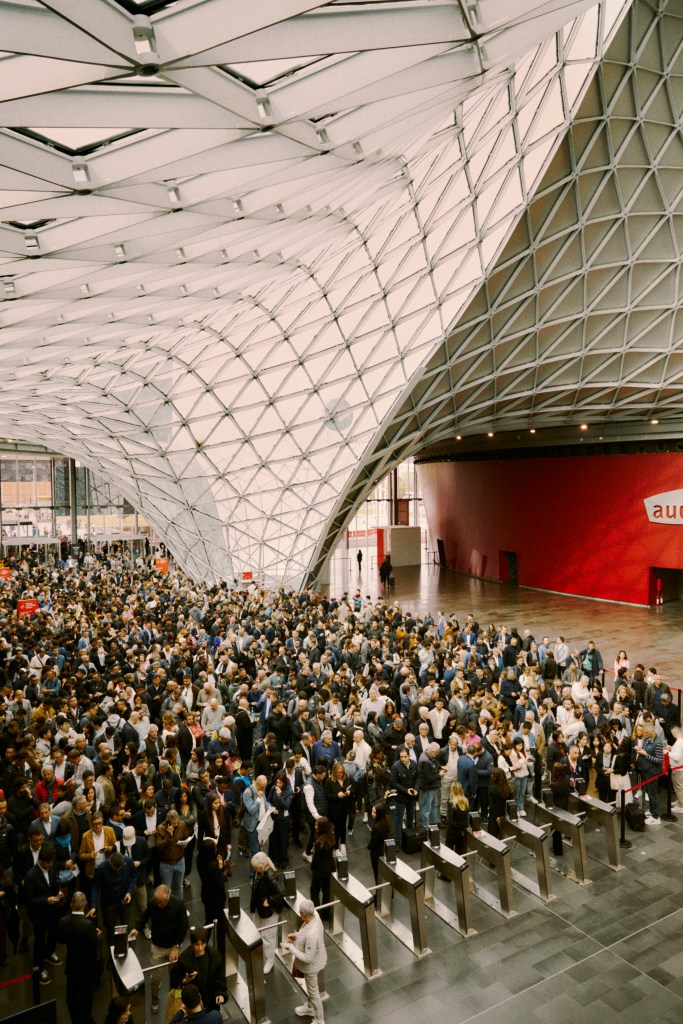
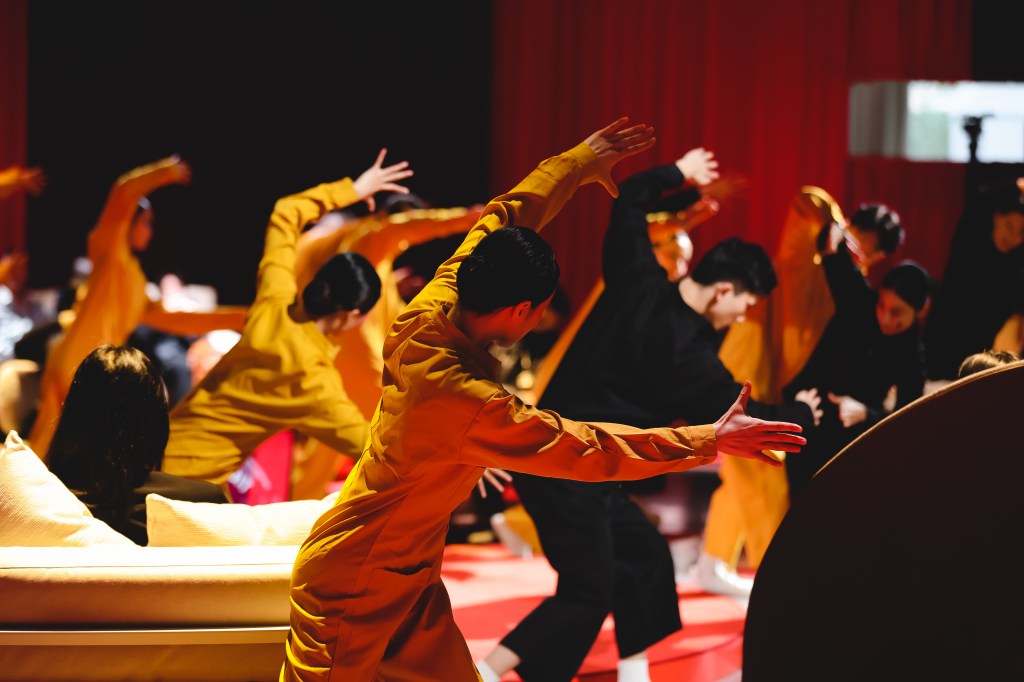
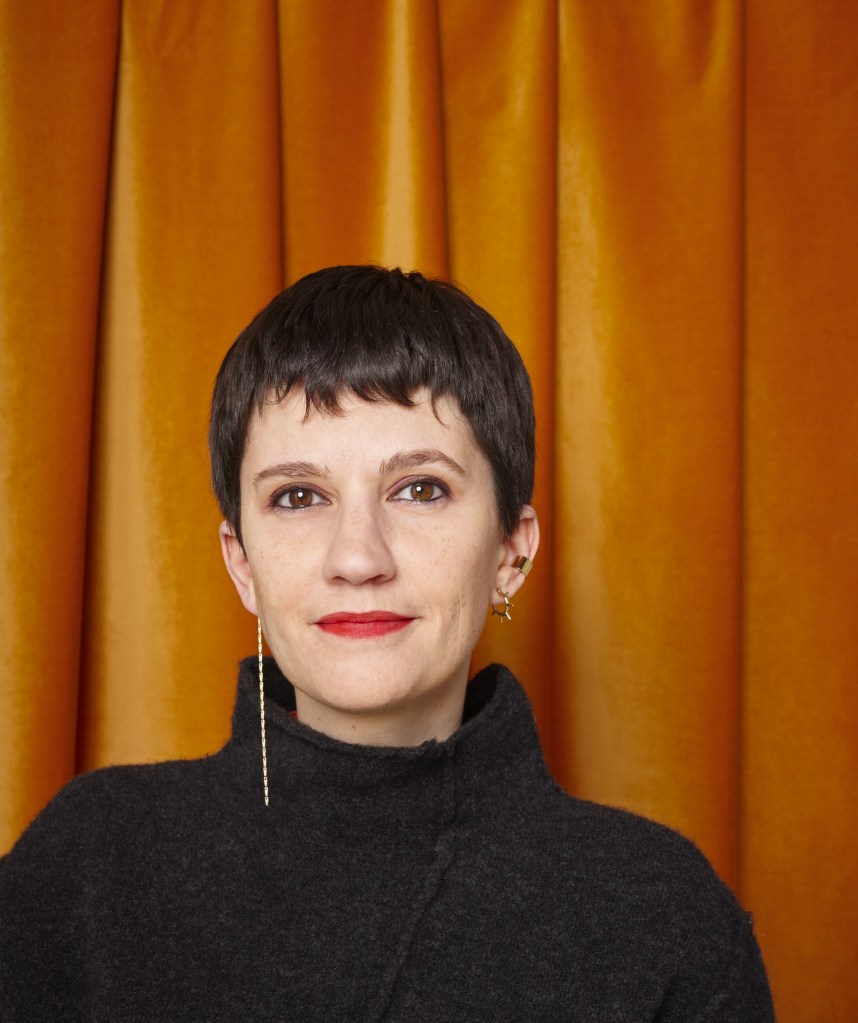
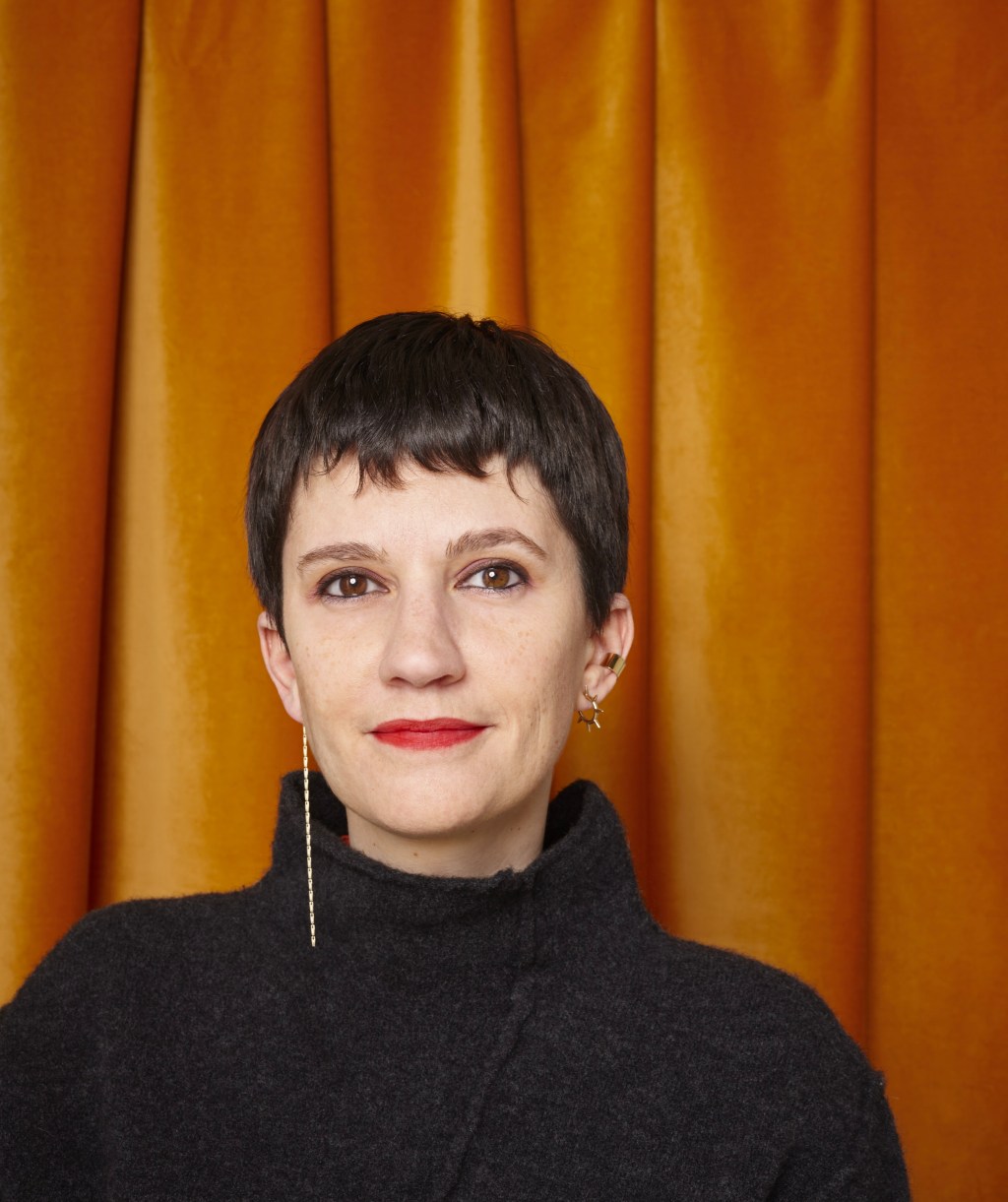
Salone del Mobile.Milano. Photo by Salone del Mobile.Milano The Orbit’s Orbit by Matilde Cassani at Westbund Art & Design Annalisa Rosso. Photo by Maria Vittoria Backhaus 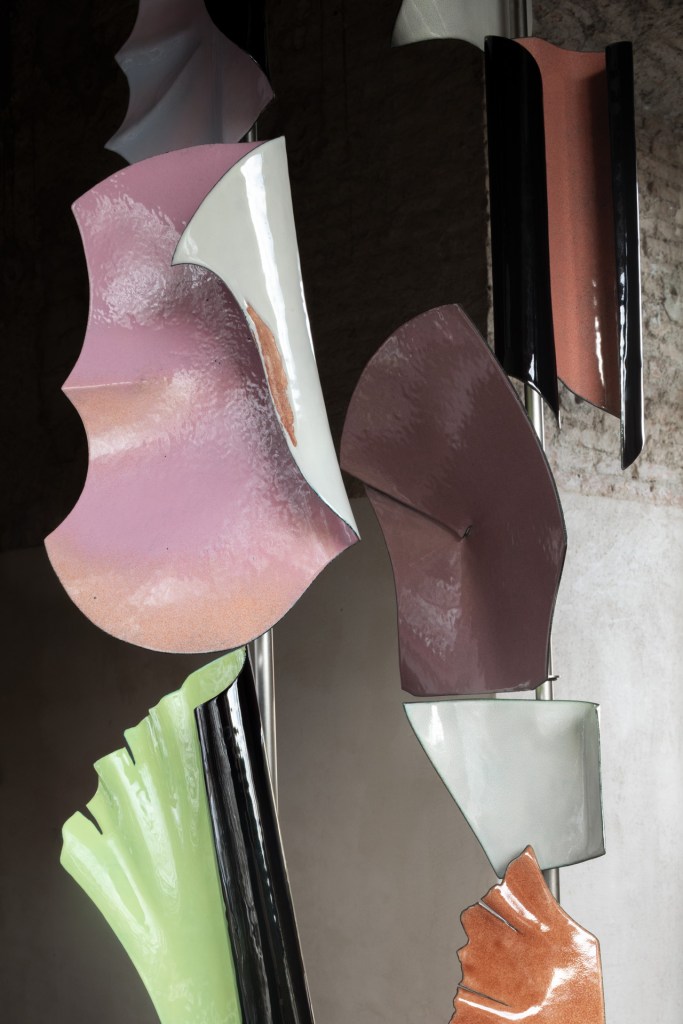
Valentina Cameranesi Sgroi for Incalmi. Photo by Eller Studio 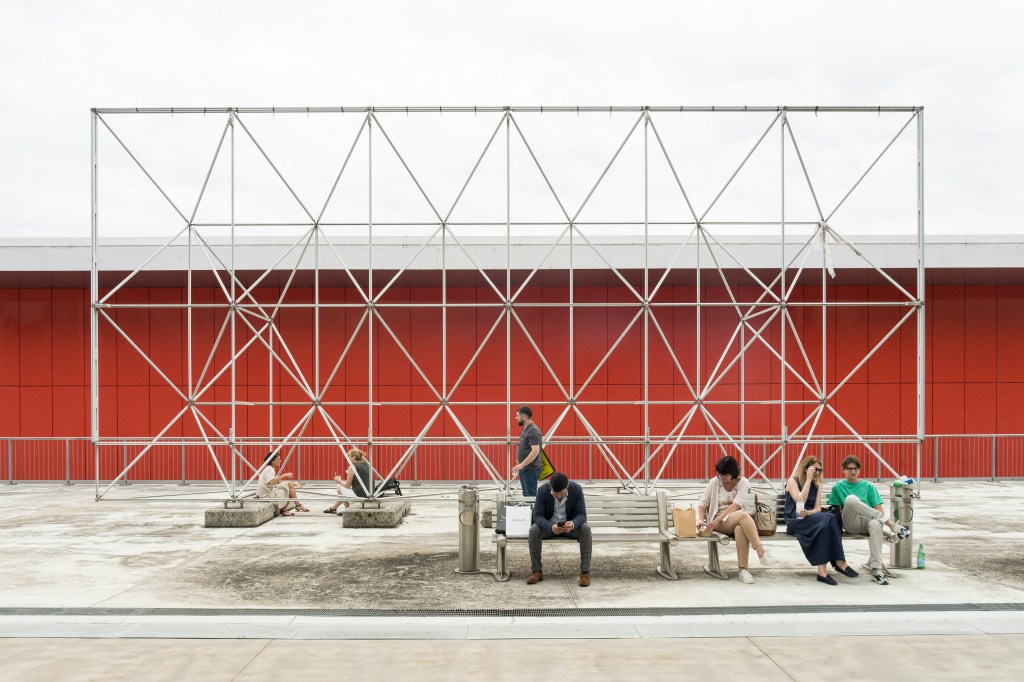
Salone del Mobile.Milano. Photo by Delfino Sisto Legnani 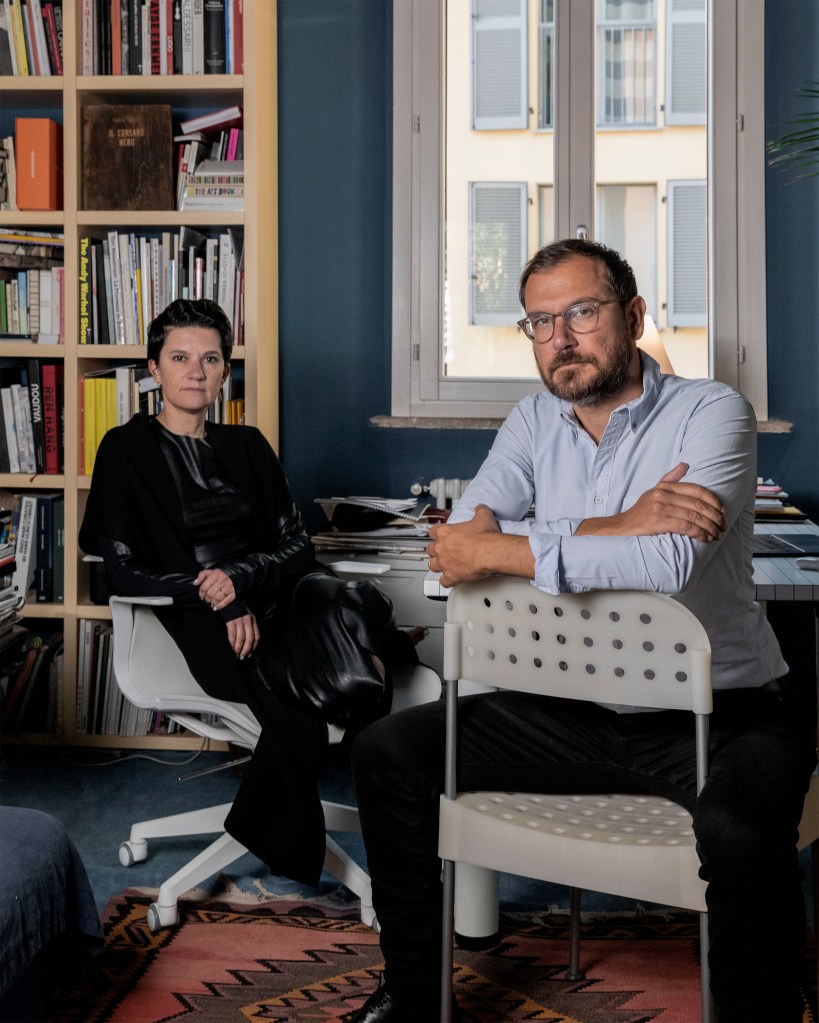
Annalisa Rosso and Francesco Mainardi. Photo by Alessandro Dipierro Library of Light by Es Devlin at Pinacoteca di Brera for Salone del Mobile.Milano. Photo by Monica Spezia 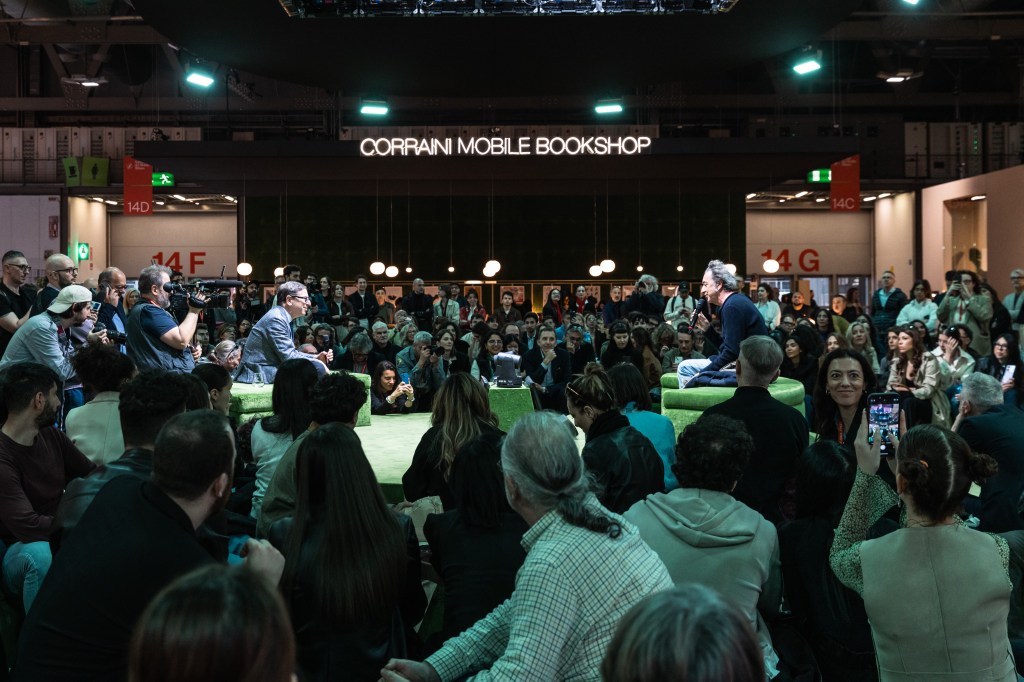
Salone del Mobile cultural program “Drafting Futures. Conversations about Next Perspectives” with Oscar-winning filmmaker Paolo Sorrentino and Antonio Monda. Photo by Giulia Copercini
 c plus c