Involving palaces, oil mills and farms, the festival transforms the Salento area into a curatorial device that encourages people to reflect on the relationship between food, image and sustainability. Open until 9 November, the event explores the paradox between abundance and scarcity through fourteen photographic projects in the exhibition “(N)ever Enough”.
On 25 September 2025, the fourth edition of the Yeast Photo Festival, entitled (N)ever Enough, was inaugurated. This international contemporary photography exhibition explores the relationship between food, territory and image. This year’s theme is the current paradox between consumerist abundance and scarcity of resources: while one part of the world allows itself the luxury of wasting food, another survives or suffers from hunger. Fourteen projects make up a visual atlas in which food is the starting point for investigating injustice, identity, technology and power. The solo exhibition by the great British photographer Martin Parr stands out, with over sixty images that irreverently describe the hypocrisies of consumer society.
The artistic direction is by Edda Fahrenhorst with Flavio&Frank and Veronica Nicolardi, while the guest curators are Jan von Holleben, curator of Martin Parr’s children’s exhibition Wow!, and Maria Ghetti and Nora Schianchi, winners of the festival’s first Open Call for Curators.
YEAST PHOTO FESTIVAL: THE CHALLENGE OF WIDESPREAD CURATORSHIP
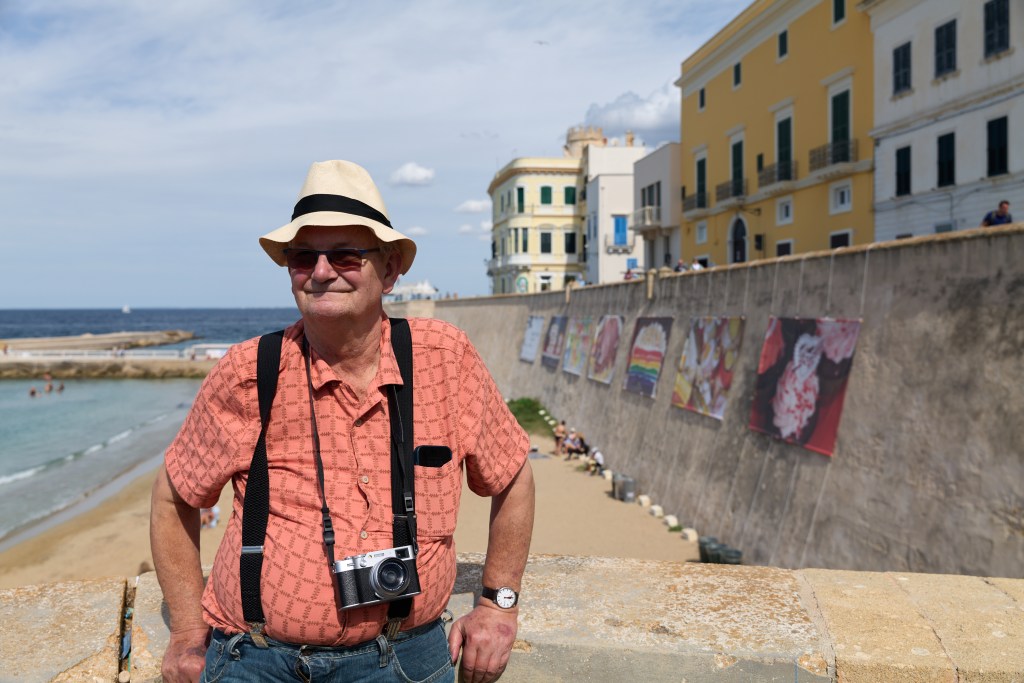
Founded in 2022 in the Salento village of Matino, the festival confirms and expands its widespread format, with a total of nine locations scattered throughout the area: Palazzo dei Marchesi del Tufo, Casa del Professore, Aranceto and Frantoio Ipogeo in Matino; Palazzo Scarciglia in Lecce; Masseria Le Stanzìe in Supersano; KORA Centro del Contemporaneo in Palazzo Baronale de Gualtieriis in Castrignano De’ Greci. These historic venues have been joined by Spiaggia della Purità, in the centre of Gallipoli, and the Pietro Cavoti Civic Museum in Galatina, a city that symbolises the historical, cultural and culinary heritage of Salento.
If curating a photographic exhibition is challenging due to the fragile nature of the medium, the saturation of images in visual culture and the conceptual ambiguity between testimony and interpretation, the difficulties increase precisely because of the widespread model of the festival: having multiple venues, some dozens of kilometres apart, risks fragmenting the meaning and creating disorientation among visitors. Furthermore, the chosen venues, both rural and historical, are not neutral containers; on the contrary, they have an aesthetic personality that must be taken into account.
In Italy, several national and international thematic photography festivals have chosen not to limit the exhibition to a single venue, but to spread it out. Examples include Foto/Industria, the biennial photography exhibition on industry and work promoted by the MAST Foundation in Bologna; Cortona On The Move in the province of Arezzo; PhEST in Monopoli, which explores the relationship between the Mediterranean Sea, identity and contemporary imagery; SI Fest in Savignano sul Rubicone and the Ragusa Foto Festival. In all these cases, despite the plurality of exhibition venues, the experience is limited to a single city or village, usually within walking distance in a small area.
THE ROLE OF EXHIBITION SPACES FOR YEAST PHOTO FESTIVAL
Yeast Photo Festival, on the other hand, adopts a widespread curatorial approach on a large scale: the venues are not concentrated in a single urban centre. Here, mobility becomes part of the project: the territory itself is the medium, and the physical distance between the venues is conceptually part of the experience. Visitors are forced to move around, to take the time to observe, to recognise connections, to create their own path. The Salento region itself is emblematic of the paradox between abundance and scarcity: it can be said to embody the tension of the theme (N)ever Enough. The visual richness of the landscape contrasts with the material fragility of the territory, which is suffering from desertification caused by Xylella, overtourism and depopulation. Culturally, too, Salento is suspended between tourist overexposure and a structural lack of institutions and resources for cultural production.
Even the venues chosen – oil mills, orange groves, palaces and museums – are material witnesses to the theme. On the one hand, agricultural spaces represent production, labour and the present: they are environments of transformation, places where matter changes state. Historic buildings, on the other hand, embody memory and symbolic power. Buildings “preserve”, oil mills “transform”: two fundamental functions also in curating, archiving and metabolising.
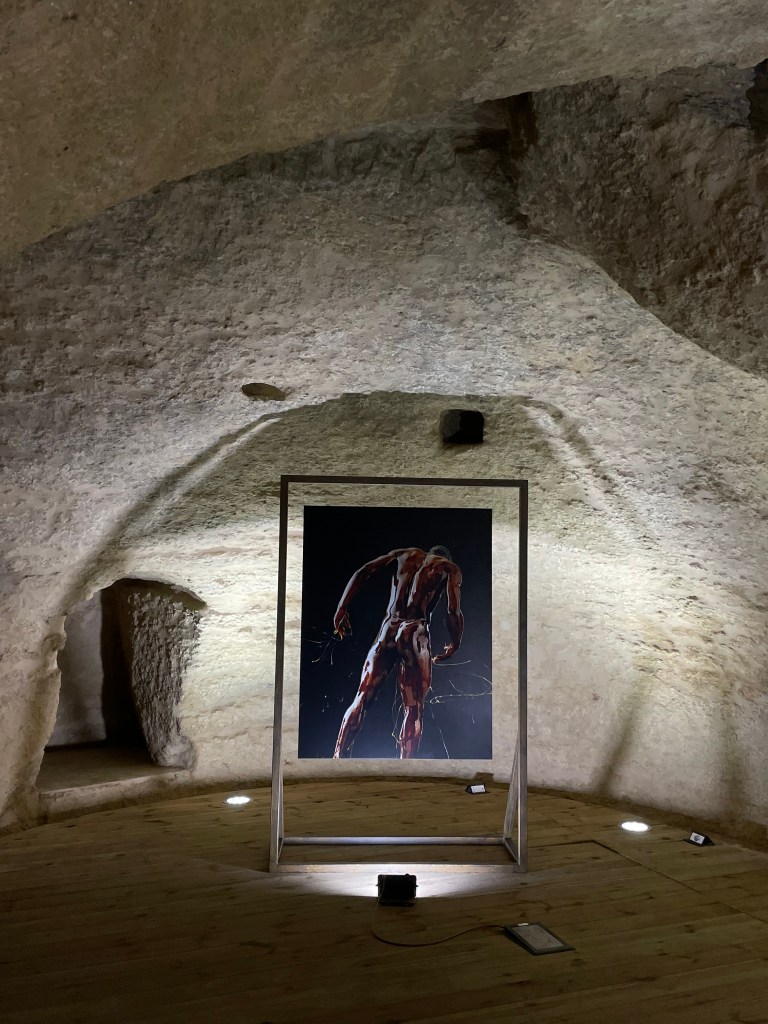
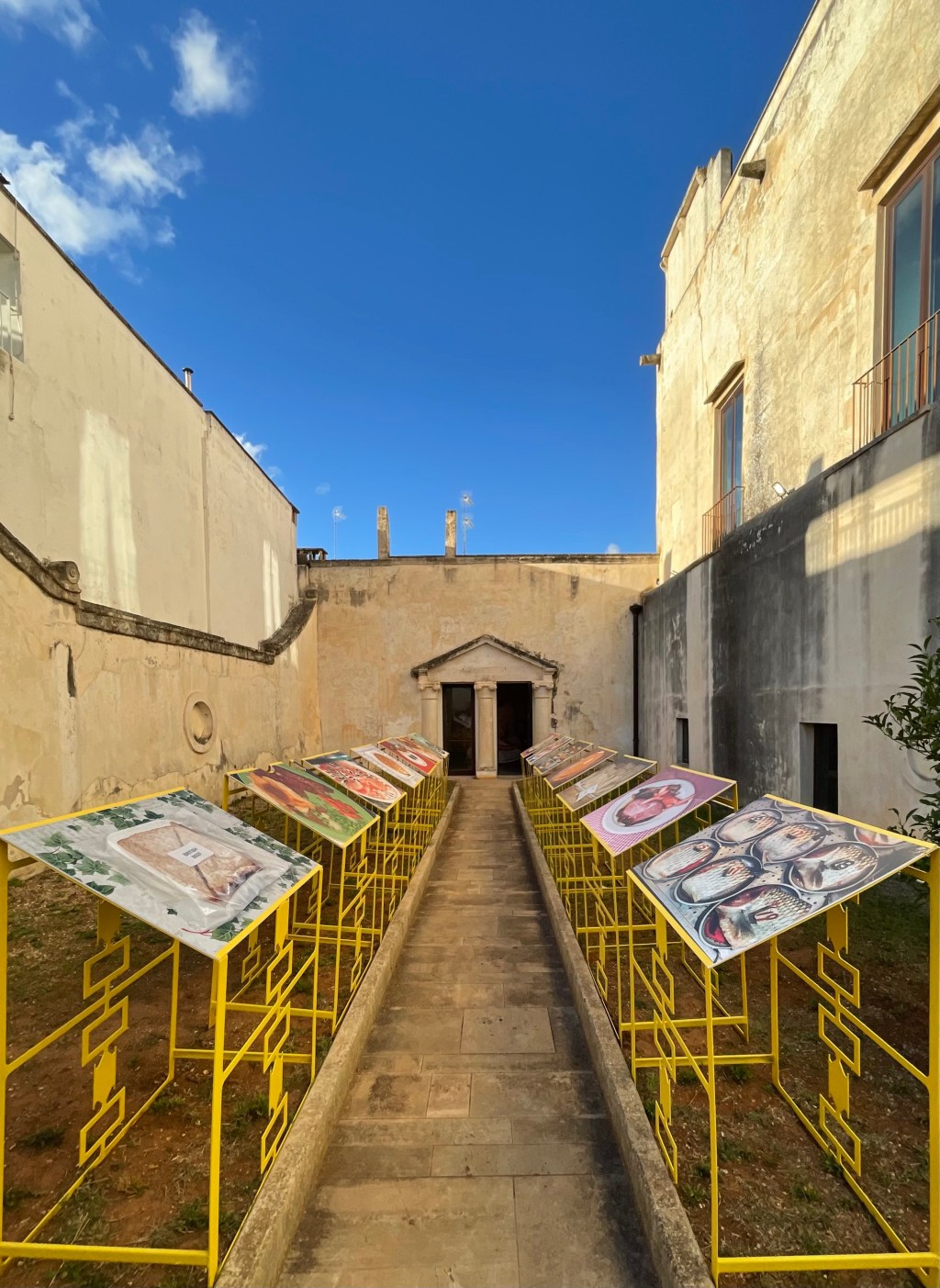
The works do not merely occupy these spaces, but interact with them through analogy or contrast. In the underground oil mill in Matino, for example, photographer Blake Little presents Preservation: a project in which the transience of the human body is juxtaposed with the eternity of honey. Naked bodies covered in this substance lose their individual character and resemble living sculptures. In contrast, the exhibition Snack It! by Martin Parr at Palazzo dei Marchesi del Tufo works by contrast, where images become icons, but pop icons of our time: fast food hamburgers, packets of crisps and famous fizzy drinks.
Yeast Photo Festival is making a name for itself on the photography festival scene thanks to its curatorial specificity and because it is inspired by values that are being rediscovered in society and contemporary art: on the one hand, the need to slow down and reclaim time; on the other, the overcoming of the sterility of the white cube in favour of a situated curatorship that serves not only to enhance the works on display, but also to reactivate the territory and the places that host them.
Alice Longo

Yeast Photo Festival, Martin Parr, Snack It!, exhibition view, Palazzo dei Marchesi del Tufo, Matino, 2025. Photo Alice Longo 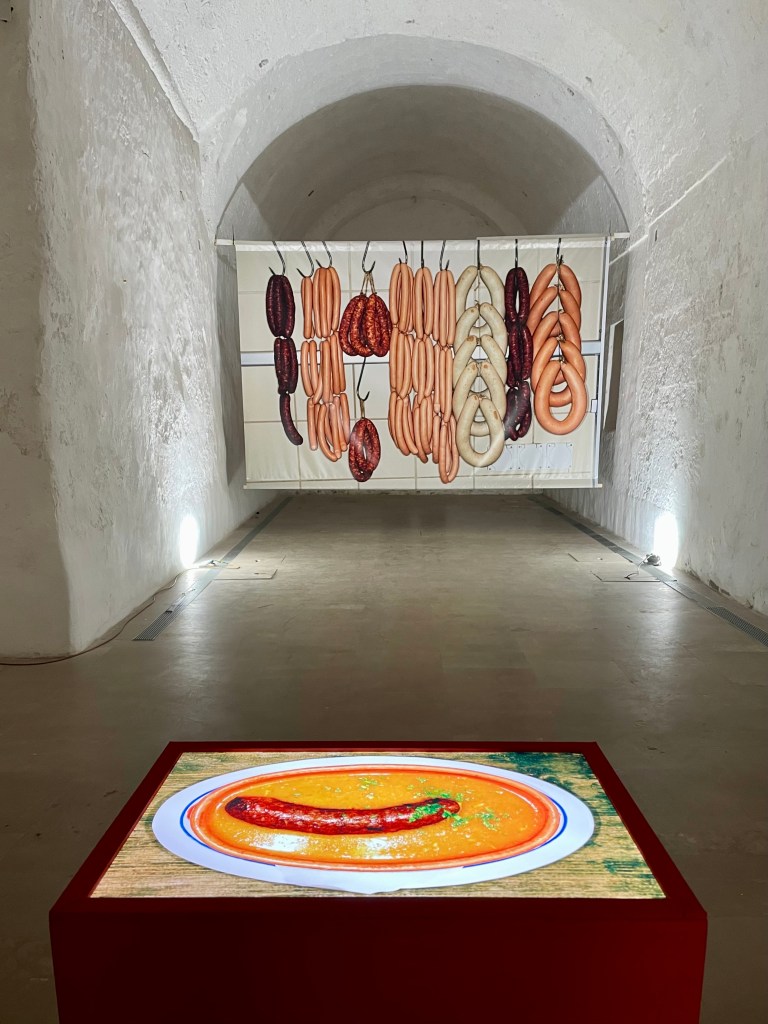
Yeast Photo Festival, Martin Parr, Snack It!, exhibition view, Palazzo dei Marchesi del Tufo, Matino, 2025. Photo Alice Longo Yeast Photo Festival, Blake Little, Preservation, exhibition view, Frantoio ipogeo, Matino, 2025. Photo Alice Longo 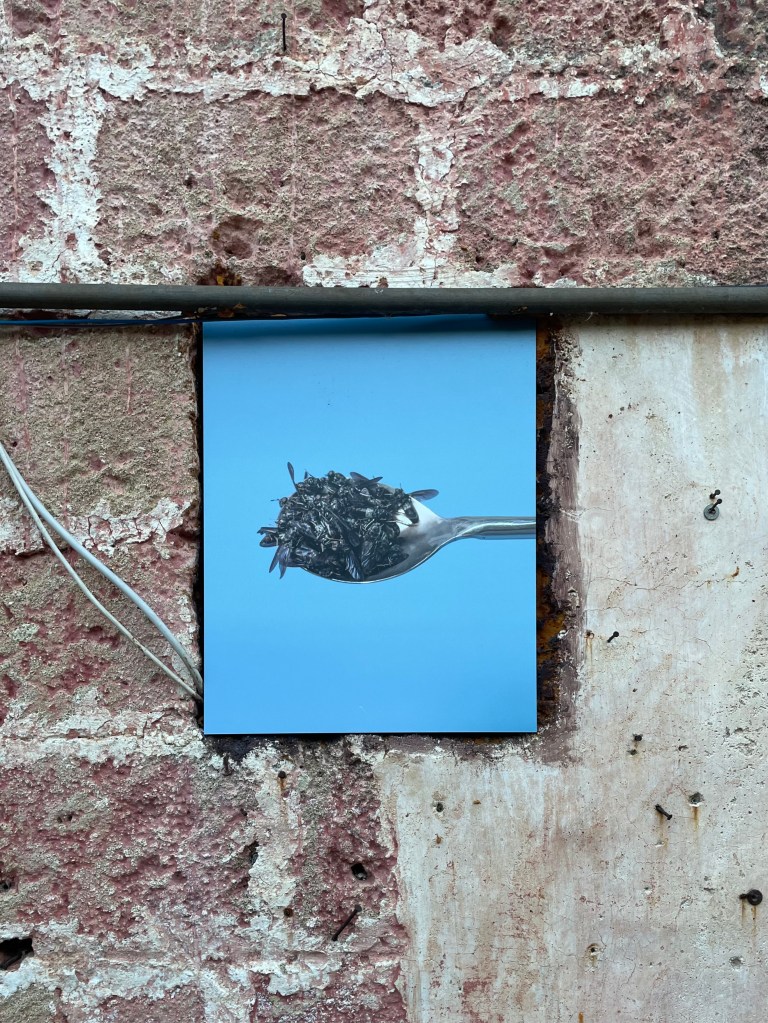
Yeast Photo Festival, Umberto Diecinove, I N S C T S, exhibition view, Aranceto, Matino, 2025. Photo Alice Longo 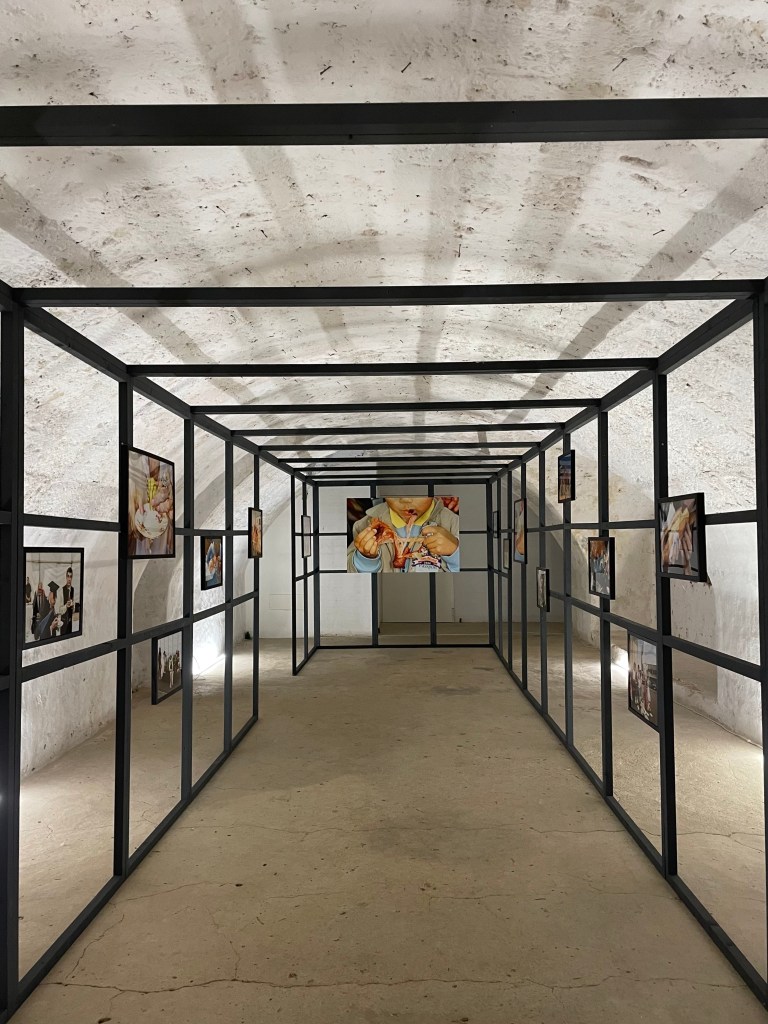
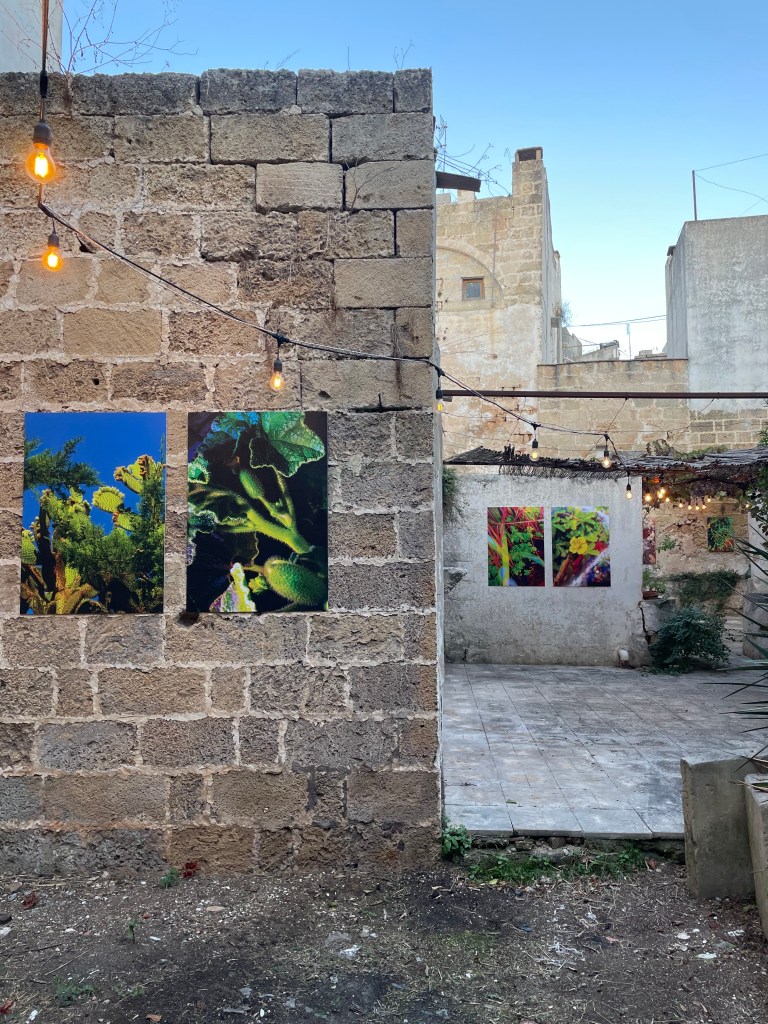
Yeast Photo Festival, Martin Parr, Snack It!, exhibition view, Palazzo dei Marchesi del Tufo, Matino, 2025. Photo Alice Longo Yeast Photo Festival, Sara Scanderebech, Green Resistance, exhibition view, Casa del Professore, Matino, 2025. Photo Alice Longo 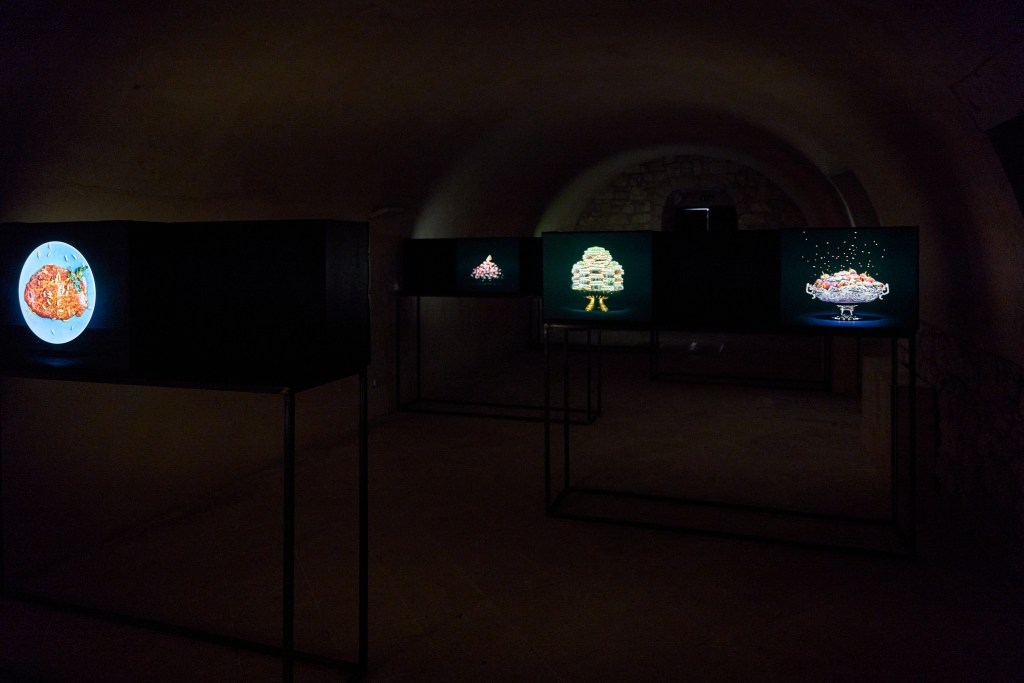
Yeast Photo Festival, Klaus Pichler, One Third, exhibition view, KORA Center, Castrignano de’ Greci, 2025. Photo Florian W. Mueller 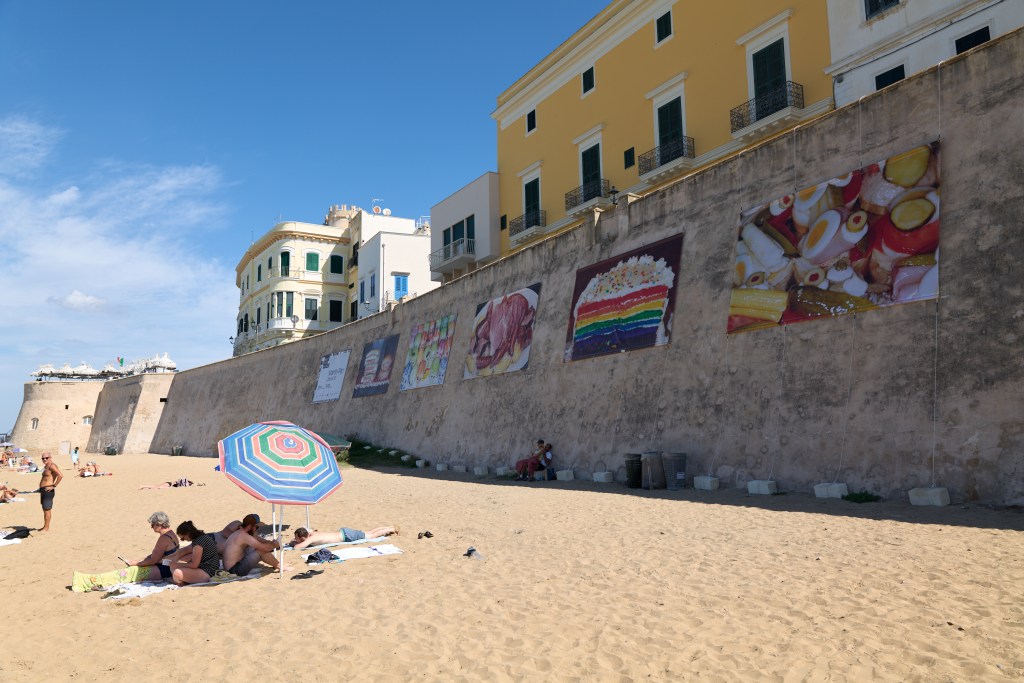
Yeast Photo Festival, Martin Parr, Snack It!, exhibition view, Spiaggia della Purità, Gallipoli, 2025. Photo Florian W. Mueller Yeast Photo Festival, Martin Parr, Snack It!, exhibition view, Spiaggia della Purità, Gallipoli, 2025. Photo Florian W. Mueller 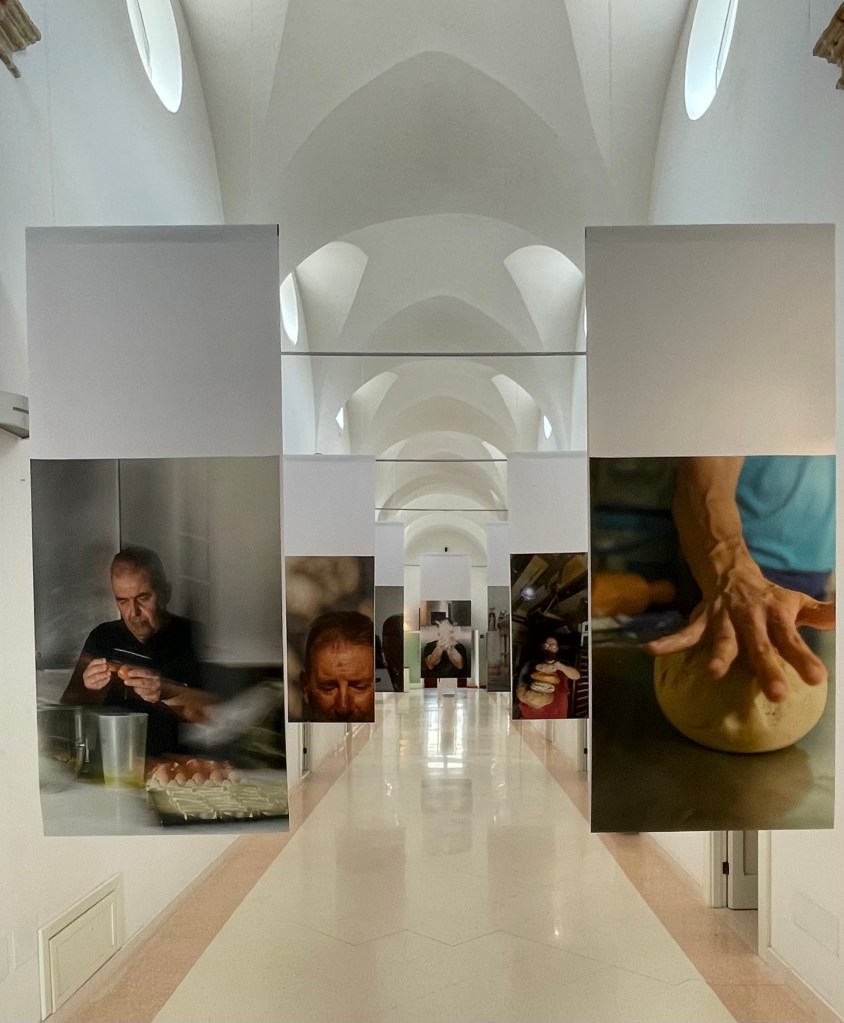
Yeast Photo Festival, Flavio&Frank, Buone Mani, exhibition view, Museo Civico Pietro Cavoti, Galatina, 2025. Photo Alice Longo
The text has been translated in English using AI
 c plus c