“Intelligence of Errors” – the project of the Croatian Pavilion at the Venice Architecture Biennale 2025 ‒ bold embrace of “error” as a creative and critical tool. The following conversation with its co-creator, architect and curator Ida Križaj Leko explores how error can be mobilized in collective work, curatorial practice, and architectural imagination.
Born in Croatia, Ida Križaj Leko works at the intersection of architecture and curatorial research. Her practice often navigates the overlaps between spatial design, critical imagination, and collective authorship. In Intelligence of Errors, she and her collaborators developed a research-driven, modular pavilion that investigates the presence of “spatial errors” in the Croatian context since 1991, proposing error not as failure but as a generative tool for rethinking spatial and social conditions.
THE INTERVIEW WITH IDA KRIŽAJ LEKO
The Croatian Pavilion was developed by a trans-disciplinary, non-hierarchical collective. What did working in this way open up ‒ or complicate ‒ in terms of curatorial thinking, authorship, and shared responsibility?
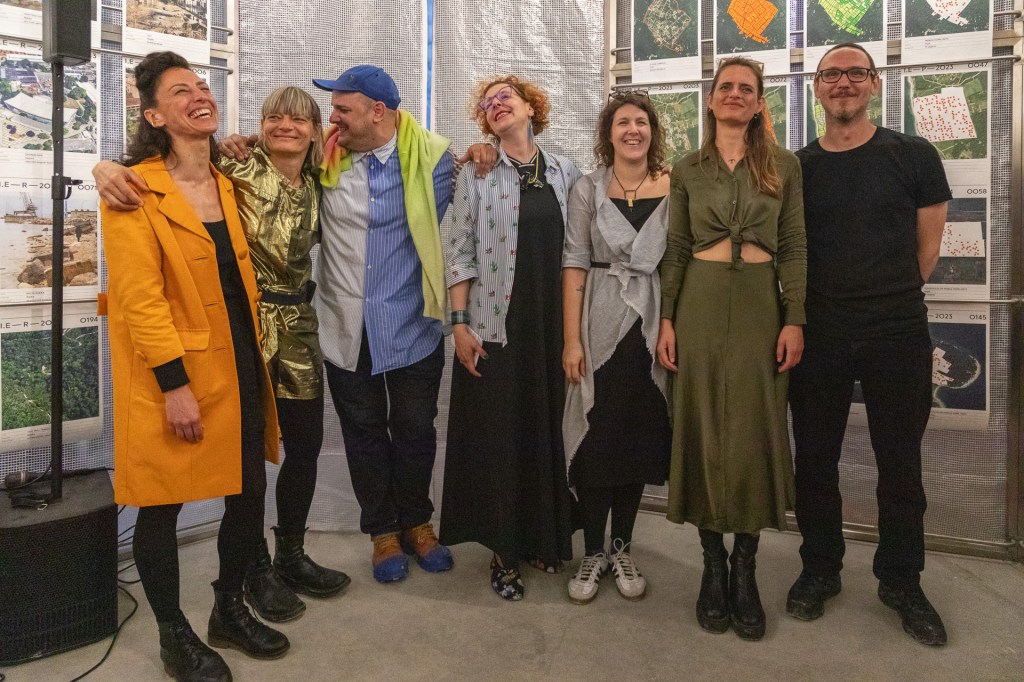
The team, alongside myself, consists of Ana Boljar, Jana Čulek, Marino Krstačić-Furić, Iva Peručić, Ana Tomić, and Marko-Luka Zubčić. Through working with each of them ‒sometimes more directly, sometimes less ‒ I had already touched on the theme of error or disruption. So this project didn’t start from zero; in fact, it was the perfect opportunity to bring all our work together in one place, fueled by collective energy.
At the same time, it was a long and difficult process ‒ personally, my first experience of this kind. The curatorial concept defined both the period we were addressing (since Croatia’s independence in 1991), and “spatial error” as a manifestation in space ‒ as subject ‒ and gave us the task of mobilizing error as a positive act, of putting it to use. We called the first phase of work “brainstorm”, a month-long process of offloading every idea related to spatial errors in Croatia, both individually and as a group, then shaping them, kneading them like dough. That was the most beautiful part of the collective effort.
During that phase, we agreed that the work would remain collective, with no division between researchers and designers, and everyone taking on every role. Of course, that also created challenges: decision-making, individual fixations, and an enormous ambition to show the full complexity within a limited space of just seventy square meters. Since the project had a strict timeframe, we had to weigh the depth of engagement with each segment carefully, without reducing things to the banal. And this is only the first translation of the project, which is evolving into a serious, multi-year investigation.
Fieldwork has taken the form of photographing the sheer number of errors, while the imaginariums act as a metaphorical method of “harvesting” errors through interactive, designed objects, each with clearly inscribed symbolism. In a project where we insisted ‒ down to the very last screw ‒ on shared decision-making and iterative questioning of everything, what emerged was a coherent pavilion with a bold concept, shaped by explicit symbols and impressions. The Repository of Errors, both digital and analog, is already being populated, and the project is now building itself further into long-term research and a network of errors.
One other crucial factor heightened the group’s dynamic. Working with errors inevitably meant confronting one’s own errors ‒ something we’re not always ready for at every stage of the process. I’d say it was a kind of psychodrama, but with a happy ending.
THE CROATIAN PAVILION AT THE VENICE ARCHITECTURE BIENNALE 2025
The pavilion’s design emerged from a research-driven curatorial process, learning from the educational exercise “Error Harvest”. Can you walk us through how this initial framework shaped the development of the project ‒ from research to design response to built form?
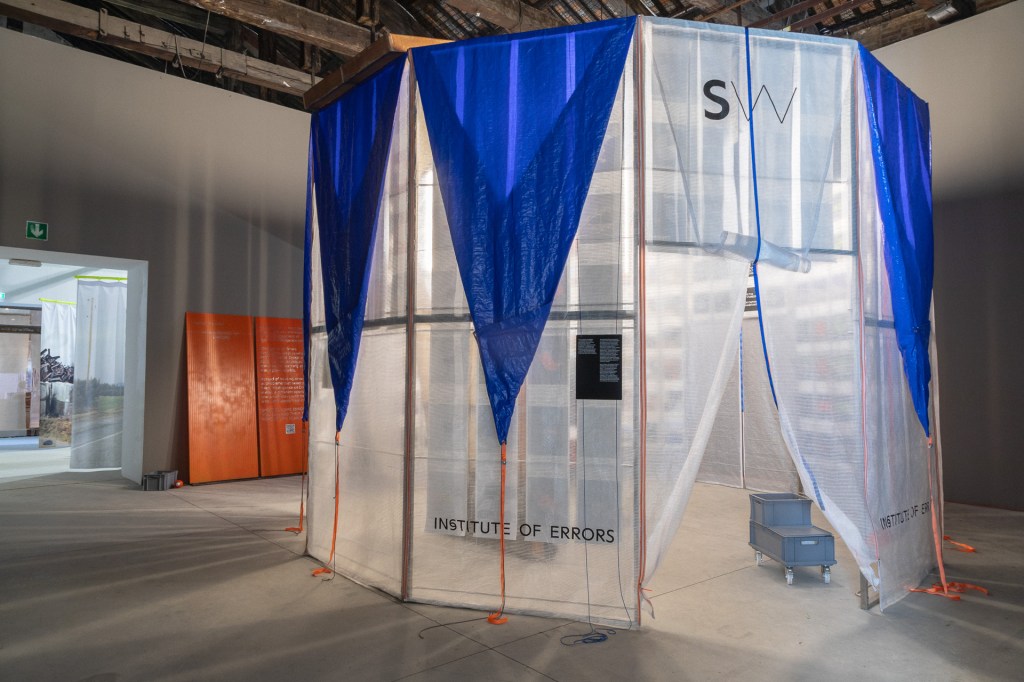
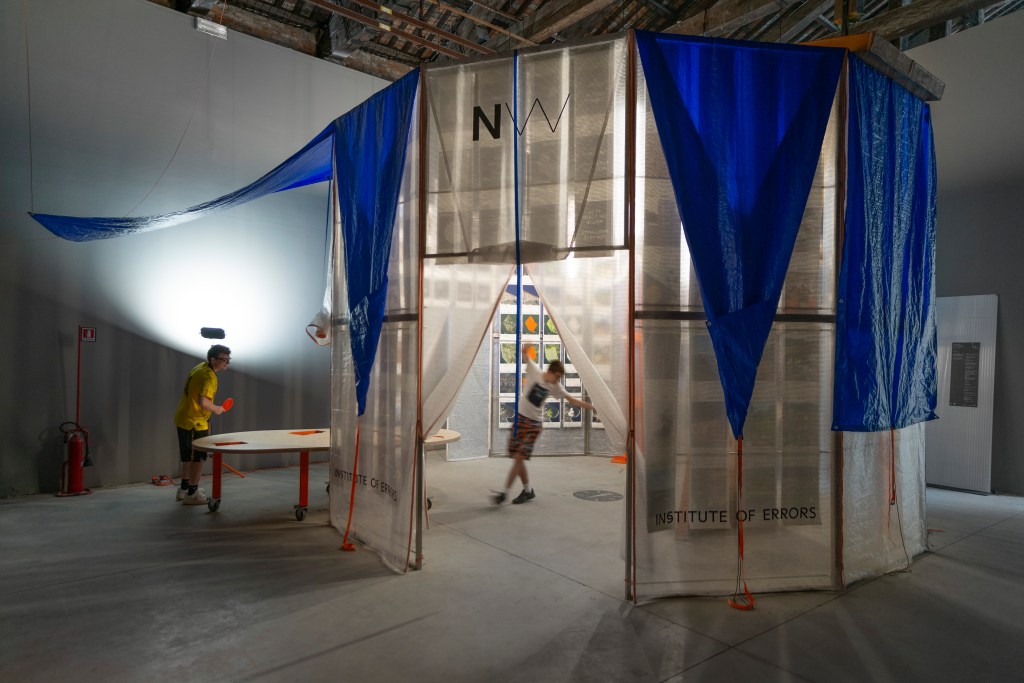
Another requirement set by this installation proved challenging: the design had to be modular, easily (dis)assembled, and portable. For that reason, the pavilion was conceived as a traveling pop-up pavilion, built from materials that can withstand different weather conditions and spatial contexts, with assembly that is not logistically demanding. The folding stainless-steel substructure, bolted together, is easily transportable, while the modular “raincoat” of tarpaulin connects with zippers and Velcro, adjusted with straps and cords following the logic of tent-like constructions.
The Repository consists of 48 paper rolls printed with spatial errors drawn from the local context, gathered partly through new fieldwork with photography, the study of digital aerial images, the reading of statistical and spatial data, and the analysis of laws and by-laws. The selection of case studies in the Repository relied heavily on existing scientific, artistic, and architectural projects from within our team.
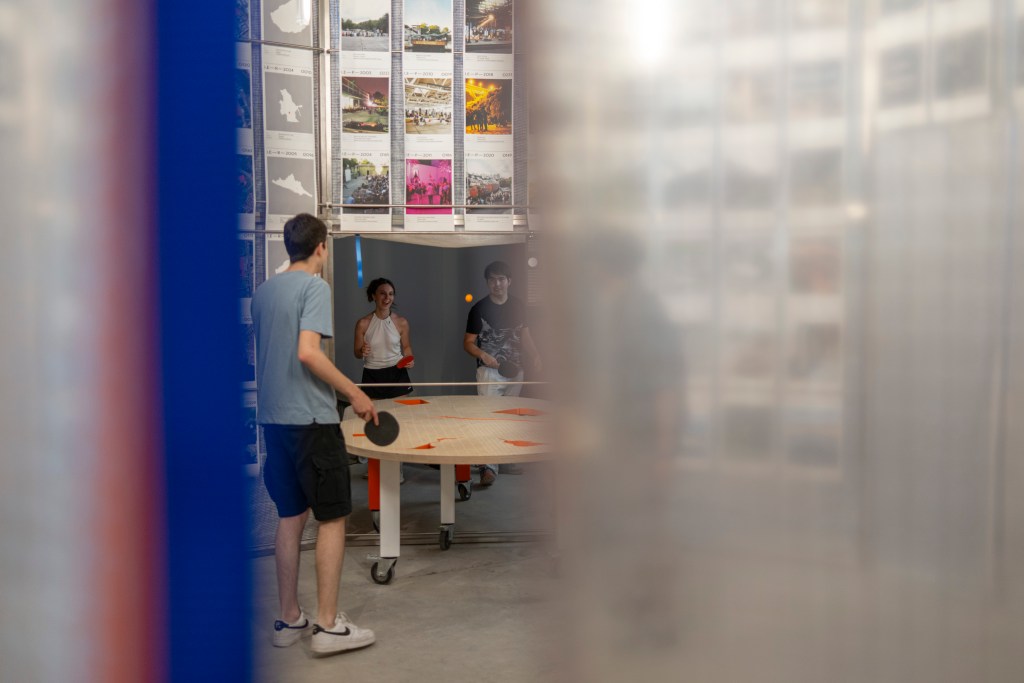
The impossible ping-pong table, a human-powered fan, and a fragment of a roof installation from the 2021 Venice Biennale were designed as interactive objects that illustrate our method of utilizing error to generate new and better worlds ‒ what we call “Error Harvest”. They are independent from the pavilion itself, and in some future iteration we could just as easily imagine creating other imaginariums in their place.
Deciding on the imaginariums for the Venice Biennale was, in fact, the hardest part of the process: how to represent the method in a way that would be understandable, or how to create an object that wasn’t simply a designed solution driven by problem-solving.
You’ve framed error as both a subject and a method. Could you also see “play” as part of this methodology? Can play be a form of critique in your work?
Play was always present in the process, although it came with tension. By insisting on collective authorship, we also insisted on questioning and re-questioning each decision. This opened up room for playfulness in method and form ‒ whether in designing the impossible ping-pong table or harvesting errors through interactive objects. At the same time, play was never a distraction; it was a way to critique systems of order by showing how instability or improvisation can generate knowledge. In that sense, play allowed us to say things that a traditional exhibition format would have constrained.
Croatian architecture has often navigated between systems of control and spaces of freedom. Does your pavilion comment on this historical balancing act ‒ and if so, how?
Yes, absolutely. By focusing on “spatial errors” since 1991, we were inevitably tracing the contradictions of a society still negotiating between regulation and freedom, order and improvisation. Many of the errors we documented are not merely mistakes, but traces of survival, adaptation, or even resistance. The pavilion, with its modular and provisional character, reflects this balancing act ‒ it is structured yet flexible, ordered yet open to disruption.
CURATORSHIP AND ARCHITECTURE
Your past work often engages with spatial storytelling and critical imagination. How does this project continue or challenge the trajectory you’ve been on as an architect and curator?
I see this project as a continuation but also as a turning point. In previous work, I often moved between architectural practice and speculative projects. Here, those two aspects merge more fully into a collective language. What challenged me most was learning to let go ‒ to allow the collective to shape the outcome, and to let error guide the process rather than resist it.
If a child walked into your pavilion, what do you hope they’d instinctively do? And if a philosopher walked in, what would you want them to question?
I would hope a child would immediately start playing ‒ pulling zippers, testing the impossible ping-pong table, feeling the textures. The pavilion is meant to invite interaction, to spark curiosity and mischief. For a philosopher, I would want them to ask deeper questions: What is the value of error in society? How can mistakes be productive rather than destructive? Can a system be designed to embrace rather than erase imperfection?
Ida, you work across the roles of architect and curator ‒ often at the same time. How did this dual lens shape your approach to the pavilion, and were there moments where these two ways of working came into tension or productive friction?
I can honestly say I’m not much of a curator. At my core I’m an architect, and in many situations my hand is quicker than my head. I tried hard to be as little of an architect as possible, while still offering the best of my design knowledge. Above all, I was more part of the team rather than someone standing apart from it. And now, with a bit of distance, that’s how I see our collective installation.
Gopika Kohli
https://www.labiennale.org/en/architecture/2025/croatia
https://intelligenceoferrors.com/
https://www.instagram.com/croatianpavilion2025/
Pavilion of Croatia at the 19th International Architecture Exhibition of La Biennale di Venezia, 2025. Photo Doris Fatur and Hrvoje Franjić 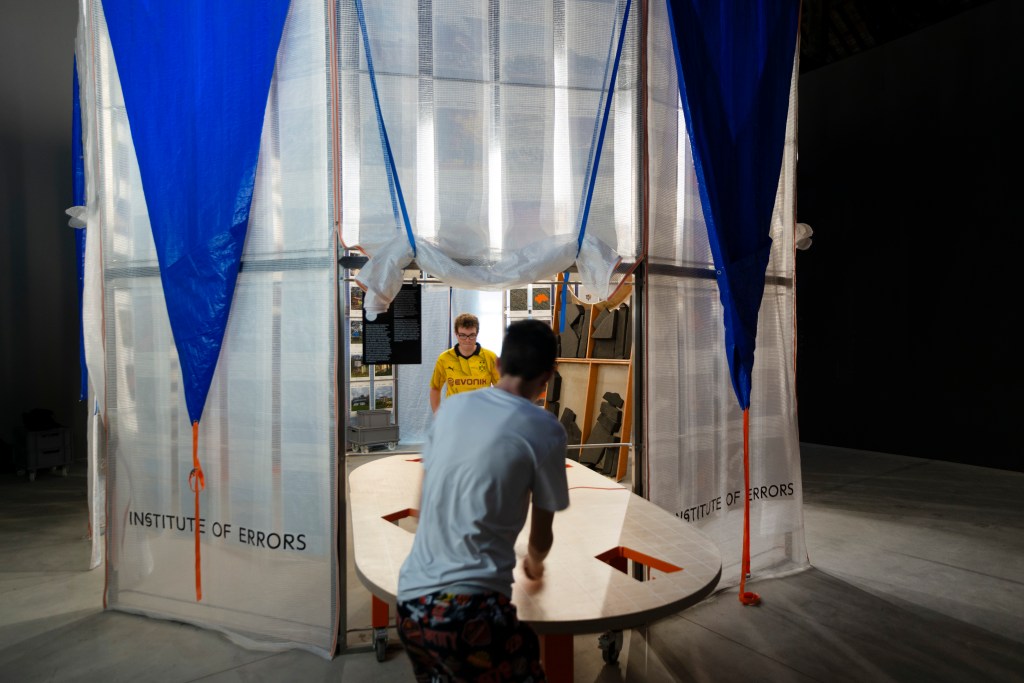
Pavilion of Croatia at the 19th International Architecture Exhibition of La Biennale di Venezia, 2025. Photo Doris Fatur and Hrvoje Franjić 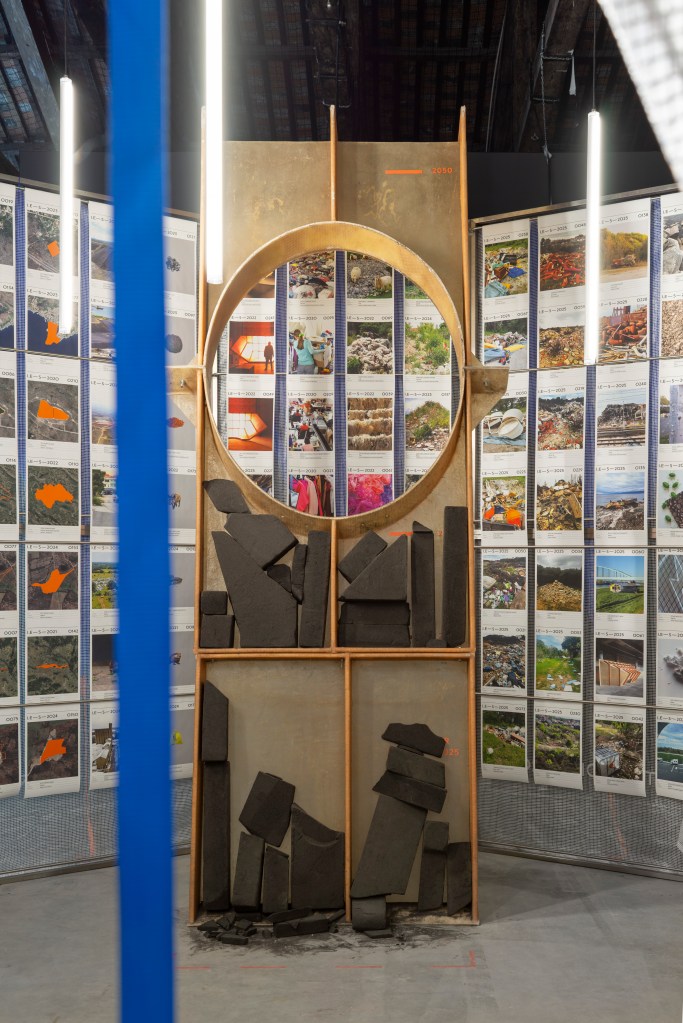
Pavilion of Croatia at the 19th International Architecture Exhibition of La Biennale di Venezia, 2025. Photo Doris Fatur and Hrvoje Franjić 
Pavilion of Croatia at the 19th International Architecture Exhibition of La Biennale di Venezia, 2025. Photo Doris Fatur and Hrvoje Franjić Pavilion of Croatia at the 19th International Architecture Exhibition of La Biennale di Venezia, 2025. Photo Doris Fatur and Hrvoje Franjić 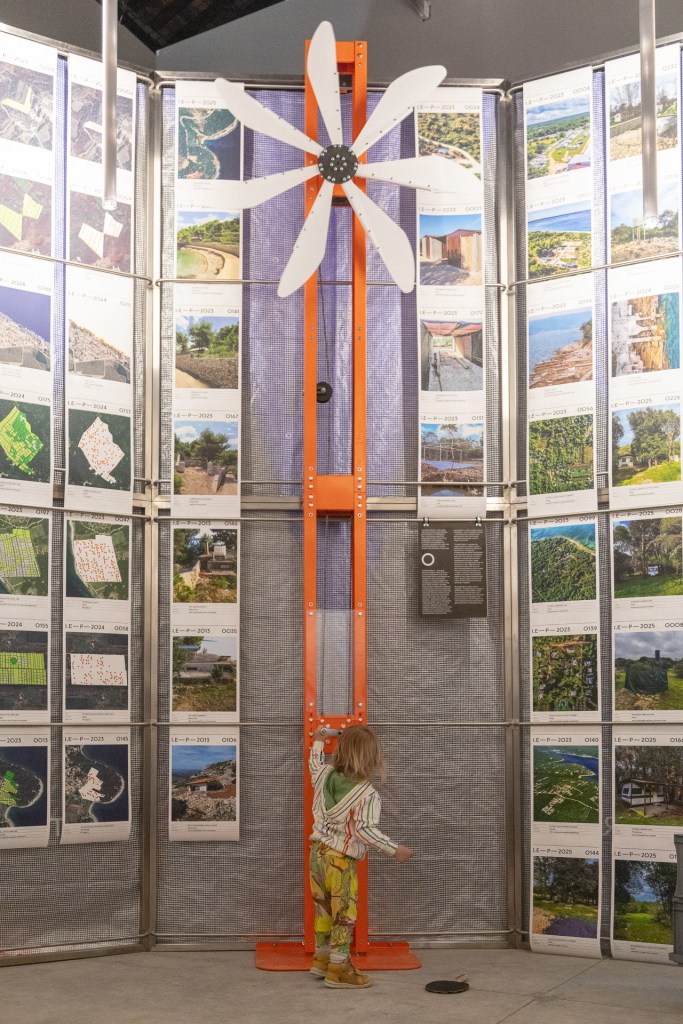
Pavilion of Croatia at the 19th International Architecture Exhibition of La Biennale di Venezia, 2025. Photo Doris Fatur and Hrvoje Franjić 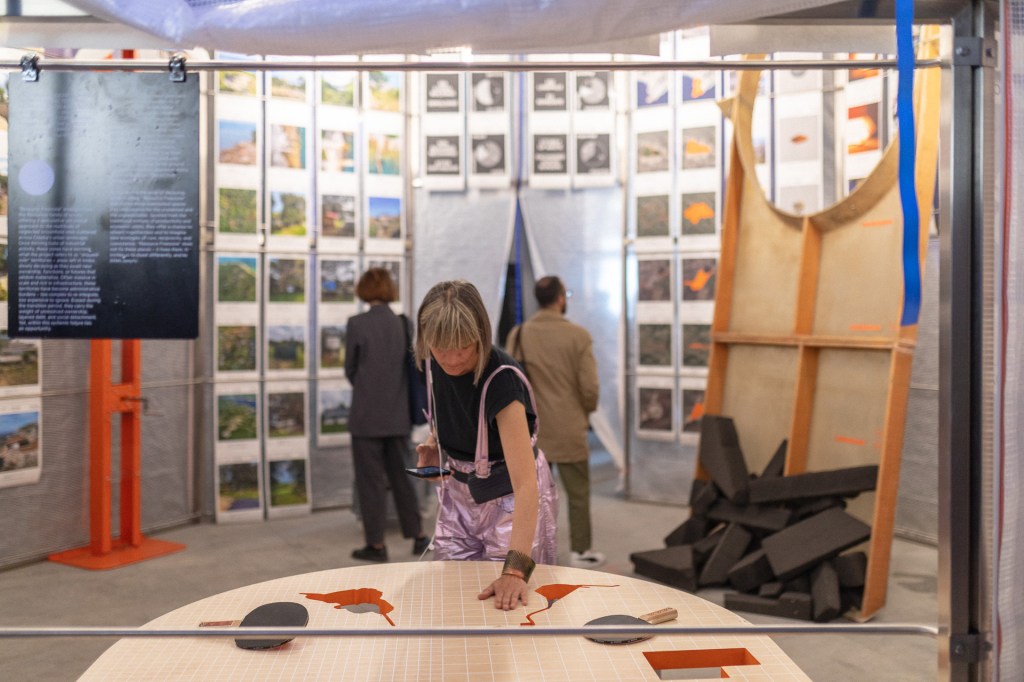
Pavilion of Croatia at the 19th International Architecture Exhibition of La Biennale di Venezia, 2025. Photo Doris Fatur and Hrvoje Franjić 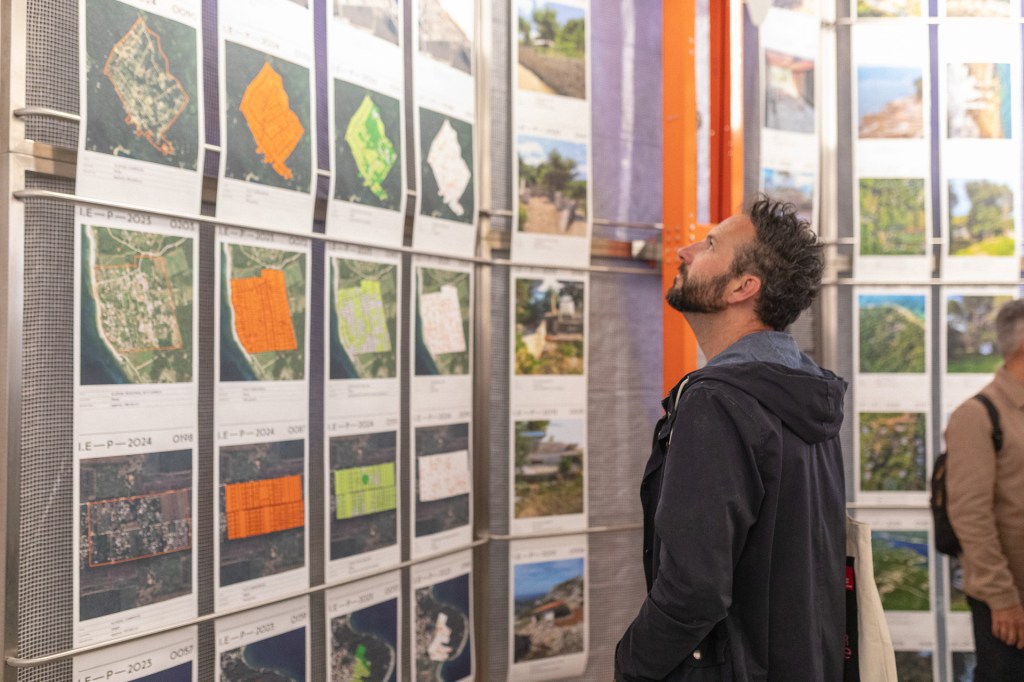
Pavilion of Croatia at the 19th International Architecture Exhibition of La Biennale di Venezia, 2025. Photo Doris Fatur and Hrvoje Franjić Pavilion of Croatia at the 19th International Architecture Exhibition of La Biennale di Venezia, 2025. Photo Doris Fatur and Hrvoje Franjić 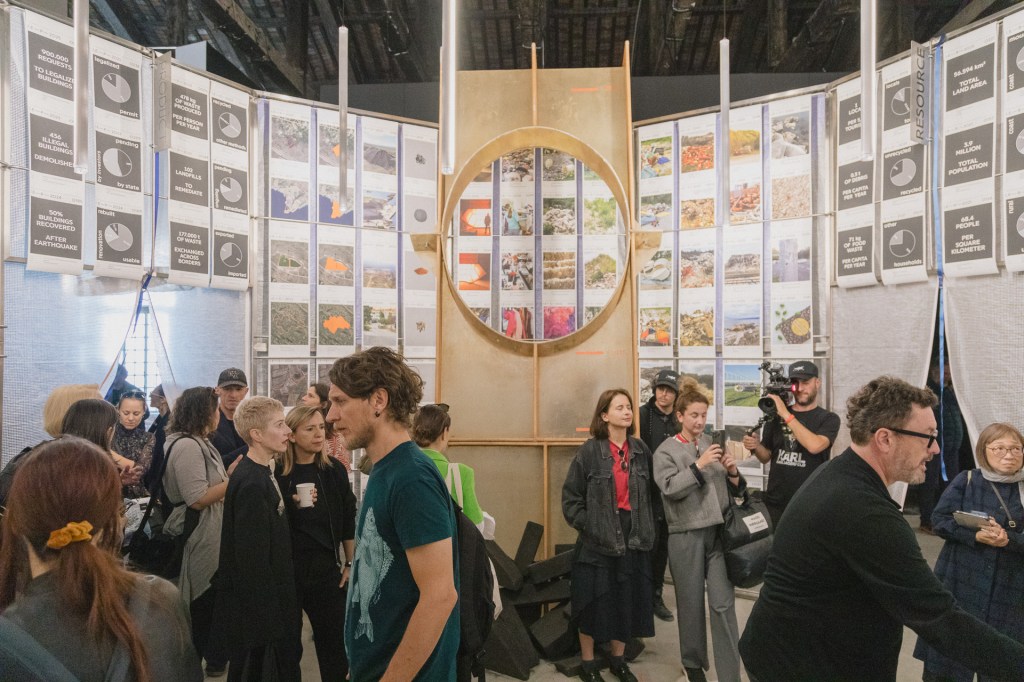
Pavilion of Croatia at the 19th International Architecture Exhibition of La Biennale di Venezia, 2025. Photo Doris Fatur and Hrvoje Franjić 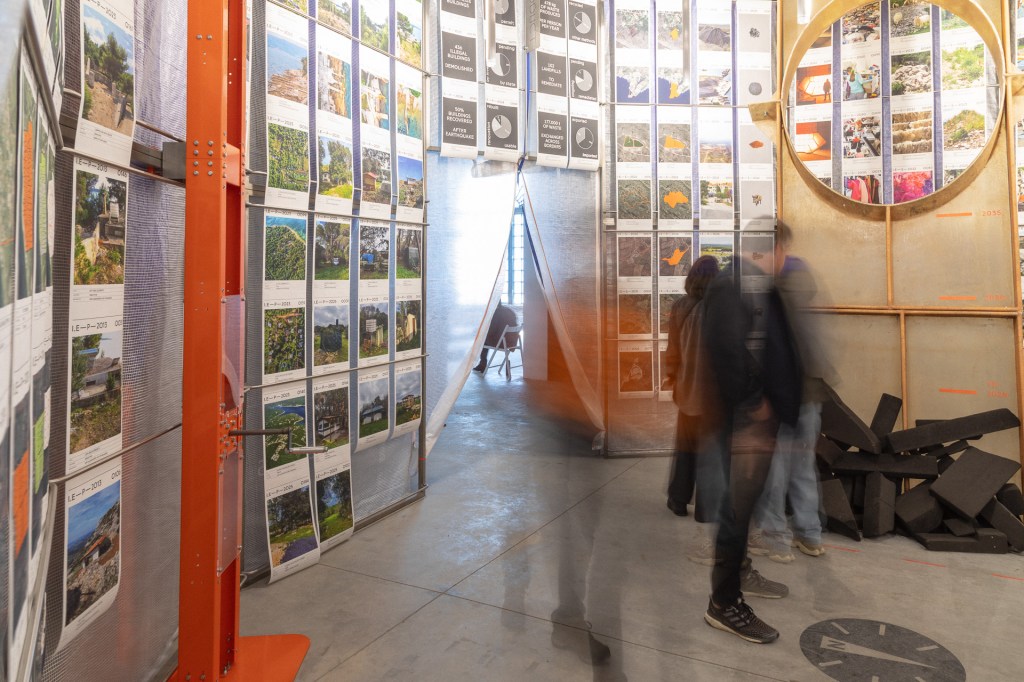
Pavilion of Croatia at the 19th International Architecture Exhibition of La Biennale di Venezia, 2025. Photo Doris Fatur and Hrvoje Franjić Pavilion of Croatia at the 19th International Architecture Exhibition of La Biennale di Venezia, 2025. Photo Doris Fatur and Hrvoje Franjić
 c plus c