Love, violence, power, poetry. At the PAC in Milan, the first retrospective of the queer duo Lovett/Codagnone challenges relational dynamics through a striking and refreshingly unexpected narrative.
On view at the PAC – Pavilion of Contemporary Art in Milan is I Only Want You to Love Me, the first Italian retrospective of the artistic duo Lovett/Codagnone ‒ active from 1995 to 2019 ‒comprised of John Lovett (Allentown, Pennsylvania, 1962) and Alessandro Codagnone (Milan, 1967 – New York, 2019). Open until 14 September 2025, the exhibition features works spanning more than two decades of artistic production, ranging from photography and video art to performance and sculpture. This is a story in which the artists’ bodies often take center stage and, through explicit references, sadomasochistic erotic scenarios, and poetry, they portray ‒ without vulgarity ‒ a life of relationships, struggles, and power dynamics.
“I ONLY WANT YOU TO LOVE ME”: THE CURATORIAL APPROACH
The white, minimalist spaces of the PAC perfectly align with the narrative at play ‒ a story told in tandem by artist John Lovett and curator Diego Sileo, bringing to light themes of social dynamics, sexuality, vulnerability, as well as intimacy and nostalgia. The exhibition doesn’t follow a chronological path; instead, the works are grouped according to themes ‒ dynamics of control, sexuality, the personal, and the political. Love and power, which lie at the core of the duo’s artistic inquiry, are also central to the exhibition’s narrative, where systems of surveillance are constantly questioned and the body becomes a manifesto ‒ a battleground. The space is scattered with works, as if they were bombs ready to detonate. A sense of tension lingers throughout the rooms, perhaps due to the presence of barbed wire, leather whips, megaphones, or barricades. The story may seem brutal at first, but, thanks to the curatorial choices, it achieves a careful balance between love and power.
THE LOVETT/CODAGNONE EXHIBITION AT PAC IN MILAN
The exhibition unfolds across five main thematic sections, all tied together by a common thread of resistance and dissent. In Ruined in a Day (2007), black barricades lie scattered across a bed of tar, as if they’ve just been thrown into place. The reference to conflict is unmistakable ‒ this is the moment after the chaos. Framing the work is a phrase repeated obsessively on the wall: “there’s too many ways you can kill someone like in a love affair when the love is gone”. Is this the collapse of a structure? Of a society? Or of a relationship? The fragility of control and order comes into sharp focus, with failure emerging as the inevitable outcome.
Among the most striking works is Death Disko: Last Dance (2015). A shattered black glass dance floor evokes the end of the 1970s, the death of disco, and the repression of queer culture. Broken glass and a black disco ball thrust us into a decade marked by violence and crackdown. No more dreams ‒ only nostalgia, accompanied by the faint wail of a Donna Summer track, like a final breath. The installation fills the entire room; the viewer is forced to stand at a distance, as though in contemplation of a memory heavy with melancholy.
A series of photographic cubes ‒ Greetings (1996) ‒ highlights themes tied to the reclamation of urban spaces and the queer community’s approach to visibility. Featuring portraits of the artist duo dressed in leather/BDSM gear, the piece speaks to a subculture that challenges and subverts dominant sexual and relational norms.
Pulling back the curtains of the fifth room, a neon sign appears: In Darkness There Is No Sin / Light Only Brings the Fear (2025). Inspired by a track from the post-punk band The Damned, the work inverts the roles of light and darkness: darkness becomes a space of liberation, a realm where desire can exist without constraint, while light becomes a zone of surveillance and tension. The dualism running throughout the entire show is reinforced ‒ light and dark, freedom and repression, love and power, justice and injustice. We can only thank Lovett/Codagnone for an exhibition that cuts straight to the core ‒ raw, unapologetic, and unfiltered ‒, tracing lives and bodies as battlegrounds.
Maddalena Domenghini
https://www.pacmilano.it/exhibitions/lovett-codagnone/
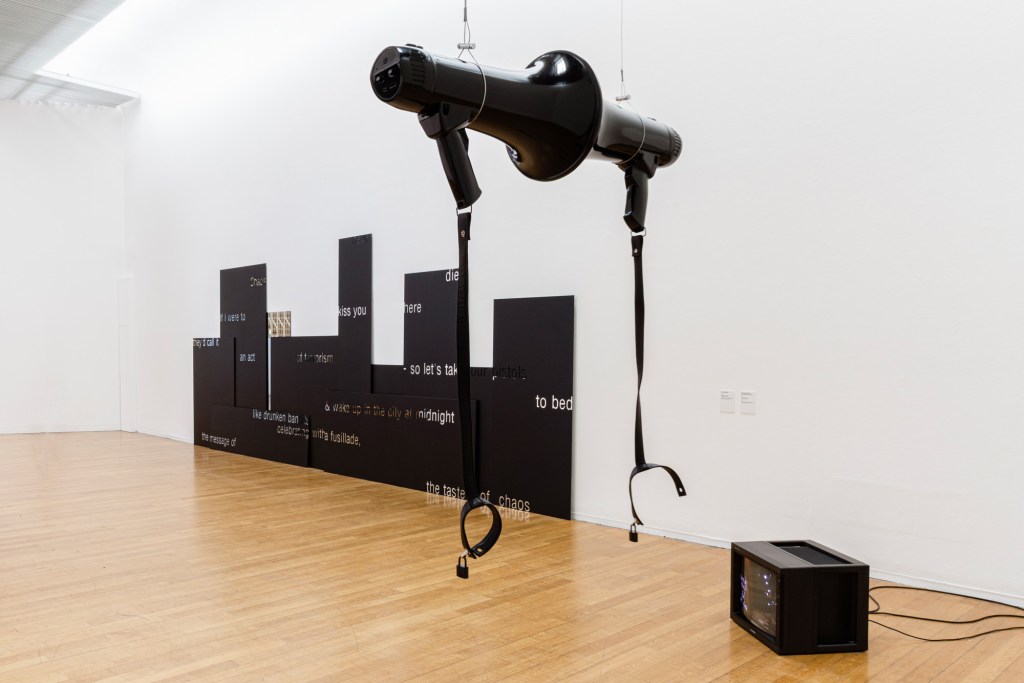
Lovett/Codagnone. I Only Want You to Love Me, exhibition view, PAC, Milano 2025. Photo Nico Covre 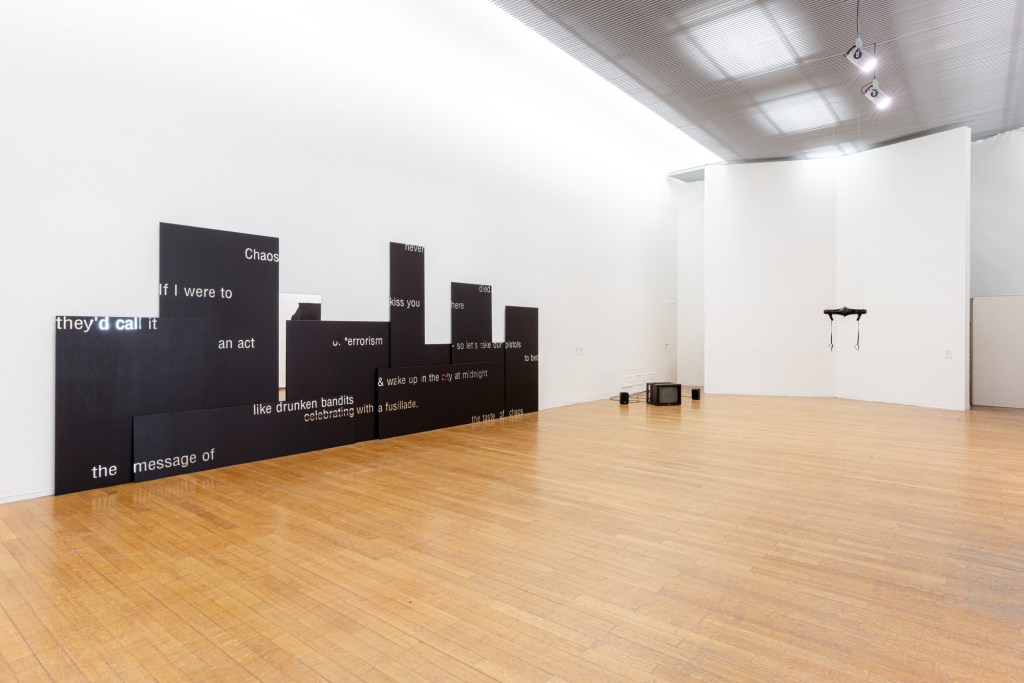
Lovett/Codagnone. I Only Want You to Love Me, exhibition view, PAC, Milano 2025. Photo Nico Covre 
Lovett/Codagnone. I Only Want You to Love Me, exhibition view, PAC, Milano 2025. Photo Nico Covre 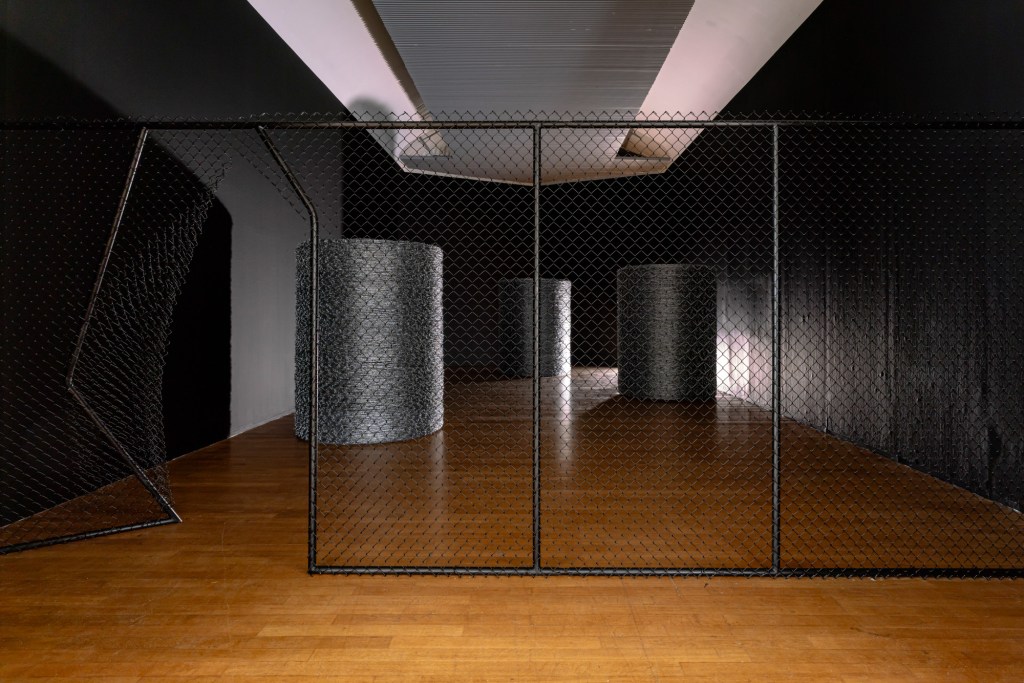
Lovett/Codagnone. I Only Want You to Love Me, exhibition view, PAC, Milano 2025. Photo Nico Covre 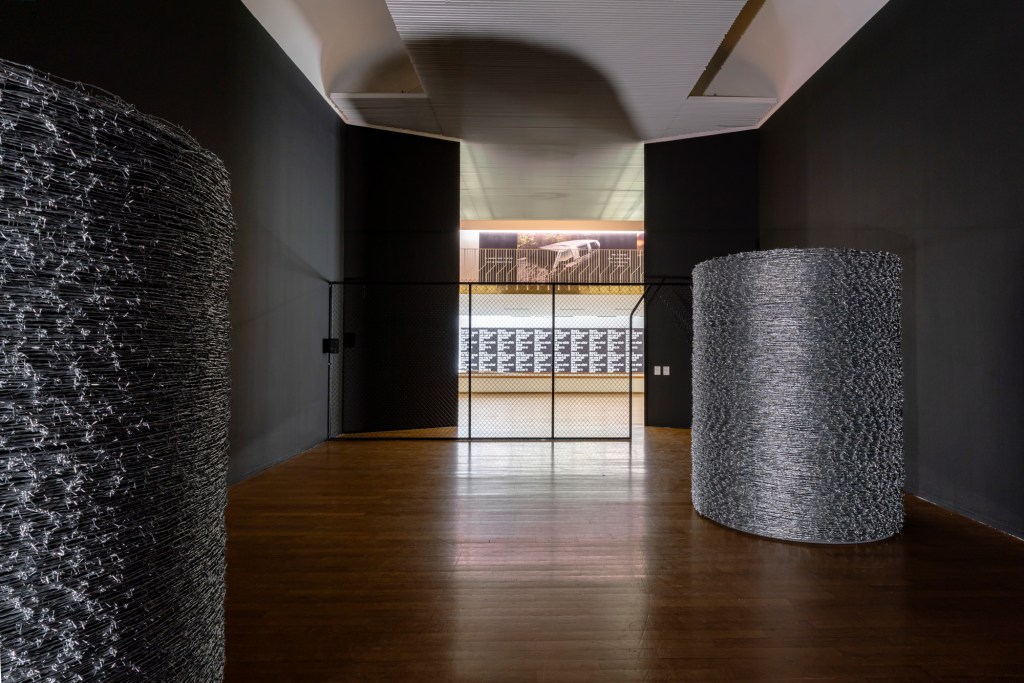
Lovett/Codagnone. I Only Want You to Love Me, exhibition view, PAC, Milano 2025. Photo Nico Covre 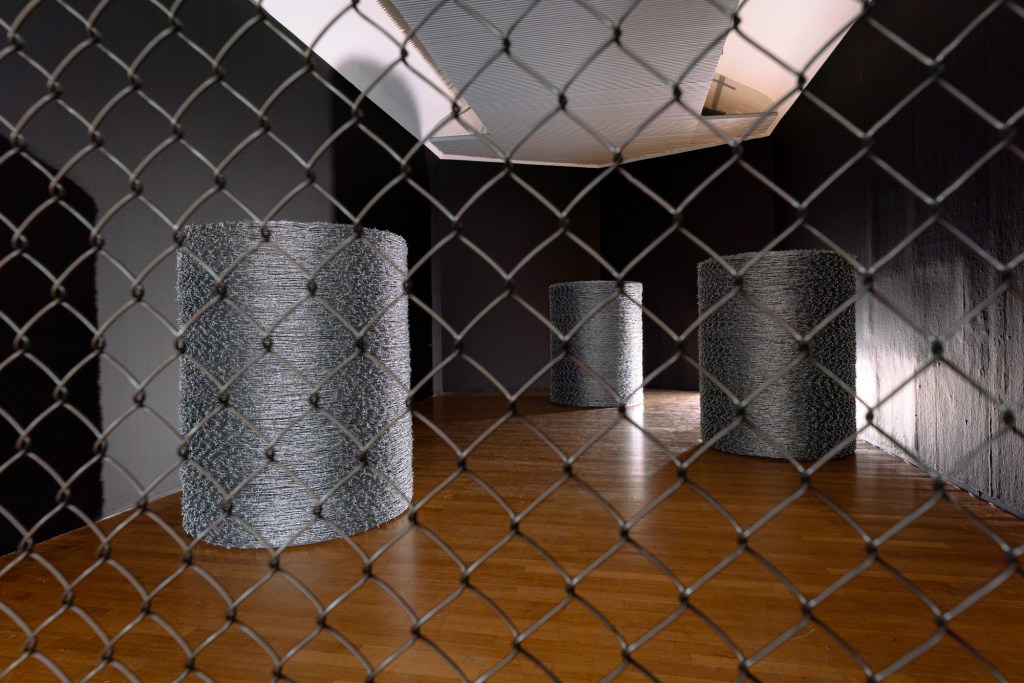
Lovett/Codagnone. I Only Want You to Love Me, exhibition view, PAC, Milano 2025. Photo Nico Covre 
Lovett/Codagnone. I Only Want You to Love Me, exhibition view, PAC, Milano 2025. Photo Nico Covre 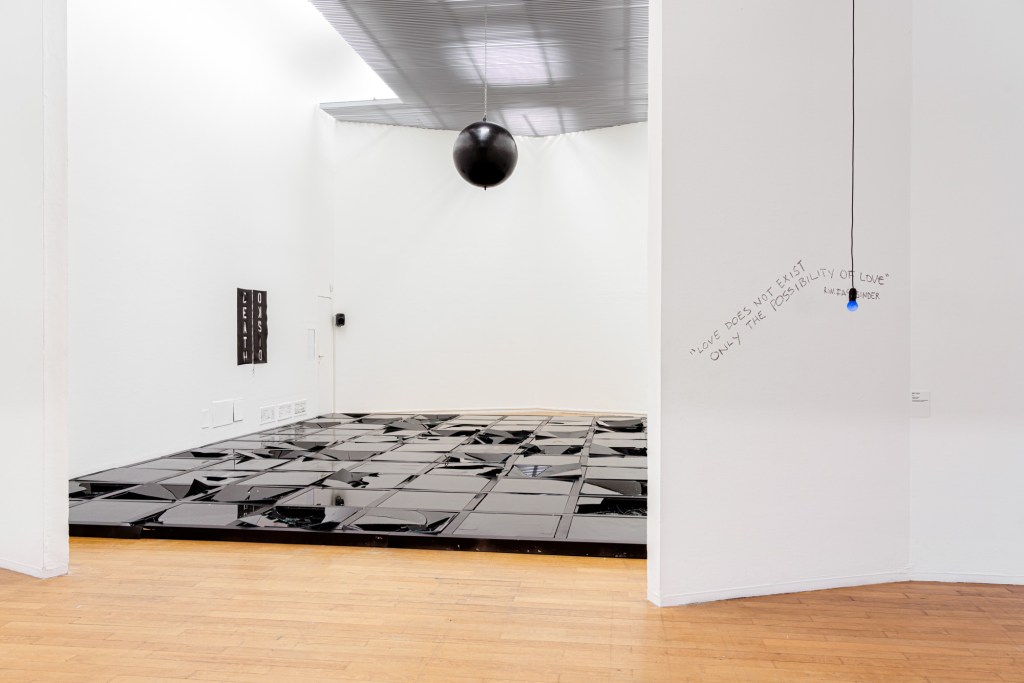
Lovett/Codagnone. I Only Want You to Love Me, exhibition view, PAC, Milano 2025. Photo Nico Covre 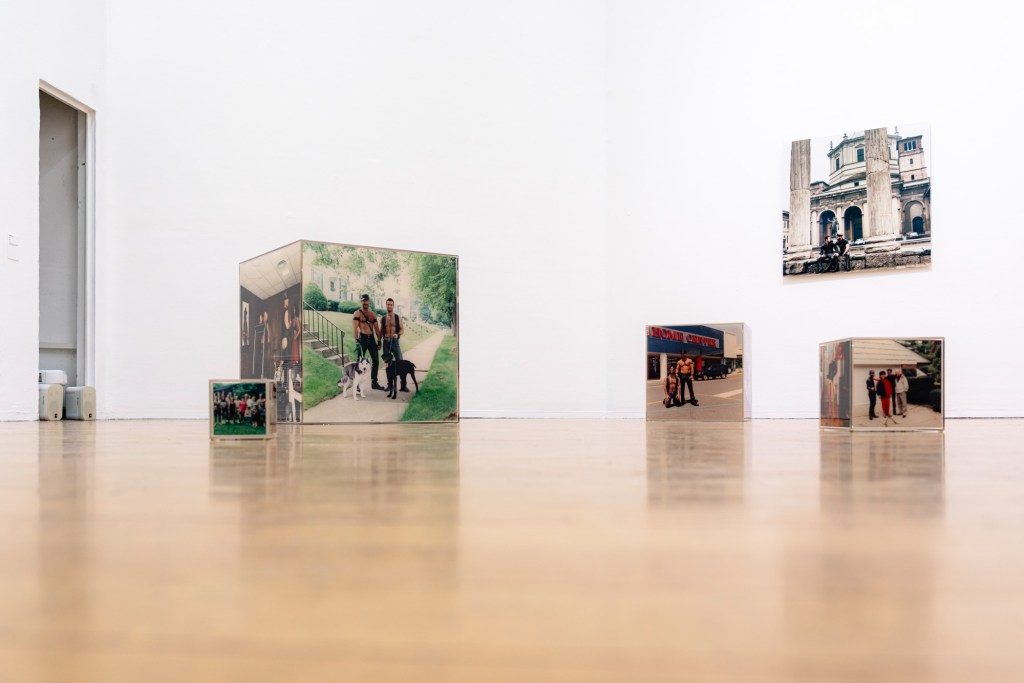
Lovett/Codagnone. I Only Want You to Love Me, exhibition view, PAC, Milano 2025. Photo Nico Covre 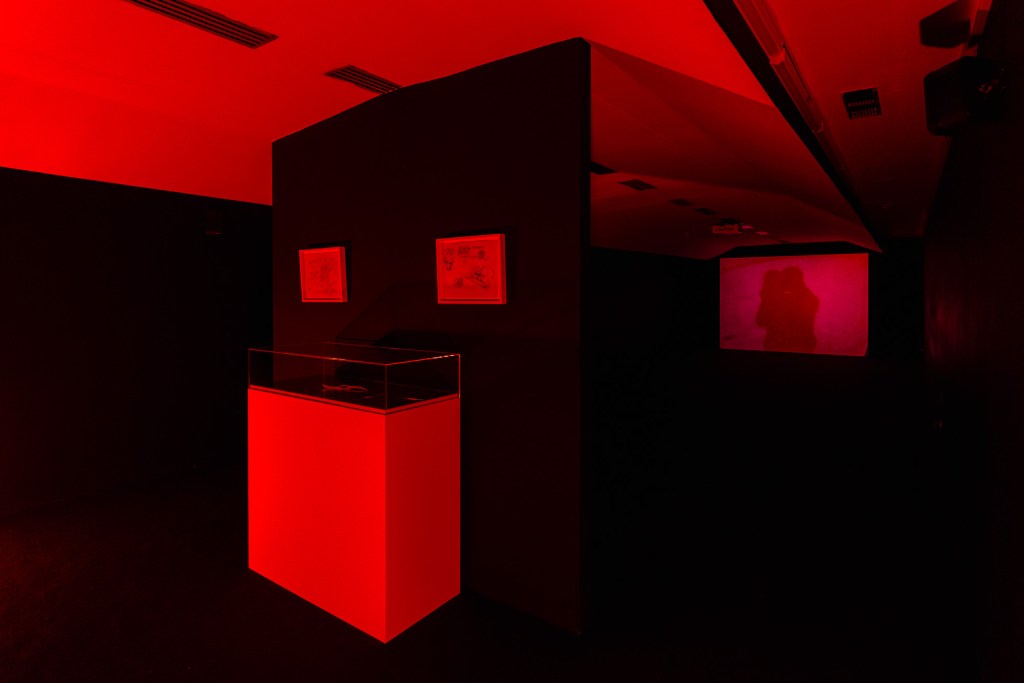
Lovett/Codagnone. I Only Want You to Love Me, exhibition view, PAC, Milano 2025. Photo Nico Covre 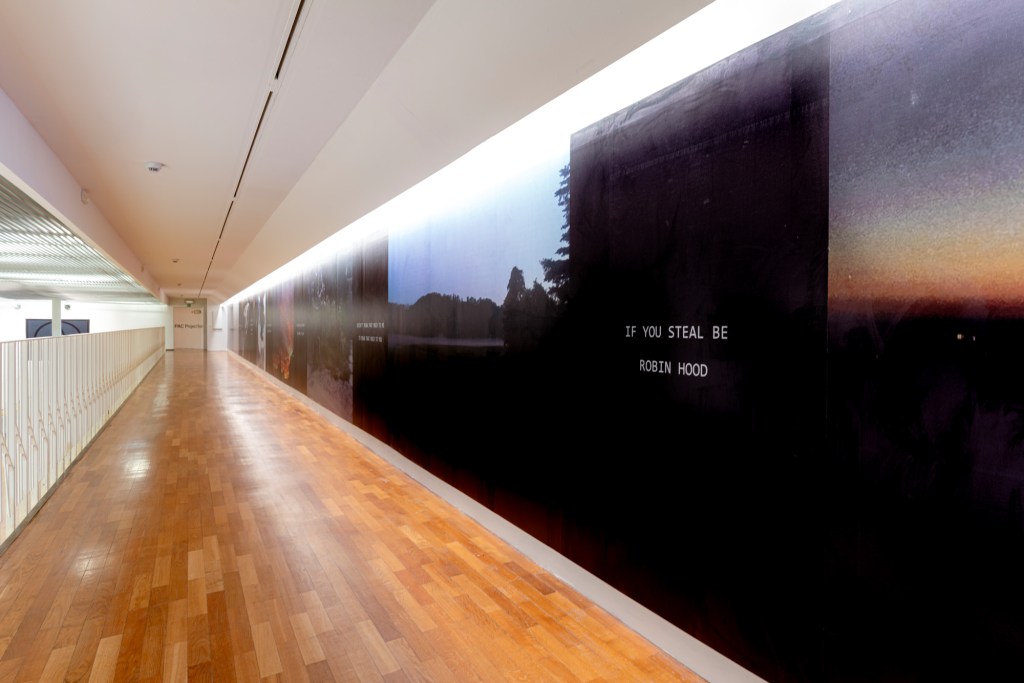
Lovett/Codagnone. I Only Want You to Love Me, exhibition view, PAC, Milano 2025. Photo Nico Covre 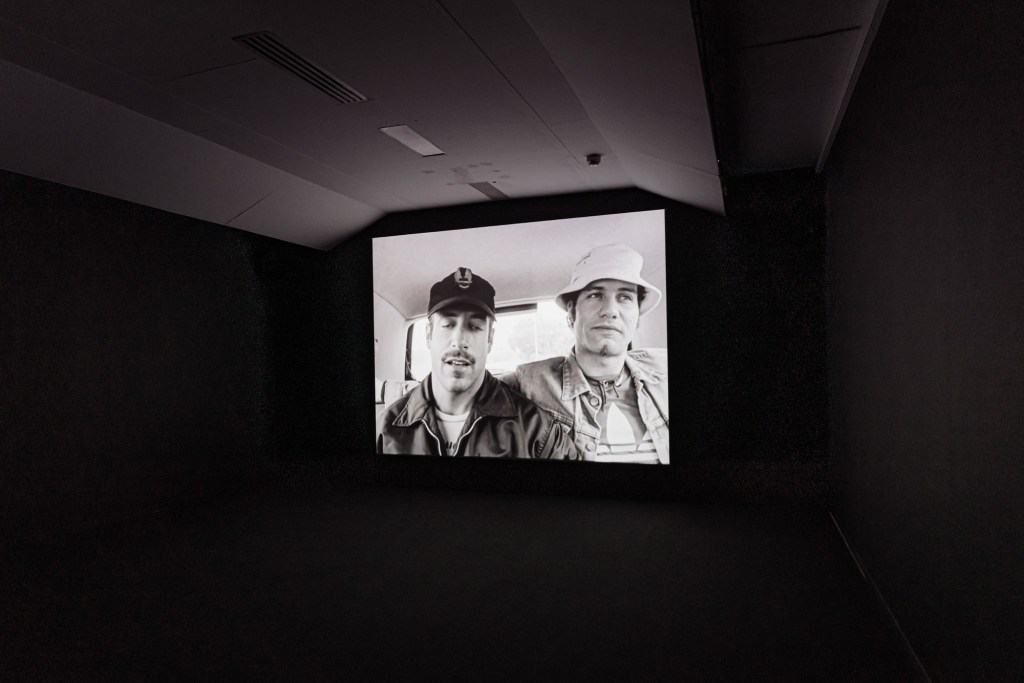
Lovett/Codagnone. I Only Want You to Love Me, exhibition view, PAC, Milano 2025. Photo Nico Covre 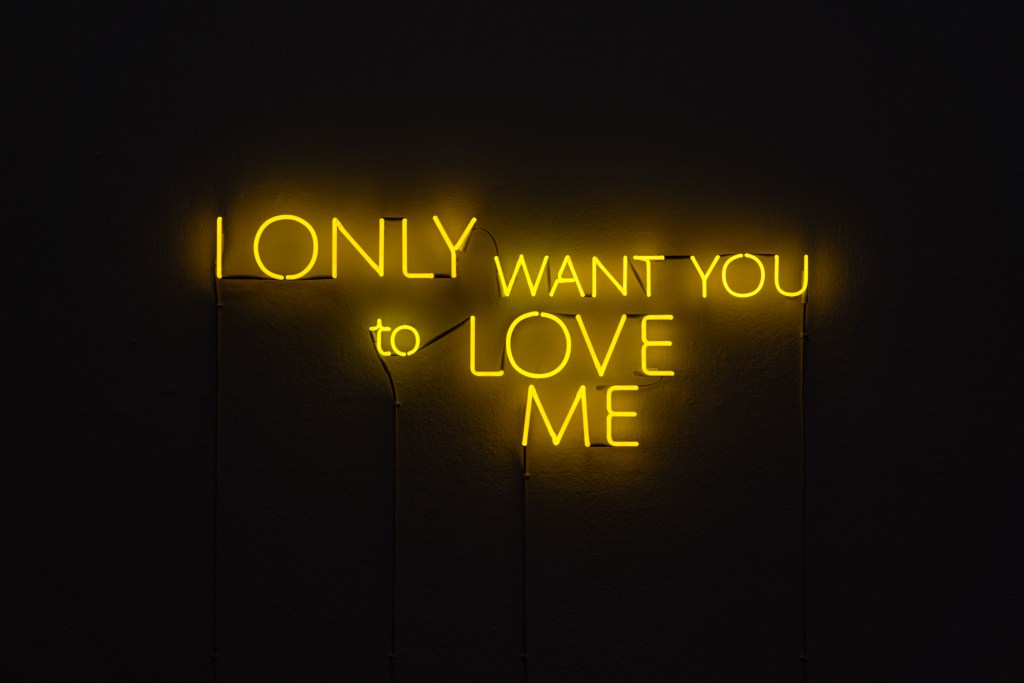
Lovett/Codagnone. I Only Want You to Love Me, exhibition view, PAC, Milano 2025. Photo Nico Covre 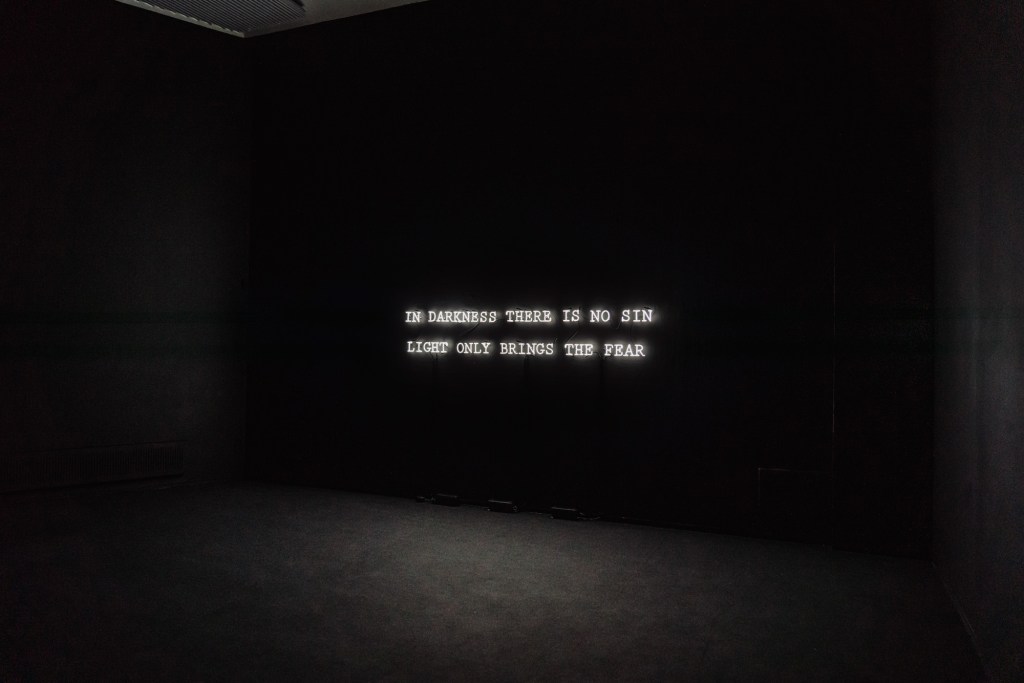
Lovett/Codagnone. I Only Want You to Love Me, exhibition view, PAC, Milano 2025. Photo Nico Covre
Translated with AI
 c plus c