Entrepreneur and collector of contemporary art and design, Silvia Fiorucci, pursuing her strong passion for the arts, founded the Società delle Api in 2018, an independent non-profit organisation that creates points of contact between different disciplines and promotes collaboration between artists, architects, designers and thinkers, who are invited to develop their research projects in a synergistic manner. We talked to her about it.
Grasse, Rome, Megève, Kastellorizo, Monaco and even Venice. These are the places where the Società delle Api “operates”, having become a point of reference for artists, designers and creatives interested in the dynamics of sharing and dialogue through a rich programme of exhibitions, workshops, residencies and publications. Here is what founder Silvia Fiorucci told us.
In your approach to art and collecting, what role did your family history play, and the fact that you grew up with a father who, in addition to being a collector, was able to combine contemporary art and fashion?
My father was a great entrepreneur, at the helm of Fiorucci Spa, but above all a passionate collector of classical art and antiques. He was never involved in fashion, as is often mistakenly believed. However, his collecting educated me and my family about beauty and art. His determination and passion inspired me to find my own personal path, which has been oriented towards the contemporary. My relationship with art goes far beyond the object: it is made up of living relationships with artists. This desire gave rise to the Società delle Api, a space in which to share the creative process, immerse myself in it and actively participate in it. For me, this is a source of intellectual and human enrichment.
What criteria do you use when searching for emerging artists and designers to support and promote through Società delle Api?
I am guided by a form of empathy that arises from my relationship with the work: its aesthetics, the harmony it evokes and, in the case of design, its functionality. My collection is part of my everyday life: I live with the works, I inhabit them, I admire them. This aspect of everyday life is a fundamental criterion for me. But my interest goes beyond that. As I mentioned, building relationships with artists is central to me: real dialogues, which often lead to lasting friendships. The Società delle Api was born precisely from this need: it is a network, a constantly evolving platform, a fertile environment for the birth of new thoughts and shared visions.
How did the idea for Società delle Api come about? What is its mission and what are its goals?
After years of collecting, I felt the need to build something that went beyond simply supporting art according to traditional models. I wanted to create an ecosystem that was not hierarchical, but horizontal, alive, where I was part of it, not at the top. The name itself – Società delle Api – alludes to this idea of a hard-working, interconnected community. The goal is to cultivate relationships and create moments of sharing that generate life and knowledge. Residencies are central to this: each invited artist can bring a guest with them, contributing to an organic process of exchange and cultural contamination. No specific production is required, but rather participation in the creative flow. I also wanted to fill a void: to restore centrality to the creative process, not just to the finished work. Our desire is to share this ephemeral phase with the public, in which everything is born and transformed.
ORIGINS AND GOALS OF THE SOCIETÀ DELLE API
The Società delle Api is striking in that it is a sort of large network that brings together artists, designers and collectors. How do these relationships develop? How has it managed to create these synergies and this sense of community?
The bonds arise naturally, thanks to formats that encourage hospitality and sharing: residencies, workshops, talks, exhibitions, publications. Residencies, in particular, allow artists to experience a space without the obligation to produce, and the invitation to bring a guest spontaneously extends the network. Design-related formats – such as 5Rooms and 4Rooms – are also opportunities for co-creation: they bring designers, artisans and local producers into dialogue. In my career, I have learned to welcome people, ideas and experiences with curiosity. I am guided by trust in others and in the authentic value of human relationships.
Is it important for you to know the artists you collect? If so, what kind of relationship do you establish with them?
Absolutely. It was precisely this desire for connection that drew me to contemporary art. I need dialogue with artists, the perspective they offer on reality. The relationships I seek are first and foremost human, based on listening, trust and mutual exchange. La Società delle Api allows me to discover new artists through more intimate channels: the curators I invite propose talents that I can get to know in informal contexts, where the bond arises spontaneously. My collecting reflects this approach, which is based on continuity and presence in the careers of the artists I support.
Does your approach to collecting also have social and political significance?
I don’t have the ambition to think that my work can have a social or political function, and I am aware of the context in which I operate and the privileges I enjoy. Some of the projects I have supported have naturally had social repercussions, such as Spazio Immaginato, a project created in collaboration with NERO and the Closer association in the Giudecca Women’s Prison in Venice. However, it is not a political mission that guides me, but a desire to give back and pay attention to the collective dimension of culture.
ART AND CURATION IN THE SOCIETÀ DELLE API
You work closely with many curators, often establishing long-lasting collaborations with them. What do you look for in these figures and what do you expect from them?
They are key figures who build bridges between artists, collectors and the public. I have deep respect for those who play this role. This also applies to figures such as gallery owners. I have long-standing relationships with many of them: they know my sensibility and help me to connect with artists and languages that I might not otherwise reach. For me, they are agents of activation, capable of stimulating my imagination and broadening my horizons.
Monaco, Grasse, Rome, Kastellorizo, Megève and even Venice: there are many places where Società delle Api carries out its activities. Can you tell us more about the various projects you have implemented?
These are all places that mean “home” to me, even if not in a sedentary sense. They reflect my dynamic, Mediterranean, open way of life. In each one, I have created spaces for hospitality and creation, real laboratories where new formats are experimented with and new connections are developed. Each place has its own identity, but they all respond to a single desire: to generate contexts in which relationships can flourish.
In your opinion, what responsibility does a collector have towards artists and the public?
It is a great responsibility: towards artists, it means supporting their careers over time, carefully preserving and documenting their work; towards the public, it means creating opportunities to share the works, bringing them out of the private sphere. I believe that every work of art is created to dialogue with the world. A recent example is the collaboration with La Gaya Scienza in Nice, where my collection was made available to students for an exhibition. It is a way of restoring art’s social potential, making it accessible and alive.
How do you imagine the future of your collection?
In constant evolution. To define it today would mean predetermining it, and that doesn’t interest me. I want to continue to be surprised by what it will become, by who and what it will bring me, and by how it will help me grow even more. The collection is a living organism: it accompanies me, transforming with me and beyond me.
Martina Giagnolini
https://lasocietadelleapi.mc/en/programmes/louise-sartor-de-haut-en-bas-back-again/
Translated with AI
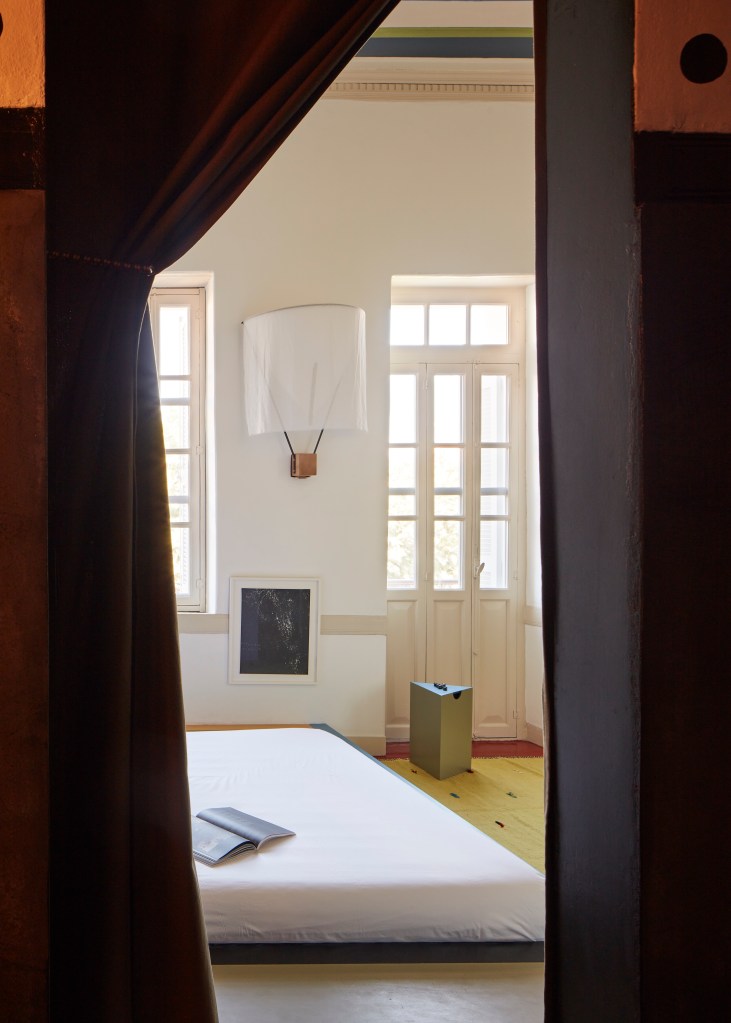
Julie Richoz, 4Rooms Design, Rosso, Kastellorizo, 2022. Photo by De Pasquale Maffini 
Julie Richoz, 4Rooms Design, Rosso, Kastellorizo, 2022. Photo by De Pasquale Maffini 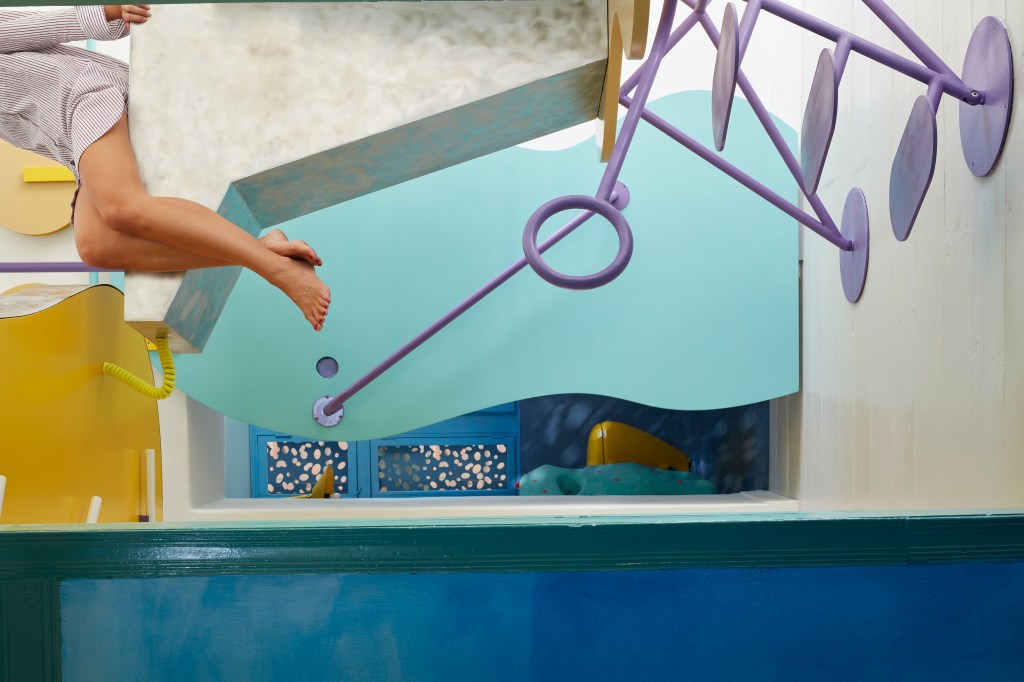
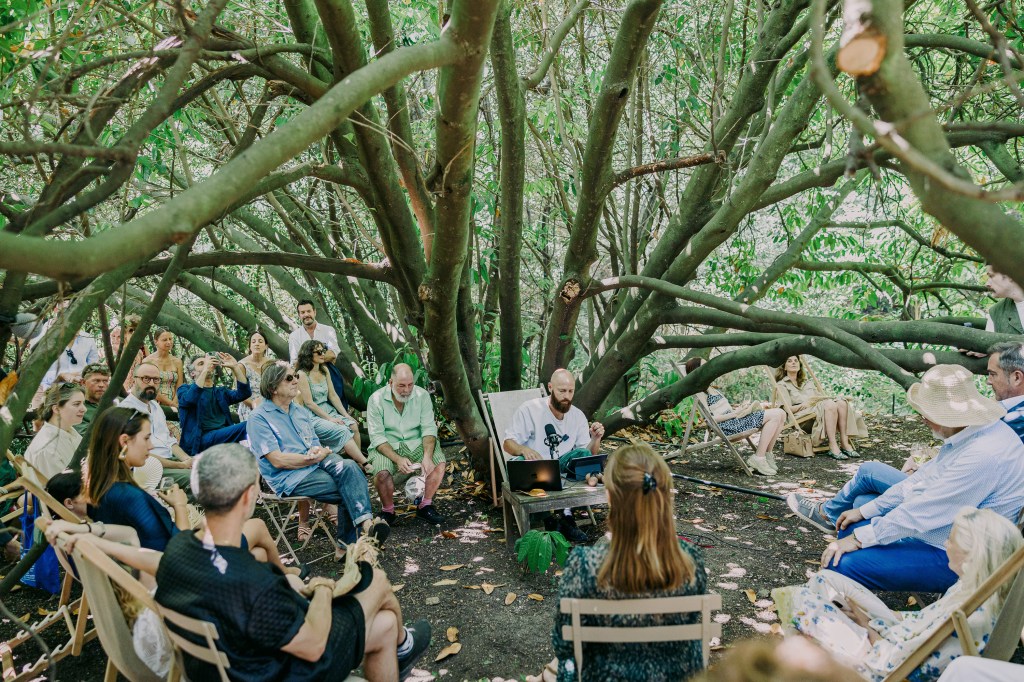
Bertin, Midsummer Daydream, Ramos, Grasse, 2025. Photo by Pierre Morel 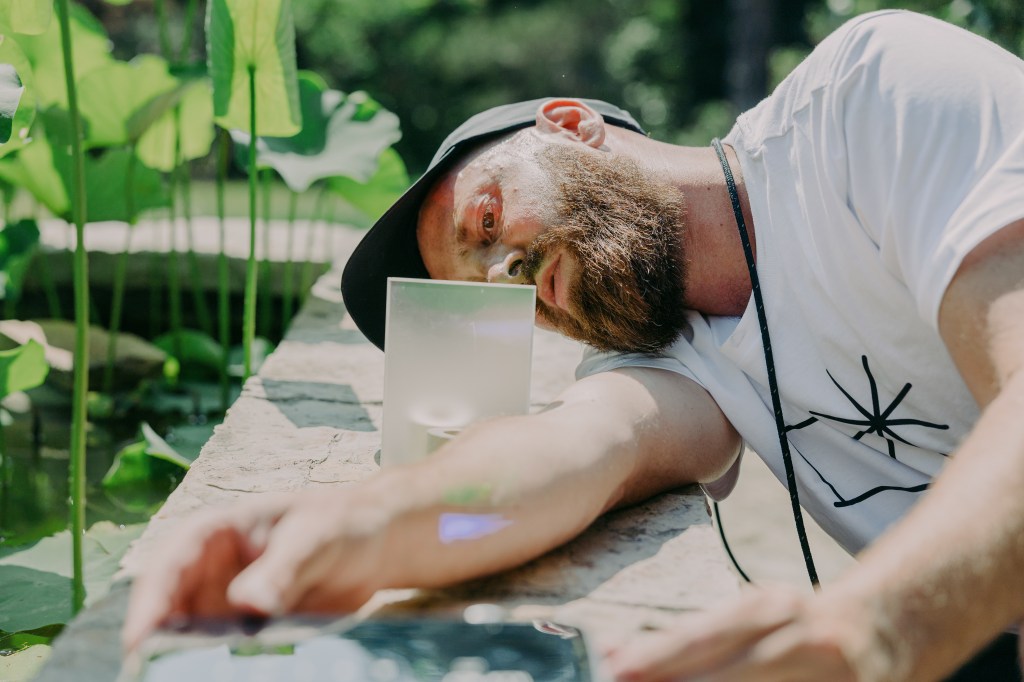
Bertin, Midsummer Daydream, Ramos, Grasse, 2025. Photo by Pierre Morel 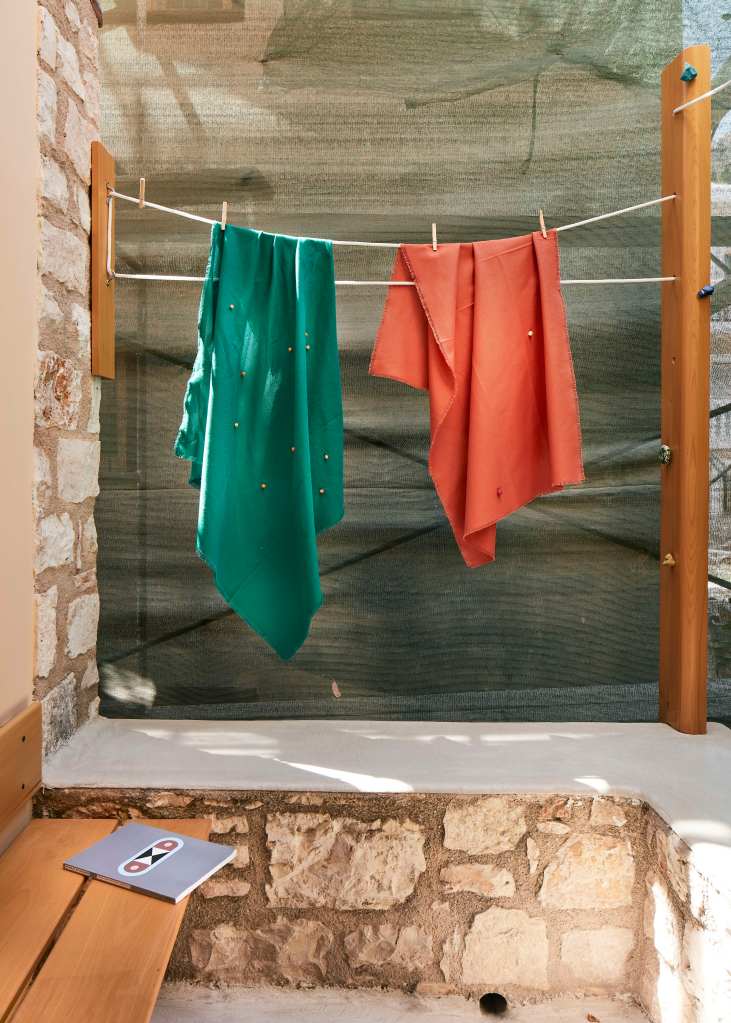
Brynjar & Veronika, 4Rooms Design, Rosso, Kastellorizo, 2022. Photo by De Pasquale Maffini 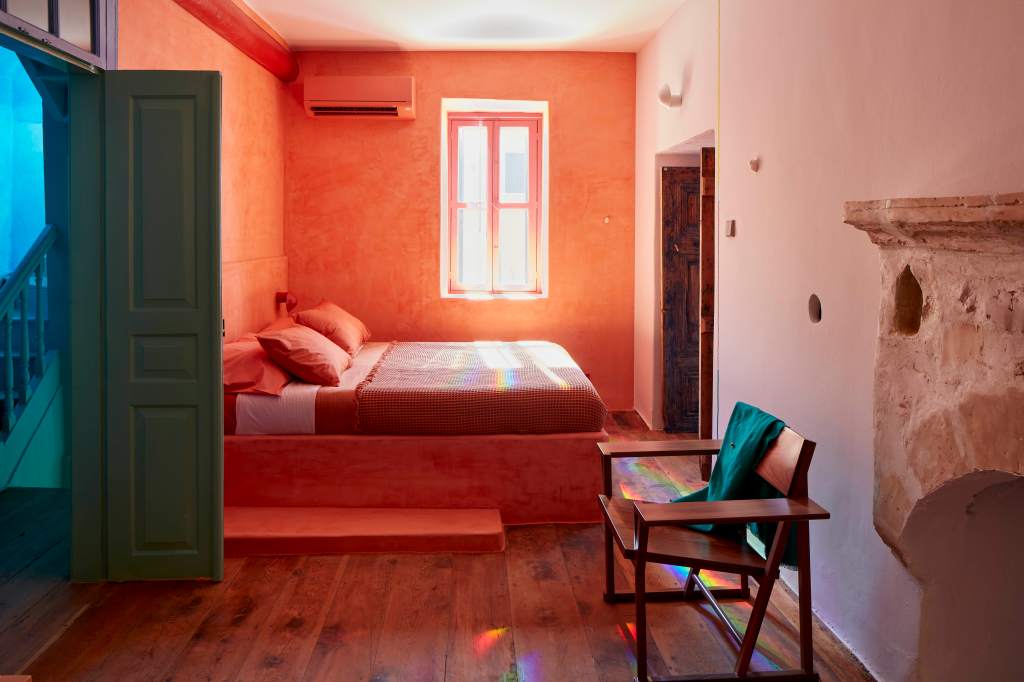
Brynjar & Veronika, 4Rooms Design, Rosso, Kastellorizo, 2022. Photo by De Pasquale Maffini 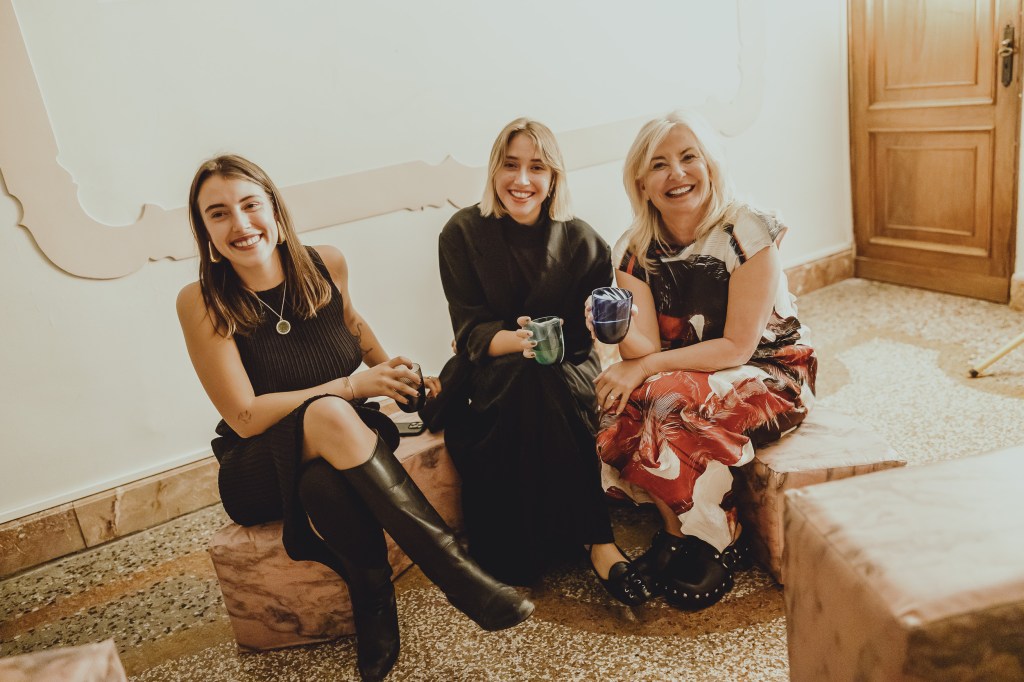
Fiorucci Colmignoli, Libreria delle Api, Venice, 2025. Photo by Pierre Morel 
Imaginary Palace, from NERO Closer, 2024. Photo by Francisco de Figueiredo 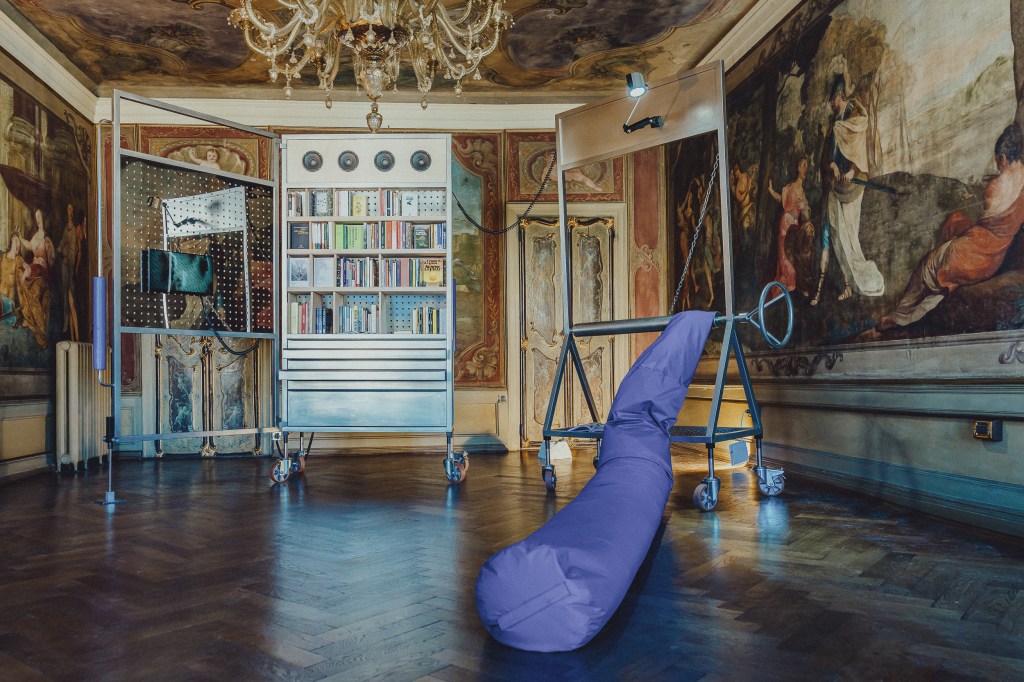
Libreria delle Api, installation view, Venice, 2025. Photo by Pierre Morel 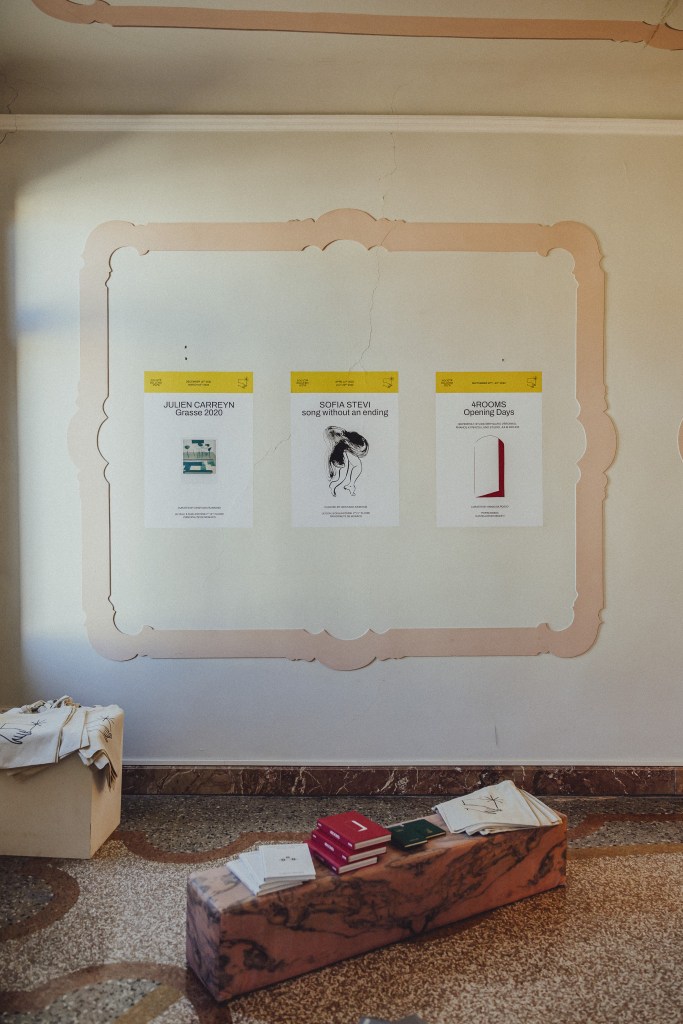
Libreria delle Api, installation view, Venice, 2025. Photo by Pierre Morel 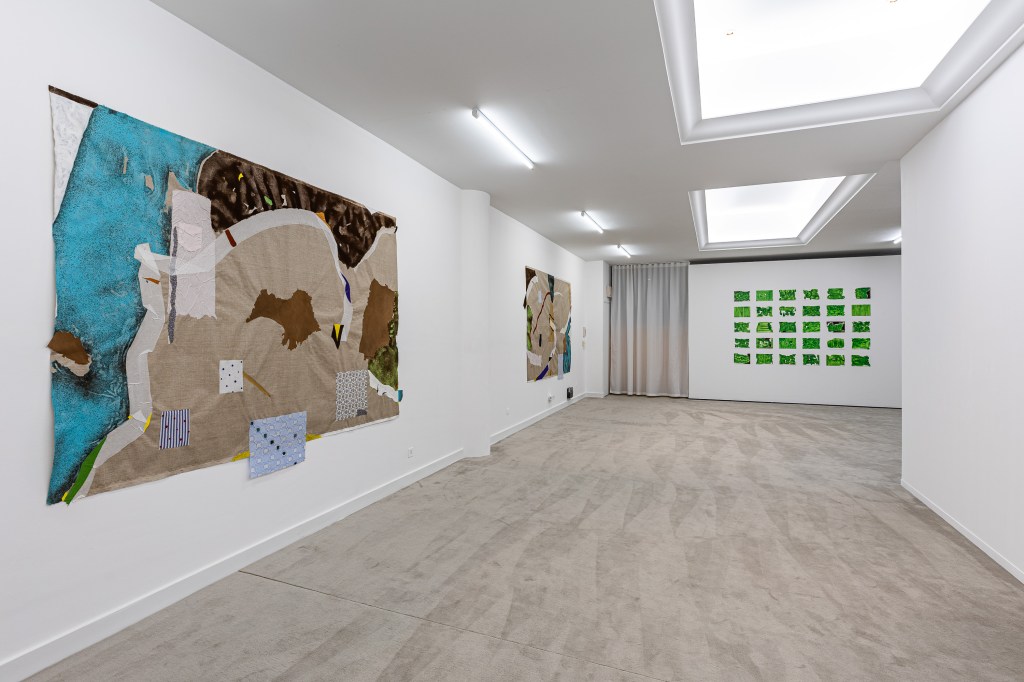
Offman, Notes from the Heart, Gilbert, Le Quai, Monaco, 2024. Photo by Pierre Morel 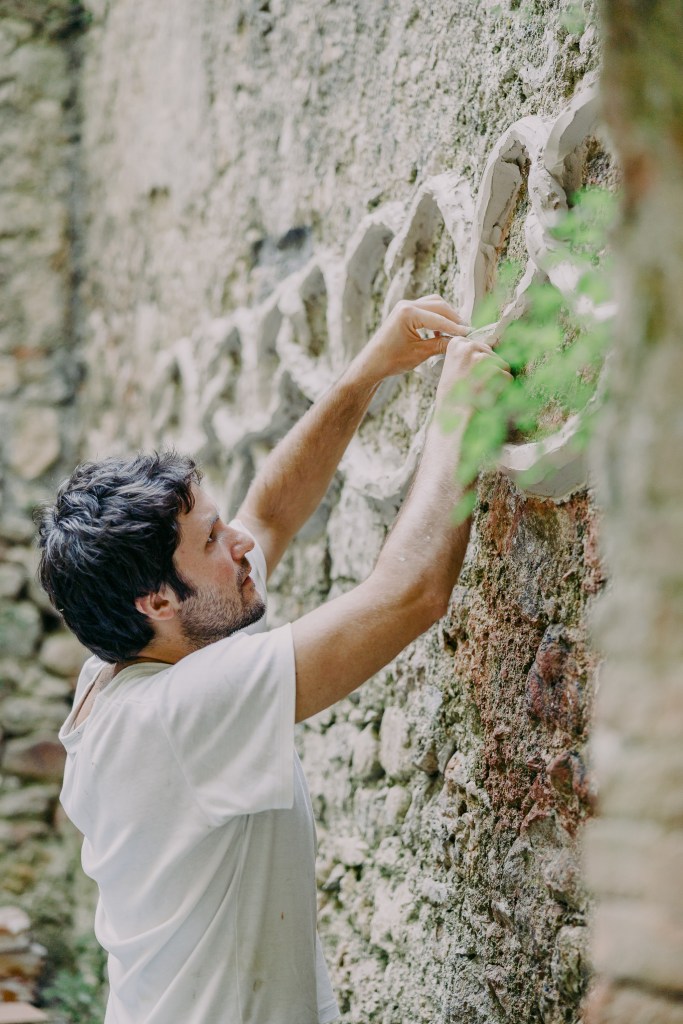
OT, Midsummer Daydream, Ramos, Grasse, 2025. Photo by Pierre Morel 
Portrait of Silvia Fiorucci. Photo by Bea De Giacomo 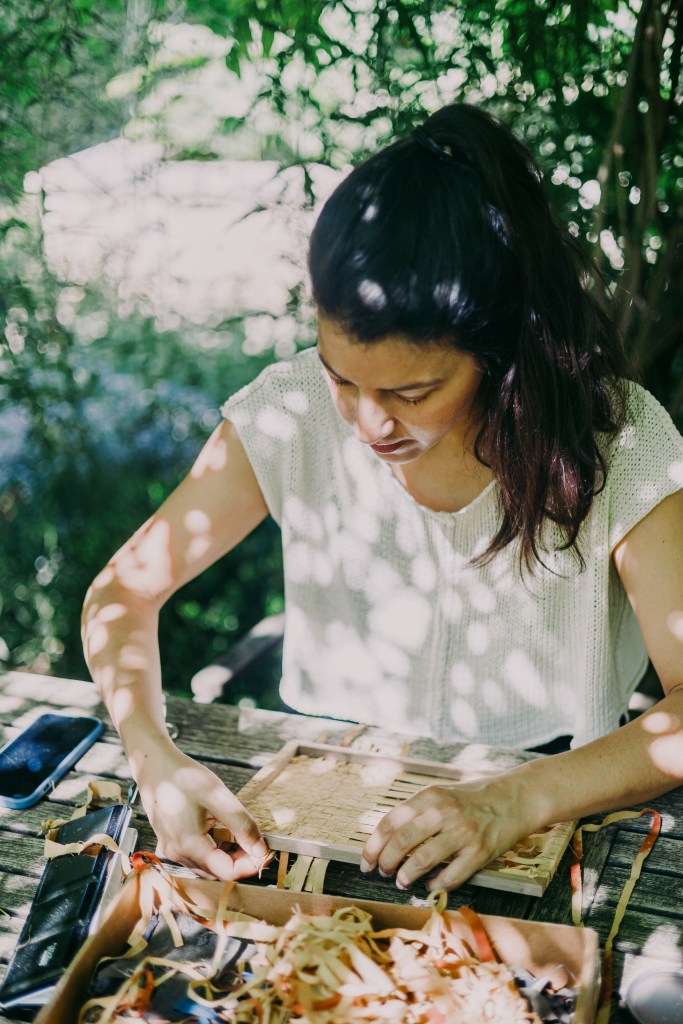
Rodriguez, Midsummer Daydream, Ramos, Grasse, 2025. Photo by Pierre Morel 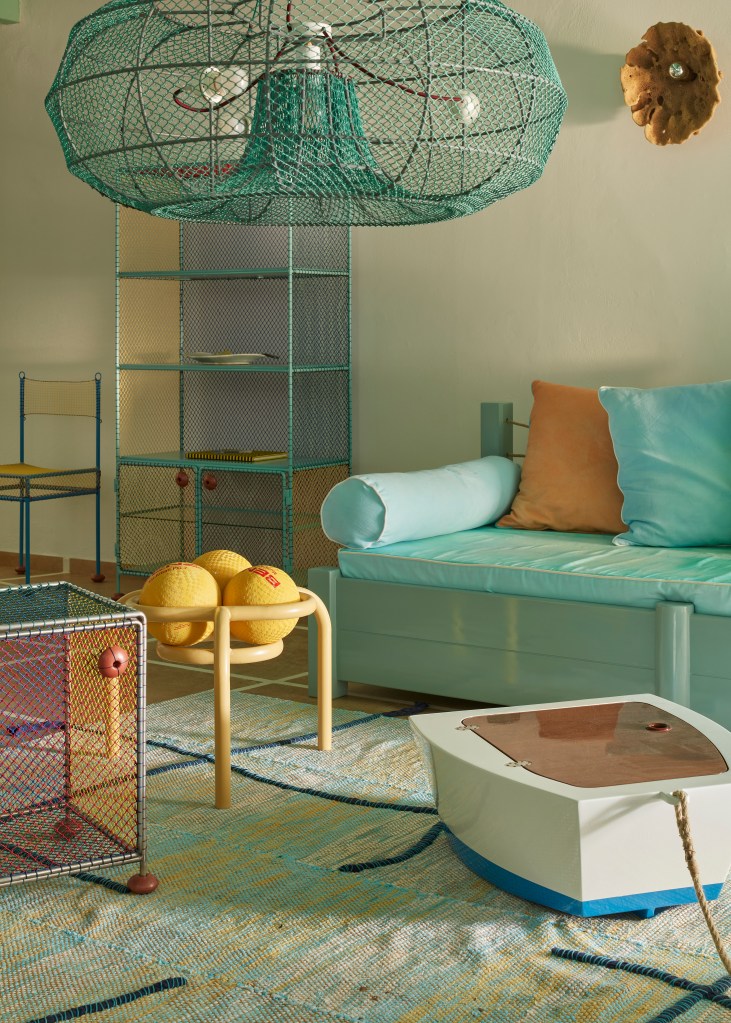
Superpoly, 4Rooms Design, Rosso, Kastellorizo, 2022. Photo by De Pasquale Maffini 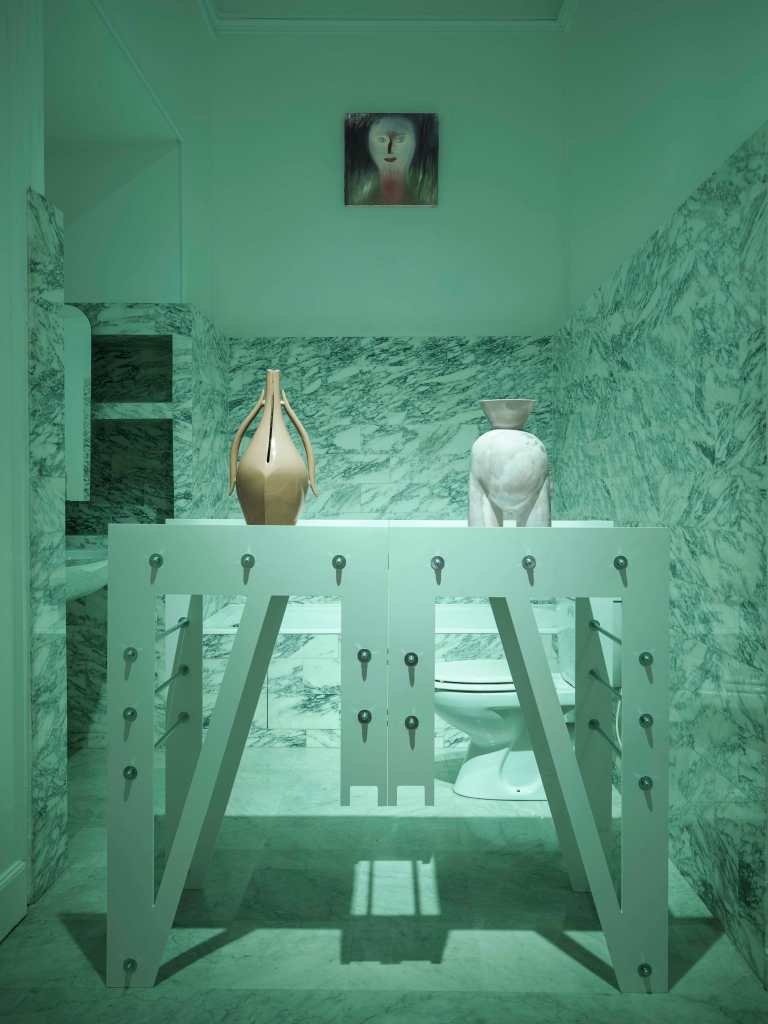
Trip Down Memory Lane, La Gayascienza, Nice, 2025. Photo by Eleonora Paciullo 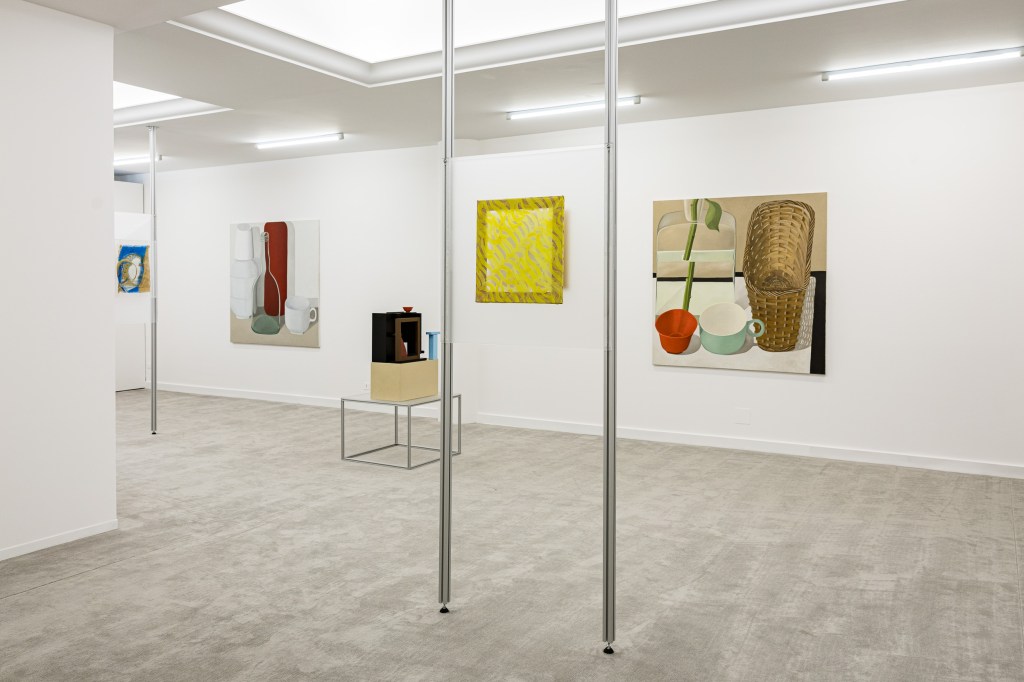
Women Are Beautiful, Accardi, Dupasquier, Merz, Ruggeri, Da Costa. Le Quai, Monaco, 2025. Photo by Pierre Morel

 c plus c