What happens when contemporary art dialogues with the physics and architecture of the past? The Venetian exhibition “Leaps, gaps and overlapping diagrams” by Loris Cecchini at Ca’ Rezzonico was not just an exhibition of sculptures and installations, but a visual laboratory in which complex scientific concepts take shape through matter.
Loris Cecchini (Milan, 1969) is an artist recognized on the international scene for his ability to combine art, science and architecture. His installations explore the organic growth, modularity and vibration of matter. His works have been exhibited in museum contexts such as the Palais de Tokyo in Paris and the MoMA in New York. He also participated in the Venice and Shanghai Biennales.
LORIS CECCHINI’S EXHIBITION IN VENICE
Leaps, gaps and overlapping diagrams, curated by Luca Berta and Francesca Giubilei, was on display until 31 March 2025 at Ca’ Rezzonico – Museo del Settecento Veneziano. The permanent collection tells a fragment of an era in which art and science were closely linked, albeit with different languages. Cecchini’s works fit in as organic presences, structures that intertwine with Baroque frescoes and furnishings. If in the eighteenth-century art was a means to amaze, persuade and tell mythological or allegorical stories, today it can be a vehicle to explore the invisible connections that regulate the universe. The exhibition unfolded in several rooms of the museum, starting from the external portego, where two large installations welcomed the visitor. Waterbones and Arborexence are composed of metal modules that aggregate into fluid shapes, as if they were growing spontaneously on the façade of the building. The reference to crystal lattices and molecular structures is clear: Cecchini builds a bridge between the microscopic world and the macroscopic experience of urban space.
LORIS CECCHINI AT CA’ REZZONICO
Continuing inside, on the second floor, Cecchini has installed Wallwave Vibration (Chorus Transition Probabilities), a modular sculpture that develops like a wave on the wall surface. The title itself refers to the concept of transition probabilities, a key element in quantum physics to describe how a system can change state over time.
On the third floor, in front of Giandomenico Tiepolo’s fresco, Il Mondo Novo, was Zigzags Particles (Telescope I), a telescope alluding to scientific observation and the revelation of new perspectives. In the eighteenth century, the new world was a metaphor for the geographical discoveries and optical illusions that fascinated the Venetian aristocracy. Now, Cecchini’s work invites us to explore the fundamental structures of reality through the gaze of contemporary science.
Leaps, gaps and overlapping diagrams was not just an art exhibition, but a journey through the constituent elements of matter. An opportunity to reaffirm that the boundary between disciplines is increasingly blurred and that art, when well-conceived, can be an extraordinary tool to make the invisible visible.
Linda Rubino
https://www.loriscecchini.com/

Loris Cecchini. Leaps, gaps and overlapping diagrams, exhibition view, Ca’ Rezzonico – Museo del Settecento Veneziano, Venezia 2024-25. Photo Irene Fanizza 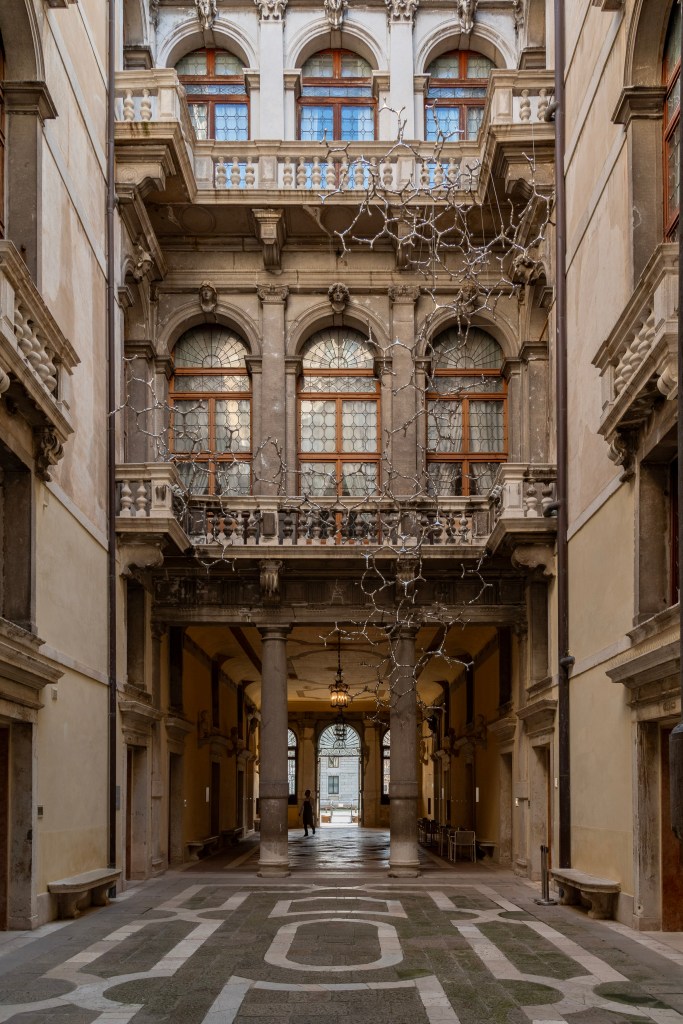
Loris Cecchini. Leaps, gaps and overlapping diagrams, exhibition view, Ca’ Rezzonico – Museo del Settecento Veneziano, Venezia 2024-25. Photo Irene Fanizza 
Loris Cecchini. Leaps, gaps and overlapping diagrams, exhibition view, Ca’ Rezzonico – Museo del Settecento Veneziano, Venezia 2024-25. Photo Irene Fanizza 
Loris Cecchini. Leaps, gaps and overlapping diagrams, exhibition view, Ca’ Rezzonico – Museo del Settecento Veneziano, Venezia 2024-25. Photo Irene Fanizza 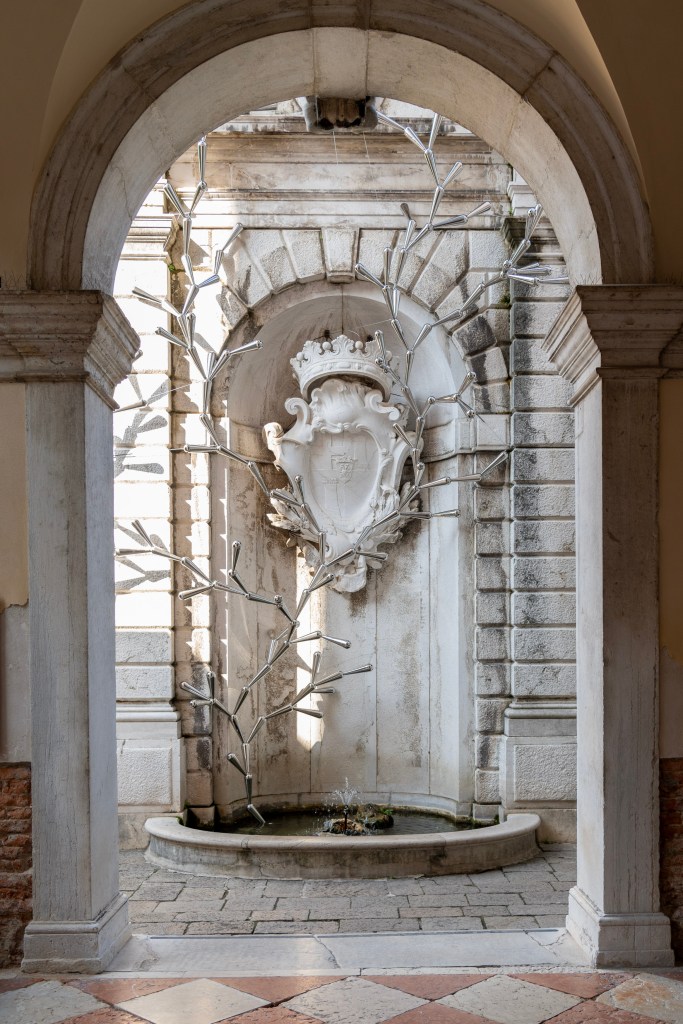
Loris Cecchini. Leaps, gaps and overlapping diagrams, exhibition view, Ca’ Rezzonico – Museo del Settecento Veneziano, Venezia 2024-25. Photo Irene Fanizza 
Loris Cecchini. Leaps, gaps and overlapping diagrams, exhibition view, Ca’ Rezzonico – Museo del Settecento Veneziano, Venezia 2024-25. Photo Irene Fanizza 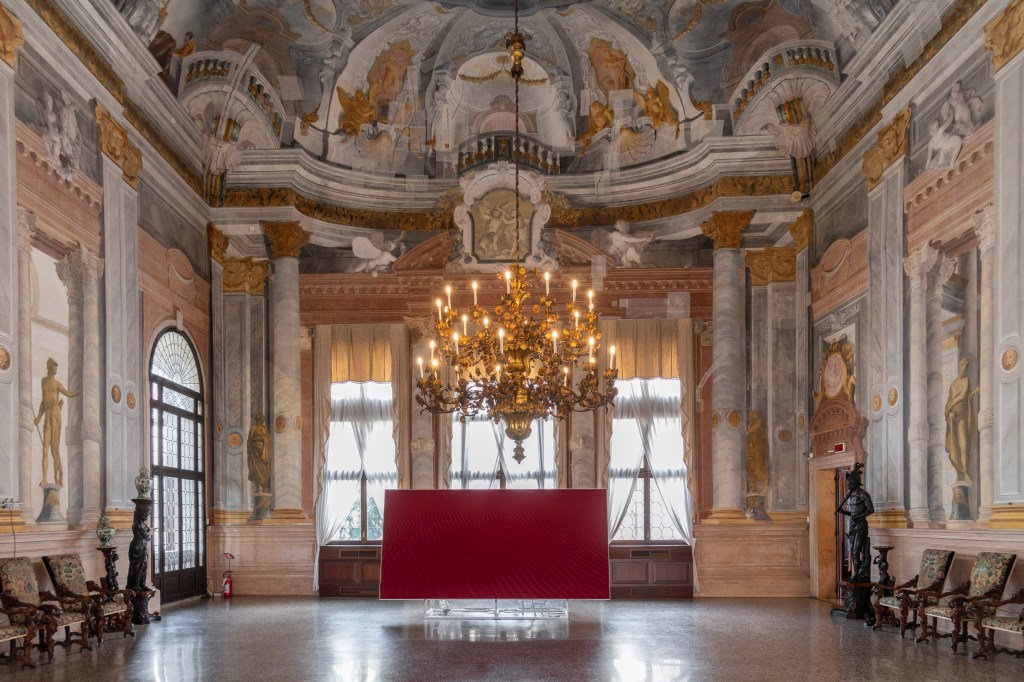
Loris Cecchini. Leaps, gaps and overlapping diagrams, exhibition view, Ca’ Rezzonico – Museo del Settecento Veneziano, Venezia 2024-25. Photo Irene Fanizza 
Loris Cecchini. Leaps, gaps and overlapping diagrams, exhibition view, Ca’ Rezzonico – Museo del Settecento Veneziano, Venezia 2024-25. Photo Irene Fanizza 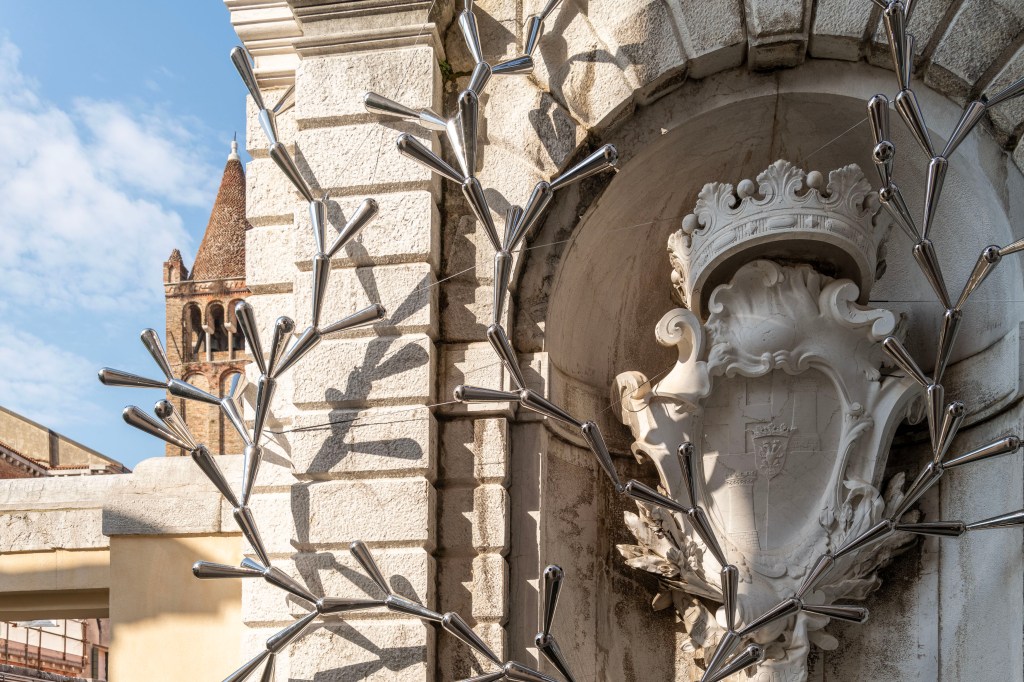
Loris Cecchini. Leaps, gaps and overlapping diagrams, exhibition view, Ca’ Rezzonico – Museo del Settecento Veneziano, Venezia 2024-25. Photo Irene Fanizza 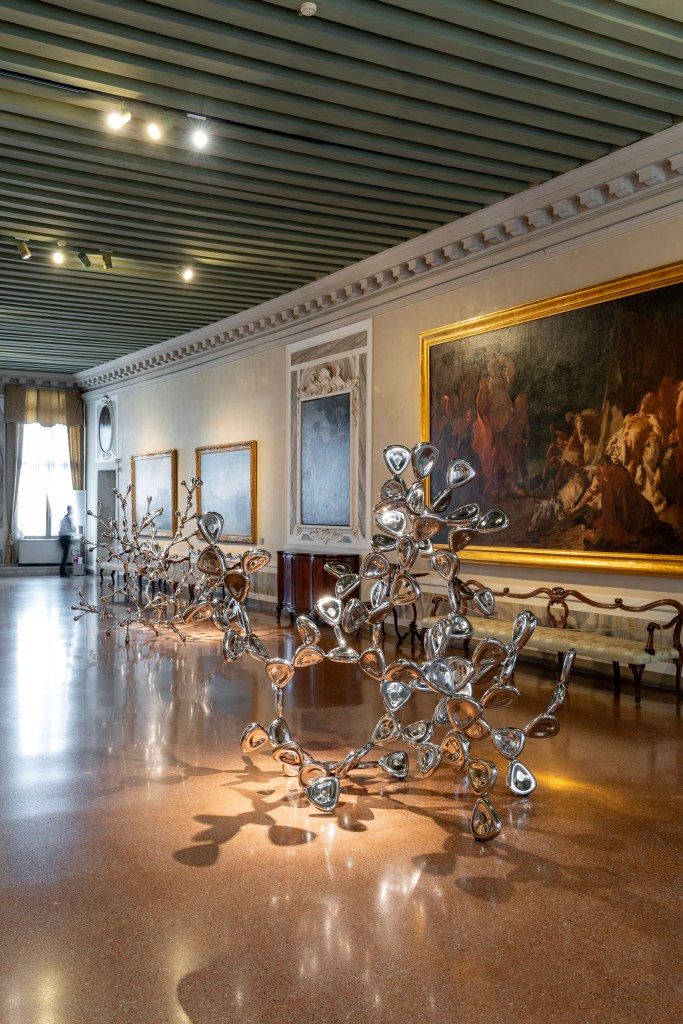
Loris Cecchini. Leaps, gaps and overlapping diagrams, exhibition view, Ca’ Rezzonico – Museo del Settecento Veneziano, Venezia 2024-25. Photo Irene Fanizza 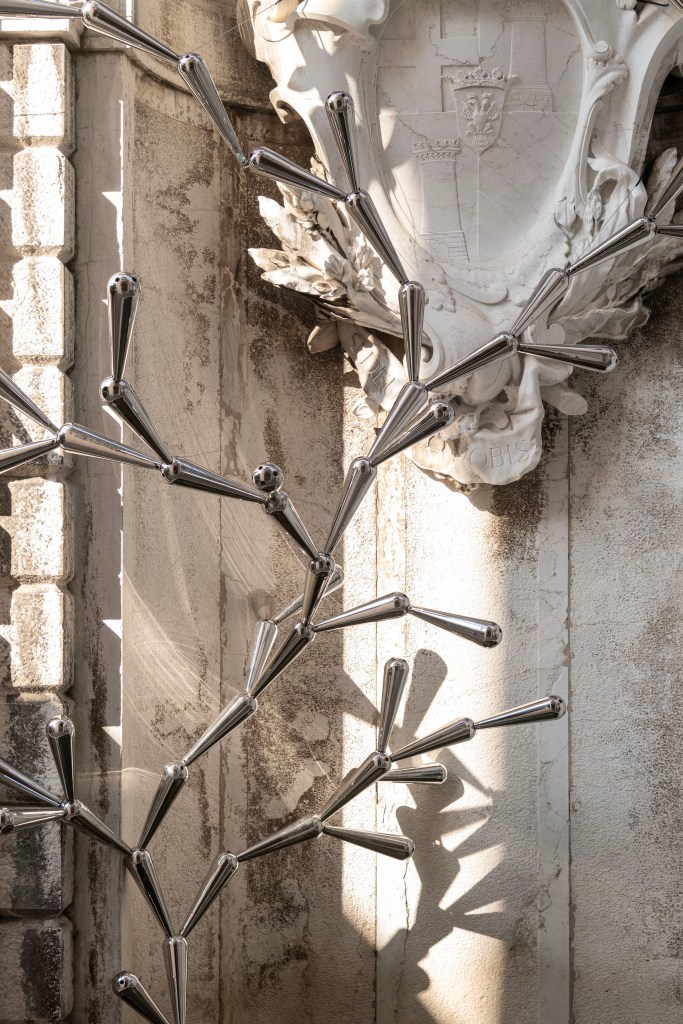
Loris Cecchini. Leaps, gaps and overlapping diagrams, exhibition view, Ca’ Rezzonico – Museo del Settecento Veneziano, Venezia 2024-25. Photo Irene Fanizza 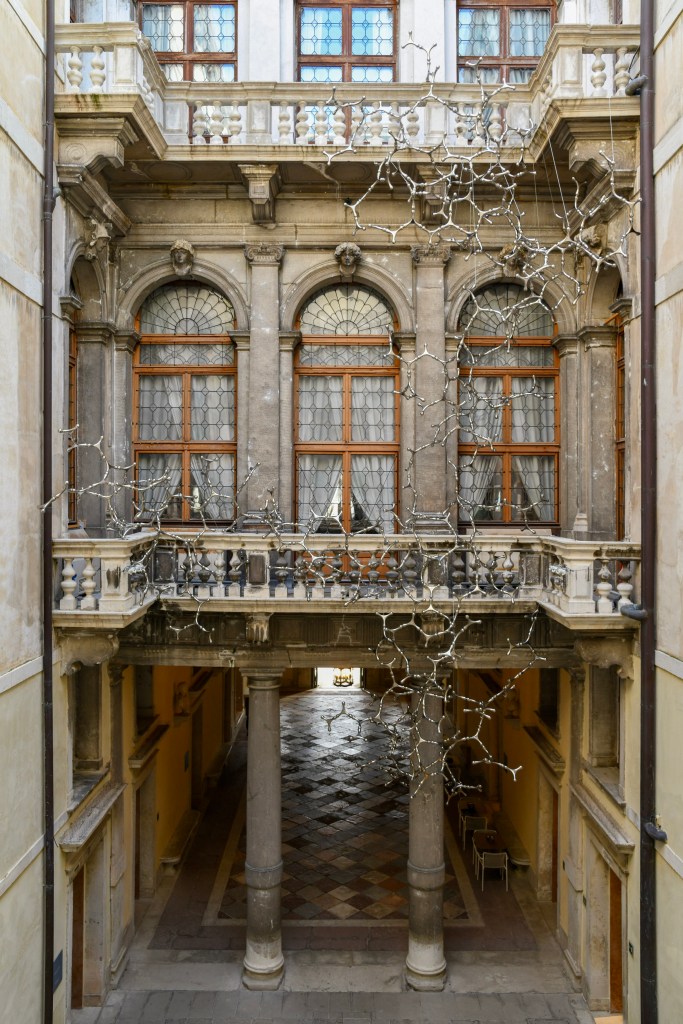
Loris Cecchini. Leaps, gaps and overlapping diagrams, exhibition view, Ca’ Rezzonico – Museo del Settecento Veneziano, Venezia 2024-25. Photo Irene Fanizza 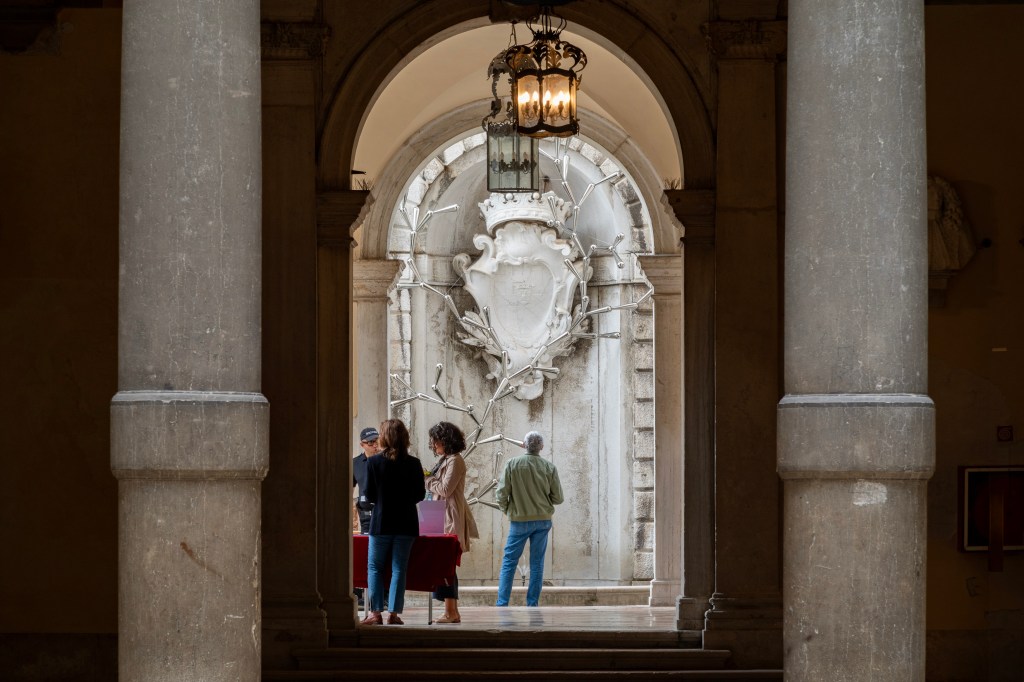
Loris Cecchini. Leaps, gaps and overlapping diagrams, exhibition view, Ca’ Rezzonico – Museo del Settecento Veneziano, Venezia 2024-25. Photo Irene Fanizza 
Loris Cecchini. Leaps, gaps and overlapping diagrams, exhibition view, Ca’ Rezzonico – Museo del Settecento Veneziano, Venezia 2024-25. Photo Irene Fanizza 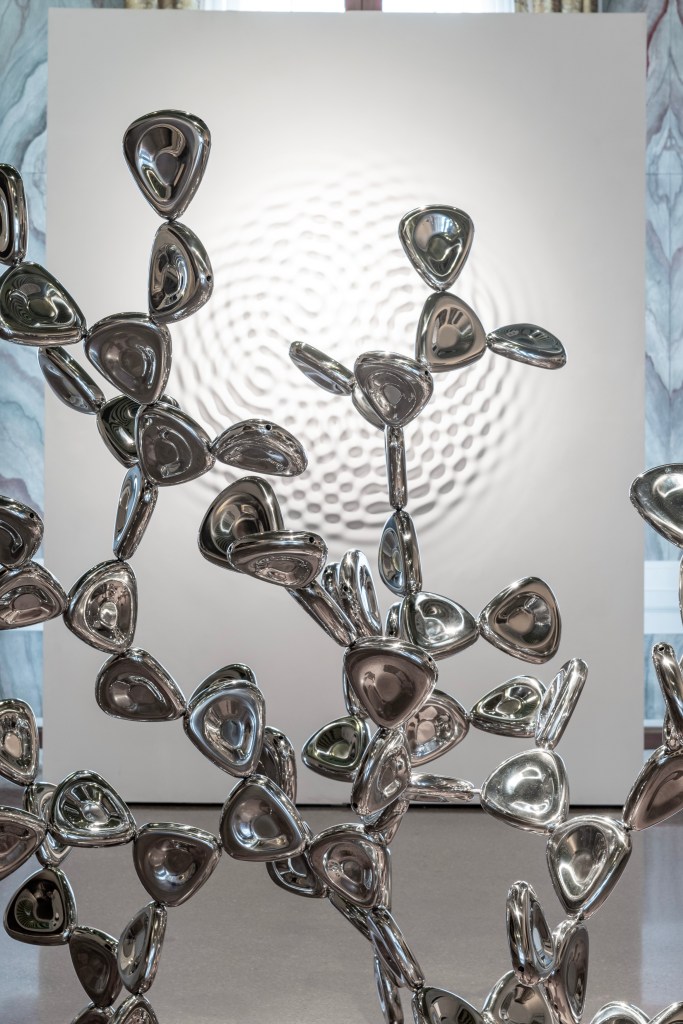
Loris Cecchini. Leaps, gaps and overlapping diagrams, exhibition view, Ca’ Rezzonico – Museo del Settecento Veneziano, Venezia 2024-25. Photo Irene Fanizza 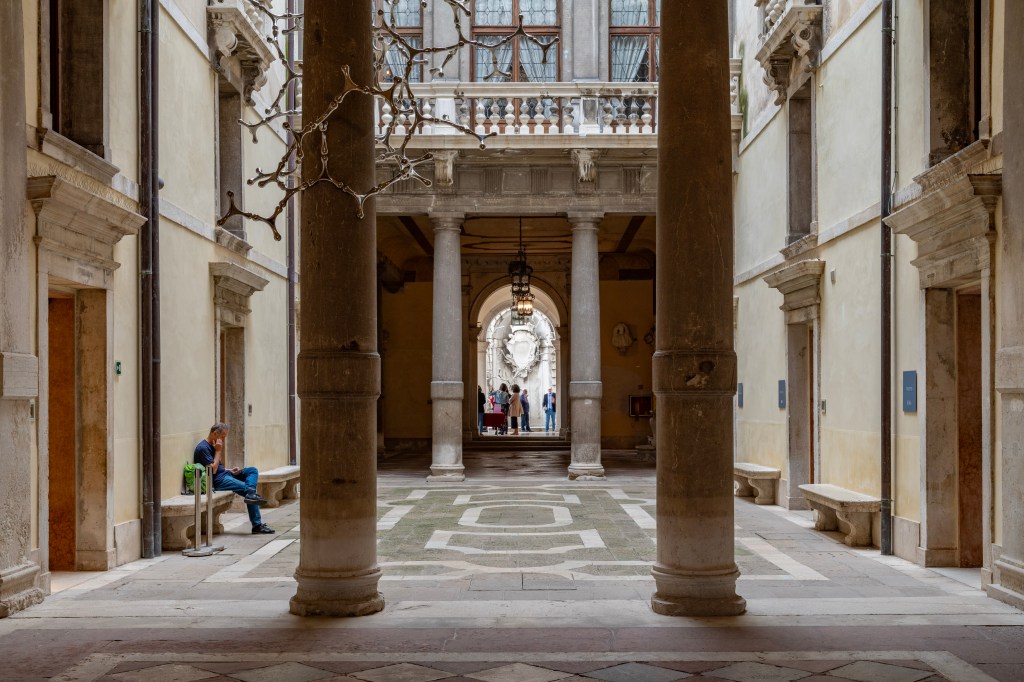
Loris Cecchini. Leaps, gaps and overlapping diagrams, exhibition view, Ca’ Rezzonico – Museo del Settecento Veneziano, Venezia 2024-25. Photo Irene Fanizza 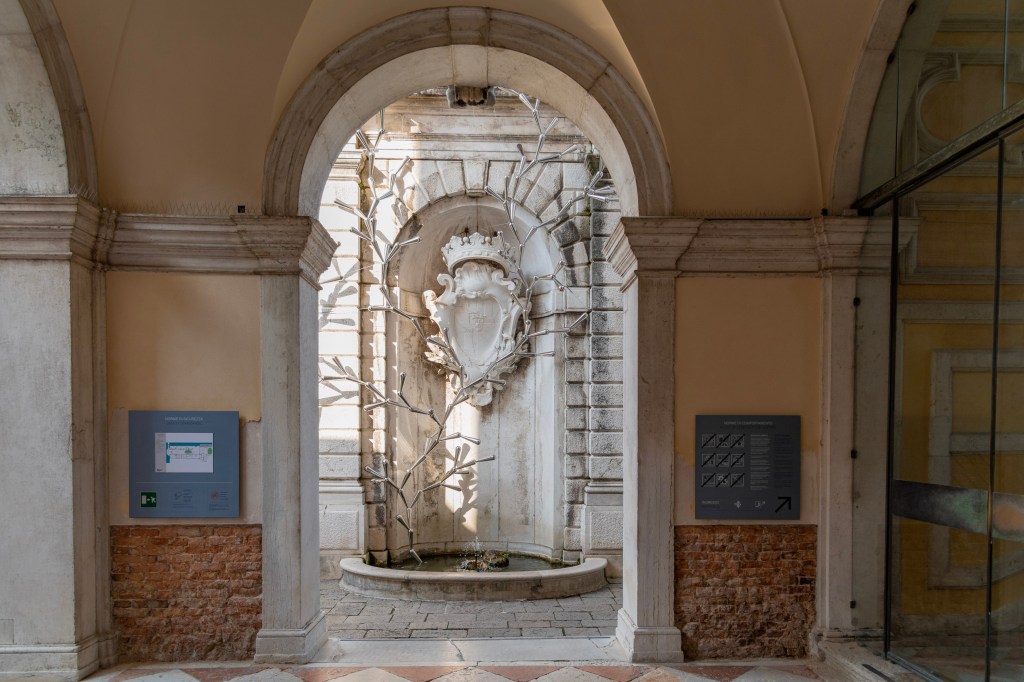
Loris Cecchini. Leaps, gaps and overlapping diagrams, exhibition view, Ca’ Rezzonico – Museo del Settecento Veneziano, Venezia 2024-25. Photo Irene Fanizza 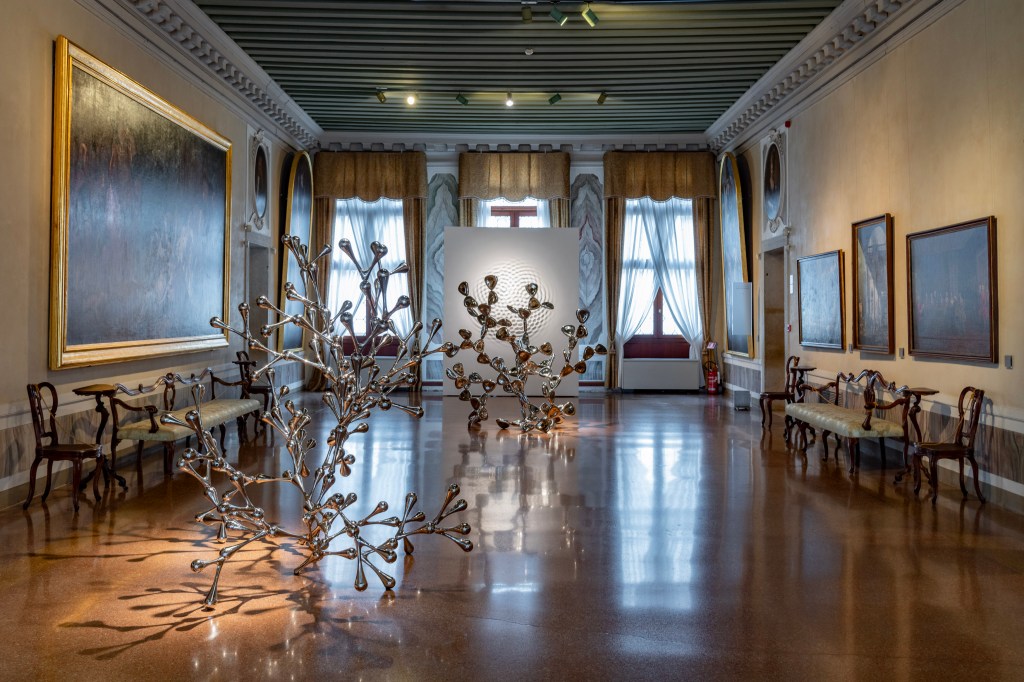
Loris Cecchini. Leaps, gaps and overlapping diagrams, exhibition view, Ca’ Rezzonico – Museo del Settecento Veneziano, Venezia 2024-25. Photo Irene Fanizza 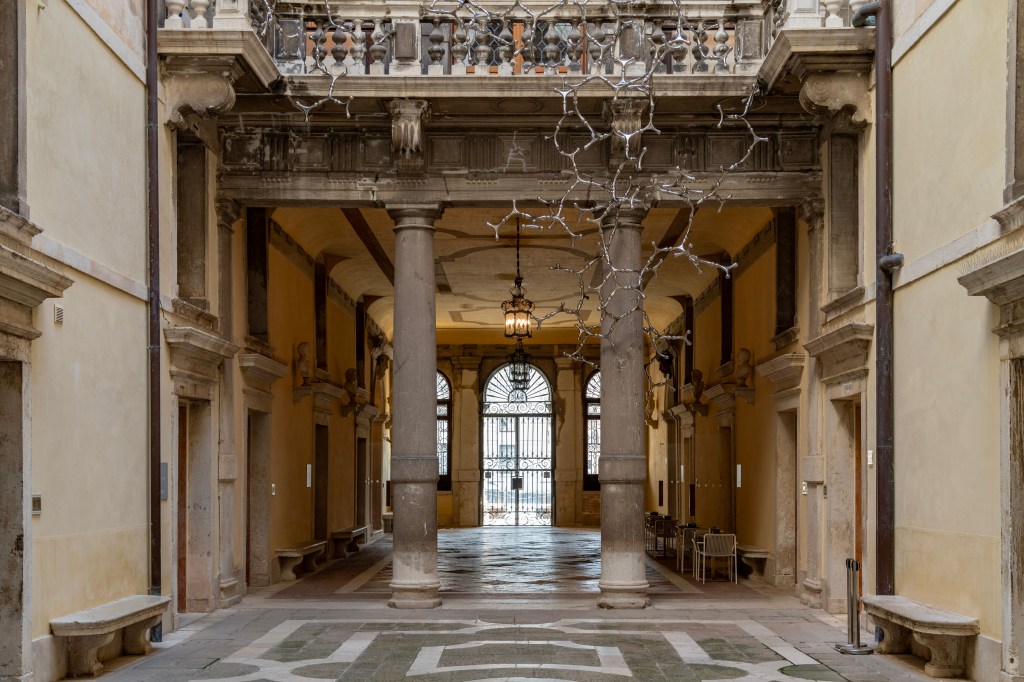
Loris Cecchini. Leaps, gaps and overlapping diagrams, exhibition view, Ca’ Rezzonico – Museo del Settecento Veneziano, Venezia 2024-25. Photo Irene Fanizza 
Loris Cecchini. Leaps, gaps and overlapping diagrams, exhibition view, Ca’ Rezzonico – Museo del Settecento Veneziano, Venezia 2024-25. Photo Irene Fanizza 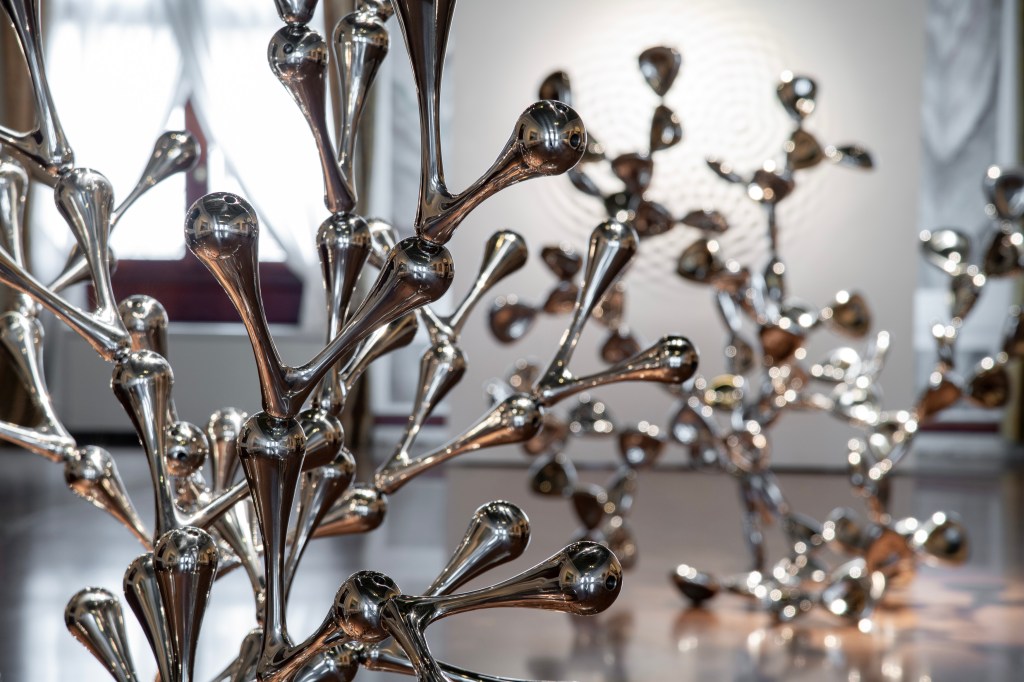
Loris Cecchini. Leaps, gaps and overlapping diagrams, exhibition view, Ca’ Rezzonico – Museo del Settecento Veneziano, Venezia 2024-25. Photo Irene Fanizza 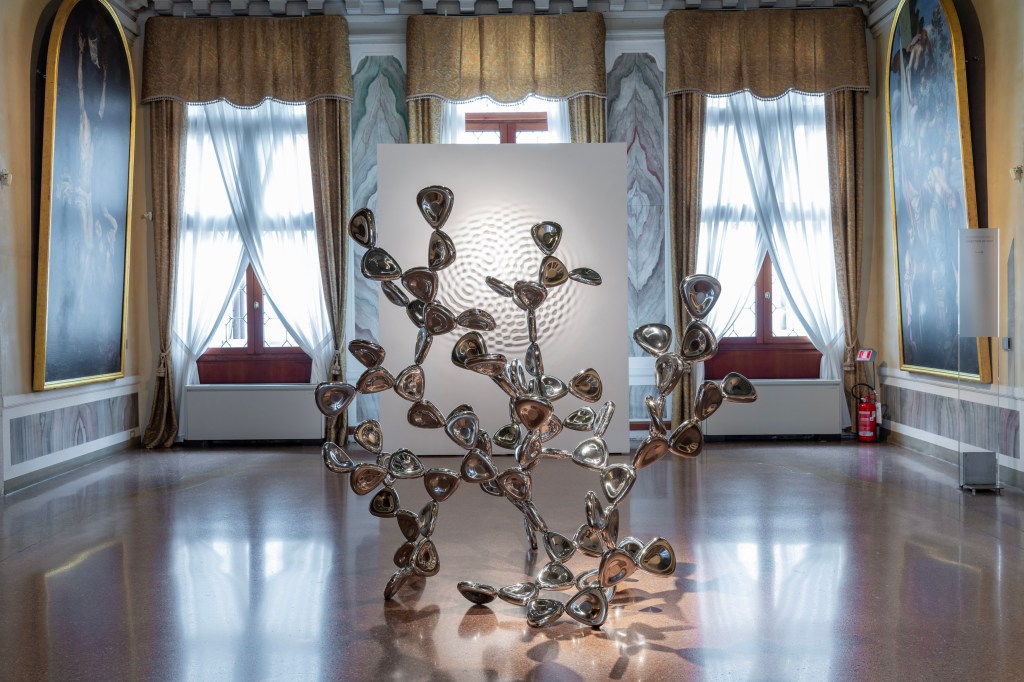
Loris Cecchini. Leaps, gaps and overlapping diagrams, exhibition view, Ca’ Rezzonico – Museo del Settecento Veneziano, Venezia 2024-25. Photo Irene Fanizza 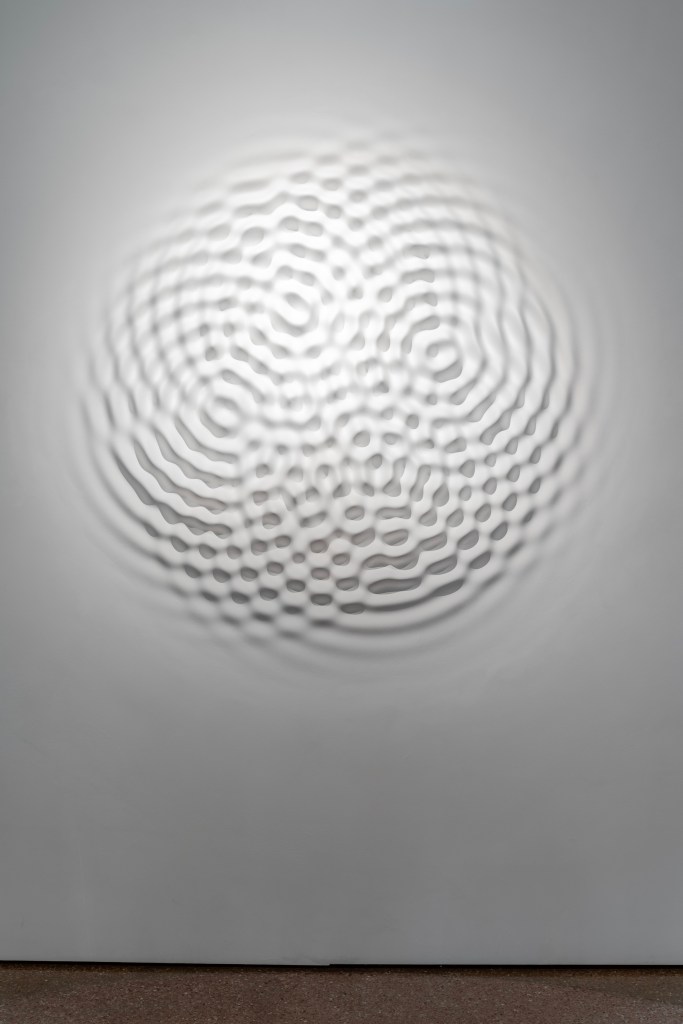
Loris Cecchini. Leaps, gaps and overlapping diagrams, exhibition view, Ca’ Rezzonico – Museo del Settecento Veneziano, Venezia 2024-25. Photo Irene Fanizza 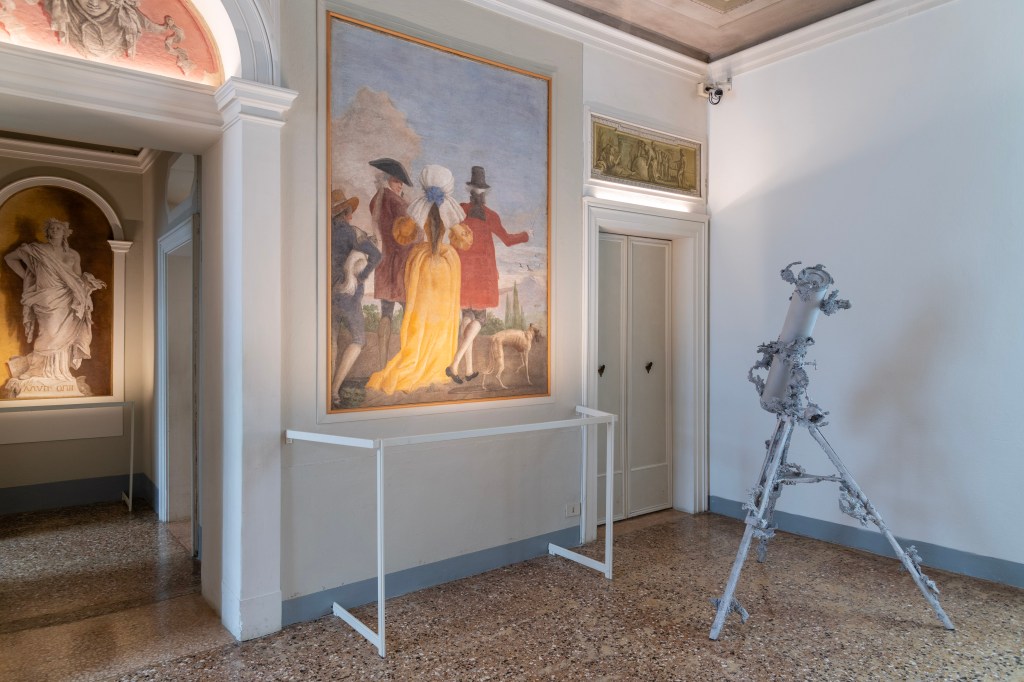
Loris Cecchini. Leaps, gaps and overlapping diagrams, exhibition view, Ca’ Rezzonico – Museo del Settecento Veneziano, Venezia 2024-25. Photo Irene Fanizza
 c plus c