Bombs, containers, flags and debris – these are the key elements of the first major European exhibition dedicated to Japanese artist Yukinori Yanagi. His work tackles the devastating consequences of war and the urgent need for remembrance. “Icarus” is on view at Pirelli HangarBicocca in Milan until 27 July, 2025.
Icarus is the title of the first large-scale European exhibition dedicated to Japanese artist Yukinori Yanagi (Fukuoka, 1959), on display in the Navate and Cubo spaces of Pirelli HangarBicocca in Milan until 27 July 2025. Curated by Vicente Todolí with Fiammetta Griccioli, the show features monumental works, some site-specific, tracing the artist’s practice from the 1990s to the present. Widely considered one of Japan’s most influential contemporary artists, Yanagi explores urgent and complex themes such as nationalism, borders, identity, and conflict, aiming to raise awareness and reflect on how human arrogance can lead to ruin.
YUKINORI YANAGI’S EXHIBITION IN MILAN
The installation, conceived as a monumental narrative with a strong impact, consists of new and existing works placed in relation to each other to suggest new meanings. The result is a balanced dialogue of solids and voids that unfolds in the Hangar’ Navate. The monumentality of the place is mirrored in that of the works, which catapult the visitor into a space where it is easy to feel disoriented and helpless. The gaze is lost and the pace slows among Yanagi’s interventions, in which the desire for power and war echo.
The centerpiece of the exhibition is the work from which the show takes its name: Icarus Container 2025. It is a meandering, labyrinthine installation consisting of sixteen containers, inside which visitors can wander. Space is dilated, perception is altered by the presence of mirrors on which excerpts from Yukio Mishima’s poem Icarus are displayed. Following the verses, the audience is led on a journey that is as real as it is metaphorical, in search of light, attempting to escape the arrogance and desires that often cloud the mind of human beings, leading them to their downfall. The atmosphere is charged with tension: there persists a strong sense of inadequacy given by the dimness, the first deafening and then low and threatening sounds, the debris and the imposing bomb suspended above the heads of the visitors.
YANAGI’S WORKS IN THE NAVATE OF PIRELLI HANGARBICOCCA
At the entrance, a large animal eye flickers with haunting images of atomic mushroom clouds, including Hiroshima’s. Project God-zilla 2025 – The Revenant from “El Mare Pacificum” (2025) is a towering heap of wreckage – broken machinery, toxic canisters, and metal bars – watched over by the menacing gaze of the Godzilla monster. The scene evokes a post-apocalyptic landscape, where Godzilla’s eye symbolizes the fear surrounding nuclear fallout in Hiroshima and Nagasaki. It’s a stark warning of the suffering that could still lie ahead, affecting both humanity and the natural world. For Icarus, the piece is paired with Article 9 (1994), made from flashing red neon tubes forming fragments of Article 9 of the Japanese Constitution – a passage that renounces war and aspires to global peace. By setting the brutal force of Project God-zilla 2025 against the soft glow of Article 9, Yanagi constructs a stark dualism: a critique of a democracy that, in his words, “It’s like democracy came to Japan like a gift from above” in the form of a constitution written in 1946 by U.S. General Douglas MacArthur. One of the most striking pieces is Absolute Dud (2007), a full-scale iron replica of “Little Boy,” the atomic bomb dropped on Hiroshima on 6 August 1945. By freezing the moment just before detonation, Yanagi reflects on how conflict always looms nearby. As long as humanity places its faith in technological power – the atomic bomb –, it remains trapped in a state of restless vigilance.
The exhibition concludes in the Cubo, the only naturally lit space, with The World Flag Ant Farm 2025. This work consists of two hundred plexiglass boxes representing both recognized and unrecognized nations, all connected by narrow tunnels and filled with colored sand. Live ants move through the structure, constantly shifting the sand and transforming the flags. The piece becomes a living performance – a metaphor for interconnectedness beyond borders or national identities. The decision to end in a bright, open space symbolizes a potential path forward: a hopeful exit from a future that otherwise seems bleakly predetermined.
Maddalena Domenghini
https://pirellihangarbicocca.org/mostra/yukinori-yanagi/
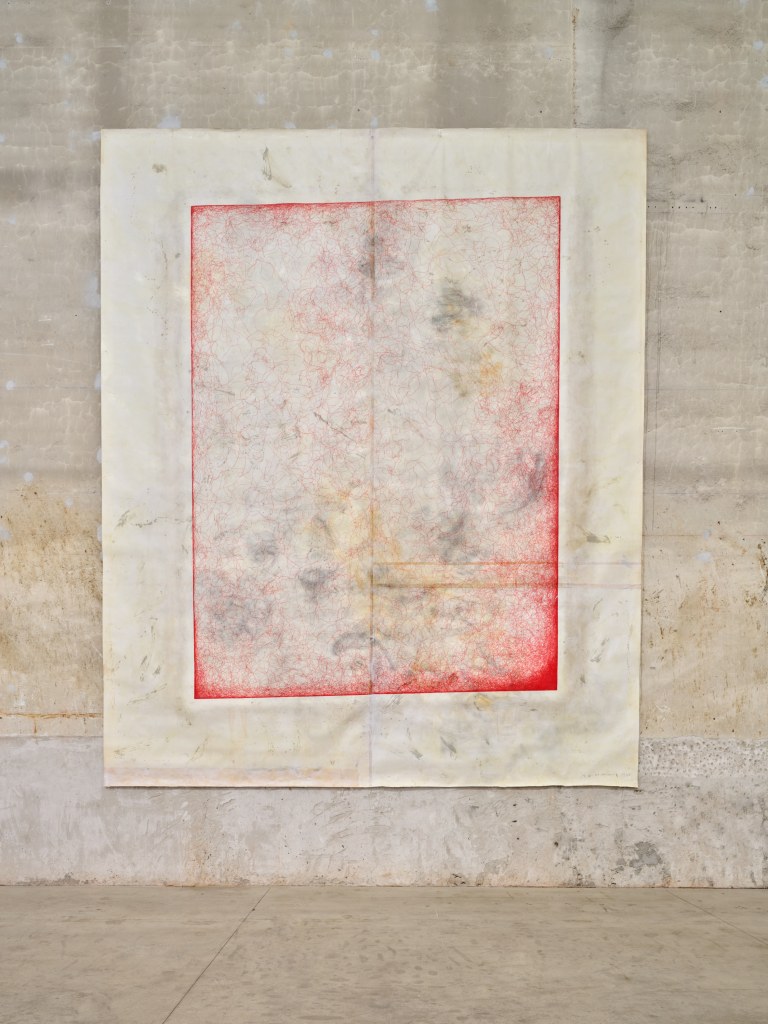
Yukinori Yanagi, Wandering Position – Pogonomyrmex III , 199 5 Installation view, Pirelli HangarBicocca, Milan, 2025 ©YANAGI STUDIO. Courtesy the artist and Pirelli HangarBicocca, Milan. Photo Agostino Osio 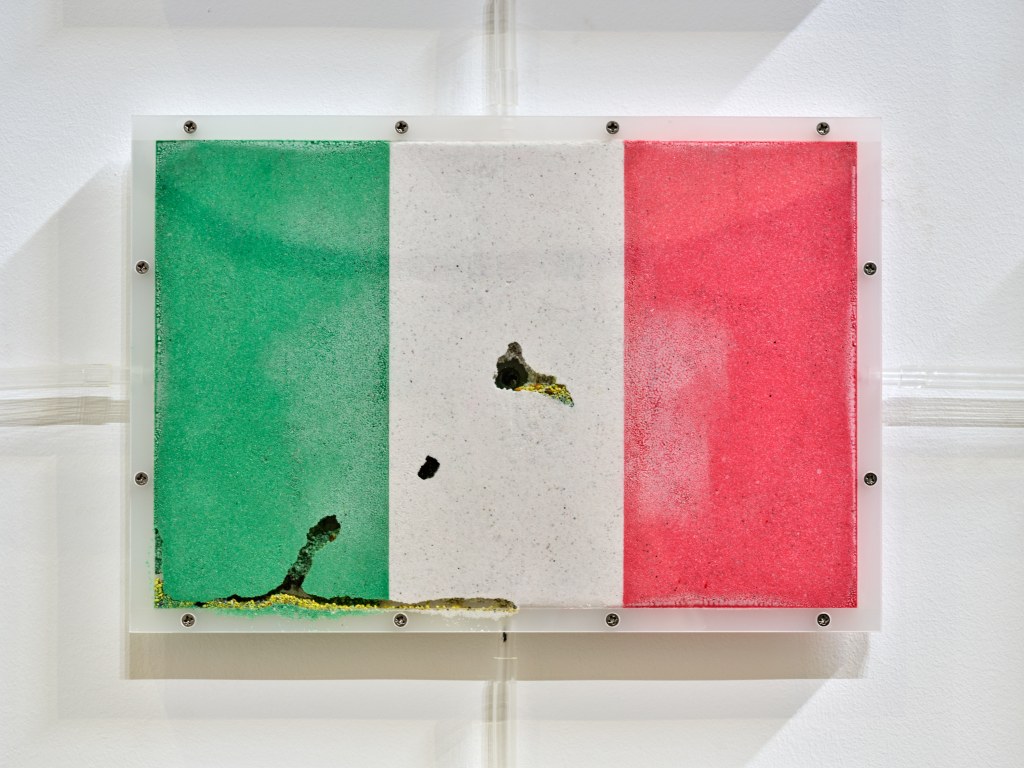
Yukinori Yanagi, The World Flag Ant Farm 2025, 2025 (detail) Installation view, Pirelli HangarBicocca, Milan, 2025 ©YANAGI STUDIO. Courtesy the artist and Pirelli HangarBicocca, Milan. Photo Agostino Osio 
Yukinori Yanagi, The World Flag Ant Farm 2025, 2025 (detail) Installation view, Pirelli HangarBicocca, Milan, 2025 ©YANAGI STUDIO. Courtesy the artist and Pirelli HangarBicocca, Milan. Photo Agostino Osio 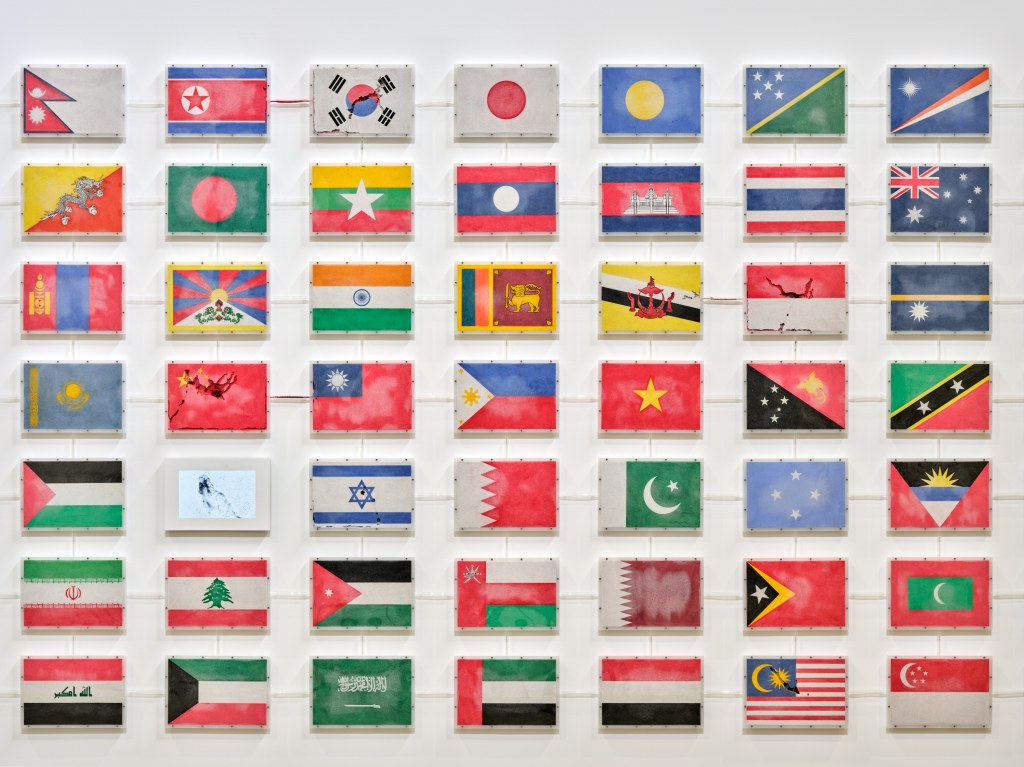
Yukinori Yanagi, The World Flag Ant Farm 2025, 2025 (detail) Installation view, Pirelli HangarBicocca, Milan, 2025 ©YANAGI STUDIO. Courtesy the artist and Pirelli HangarBicocca, Milan. Photo Agostino Osio 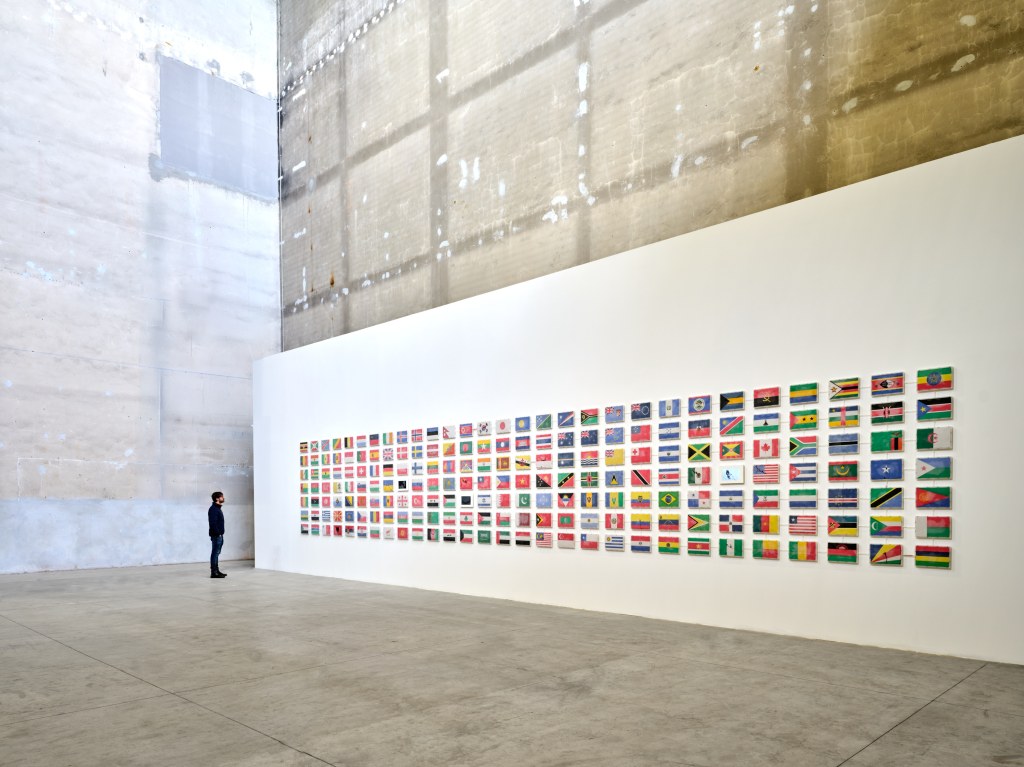
Yukinori Yanagi, The World Flag Ant Farm 2025 , 2025 Installation view, Pirelli HangarBicocca, Milan, 2025 ©YANAGI STUDIO. Courtesy the artist and Pirelli HangarBicocca, Milan. Photo Agostino Osio 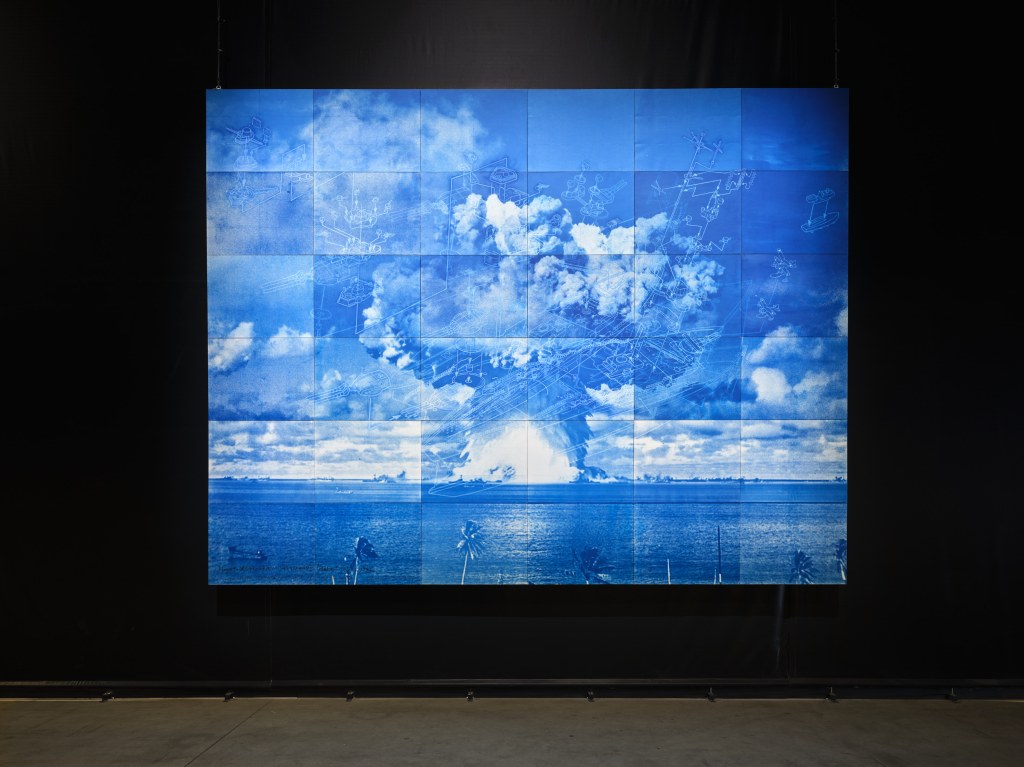
Yukinori Yanagi, Nagato x Operation Crossroads “Baker”, July 25, 1946 Cyanot ype exposed by the Sun of July 25, 2024 , 2024 Installation view, Pirelli HangarBicocca, Milan, 2025 ©YANAGI STUDIO. Courtesy the artist and Pirelli HangarBicocca, Milan. Photo Agostino Osio 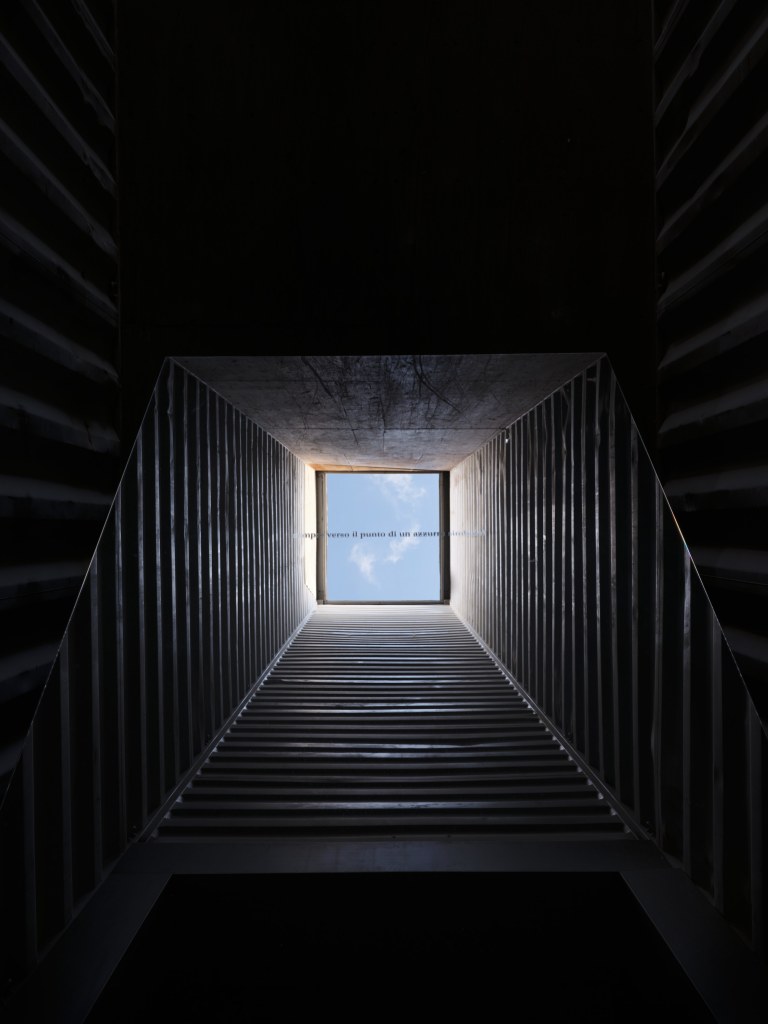
Yukinori Yanagi Icarus Container 2025, 2025 (detail) Installation view, Pirelli HangarBicocca, Milan, 2025. ©YANAGI STUDIO. Courtesy the artist and Pirelli HangarBicocca, Milan. Photo Agostino Osio 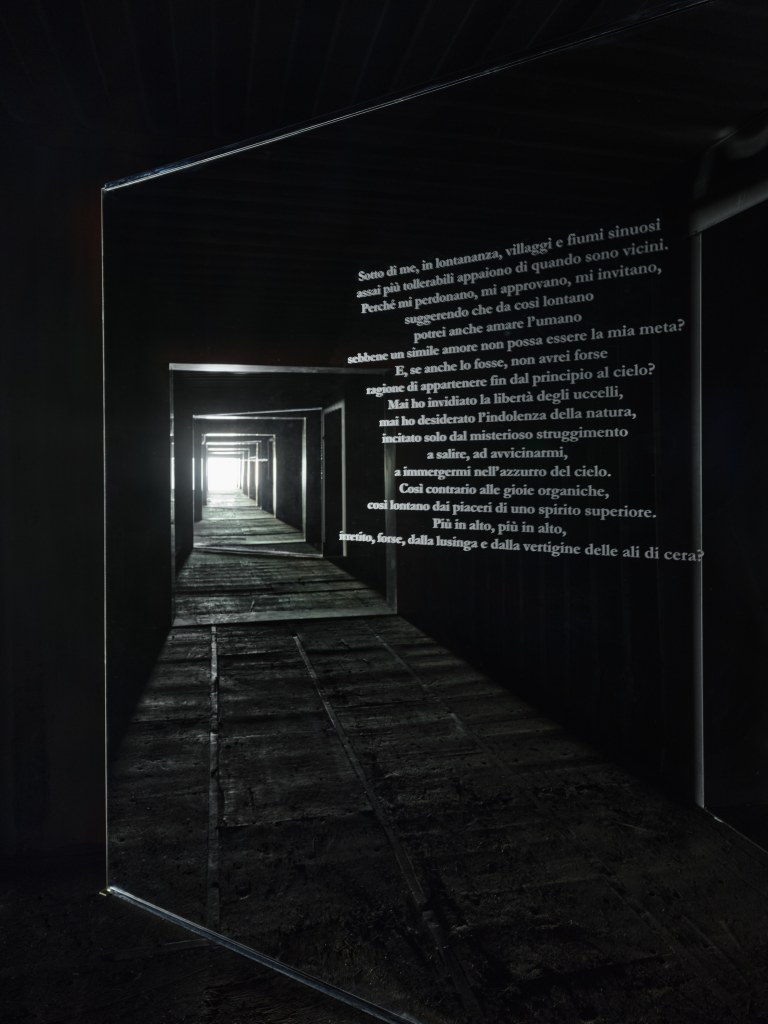
Yukinori Yanagi Icarus Container 2025, 2025 (detail) Installation view, Pirelli HangarBicocca, Milan, 2025. ©YANAGI STUDIO. Courtesy the artist and Pirelli HangarBicocca, Milan. Photo Agostino Osio 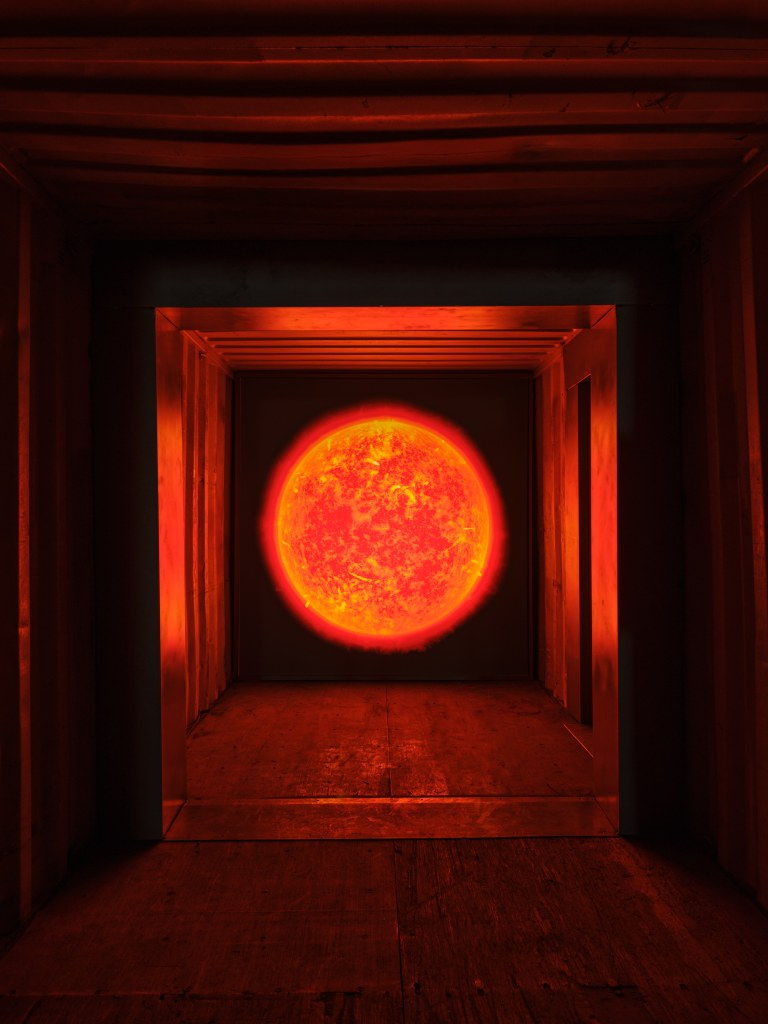
Yukinori Yanagi Icarus Container 2025, 2025 (detail) Installation view, Pirelli HangarBicocca, Milan, 2025. ©YANAGI STUDIO. Courtesy the artist and Pirelli HangarBicocca, Milan. Photo Agostino Osio 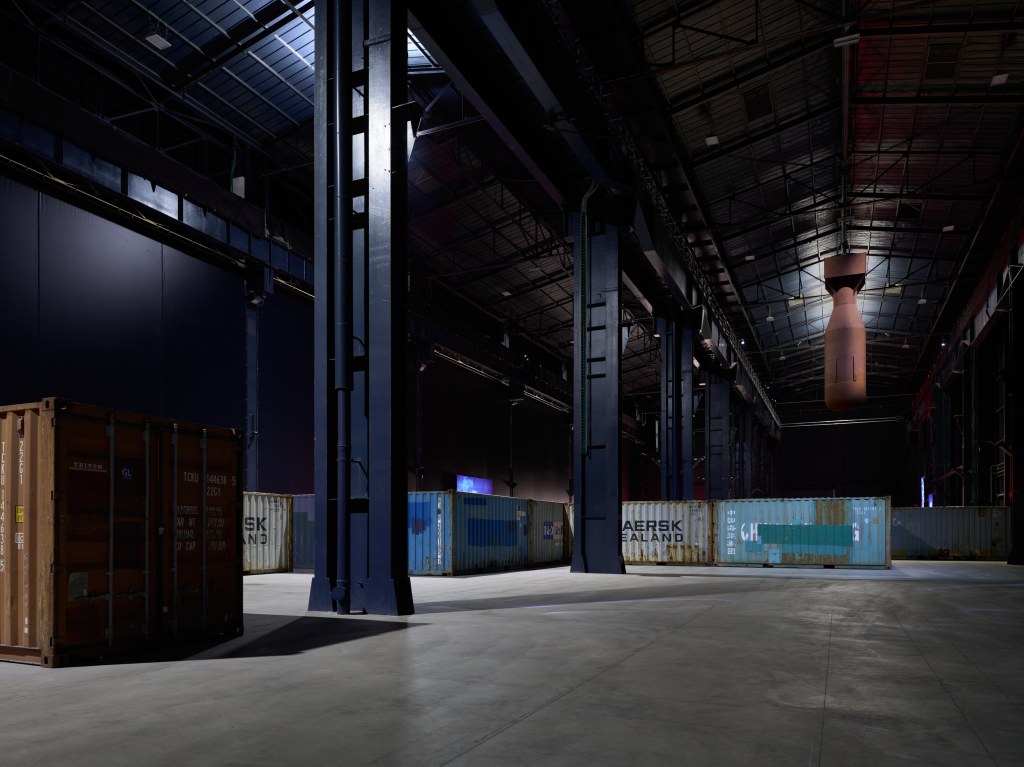
Yukinori Yanagi, “ ICARUS ” Exhibition view, Pirelli HangarBicocca, Milan, 2025 ©YANAGI STUDIO. Courtesy the artist and Pirelli HangarBicocca, Milan, Photo Agostino Osio 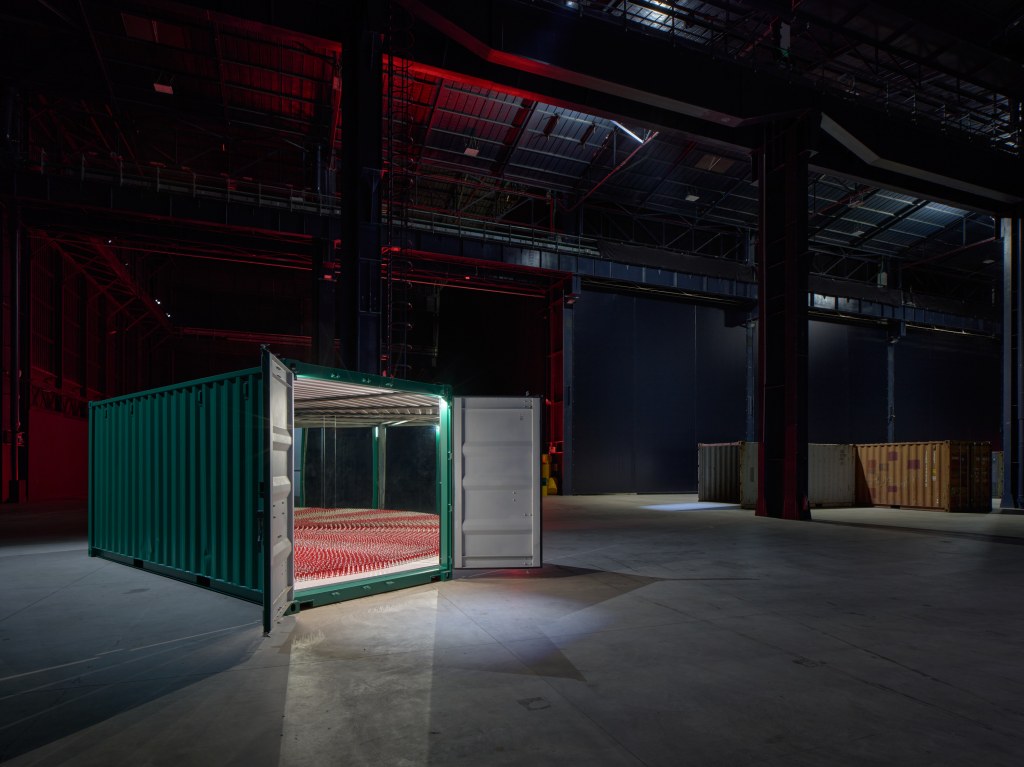
Yukinori Yanagi, Banzai Container, 2025, Installation view, Pirelli HangarBicocca, Milan, 2025 ©YANAGI STUDIO. Courtesy the artist and Pirelli HangarBicocca, Milan. Photo Agostino Osio 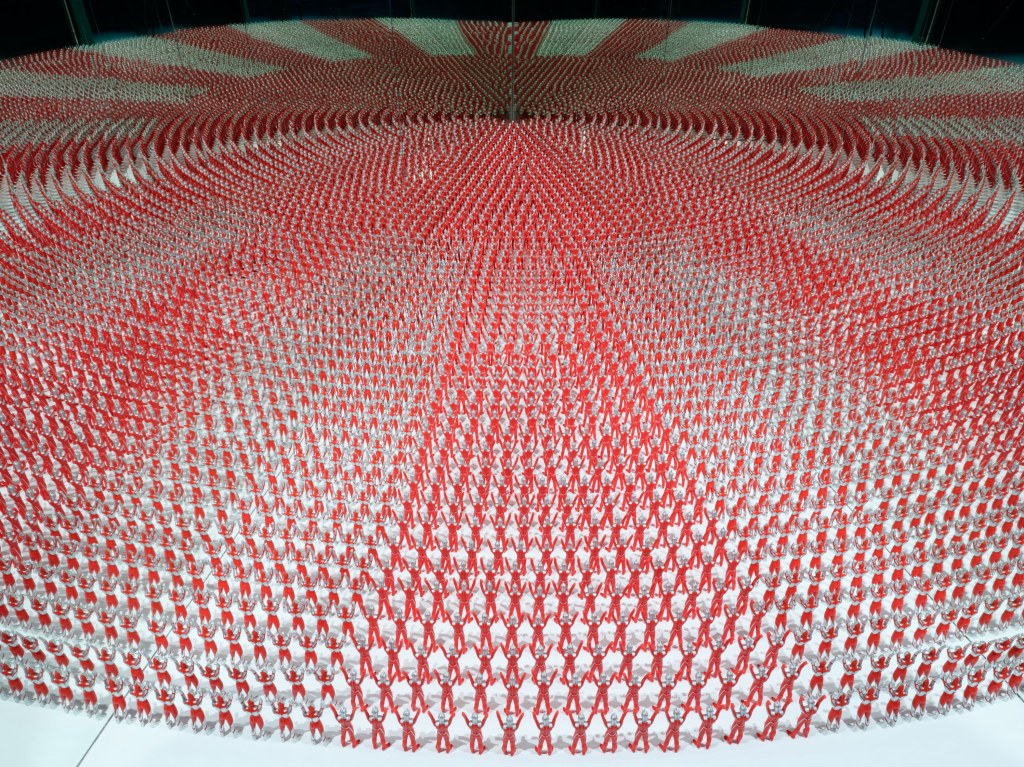
Yukinori Yanagi, Banzai Container, 2025 (detail) Installation view, Pirelli HangarBicocca, Milan, 2025 ©YANAGI STUDIO. Courtesy the artist and Pirelli HangarBicocca, Milan. Photo Agostino Osio 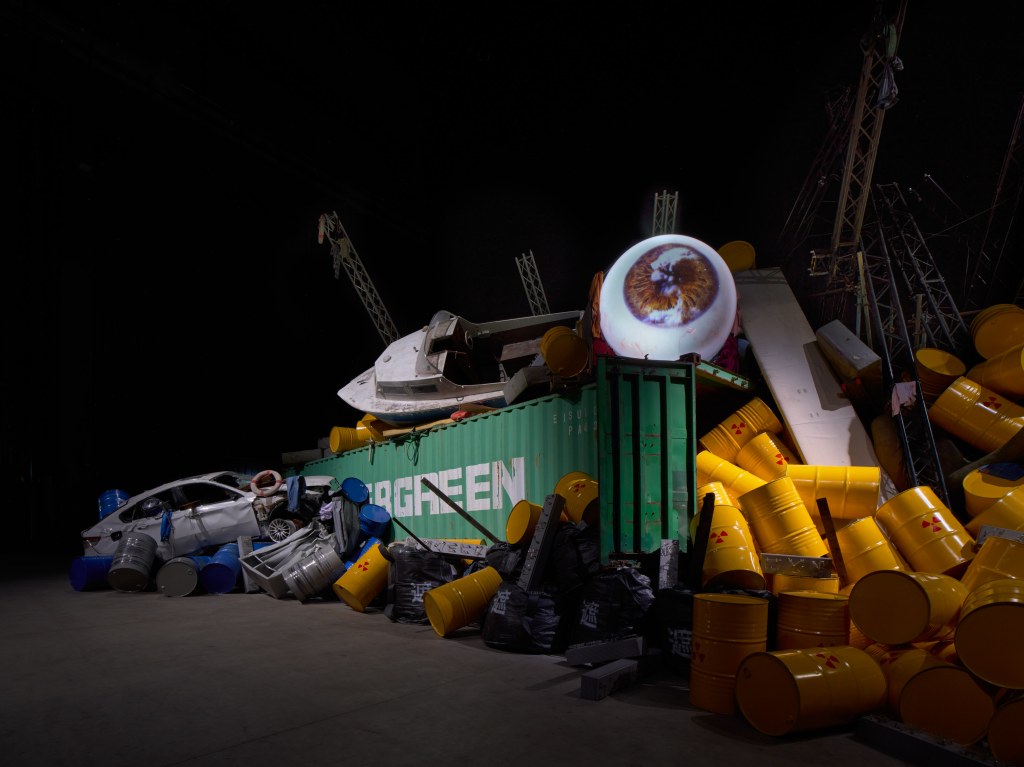
Yukinori Yanagi, “ICARUS” Exhibition view, Pirelli HangarBicocca, Milan, 2025 Foreground: A rticle 9, 1994 Background: Project God – zilla 2025 The Revenant from “El Mare Pacificum”, 2025 ©YANAGI STUDIO. Courtesy the artist and Pirelli HangarBicocca, Milan. Photo Agostino Osio 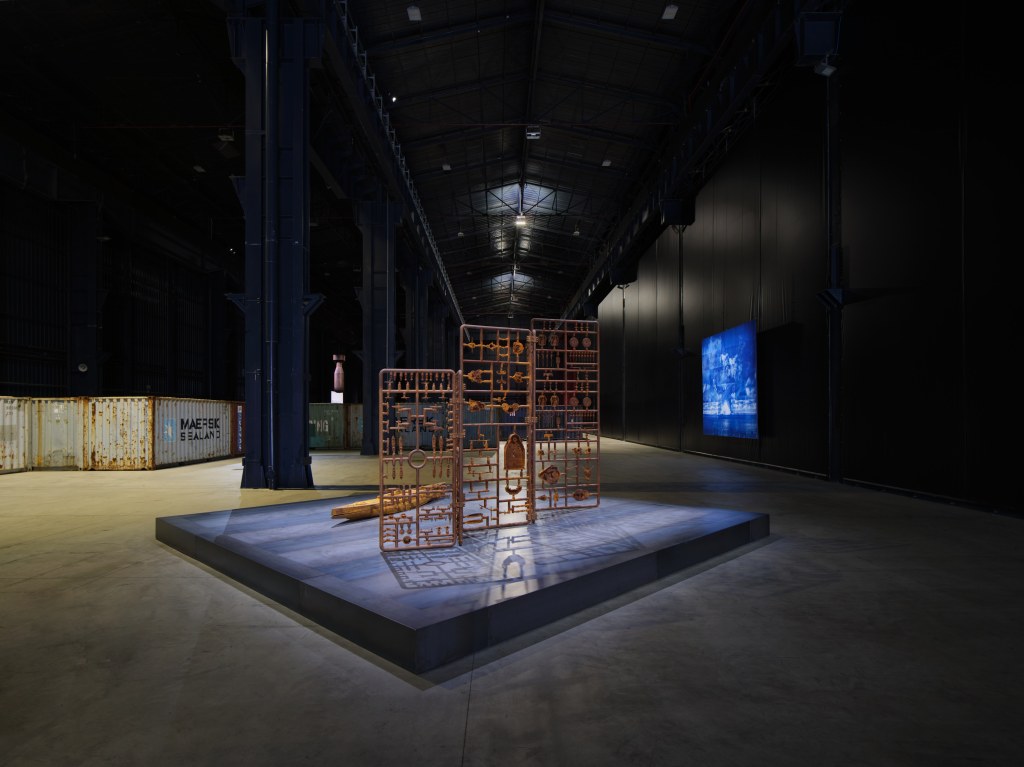
Yukinori Yanagi, “ ICARUS ” Exhibition view, Pirelli HangarBicocca, Milan, 2025 ©YANAGI STUDIO. Courtesy the artist and Pirelli HangarBicocca, Milan, Photo Agostino Osio 
Yukinori Yanagi, Hinomaru Illumination 2025, 2025 Installation view, Pirelli HangarBicocca, Milan, 2025 ©YANAGI STUDIO. Courtesy the artist and Pirelli HangarBicocca, Milan. Photo Agostino Osio 
Yukinori Yanagi, Hinomaru Illumination 2025, 2025 Installation view, Pirelli HangarBicocca, Milan, 2025 ©YANAGI STUDIO. Courtesy the artist and Pirelli HangarBicocca, Milan. Photo Agostino Osio 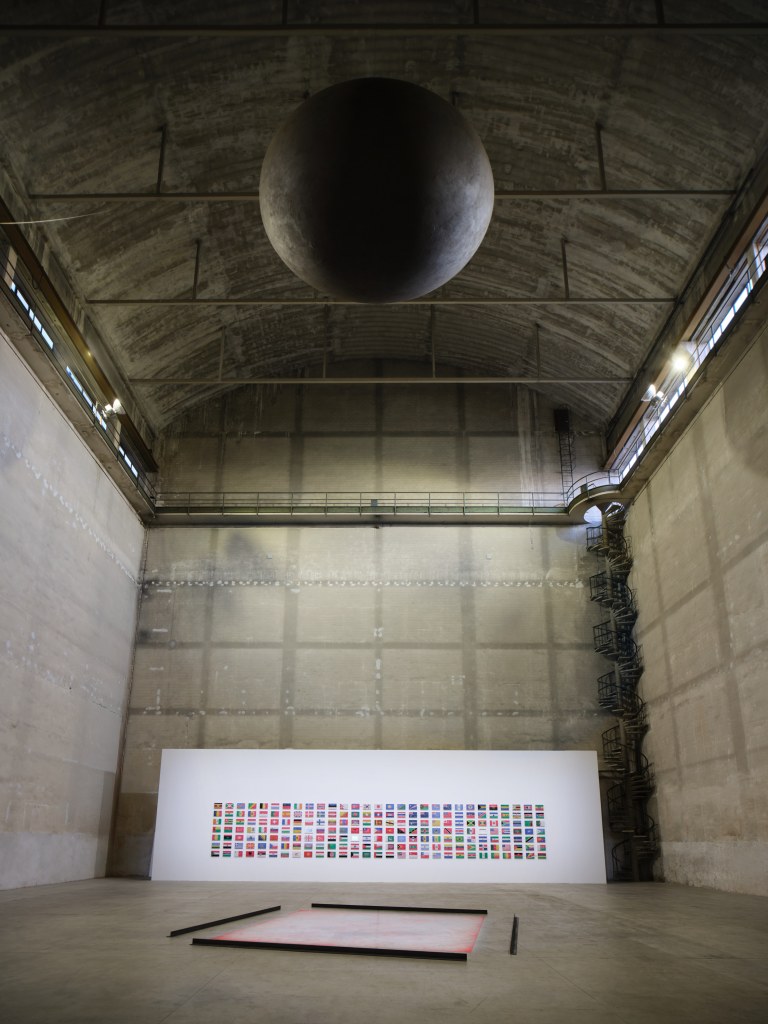
Yukinori Yanagi, “ ICARUS ” Exhibition view, Pirelli HangarBicocca, Milan, 2025 ©YANAGI STUDIO. Courtesy the artist and Pirelli HangarBicocca, Milan, Photo Agostino Osio 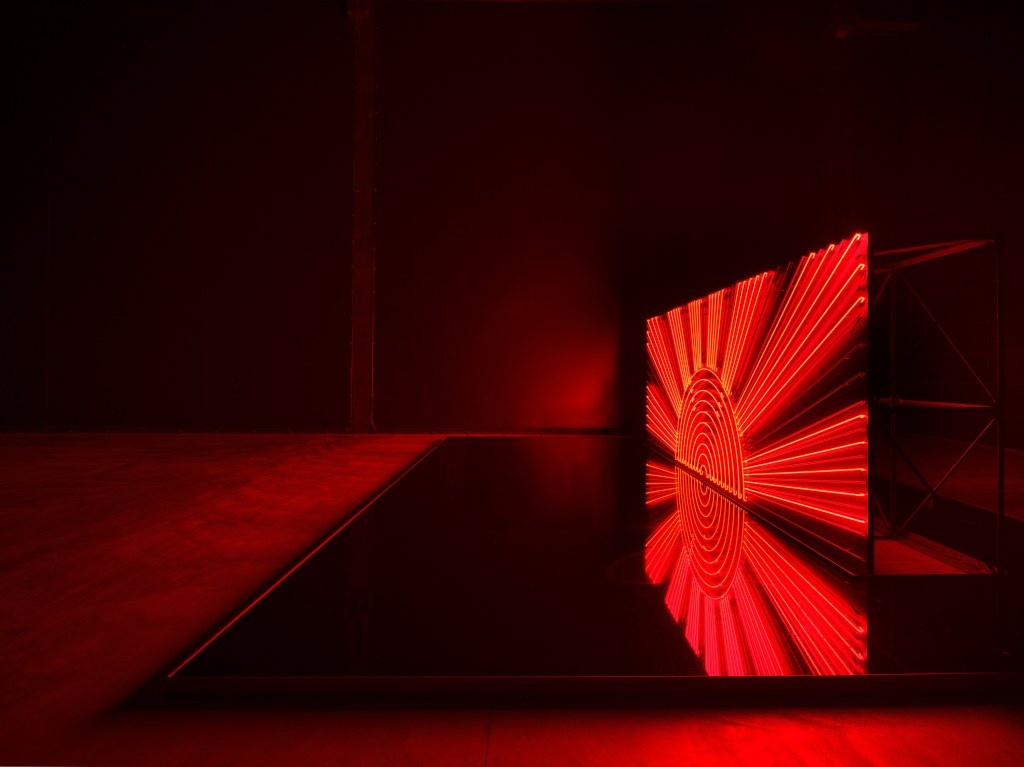
Yukinori Yanagi, Hinomaru Illumination 2025, 2025 Installation view, Pirelli HangarBicocca, Milan, 2025 ©YANAGI STUDIO. Courtesy the artist and Pirelli HangarBicocca, Milan. Photo Agostino Osio 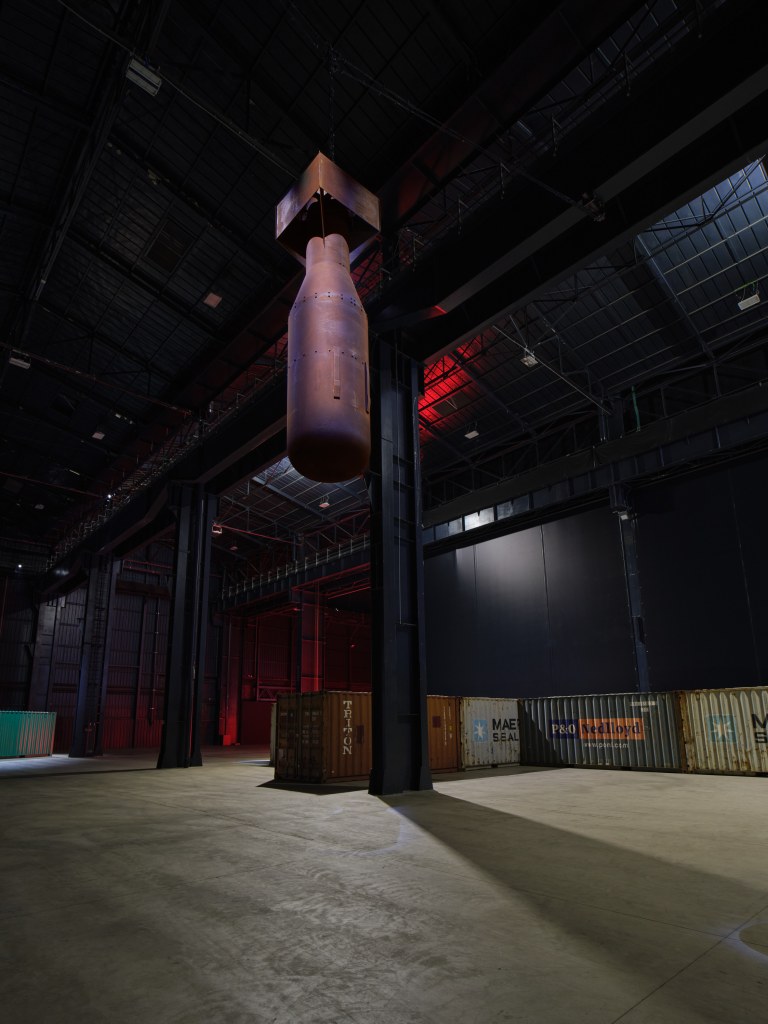
Yukinori Yanagi, “ ICARUS ” Exhibition view, Pirelli HangarBicocca, Milan, 2025 ©YANAGI STUDIO. Courtesy the artist and Pirelli HangarBicocca, Milan, Photo Agostino Osio 
Yukinori Yanagi, “ ICARUS ” Exhibition view, Pirelli HangarBicocca, Milan, 2025 ©YANAGI STUDIO. Courtesy the artist and Pirelli HangarBicocca, Milan, Photo Agostino Osio
Translated with AI
 c plus c